Shibuya is one of those Tokyo neighborhoods that can feel completely different depending on the time of day. In the afternoon, its busy streets are filled with shoppers, cafés, travelers, and locals. After sunset, the same area transforms into a glowing maze of neon signs, restaurants, bars, karaoke venues, and late-night entertainment.
Of course, Shibuya Crossing is the attraction most visitors associate with the neighborhood. However, there is much more to see and do beyond the famous intersection. From spectacular city views and peaceful green spaces to traditional Japanese food, hidden alleyways, shopping streets, and energetic nightlife, Shibuya offers experiences for almost every type of traveler.
If you are planning a Tokyo trip and wondering what to do in Shibuya, this guide covers 26 exciting things to do in Shibuya during the day and night. You can use it to build a full-day itinerary or simply choose a few experiences that match your interests.
Where to Stay in Shibuya
Staying in Shibuya can make exploring Tokyo much easier because you are close to major train connections, restaurants, shopping areas, and many popular attractions.
A convenient option is Shibuya Excel Hotel Tokyu, which is located close to Shibuya Station and offers an excellent base for visitors who want to stay near the action.
Another option is Dormy Inn Premium Shibuya, which sits between Shibuya and Harajuku. Its location is useful for travelers who want to explore both neighborhoods without spending too much time commuting.
Wherever you stay, consider choosing accommodation near Shibuya Station if this is your first visit. It can save considerable travel time, especially when you plan to experience Shibuya both during the day and at night.
26 Unreal & Exciting Things to Do in Shibuya During the Day & Night
Take in the Views from Shibuya Sky
One of the best ways to understand the scale of Tokyo is from above, and Shibuya Sky is an excellent place to do it.
The observation experience gives visitors panoramic views across the city from high above Shibuya. On clear days, you can look across Tokyo’s enormous skyline and see how the dense city stretches far beyond the neighborhood.
For photographers, sunset can be particularly appealing. As daylight fades, Tokyo gradually changes from a bright metropolis into a sea of illuminated buildings.
If you want to visit around sunset, booking ahead is a smart idea because popular time slots can fill quickly.
Explore Shibuya Scramble Square
Shibuya Scramble Square is much more than a place to admire from outside. The large complex combines shopping, dining, entertainment, offices, and access to Shibuya Sky.
It is an easy place to spend a few hours if the weather is not cooperating. You can browse Japanese brands, stop for something to eat, and then head higher for city views.
Because it connects directly with the surrounding transport network, it is also a convenient starting point for exploring the rest of Shibuya.
See Shibuya Crossing from Above
Walking across Shibuya Crossing is exciting, but seeing the famous intersection from above gives you an entirely different perspective.
When the pedestrian signals change, large groups of people move across the intersection from several directions at once. From an elevated viewpoint, the movement looks almost choreographed.
Try visiting during both daylight and evening if your schedule allows. During the day, you can appreciate the scale of the crossing, while at night the surrounding digital screens and illuminated buildings create a completely different atmosphere.
Join a Food Tour in Shibuya

Food is one of the easiest ways to experience Tokyo, and Shibuya has plenty of opportunities to try Japanese dishes beyond the usual tourist favorites.
A food tour can introduce you to local specialties, small restaurants, izakaya-style dishes, snacks, desserts, and Japanese drinks. It can also be useful if you are unfamiliar with ordering food in Japan.
For travelers interested in Japanese cuisine, a guided experience can provide context that you may miss when simply choosing a restaurant at random.
Relax at Miyashita Park
Miyashita Park provides an interesting contrast to the dense streets around Shibuya Station.
The redeveloped area combines green space, shops, restaurants, and leisure facilities in one urban destination. It is a good place to take a break after several hours of sightseeing.
You can grab a meal, walk around, browse the shops, or simply sit down for a while before continuing your Shibuya itinerary.
Walk Across Shibuya Crossing
No first visit to Shibuya feels complete without experiencing the crossing yourself.
When the traffic stops and the pedestrian signals turn green, people begin moving across the intersection from every direction. Despite the enormous number of pedestrians, the process is remarkably orderly.
The crossing itself only takes a short time, but it is one of those Tokyo experiences that is worth doing simply because it feels uniquely Shibuya.
After crossing, step away from the busiest part of the intersection and look back. The view can be even more impressive when you see the crowds from street level.
Visit the Hachiko Statue
Near Shibuya Station stands the famous statue of Hachiko, the loyal Akita dog remembered for waiting for his owner.
The statue has become one of Tokyo’s most recognizable meeting points and is also an important part of Shibuya’s history.
Because the area around Hachiko is usually busy, it is worth visiting with realistic expectations. You may need to wait briefly for a clear moment to take a photograph.
Find the Hachiko Family Mural
Hachiko’s story can be seen from another artistic perspective through the Hachiko Family Mural.
The mural provides a colorful cultural detail that many visitors may overlook while rushing toward Shibuya Crossing.
It is a quick stop, but it works well as part of a walking route through the neighborhood.
Step Into Old Shibuya at Nonbei Yokocho
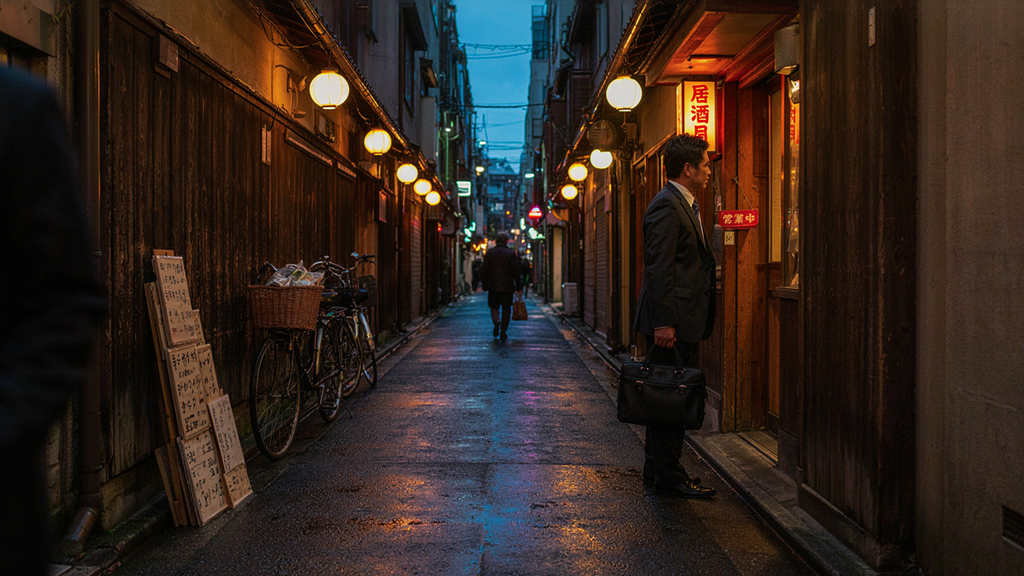
Shibuya is famous for its futuristic appearance, but small pockets of older Tokyo still remain.
Nonbei Yokocho is a narrow alleyway filled with tiny establishments and a much more intimate atmosphere than the major streets surrounding Shibuya Station.
The contrast is what makes the area interesting. Within minutes, you can move from enormous electronic screens and crowded intersections into a much quieter setting.
If you visit in the evening, remember that many small venues have limited seating and may be designed primarily for local customers.
See the Myth of Tomorrow Mural
Art lovers should look for the Myth of Tomorrow mural, a striking work by Japanese artist Taro Okamoto.
The artwork adds a cultural dimension to a neighborhood otherwise dominated by commercial buildings, advertisements, and modern architecture.
It is also an easy stop to combine with a wider walking tour of Shibuya, so you do not need to dedicate an entire afternoon to it.
Explore Shibuya Mark City
Shibuya Mark City is another convenient destination for shopping, food, and transport connections.
One interesting feature is the amount of activity taking place within the complex, including retail areas and food options.
It is especially useful when you want somewhere indoors to explore during rainy weather or when you need a break from walking through the busy streets.
Go Shopping in Shibuya
Shopping is one of the biggest attractions in Shibuya.
You can find everything from Japanese fashion and beauty products to electronics, character merchandise, cosmetics, accessories, and everyday items.
The neighborhood also has a mix of large commercial complexes and smaller independent stores. That means you can spend hours browsing without having to visit exactly the same type of shop.
If Japanese street fashion interests you, give yourself extra time because Shibuya’s fashion scene can be surprisingly extensive.
Window-Shop Along Omotesando
Although Omotesando is closely associated with Harajuku, it is easy to include it in a wider Shibuya itinerary.
The broad tree-lined avenue is known for its architecture, luxury boutiques, fashion stores, and stylish cafés.
You do not need to buy anything to enjoy the area. Walking along the avenue and looking at the distinctive storefronts can be an attraction in itself.
Visit the Don Quijote Store

For an entertaining shopping experience, stop by Don Quijote.
These stores are known for carrying an enormous variety of products under one roof, including snacks, cosmetics, souvenirs, household items, electronics, and Japanese novelty products.
The sheer variety makes browsing fun even if you arrive without a shopping list.
If you are buying snacks or souvenirs to take home, remember to check airline baggage restrictions and any import rules that apply to your destination.
Visit Meiji Shrine
For a complete change of atmosphere, make your way toward Meiji Shrine.
The shrine is surrounded by a large forested area that feels remarkably peaceful considering how close it is to some of Tokyo’s busiest neighborhoods.
Walking through the approach to the shrine offers a welcome break from Shibuya’s constant movement. It is also a good opportunity to experience an important part of traditional Japanese culture.
Dress respectfully and follow the posted rules when visiting the shrine grounds.
Take a Walk Through Yoyogi Park
Yoyogi Park is another excellent place to slow down.
The large green space provides room to walk, relax, and watch everyday Tokyo life away from the busiest commercial streets.
It can be particularly enjoyable when you have already spent several hours shopping and sightseeing and simply want some open space.
The park can also be combined naturally with a visit to Meiji Shrine because of their proximity.
Visit Sakuragaokacho During Cherry Blossom Season

If you visit Tokyo during spring, consider adding Sakuragaokacho to your walking route.
The area becomes particularly attractive when cherry blossoms are in season, making it a pleasant place for a slower stroll and photographs.
Cherry blossom conditions vary from year to year, so check the seasonal forecast before planning your visit around the flowers.
Try Japanese Wagyu Beef
Food lovers should make time for a proper Japanese beef experience.
Wagyu is famous for its rich marbling and tenderness, and Shibuya has plenty of restaurants where visitors can try different styles of Japanese beef dishes.
Prices can vary considerably, so check the menu before ordering. If you want a memorable meal, consider treating wagyu as a special dinner rather than simply another quick meal during your sightseeing day.
Join a Night Bar-Hopping Tour
When the sun goes down, Shibuya becomes one of Tokyo’s most energetic nightlife areas.
A guided bar-hopping experience can be a useful way to discover smaller venues and understand how Tokyo’s nightlife works, particularly if you are visiting Japan for the first time.
You may visit several different types of establishments during one evening, from casual bars to tiny local spots.
Always check the rules and pricing at each venue before ordering, especially when visiting smaller establishments.
Experience the Neon Lights of Center Gai
Shibuya Center Gai is one of the most recognizable streets in the neighborhood.
At night, the area becomes a wall of signs, lights, restaurants, shops, and crowds. It is an ideal place for travelers who want to experience the energetic side of modern Tokyo.
Take your time rather than simply passing through. Small side streets around the main area can reveal restaurants, cafés, bars, and shops that are easy to miss.
Explore Love Hotel Hill
The area known as Love Hotel Hill offers a glimpse into a distinctive part of Tokyo’s urban culture.
The neighborhood contains numerous themed accommodation options and has a noticeably different atmosphere from the mainstream hotels around Shibuya Station.
Even if you are not staying there, walking through the area can be an interesting way to see another side of the neighborhood.
As always, be respectful of residents, guests, and businesses when exploring.
Visit a Church-Themed Bar
For something unusual, look for one of Shibuya’s quirky themed bars.
Church-themed venues and other concept bars demonstrate Tokyo’s tendency to combine entertainment with imaginative interior design.
These places are generally more about the atmosphere and novelty than traditional sightseeing, making them a fun choice for an evening when you want something different.
Check opening hours and entry policies before visiting because smaller nightlife venues can change their schedules.
Sing Karaoke in Shibuya
Karaoke is one of the easiest ways to turn an ordinary evening into a memorable experience.
Rather than performing in front of a large audience, Japanese karaoke commonly involves private rooms where your group can sing together.
You can choose songs, order drinks or food, and stay for as long as your booking allows.
Even if you are not confident about singing, a private karaoke room means you can relax and enjoy the experience without worrying about strangers watching.
Try Pachinko
Pachinko is a distinctive Japanese entertainment experience that many international visitors find fascinating.
The machines combine elements of arcade-style entertainment and traditional Japanese gaming culture, creating a noisy and visually intense environment.
If you decide to visit a pachinko parlor, observe how the machines work before spending money and set a budget in advance.
The experience is best approached as a cultural curiosity rather than something to rely on for entertainment value.
Have Dinner at an Izakaya
An izakaya is an excellent choice when you want a casual Japanese meal in the evening.
These establishments typically offer a variety of small dishes, allowing groups to order several items and share them. Depending on the venue, menus can include grilled food, seafood, vegetables, noodles, rice dishes, and seasonal specialties.
Shibuya has many izakaya options, from modern restaurants to smaller neighborhood establishments.
If you are unsure what to order, asking the staff for recommendations can be a good way to try something new.
Enjoy Shibuya From Your Hotel at Night
After a long day of sightseeing, you do not always need another attraction.
One of the simplest ways to appreciate Shibuya is to return to your hotel, relax, and watch the city from above.
If your room has a view toward the station or surrounding streets, you can watch the movement of traffic and people while the neighborhood continues glowing late into the evening.
This is especially appealing after spending the day walking around the crossing, shopping streets, parks, restaurants, and cultural attractions.
Tips for Visiting Shibuya
Start Early
Shibuya can become extremely busy, so beginning your sightseeing earlier can make the first part of your day more comfortable.
Morning is also a good time to visit quieter attractions before moving toward the busier commercial areas.
Wear Comfortable Shoes
A Shibuya itinerary can involve considerably more walking than you might expect.
Comfortable shoes are particularly important if you plan to combine Shibuya with Harajuku, Meiji Shrine, Yoyogi Park, or Omotesando.
Plan Around the Weather
Tokyo’s weather can change with the season, and rain can make a walking-heavy itinerary less enjoyable.
Keep several indoor attractions—such as shopping centers, restaurants, cafés, and observation facilities—as backup options.
Reserve Popular Experiences
Some attractions and experiences can become busy, particularly observation decks, guided tours, and popular restaurants.
If there is one specific activity you definitely want to do, check availability and booking requirements before arriving.
Explore Beyond the Main Crossing
Shibuya Crossing is worth visiting, but it should not be your entire Shibuya itinerary.
Some of the neighborhood’s character can be found in its smaller streets, restaurants, parks, shops, murals, and side alleys.
Respect Local Etiquette
Japan is known for its organized public spaces, and visitors should make an effort to respect local customs.
Keep noise under control, follow signs, dispose of rubbish properly, and be considerate when photographing people or businesses.
Best Things to Do in Shibuya at a Glance
If you have limited time, prioritize your activities according to your interests:
For first-time visitors: Shibuya Crossing, Hachiko Statue, Shibuya Sky, Center Gai
For food lovers: Food tours, wagyu, izakaya dining
For culture: Meiji Shrine, Yoyogi Park, Myth of Tomorrow mural
For shopping: Shibuya Scramble Square, Shibuya Mark City, Don Quijote, Omotesando
For nightlife: Center Gai, karaoke, bar hopping, themed bars
For quieter experiences: Yoyogi Park, Meiji Shrine, Nonbei Yokocho
Frequently Asked Questions
What are the best things to do in Shibuya?
Some of the best things to do in Shibuya include visiting Shibuya Crossing, seeing the city from Shibuya Sky, visiting the Hachiko Statue, shopping, exploring Miyashita Park, trying Japanese food, and experiencing the neighborhood at night.
Is Shibuya worth visiting at night?
Yes. Shibuya is particularly lively after dark, when its neon signs, restaurants, bars, karaoke venues, and entertainment areas become active. Center Gai and the streets surrounding Shibuya Station are especially energetic in the evening.
How long should I spend in Shibuya?
A full day is enough to experience several major attractions, but staying into the evening gives you the opportunity to see how dramatically the neighborhood changes after sunset. Travelers with more time can easily spend a full day and night exploring the area.
Is Shibuya suitable for first-time visitors to Tokyo?
Yes. Shibuya is well connected and offers a combination of famous Tokyo attractions, shopping, food, culture, and nightlife. It is particularly convenient for travelers who want many different experiences within one neighborhood.
What should I not miss in Shibuya?
If it is your first visit, do not miss Shibuya Crossing, Shibuya Sky, the Hachiko Statue, Center Gai, and at least one Japanese dining experience. If you have additional time, add Meiji Shrine, Yoyogi Park, shopping, and one of Shibuya’s smaller side streets.
Final Thoughts
Shibuya is much more than the famous crossing shown in photographs of Tokyo. Its real appeal comes from the variety of experiences packed into a relatively small area.
You can begin your day with spectacular views from above, explore modern shopping complexes, walk through peaceful green spaces, discover Japanese culture, enjoy local food, and then return after dark to experience Shibuya’s neon-lit nightlife.
Whether you have one afternoon or an entire day and night, these 26 things to do in Shibuya give you plenty of ways to experience one of Tokyo’s most exciting neighborhoods.
The best approach is not to rush from attraction to attraction. Leave some room for spontaneous discoveries, because the small streets, restaurants, shops, and unexpected corners between the major sights are often what make a Shibuya visit memorable.
10 Stunning Hidden Gems to Discover in Japan Off the Beaten Path (2026)
6 Ethical Alternatives to Airbnb for Responsible Tourists in 2026