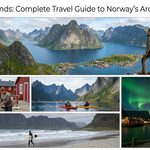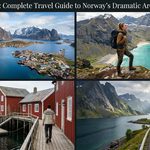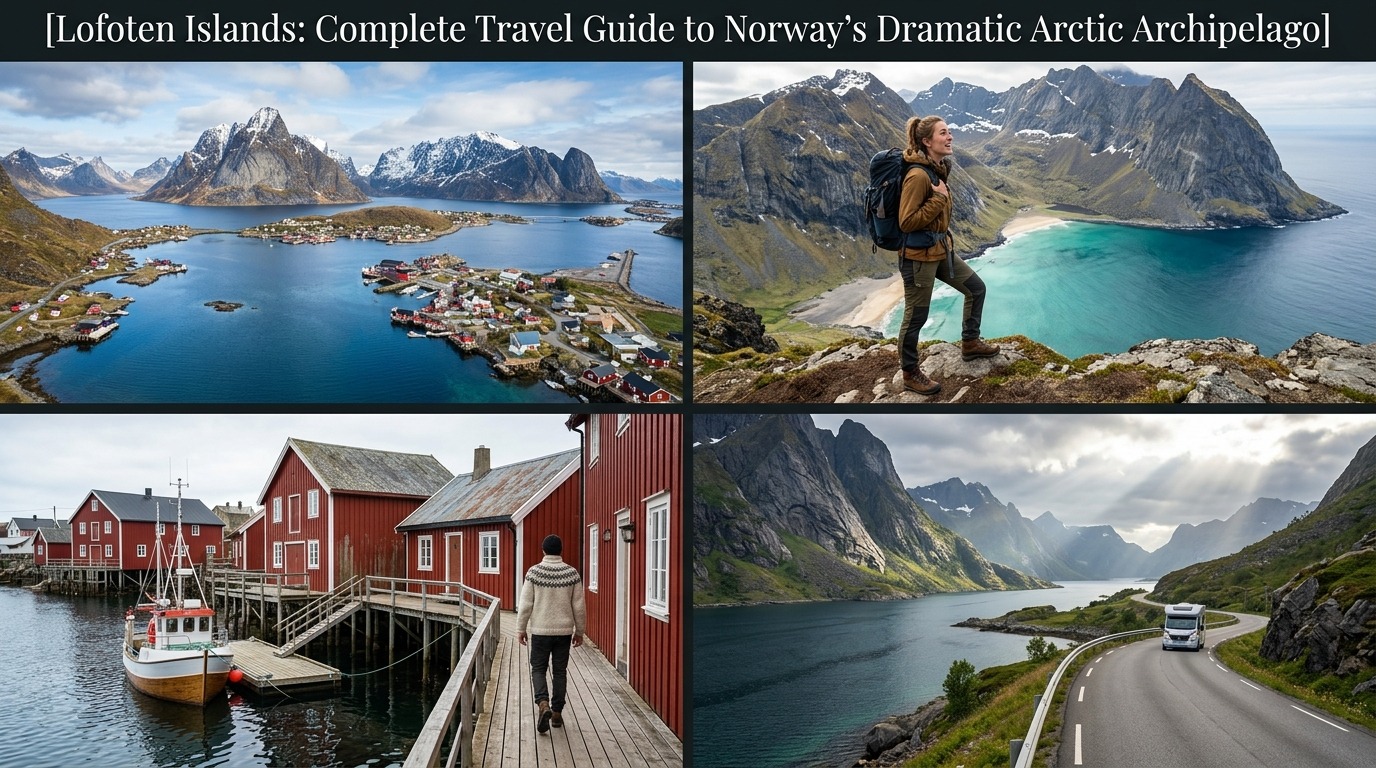
The Lofoten Islands are one of northern Norway’s most distinctive travel destinations, known for sharp mountain peaks, sheltered bays, fishing villages, white-sand beaches, and wide Arctic skies. Located above the Arctic Circle, this island chain combines dramatic natural scenery with a strong coastal culture that has developed around fishing for centuries. The landscape can change from quiet beaches to steep mountains within a short drive, making even ordinary journeys feel scenic.
A trip to the Lofoten Islands can be planned in many different ways. Some visitors come for hiking and photography, while others are drawn by the northern lights, midnight sun, traditional fishing cabins, surfing, kayaking, or the simple pleasure of driving between small coastal communities. Because weather and daylight vary greatly throughout the year, choosing the right season and leaving some flexibility in your itinerary can make a major difference. This guide explains what to see, where to stay, how to travel around, what activities to consider, and how to plan a practical Lofoten holiday.
Why Visit the Lofoten Islands?
The first thing you notice about the Lofoten Islands is the landscape. Mountains rise sharply from the sea, often appearing much larger than expected because the islands are relatively narrow. Small villages are tucked between peaks and water, with brightly painted buildings and traditional fishing cabins adding color to the scenery.
Lofoten is particularly appealing to travelers who prefer destinations where nature is central to the experience. You do not need to visit a large number of formal attractions to enjoy the region. A roadside viewpoint, quiet harbor, short walk, or unexpected beach can become one of the memorable parts of the journey.
The islands also offer a strong sense of place. Fishing remains an important part of local culture, and traditional stockfish production has shaped the history and identity of the area. In several communities, visitors can see old fishing structures alongside modern accommodation, restaurants, galleries, and outdoor-tourism businesses.
Another attraction is the changing light. During the summer season, long daylight hours allow visitors to hike, drive, photograph landscapes, and explore villages late into the evening. In winter, the landscape becomes darker and more atmospheric, with snow-covered mountains and the possibility of northern lights when conditions are favorable.
Lofoten is not necessarily the easiest destination for travelers who want predictable weather, short driving distances, and a highly structured resort experience. Roads can be winding, weather can change quickly, and popular accommodation can be limited. But for travelers willing to adapt, these characteristics are part of what makes the islands special.
Lofoten at a Glance
Lofoten is an archipelago rather than a single island. The main inhabited islands are connected by bridges, tunnels, roads, and ferry routes, making a road trip one of the most popular ways to experience the region.
The E10 is the principal road through much of the archipelago and is itself an important part of the journey. It passes through or near many of the places travelers want to visit, including Svolvær, Leknes, Reine, Hamnøy, and Å.
The distance between places can look short on a map, but driving times can be longer than expected because of road conditions, curves, traffic, weather, and stops. It is better to plan your itinerary around experiences rather than trying to cover every attraction in a single day.
Best Places to Visit in Lofoten
Lofoten contains many small communities, beaches, viewpoints, museums, and natural attractions. The best places to visit depend on how much time you have and whether your priority is hiking, photography, culture, beaches, or simply scenic driving.
Svolvær
Svolvær is the largest town in Lofoten and one of the most practical places to begin a trip. It has accommodation, restaurants, shops, galleries, tour operators, and transport connections.
The town sits beside the sea with mountains surrounding it, so you do not need to travel far to start enjoying the scenery. It can also work well as a base for boat trips and other excursions.
One of the most recognizable natural landmarks near Svolvær is Svolværgeita, a distinctive rock formation on a mountain above the town. Experienced climbers may approach it as a climbing objective, while other visitors can simply appreciate the formation from suitable viewpoints.
Henningsvær
Henningsvær is a small fishing village spread across several islands and connected by bridges. Its waterfront setting, traditional buildings, galleries, cafés, and fishing heritage make it a popular stop.
The village is especially well known for its unusual football field, positioned dramatically near the water. It has become one of the most photographed sports fields in Norway.
Because Henningsvær is compact, walking is one of the best ways to explore it. Give yourself time to look beyond the most photographed spots and notice the harbor, boats, wooden buildings, and everyday details of village life.
Leknes
Leknes is located on Vestvågøya and serves as an important commercial center for the surrounding area. It is less picturesque in the traditional postcard sense than places such as Reine, but it can be very useful for travelers.
The area around Leknes provides access to several beaches and outdoor attractions. It is also a practical place to buy groceries and supplies, particularly if you are staying in a cabin or apartment and plan to cook.
Reine
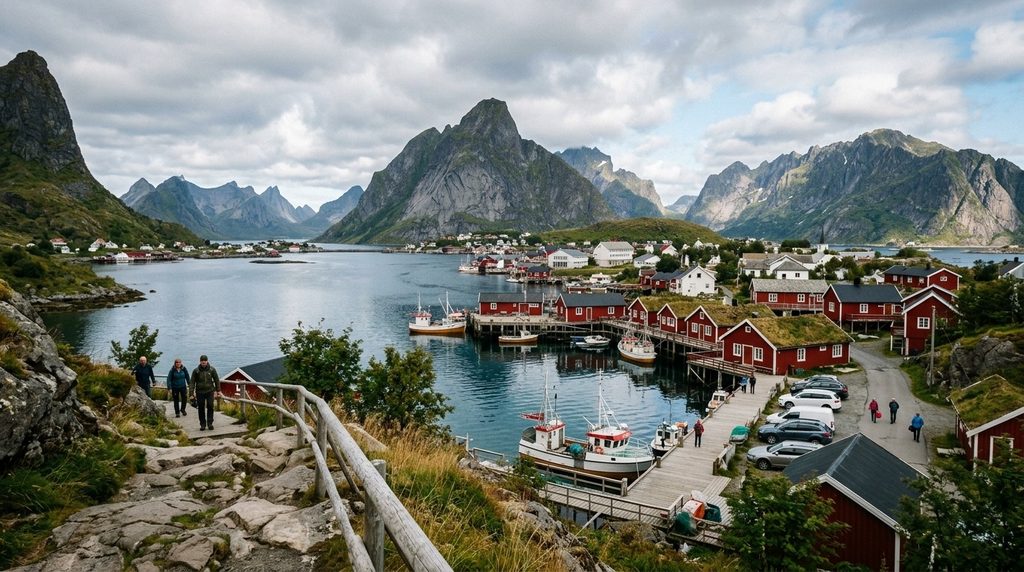
Reine is arguably one of the most recognizable villages in Lofoten. Red fishing cabins, calm water, and steep mountains create the dramatic setting that appears in many photographs of the archipelago.
The village is located on Moskenesøya and is close to several important hiking and sightseeing locations. It is a beautiful place to stay, although its popularity means accommodation can be limited during busy periods.
Walking around the harbor and surrounding roads is worthwhile even if you are not planning a major hike. The scenery changes with weather and light, so returning at a different time of day can reveal a completely different atmosphere.
Hamnøy
Hamnøy is another iconic location near Reine. Traditional red cabins stand close to the water with steep mountains rising behind them.
The area is small, so visitors should be mindful of residents, accommodation guests, traffic, and private property when taking photographs. Some of the most recognizable views are seen from roadside areas and bridges.
Å
Å sits at the southern end of the main E10 route through Lofoten and is one of the most interesting places for travelers interested in fishing heritage.
The village has preserved elements of its traditional fishing environment, and visitors can learn about the history of fishing and life in the islands through local museums and historic buildings.
Reaching Å can feel like a natural conclusion to a Lofoten road trip because the road effectively ends here. Rather than rushing through, allow time to walk around and understand the village’s relationship with the surrounding sea.
Beaches and Natural Landscapes in Lofoten

One of the most surprising aspects of the Lofoten Islands is the variety of beaches. Despite the Arctic location, several beaches have pale sand and clear blue or turquoise-looking water.
Haukland Beach is among the best-known beaches and is easily accessible compared with some more remote coastal locations. It is surrounded by mountains and provides excellent scenery even when swimming is not on your itinerary.
Uttakleiv Beach is another popular coastal destination, particularly among photographers. Its rounded rocks, ocean views, and surrounding mountains give the area a distinctive character.
Kvalvika Beach requires a hike and is therefore more of an outdoor experience than a simple roadside beach stop. The walk provides views of rugged coastal terrain before reaching the sandy shoreline.
Beach Safety
The appearance of Lofoten’s beaches can sometimes create a misleading impression of tropical conditions. The water remains cold, and weather can change quickly.
Swimming should be approached carefully, particularly if you are unfamiliar with cold-water conditions. Strong winds, waves, currents, and low temperatures can create risks even on beautiful sunny days.
Visitors should also avoid climbing unstable rocks simply to take photographs. The best image is never worth an unnecessary risk.
Scenic Landscapes Beyond the Beaches
Lofoten is much more than beaches. The interior and coastline contain mountains, valleys, wetlands, rocky shores, lakes, and small agricultural areas.
Some landscapes are easy to appreciate from the road. Others require a short walk or longer hike. This makes Lofoten suitable for travelers with different levels of outdoor experience.
The weather itself also becomes part of the scenery. Mountains may disappear behind clouds and then reappear in sunlight minutes later. Rain can create mist around the peaks, while low evening light can dramatically change the colors of the landscape.
For this reason, do not assume that a cloudy day has ruined your sightseeing plans. In Lofoten, changing weather can produce some of the most interesting conditions for photography and landscape viewing.
Best Time to Visit the Lofoten Islands
The best time to visit Lofoten depends heavily on what you want to experience. Summer is the most convenient season for many first-time visitors because of the long daylight hours and generally favorable conditions for outdoor activities.
The midnight sun is one of the region’s major attractions. During the appropriate period around summer, the sun remains above the horizon for an extended period, creating unusually long days and soft light late into the evening.
Winter offers a completely different experience. Snow can cover the mountains and villages, while the long dark hours provide opportunities to see the northern lights when solar and weather conditions cooperate.
Autumn and spring can be quieter, but weather conditions may be more variable and some services or activities may operate on reduced schedules.
| Season | Main Attractions | Best For | Important Considerations |
| Summer | Long daylight, hiking, beaches, road trips | First-time visitors and outdoor activities | Higher accommodation demand |
| Early Autumn | Changing landscapes and fewer visitors | Photography and quieter travel | Weather can become unpredictable |
| Winter | Snowy scenery and northern lights | Aurora trips and winter atmosphere | Short daylight and colder conditions |
| Spring | Quieter communities and changing landscapes | Flexible travelers | Conditions vary considerably |
Summer in Lofoten
Summer is the busiest travel period. Roads, hiking trails, beaches, and accommodation can be more crowded than during other seasons.
The advantage is that daylight gives you enormous flexibility. You can begin a hike late in the day, visit a beach in the evening, or drive long distances without worrying about darkness.
However, long daylight can also make it easy to underestimate how much rest you need. A sensible itinerary still includes breaks rather than filling every available hour with activities.
Winter in Lofoten
Winter requires more preparation. Snow, ice, wind, and limited daylight can affect roads and outdoor activities.
The reward is a completely different landscape. Snow-covered mountains contrast with dark water, while small villages become especially atmospheric during the darker hours.
If your primary goal is the northern lights, remember that they depend on several factors. A clear sky and sufficient darkness are necessary, but even then, aurora activity is not guaranteed.
Shoulder Seasons
Spring and autumn can be appealing to travelers who prefer fewer visitors and more peaceful surroundings. They can also offer attractive photographic conditions.
The trade-off is that weather and access can be less predictable. Always check current road conditions, trail information, ferry schedules, and accommodation availability before traveling during transitional seasons.
How to Get to the Lofoten Islands
Getting to Lofoten usually involves a combination of air, road, and sea transportation. Your best route depends on where you are coming from and which part of the archipelago you want to explore.
Flying to Lofoten
Lofoten has airports serving Svolvær and Leknes, while Bodø is an important gateway for travelers continuing by ferry or other transport.
Flying can save time, particularly if you are traveling from elsewhere in Norway. However, if you plan to rent a car and explore extensively, compare flight times and rental-car arrangements before choosing your route.
Traveling via Bodø
Bodø is an important transport point for journeys toward Lofoten. From there, travelers can use ferry connections or other transport options depending on the route and current schedule.
Ferry travel can be a memorable part of the trip, particularly when the weather is good and the surrounding coastal landscape is visible.
Schedules can change seasonally, so never build an important connection around an old timetable. Check current information close to your travel date.
Driving to Lofoten
Driving can be a good option for travelers already exploring northern Norway. The journey itself can become part of the adventure.
The E10 provides the main road route through much of Lofoten. It connects many of the region’s most visited communities and scenic areas.
However, driving times should be calculated realistically. Stops for viewpoints, photographs, food, ferries, traffic, and weather can add considerably to the time shown by a basic navigation app.
Transport Planning Table
| Travel Method | Best For | Advantages | Things to Check |
| Flight to Svolvær | Northern Lofoten | Saves time | Flight schedules and rental cars |
| Flight to Leknes | Central Lofoten | Convenient access to beaches and villages | Seasonal connections |
| Ferry | Scenic arrival | Enjoyable sea journey | Current timetable and weather |
| Rental car | Road trips | Maximum flexibility | Rental availability and driving conditions |
| Bus | Travelers without cars | Useful along main routes | Frequency and route coverage |
Getting Around the Lofoten Islands

For many visitors, a rental car is the easiest way to explore Lofoten. It allows you to stop when you see an interesting viewpoint, change plans because of weather, and reach areas that may be difficult to access by public transport.
However, driving in Lofoten requires patience. Roads can be narrow, winding, and busy during the high season. Some stretches have limited places to pull over.
Never stop in the middle of a road simply to take a photograph. Use designated parking areas or safe places where stopping is permitted.
Public Transportation
Buses connect many communities, but services may not operate as frequently as travelers from large cities expect.
Public transportation can work well if you plan around fixed routes and schedules. It is less suitable for spontaneous sightseeing in remote areas.
If you are traveling without a car, choose accommodation carefully. Staying near a bus route, grocery store, or central village can make the trip much easier.
Cycling
Cycling can be an excellent way to experience the islands at a slower pace. The scenery is rewarding, but cyclists should be prepared for hills, wind, rain, and changing temperatures.
Road awareness is essential because some routes can become busy with tourist vehicles during summer.
Ferries and Boats
Some parts of the region are connected by ferries, while sightseeing and activity operators offer boat trips during suitable seasons.
Always check whether a ferry requires advance booking and whether vehicle reservations are necessary. A missed connection can have a bigger effect on an island itinerary than it would on a mainland road trip.
Hiking and Outdoor Activities in Lofoten
Lofoten is particularly famous among outdoor travelers because mountains and coastlines are packed into a relatively small area. Hiking trails range from short walks to demanding mountain routes.
You do not have to be an experienced mountaineer to enjoy the outdoors here. Several viewpoints and walks can be approached without undertaking an extreme climb.
Reinebringen
Reinebringen is one of Lofoten’s best-known hikes because of its view over Reine and the surrounding mountains and water.
The trail has steep sections and should not be treated as a casual stroll. Conditions, crowding, and trail management can affect the experience, so check current local guidance before starting.
Wear proper footwear and avoid rushing simply to reach the viewpoint quickly.
Kvalvika Beach
The hike to Kvalvika Beach is another popular outdoor experience. The route leads through rugged terrain toward a remote-feeling sandy beach.
Weather can make the trail considerably more difficult. Rain can create slippery surfaces, and wind can make exposed areas uncomfortable.
Other Outdoor Activities
Hiking is only one part of the outdoor experience. Depending on season and local operators, travelers may also consider:
- Kayaking
- Fishing
- Surfing
- Diving
- Boat tours
- Sea eagle excursions
- Photography
- Cycling
- Winter activities
- Wildlife watching
Activity availability varies by season and weather, so check current operator information before building your itinerary around a specific excursion.
Hiking Responsibly
Lofoten’s popularity creates pressure on trails and local communities. Responsible travel matters.
Stay on marked or appropriate routes where required, take rubbish with you, avoid damaging vegetation, and respect private land.
Do not enter buildings or camp in areas where it is prohibited. If you are unsure whether an area is private, look for local signs and follow official guidance.
Good outdoor behavior protects the landscape and helps maintain positive relationships between visitors and residents.
Where to Stay in the Lofoten Islands
Choosing where to stay can shape your entire Lofoten trip. Because the archipelago stretches across several islands, there is no single location that is ideal for everyone.
Svolvær
Svolvær is a practical base for travelers who want restaurants, shops, transport, and organized activities nearby.
It can work particularly well for shorter visits or travelers who prefer having plenty of services within easy reach.
Leknes and Vestvågøya
Leknes is useful for travelers exploring central Lofoten. The surrounding area provides access to beaches and scenic locations, while the town offers everyday services and shopping.
It can be a practical compromise between convenience and access to nature.
Reine and Hamnøy
Staying around Reine or Hamnøy provides an exceptionally scenic environment. Traditional fishing cabins, known as rorbu, are an important part of the accommodation experience in the region.
The scenery comes with a practical consideration: popular accommodation can book quickly, particularly during summer.
Rorbu Accommodation
A rorbu is traditionally associated with fishermen and has become one of Lofoten’s characteristic accommodation options.
Modern rorbuer can vary considerably. Some are simple cabins, while others have kitchens, living areas, bedrooms, and modern facilities.
Staying in one can be a good option for travelers who want more space or prefer preparing some meals themselves.
Choosing the Right Area
| Area | Good For | Accommodation Style | Overall Character |
| Svolvær | First-time visitors and activities | Hotels, apartments, cabins | More developed |
| Henningsvær | Village atmosphere | Guesthouses, cabins, apartments | Historic and lively |
| Leknes | Central location and practical needs | Hotels, apartments, cabins | Convenient |
| Reine | Scenery and photography | Rorbuer, guesthouses | Dramatic and peaceful |
| Hamnøy | Iconic landscapes | Traditional cabins | Small and scenic |
| Å | Fishing heritage | Guesthouses and cabins | Historic and remote-feeling |
When booking, look beyond photographs. Check parking, kitchen facilities, cancellation conditions, heating, distance to shops, and whether the property is directly accessible by road.
A beautiful remote cabin can be wonderful, but it may not be convenient if you need groceries every day or are traveling without a car.
Food, Culture, and Local Experiences
Food in Lofoten reflects the islands’ close relationship with the sea. Fishing has shaped local life for generations, and seafood remains an important part of the regional food culture.
Stockfish is particularly associated with Lofoten. It is traditionally produced by drying cod in the open air, creating a product with deep historical importance to the region.
Visitors can also find fresh fish, seafood dishes, Norwegian comfort food, baked goods, and modern interpretations of local ingredients.
Eating in Lofoten
Restaurants are concentrated in larger settlements and tourist areas. Smaller villages may have fewer choices, especially outside the main season.
If you are staying in a cabin with a kitchen, buying groceries and preparing some meals can be useful. This can also provide more flexibility when restaurant opening hours are limited.
Do not assume that every small village will have a supermarket open late. Plan grocery shopping around your driving route and accommodation location.
Fishing Heritage
The fishing industry is not simply a theme for tourists. It is part of the region’s identity and history.
Traditional fishing villages, drying racks, boats, warehouses, and historic buildings help explain how people adapted to the Arctic environment.
Museums and local cultural sites can add valuable context to the scenery. They help visitors understand why the landscape looks the way it does and why fishing remains so closely connected to the islands.
Christopher Columbus Connection
Lofoten also has historical connections to European exploration narratives through stories surrounding Christopher Columbus and northern journeys. However, claims about historical visits and early transatlantic contact can be complicated and should be approached carefully rather than repeated as simple fact.
For travelers interested in history, local museums and authoritative historical sources are a better way to explore these stories than relying only on social media posts or travel captions.
Local Etiquette
Norwegian society generally places importance on personal space, environmental responsibility, and respect for private property.
Visitors should keep noise reasonable, particularly around residential areas and accommodation.
When photographing traditional houses or people, remember that a beautiful travel destination is also someone’s home and workplace.
Northern Lights, Midnight Sun, and Wildlife
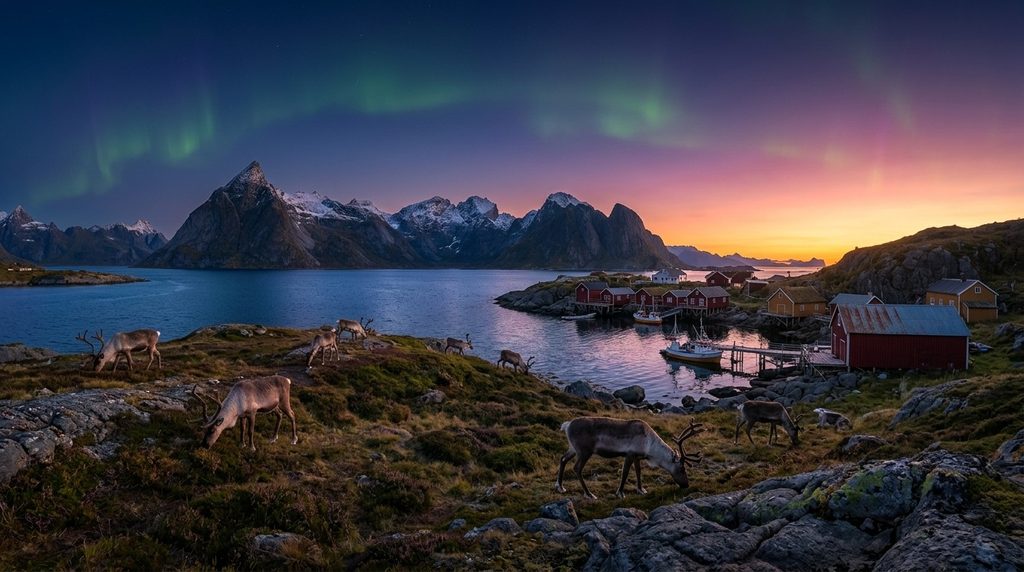
Lofoten’s location above the Arctic Circle makes it particularly interesting for travelers who want to experience unusual natural light.
The midnight sun and northern lights are almost opposite seasonal experiences, and choosing between them can be one of the biggest decisions when planning your trip.
Northern Lights
The northern lights, or aurora borealis, can appear in Lofoten during the darker months when conditions are suitable.
Seeing them depends on several factors. Solar activity needs to be strong enough, skies need to be sufficiently clear, and darkness is necessary for visibility.
A strong forecast does not guarantee a sighting. Clouds can hide the aurora, and atmospheric conditions can change.
If seeing the northern lights is a major reason for your trip, staying several nights gives you more opportunities than visiting for only one evening.
Avoid driving quickly between multiple locations at night simply because an aurora alert appears. Road safety should always come first.
Midnight Sun
The midnight sun creates almost endless daylight around the summer period.
This can completely change how you experience Lofoten. A hike that would normally need to be completed during daylight can potentially be started much later, and beaches can be visited late in the evening without darkness.
Photographers particularly appreciate the soft light that can occur during late hours.
Wildlife
The waters around Lofoten support marine life, while seabirds are common along the coast.
Depending on season and location, visitors may encounter opportunities for wildlife watching and marine excursions.
Wildlife should always be observed from a respectful distance. Avoid approaching animals closely or encouraging them to interact with people for photographs.
Practical Tips for Planning a Lofoten Trip
Lofoten is a destination where practical preparation can make your holiday considerably easier.
Pack for Changing Weather
Do not pack only according to the average temperature. Weather can change quickly, and wind can make conditions feel much colder.
Useful items include:
- Waterproof outer layer
- Warm layers
- Comfortable hiking shoes
- Gloves for cooler seasons
- Hat or warm head covering
- Sun protection
- Sunglasses
- Reusable water bottle
- Small daypack
- Power bank
- Basic first-aid supplies
The exact clothing list should depend on the season and activities you plan to undertake.
Book Accommodation Early
Summer is popular, and accommodation in highly photographed locations can be limited.
If you have your heart set on a specific rorbu, hotel, or village, reserve early rather than assuming you will find something at the last minute.
Winter accommodation can also become busy around periods when northern lights travel is particularly popular.
Plan Around Weather
A rigid itinerary can become frustrating in Lofoten.
If your schedule allows, keep one or two flexible periods for hiking, photography, or scenic driving. If rain covers the mountains on one day, you may be able to switch your plans and explore a museum, village, café, or sheltered area instead.
Download Useful Information
Mobile coverage can vary, especially in remote areas. It is sensible to have important accommodation details, maps, transport information, and emergency contacts available offline.
Do not rely completely on an internet connection while hiking.
Respect Parking Rules
Parking is a significant issue in popular parts of Lofoten. A scenic roadside location may look like an ideal place to stop, but parking incorrectly can obstruct traffic or create problems for residents.
Use designated parking areas wherever possible.
Travel Responsibly
Lofoten is a fragile destination that receives substantial visitor numbers relative to the size of its communities.
Simple actions help:
- Take rubbish with you.
- Use toilets where available.
- Respect private property.
- Follow trail guidance.
- Avoid damaging vegetation.
- Keep noise down near homes.
- Park responsibly.
- Follow local camping rules.
- Leave natural objects where you find them.
Responsible tourism is not just about protecting scenery. It also helps preserve the quality of life of the people who live in Lofoten year-round.
How Long to Stay in the Lofoten Islands
The ideal length of a Lofoten trip depends on your travel style, but rushing through the archipelago can make the experience less enjoyable.
Two to Three Days
A short trip can work if you focus on one part of Lofoten.
You might stay in Svolvær or another convenient base, explore nearby villages, visit a beach, and take a scenic drive.
However, a short stay leaves little room for weather changes.
Four to Five Days
Four or five days gives you more breathing room. You can explore several villages, include one or two hikes, visit beaches, and spend time enjoying local food.
This is a reasonable length for travelers who want a first introduction without trying to see every corner.
Seven Days or More
A week allows you to slow down. You can divide your accommodation between different parts of the archipelago or choose one base and make day trips.
Longer stays are especially useful for photographers and outdoor enthusiasts because weather conditions may prevent you from doing a planned activity on a particular day.
If the northern lights are your priority, extra nights also increase your opportunities.
Sample Seven-Day Approach
A flexible week might look something like this:
Day 1: Arrive, settle into accommodation, and explore the nearby area.
Day 2: Explore Svolvær or Henningsvær and take a local excursion if conditions are suitable.
Day 3: Visit central Lofoten, including beaches and scenic viewpoints.
Day 4: Allow time for a hike or outdoor activity.
Day 5: Travel toward Reine and Hamnøy, stopping at scenic locations along the way.
Day 6: Explore Reine, Å, and nearby coastal areas.
Day 7: Keep the day flexible for weather, photography, another hike, or your onward journey.
This should not be treated as a fixed schedule. Lofoten works better when the itinerary can change according to weather, road conditions, and your energy level.
FAQs
What are the Lofoten Islands famous for?
The Lofoten Islands are famous for dramatic mountains, fishing villages, traditional rorbu cabins, Arctic beaches, scenic roads, hiking opportunities, the midnight sun, and northern lights.
What is the best month to visit the Lofoten Islands?
Summer is popular for hiking, beaches, road trips, and long daylight hours. Winter is better suited to travelers interested in snowy scenery and potentially seeing the northern lights.
How many days do you need in the Lofoten Islands?
Four to seven days is a useful range for exploring Lofoten without rushing. A longer stay gives you greater flexibility for weather changes and outdoor activities.
Can you see the northern lights in Lofoten?
Yes, the northern lights can be visible during the darker months when solar activity, darkness, and weather conditions are suitable. However, an aurora sighting can never be guaranteed.
Is Lofoten expensive to visit?
Lofoten can be expensive, particularly for accommodation, transportation, and restaurant meals. Booking ahead and using self-catering accommodation can help travelers control costs.
Conclusion:
The Lofoten Islands offer an unusual combination of dramatic Arctic scenery, traditional fishing communities, beautiful beaches, outdoor adventure, and changing natural light. The destination can be active or peaceful depending on how you plan your days. You might spend one morning hiking above a village, an afternoon exploring a fishing harbor, and an evening watching the light change across the mountains. That variety is one of the strongest reasons to include Lofoten on a northern Norway itinerary.
The best Lofoten trips are not necessarily the ones with the longest list of attractions. Allowing time for weather changes, scenic stops, local food, quiet villages, and unexpected viewpoints can make the journey much more rewarding. With suitable clothing, sensible transport planning, responsible outdoor habits, and enough flexibility in your schedule, the Lofoten Islands can provide a memorable Arctic experience without feeling rushed.
Read more:Porto Santo: A Complete Travel Guide to Madeira’s Golden Island