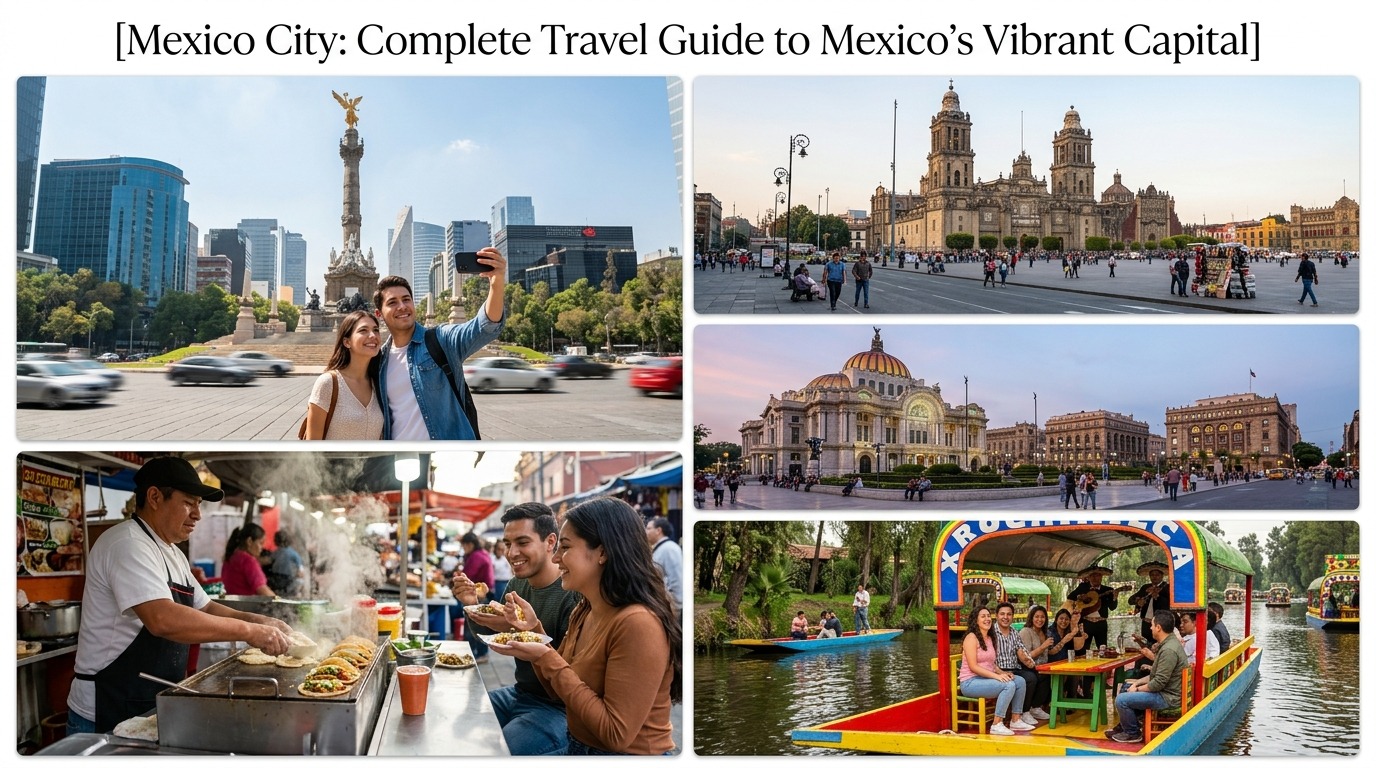
Mexico City is a fascinating destination where ancient history, colorful neighborhoods, impressive architecture, world-class museums, and unforgettable food come together. As the capital of Mexico, it offers far more than a collection of famous attractions. The city reveals different sides of itself through its historic plazas, lively markets, elegant avenues, leafy neighborhoods, cultural institutions, and everyday street life. From the ancient remains of Templo Mayor to the creative streets of Roma and Condesa, there is always another part of the city to discover.
Planning a trip to Mexico City can seem challenging because of its enormous size and the sheer number of things to do. The key is not trying to see everything at once. A well-planned itinerary that groups attractions by neighborhood can save time and leave you with more opportunities to enjoy local food, museums, parks, architecture, and relaxed walks. Whether you are visiting for a weekend or spending a full week exploring Mexico’s capital, a little preparation can make the experience much smoother.
Why Visit Mexico City?
Mexico City appeals to travelers with many different interests. History enthusiasts can explore archaeological sites, colonial buildings, churches, and historic neighborhoods. Art lovers have an impressive selection of museums, galleries, cultural centers, and famous collections. Food travelers can spend days exploring traditional markets, taco stands, bakeries, cafés, and restaurants representing both classic and contemporary Mexican cuisine.
One of the city’s biggest attractions is its variety. You might spend your morning exploring an ancient archaeological site, have lunch at a neighborhood restaurant, visit an art museum in the afternoon, and finish the evening with tacos or a relaxed walk through a lively plaza.
The city also works well for travelers who enjoy independent exploration. Instead of moving from one major attraction to another all day, you can choose a neighborhood and simply experience it at a slower pace.
A City With Many Layers
Mexico City was built on the site of the ancient Mexica city of Tenochtitlan. Centuries of history have shaped the modern capital, creating an unusual mixture of archaeological remains, Spanish colonial architecture, nineteenth-century buildings, modern developments, and contemporary creative spaces.
That history is not confined to museums. It can be seen in streets, plazas, churches, markets, monuments, and even in the layout of different parts of the city.
Who Will Enjoy Mexico City?
The destination works particularly well for travelers who enjoy culture and urban exploration. It can suit couples, families, solo travelers, food lovers, photographers, history enthusiasts, and visitors interested in Mexican art and traditions.
It is also a good destination for travelers who prefer a trip built around experiences rather than simply visiting a checklist of landmarks.
Best Places to Visit in Mexico City
Mexico City is enormous, and each neighborhood has its own atmosphere. Choosing a few areas to explore each day is much more practical than trying to cross the entire city repeatedly.
Centro Histórico
The Historic Center is one of the most important areas for first-time visitors. The Zócalo, Metropolitan Cathedral, Palacio Nacional, Templo Mayor, Alameda Central, and Palacio de Bellas Artes are among the major attractions found in or around this part of the city.
Walking through the area is just as interesting as visiting individual landmarks. Historic façades, small plazas, shops, cafés, churches, and markets create a sense of continuity between the city’s past and present.
Chapultepec
Bosque de Chapultepec is one of the city’s most important green spaces. It provides room to walk, relax, and visit major cultural attractions.
The area is particularly useful for travelers who want to combine outdoor time with museums in a single day.
Coyoacán
Coyoacán has a slower and more traditional feel than some of the city’s busier central districts. Its plazas, colorful streets, cafés, markets, and cultural attractions make it a popular place to spend an afternoon.
The Frida Kahlo Museum, also known as Casa Azul, is one of its most famous attractions. Travelers interested in visiting should check ticket availability in advance.
Roma and Condesa
Roma and Condesa are popular for their tree-lined streets, architecture, cafés, restaurants, independent shops, galleries, and relaxed atmosphere.
These neighborhoods are excellent for travelers who enjoy exploring on foot. You can combine sightseeing with coffee stops, lunch, shopping, and evening dining without constantly relying on transportation.
Polanco
Polanco offers a more polished atmosphere, with upscale shopping, restaurants, museums, galleries, and hotels. It is also close to several major cultural attractions.
Xochimilco
Xochimilco is known for its historic canals and colorful trajineras. It feels very different from central Mexico City and deserves enough time to be enjoyed without rushing.
| Area | Main Attractions and Experiences | Ideal Visit |
| Centro Histórico | Zócalo, Templo Mayor, Cathedral, historic buildings | Half or full day |
| Chapultepec | Park, museums, cultural attractions | Half or full day |
| Coyoacán | Casa Azul, plazas, markets, cafés | Half day |
| Roma | Architecture, restaurants, cafés, galleries | Half day |
| Condesa | Parks, cafés, dining, walking | Half day |
| Polanco | Museums, shopping, restaurants | Half day |
| Xochimilco | Canals and trajineras | Half day |
Museums, History, and Mexican Culture
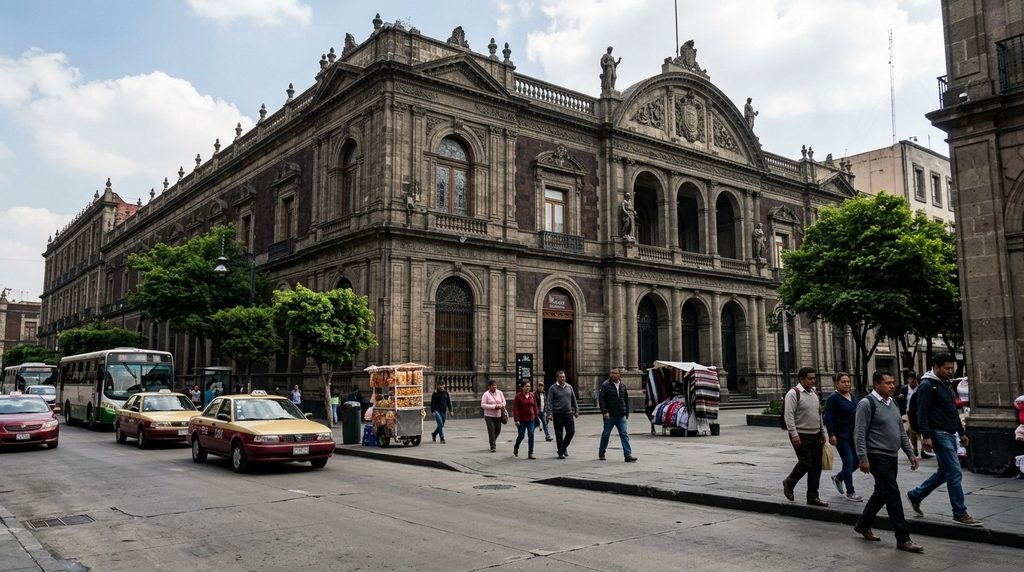
Mexico City is one of the strongest destinations in the country for travelers interested in museums and cultural history. Its institutions cover archaeology, anthropology, Mexican art, modern history, design, and many other subjects.
You do not need to visit every museum to appreciate the city’s cultural side. Choosing a few that match your interests will give you a more enjoyable experience.
National Museum of Anthropology
The National Museum of Anthropology is one of the most important cultural attractions in Mexico City. Its collections help visitors understand the country’s Indigenous civilizations and the diverse cultures that developed across Mexico.
Allow several hours if you want to explore the museum properly rather than simply walking through its most famous rooms.
Templo Mayor
Templo Mayor provides a direct connection to the ancient Mexica capital of Tenochtitlan. Archaeological remains and museum exhibits help explain the importance of the site and the history beneath today’s modern city.
Its location near the Zócalo makes it easy to combine with other Historic Center attractions.
Palacio de Bellas Artes
The Palacio de Bellas Artes is both an architectural landmark and an important cultural venue. Its interior contains significant works of Mexican art, while its distinctive exterior makes it one of the city’s most recognizable buildings.
It sits beside Alameda Central, making the area convenient for a combined cultural and walking itinerary.
Frida Kahlo Museum
Casa Azul in Coyoacán is closely associated with artist Frida Kahlo. The museum attracts visitors interested in her life, work, and connection to Mexican culture.
Because tickets can be in demand, advance planning is recommended.
Museo Soumaya
Located in Polanco, Museo Soumaya has an extensive art collection displayed in a striking contemporary building. It can be combined with other museums, restaurants, and attractions in the neighborhood.
Making Time for Museums
Avoid filling one day with too many museums. Exhibitions often require more time than travelers expect, especially when you stop to read information and appreciate individual works.
A good approach is to combine one major museum with outdoor sightseeing, food, or neighborhood exploration.
Best Time to Visit Mexico City
Mexico City’s high elevation influences its weather, and conditions can vary throughout the day. Mornings and evenings can feel cooler than expected, while afternoons may be comfortable for walking.
There is no single perfect month for every traveler. The best time depends on whether you prioritize comfortable sightseeing, seasonal events, fewer crowds, or specific activities.
Spring
Spring can be a pleasant period for exploring neighborhoods, museums, parks, and outdoor attractions. Comfortable daytime conditions make it suitable for walking-heavy itineraries.
Summer
Summer generally brings more rain. Showers may affect outdoor plans, so keeping some flexibility in your schedule is useful.
An umbrella or light rain jacket can be helpful, particularly if you plan to spend long periods outside.
Autumn
Autumn can be a comfortable period for exploring the capital. It works particularly well for travelers who want to combine walking tours, museums, restaurants, and cultural attractions.
Winter
Winter can bring cooler mornings and evenings while daytime conditions may remain pleasant. Layered clothing is usually more practical than relying on heavy winter clothing throughout the day.
| Season | Travel Conditions | Useful Packing |
| Spring | Generally comfortable for sightseeing | Light layers, walking shoes |
| Summer | Wetter with possible rain | Light rain jacket, umbrella |
| Autumn | Good for walking and cultural activities | Layers, light jacket |
| Winter | Cooler mornings and evenings | Sweater or jacket, comfortable shoes |
Weather can vary, so check a reliable forecast shortly before your trip instead of relying only on seasonal expectations.
How to Get to Mexico City
Mexico City is one of the major transportation hubs in Mexico, with extensive international and domestic connections.
Most international visitors arrive by air, while travelers coming from other Mexican destinations may arrive by plane or long-distance bus.
Mexico City International Airport
Mexico City International Airport serves many domestic and international routes. Before arrival, check which terminal you will use because the airport has more than one terminal.
Your choice of transportation from the airport should also take your accommodation into account. A route that looks short on a map can take much longer during heavy traffic.
Getting From the Airport
Public transportation can be a practical option for travelers who are comfortable navigating a large urban network and whose accommodation is conveniently connected.
Taxis and app-based transportation can be easier if you have luggage, arrive late, or prefer a direct journey to your accommodation.
Keep your hotel address available offline so you can access it even if your mobile connection is unreliable.
Arriving by Bus
Long-distance buses connect Mexico City with many other destinations in Mexico. Several major bus terminals serve different directions, so check your arrival terminal carefully before planning your onward journey.
If you are traveling by bus, allow extra time for city traffic when connecting with flights or other reservations.
Getting Around Mexico City
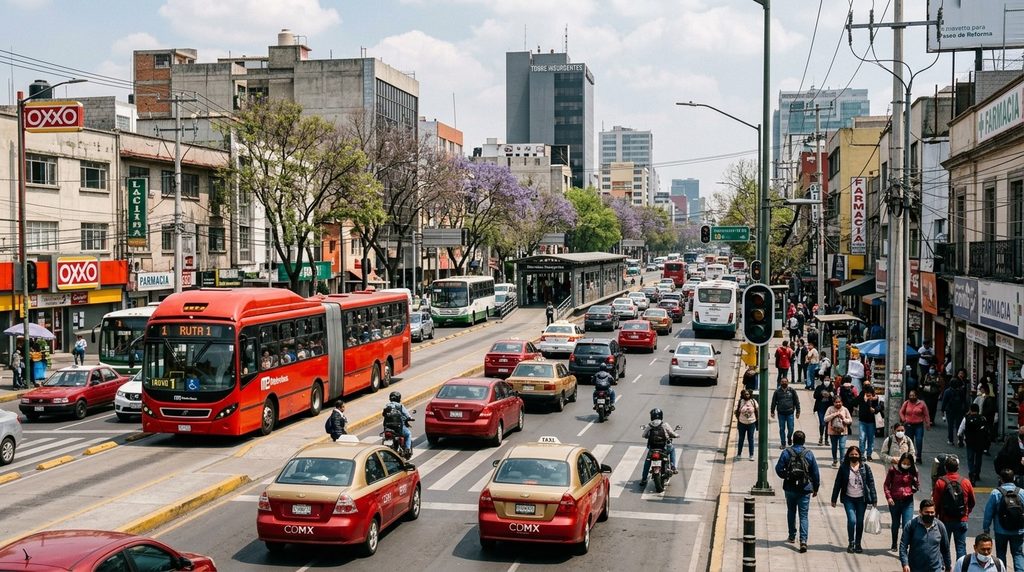
Transportation can have a major impact on how much you enjoy Mexico City. The city’s large size means that choosing the right transportation for each journey is important.
The Metro, Metrobús, buses, taxis, and app-based transportation all have their uses.
Mexico City Metro
The Metro is one of the most practical ways to move through many parts of the capital. It can be much faster than traveling by car during heavy traffic.
However, trains and stations can become extremely crowded, especially during commuting hours. Travelers should keep phones, wallets, passports, and other valuables secure.
Metrobús and Other Public Transport
Metrobús services can be useful for routes not covered conveniently by the Metro. Depending on your itinerary, combining different forms of public transportation can make getting around easier.
Before leaving your accommodation, check your route and allow extra time for transfers.
Walking Around Neighborhoods
Walking is one of the best ways to experience areas such as Roma, Condesa, Coyoacán, and parts of the Historic Center.
Wear comfortable shoes and remember that Mexico City’s elevation can make long walks more tiring than expected.
Ride-Hailing Services
App-based rides can be useful when traveling at night, carrying luggage, or crossing areas where public transportation involves several transfers.
Whichever transportation option you use, keep your belongings secure and remain aware of your surroundings.
Where to Stay in Mexico City
The best neighborhood to stay in depends on your travel style and the attractions you want to visit.
Choosing accommodation based only on the lowest price can sometimes create unnecessary transportation time. A slightly more central location may save hours during a short trip.
Centro Histórico
The Historic Center is convenient for travelers who want to spend a lot of time around major landmarks, museums, historic buildings, and traditional plazas.
It can be particularly useful for a first visit focused on history and architecture.
Roma and Condesa
These neighborhoods are popular among travelers looking for restaurants, cafés, independent businesses, attractive streets, and a lively but residential atmosphere.
They are also convenient for visitors who enjoy walking and want many dining options nearby.
Polanco
Polanco is a strong option for travelers interested in museums, upscale restaurants, shopping, and higher-end accommodation.
Coyoacán
Coyoacán is suitable for travelers who prefer a quieter environment and want to stay close to cultural attractions, markets, plazas, and traditional streets.
How to Choose
For a short first visit, choose a neighborhood that provides convenient access to several attractions on your itinerary.
For a longer trip, atmosphere can become more important because you will have enough time to travel between different parts of the city.
Food to Try in Mexico City
Food is an essential part of experiencing Mexico City. The city offers everything from inexpensive street food to sophisticated restaurants, and you can find traditional dishes alongside modern interpretations of Mexican cuisine.
You do not need a large budget to eat well. Markets, neighborhood restaurants, bakeries, and street stalls can all provide memorable meals.
Tacos
Tacos are one of the foods visitors should make time to try. Different places specialize in different fillings and preparations, so trying more than one style can be part of the fun.
Busy food stalls with a steady flow of customers can often be a useful sign of popularity and turnover, although normal food-safety judgment should always apply.
Chilaquiles
Chilaquiles are a popular breakfast or brunch choice made with tortilla pieces and sauce, usually accompanied by toppings and other ingredients.
They are widely available in restaurants and cafés and can be a satisfying way to start a sightseeing day.
Tamales
Tamales are another traditional Mexican food worth trying. They can be found at markets and neighborhood food vendors and are commonly eaten as breakfast or a snack.
Markets
Mexico City’s markets offer an opportunity to see everyday food culture beyond restaurants. You can find fresh produce, prepared foods, snacks, drinks, spices, and local ingredients.
Travelers with sensitive stomachs should start cautiously with unfamiliar foods and choose vendors that appear clean and busy.
Coffee and Bakeries
Neighborhood cafés and bakeries are useful stops when you need a break from sightseeing. Roma and Condesa in particular have plenty of places where you can slow down between attractions.
Food Safety
Drink safe water and use sensible precautions when choosing food. Street food does not automatically mean unsafe food, but hygiene, food turnover, and preparation conditions are worth considering.
Day Trips and Experiences Beyond Central Mexico City
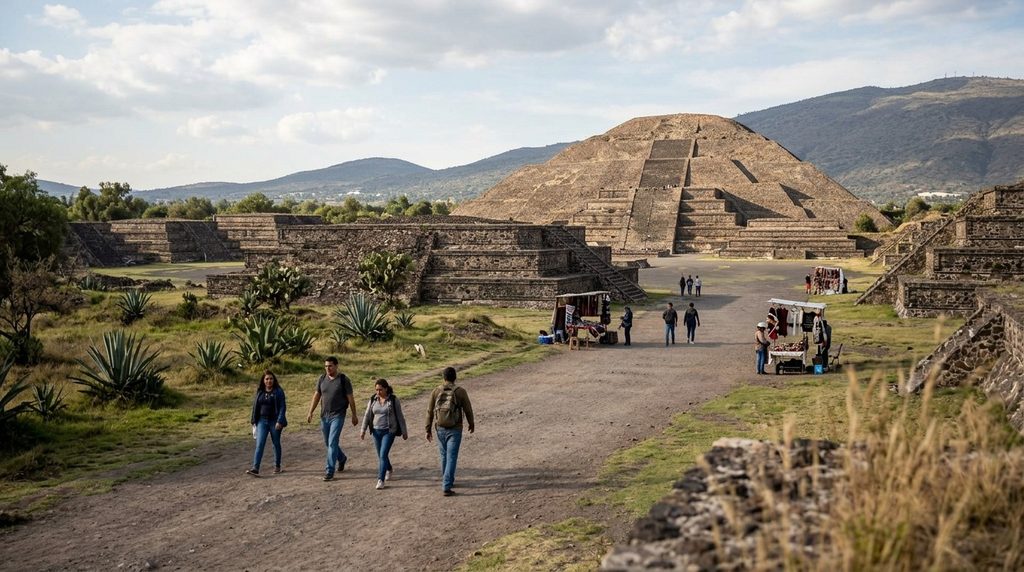
Mexico City itself can easily fill several days, but nearby destinations provide excellent additions to a longer itinerary.
Teotihuacán
Teotihuacán is one of the most popular archaeological excursions from Mexico City. The ancient site is known for its monumental pyramids and impressive urban layout.
Starting early can make the visit more comfortable, particularly if you want to explore extensively.
Puebla
Puebla offers a different architectural and culinary experience. Its historic center, traditional dishes, churches, colorful buildings, and Talavera pottery make it an appealing addition to a Mexico itinerary.
Depending on your schedule, it can work as a day trip or as part of a longer journey through central Mexico.
Xochimilco
Xochimilco’s canals provide one of the city’s most distinctive experiences. A trajinera ride can be particularly enjoyable when planned as a relaxed half-day rather than squeezed between several unrelated attractions.
Nearby Cultural Experiences
Travelers with additional time can research smaller towns, archaeological sites, and cultural attractions around the Valley of Mexico. The right choice depends on whether you prefer history, architecture, food, nature, or local traditions.
Planning a Day Trip
Check transportation times before leaving. Traffic can significantly affect road journeys, and some attractions require more time than expected.
If you book an organized tour, check what the price includes and how much free time you will have at each stop.
Practical Tips for Visiting Mexico City
A little preparation can make a significant difference during a Mexico City trip. The city is rewarding, but its scale and busy urban environment require some planning.
Plan by Neighborhood
This is one of the most useful strategies for first-time visitors. Group attractions that are close together rather than crossing the city several times in one day.
For example, combine Historic Center attractions on one day and explore Coyoacán separately instead of trying to fit both into a few rushed hours.
Give Yourself Enough Time
Three days can provide a good introduction, but four to seven days allow a much more relaxed experience.
Extra time lets you visit museums without rushing, explore neighborhoods slowly, and add a day trip.
Pack for Changing Conditions
Layers are useful because temperatures can vary between morning and afternoon. Comfortable walking shoes are also essential.
If rain is in the forecast, keep a compact umbrella or rain layer with you.
Be Careful With Valuables
As in any major city, crowded areas require awareness. Keep your phone and wallet secure, especially on public transportation and in busy markets.
Avoid displaying expensive items unnecessarily.
Consider the Altitude
Mexico City is located at high elevation, and some visitors may notice headaches, tiredness, shortness of breath, or other symptoms after arriving.
Take the first day slowly if you are not accustomed to high altitude. Stay hydrated and avoid immediately planning an exhausting schedule. Travelers with medical concerns about altitude should discuss them with a qualified healthcare professional before traveling.
Learn Basic Spanish
A few simple Spanish phrases can make everyday interactions easier, particularly in markets, small restaurants, and less tourist-focused areas.
You do not need to speak fluent Spanish. Basic greetings, numbers, directions, and food-related phrases can go a long way.
Keep Important Information Offline
Save your accommodation address, transport details, reservations, and important travel information on your phone so they remain accessible without an internet connection.
Respect Local Places
Remember that Mexico City is a living city rather than simply a tourist destination. Be respectful in residential neighborhoods, markets, churches, museums, and cultural sites.
Follow local rules, ask before photographing people, and avoid disturbing residents while exploring.
FAQs
Is Mexico City worth visiting for tourists?
Yes. Mexico City offers a remarkable combination of history, museums, architecture, food, parks, cultural attractions, and distinctive neighborhoods, making it suitable for many types of travelers.
How many days should you spend in Mexico City?
Three days are enough for a first introduction, but four to seven days provide more time for museums, neighborhoods, food experiences, and nearby day trips.
What is the best area to stay in Mexico City?
Roma, Condesa, Centro Histórico, Polanco, and Coyoacán are popular choices. The best area depends on your budget, preferred atmosphere, and sightseeing plans.
Is Mexico City safe for visitors?
Visitors should use normal large-city precautions, including keeping valuables secure, being careful in crowded areas, choosing reliable transportation, and researching the neighborhoods they plan to visit.
What are the best things to do in Mexico City?
Popular experiences include exploring the Historic Center, visiting Templo Mayor and major museums, walking through Roma and Condesa, exploring Coyoacán, visiting Chapultepec, trying local food, and taking a trip to Teotihuacán.
Conclusion:
Mexico City is a destination that becomes more interesting the longer you explore it. Ancient history, Mexican art, traditional food, modern neighborhoods, beautiful parks, busy markets, and historic architecture all exist within the same enormous capital. Instead of trying to see everything, choose a few areas each day and leave room for unexpected discoveries.
With a practical itinerary, comfortable shoes, sensible transportation choices, and some awareness of the city’s altitude and scale, Mexico City becomes much easier to enjoy. Whether your interests are history, culture, food, architecture, museums, or everyday city life, Mexico City offers enough variety and depth to make your visit genuinely memorable.
Read more:Chiang Rai: Complete Travel Guide to Northern Thailand