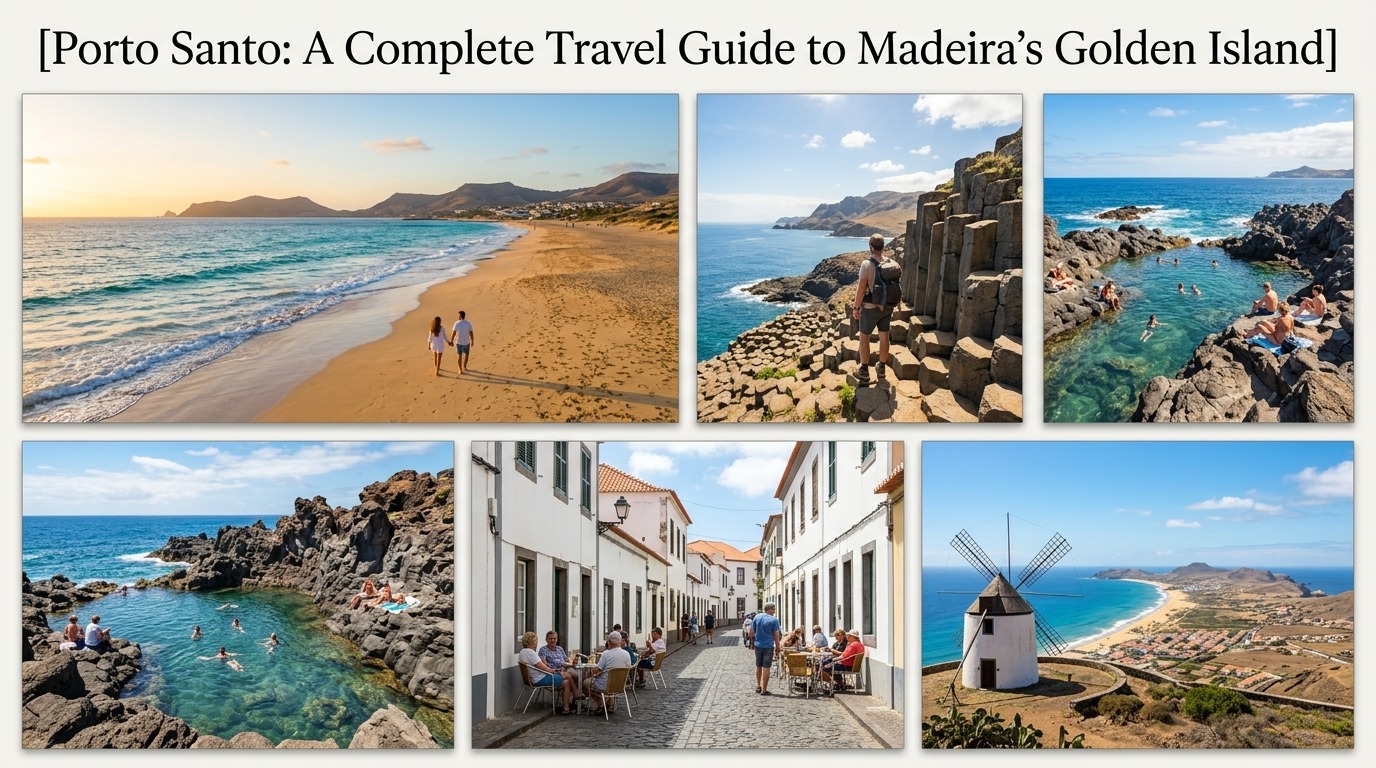
Porto Santo is a small Portuguese island in the Madeira archipelago, known for its long sandy beach, clear Atlantic waters, quiet atmosphere, and dry, sunny climate. Unlike Madeira, which is famous for dramatic mountains and lush green landscapes, Porto Santo offers a slower coastal escape where beach time is a major part of the experience.
The island is compact enough to explore without rushing, yet there is plenty to see beyond the famous shoreline. From viewpoints and volcanic landscapes to local food and peaceful villages, Porto Santo suits travelers looking for a relaxed island holiday away from crowded resort destinations. This guide covers what to see, when to visit, how to get around, where to stay, and what to know before your trip.
Why Visit Porto Santo?
The biggest reason to visit Porto Santo is its beautiful sandy coastline. The island is home to a beach stretching for several kilometers, making it very different from many Atlantic islands where rocky shores dominate.
Porto Santo is also appealing because of its peaceful character. The main settlement, Vila Baleira, has a relaxed feel, while the island’s smaller roads lead to viewpoints, hills, rural areas, and quiet coastal spots.
For travelers who enjoy swimming, walking, scenic drives, and slow mornings by the sea, Porto Santo can be an excellent choice. It also works well as an extension to a Madeira trip.
Best Things to Do in Porto Santo
A visit to Porto Santo does not need a packed itinerary. Many of the island’s best experiences involve enjoying the landscape at an easy pace.
Spend time on the sandy beach, explore Vila Baleira, visit scenic viewpoints, and take a drive around the island. Water activities are another option, with conditions sometimes suitable for swimming, snorkeling, diving, and other marine activities.
Nature lovers can explore walking routes and volcanic landscapes, while history enthusiasts may want to learn more about the island’s connection with Christopher Columbus.
Places Worth Adding to Your Itinerary
Some popular places and experiences include:
- Porto Santo Beach
- Vila Baleira
- Pico do Castelo
- Pico do Facho
- Miradouro das Flores
- Fonte da Areia
- Christopher Columbus House
- Coastal walking routes
- Local restaurants serving Madeiran and Portuguese dishes
Porto Santo Beach and Coastal Life
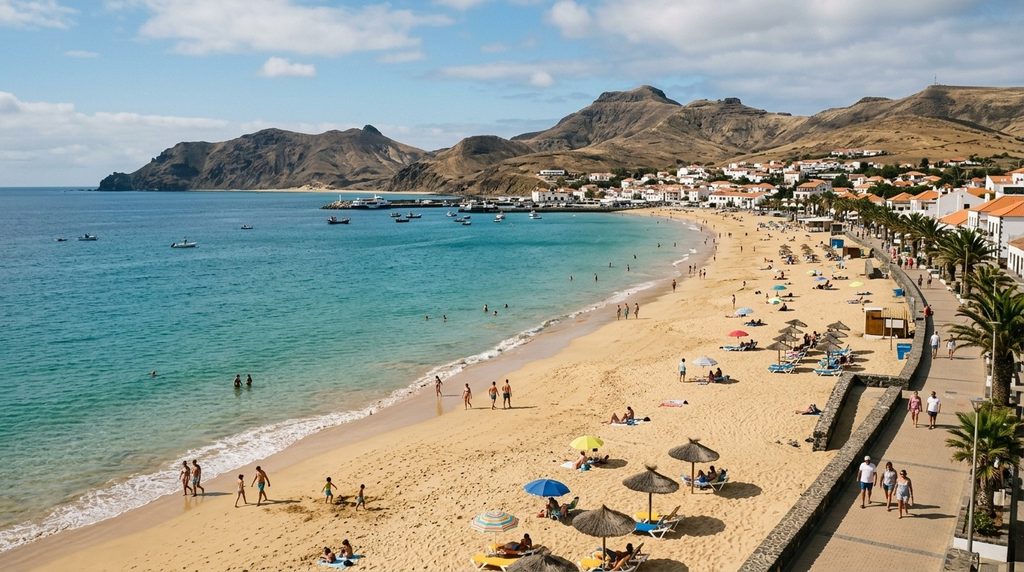
Porto Santo Beach is the island’s signature attraction. Its long stretch of golden sand gives visitors plenty of space to walk, relax, swim, or simply enjoy the Atlantic scenery.
The beach is particularly attractive for travelers who want a traditional seaside holiday without the scale of a major resort destination. Facilities and services are concentrated in the more developed areas, while quieter sections offer a more peaceful experience.
The Atlantic can be refreshing, and sea conditions can change, so swimmers should always pay attention to local safety information. Sun protection is also important, particularly during the warmer months.
Best Time to Visit Porto Santo
Porto Santo can be visited throughout much of the year, but the ideal time depends on what you want from your trip.
Summer is popular for beach holidays, with generally warm and dry conditions. June through September is a good period for travelers focused on swimming and spending long days outdoors. Spring and early autumn can be more comfortable for sightseeing and walking, with fewer visitors than the busiest summer period.
Winter is quieter, but weather conditions are less predictable for a beach-focused holiday.
| Season | What to Expect | Best For |
| Spring | Mild weather and fewer visitors | Walking and sightseeing |
| Summer | Warm, sunny conditions and busy beach areas | Swimming and beach holidays |
| Autumn | Pleasant temperatures and quieter atmosphere | Relaxed island trips |
| Winter | Cooler and more changeable weather | Peaceful escapes |
How to Get to Porto Santo
Most travelers reach Porto Santo by air or by sea from Madeira. The island has its own airport, making flights an option for visitors who prefer a faster journey.
The ferry is another popular choice, especially for travelers already staying on Madeira. The sea crossing provides a different way to experience the Atlantic and can be useful for visitors who want to combine both islands.
Schedules can vary according to season and operating conditions, so check current transport information before planning your journey. If your trip depends on a specific ferry or flight, booking ahead is sensible during busy periods.
Getting Around the Island
Porto Santo is relatively small, so exploring it is straightforward. Rental cars are useful for travelers who want to visit viewpoints, beaches, and rural areas at their own pace.
Taxis and local transport can also be useful, particularly if you prefer not to drive. Cycling can be enjoyable for experienced cyclists, although the island is not completely flat and some routes involve climbs.
A rental car is especially convenient if you want to cover several parts of the island in a single day.
| Transport Option | Best For | Main Advantage |
| Rental car | Exploring independently | Flexible and convenient |
| Taxi | Short trips and sightseeing | No need to drive |
| Local bus | Budget-conscious travel | Practical for selected routes |
| Bicycle | Active travelers | Scenic and enjoyable |
| Walking | Beaches and nearby areas | Free and relaxed |
Where to Stay in Porto Santo
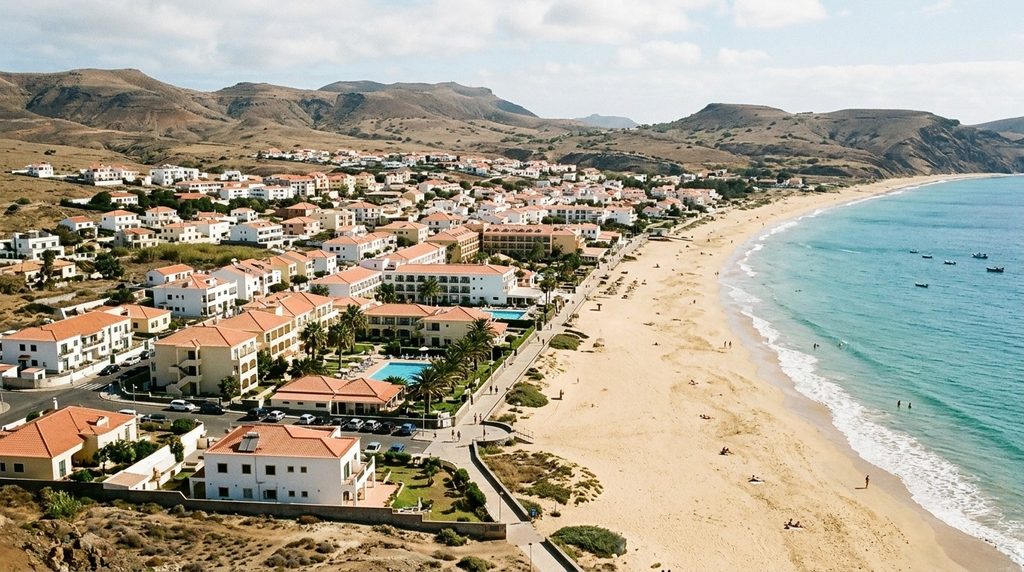
Most accommodation is concentrated around Vila Baleira and the southern part of the island, close to the main beach and everyday services.
Vila Baleira is a practical choice for first-time visitors because restaurants, shops, the waterfront, and other facilities are nearby. Staying closer to the beach is particularly convenient for travelers planning a traditional seaside holiday.
Accommodation ranges from hotels and resorts to apartments and smaller guesthouses. During the summer season, popular properties can become busy, so booking early is worthwhile if you have specific accommodation preferences.
Food and Local Specialties
Food is an important part of the Porto Santo experience. Restaurants serve Portuguese and Madeiran-style dishes, with seafood featuring prominently in many menus.
Fresh fish, grilled seafood, meat dishes, soups, and traditional Portuguese preparations are common choices. You can also find local pastries and simple dishes that work well for a relaxed lunch after time at the beach.
Rather than planning every meal around tourist areas, consider trying smaller local restaurants. They can provide a more relaxed setting and a chance to experience everyday island cooking.
Nature, Viewpoints, and Outdoor Experiences
Although the beach is Porto Santo’s main attraction, the island has a surprisingly varied landscape. Volcanic hills, dry valleys, cliffs, and coastal viewpoints create plenty of opportunities for photography and short outdoor adventures.
Pico do Castelo is one of the island’s notable high points and offers broad views across the surrounding landscape. Pico do Facho is another well-known viewpoint.
Fonte da Areia is also worth visiting for its distinctive geological scenery. The landscape here highlights Porto Santo’s volcanic origins and contrasts strongly with the sandy coastline.
If you enjoy walking, check current trail information before setting out. Weather, terrain, and access conditions can change, and sturdy footwear is useful on uneven paths.
Practical Tips for a Porto Santo Trip
Porto Santo is easy to enjoy, but a little planning can make your visit more comfortable. Bring comfortable walking shoes if you plan to explore beyond the beach, along with swimwear, sunscreen, sunglasses, and a light layer for evenings.
Portuguese is the local language, although English is commonly encountered in tourism-related settings. The euro is used for payments, as Porto Santo is part of Portugal.
Internet and mobile coverage are generally available in developed areas, but visitors should not expect every remote viewpoint or rural section to have the same level of connectivity.
A relaxed itinerary is often the best approach. Give yourself time for the beach, a scenic drive, a local meal, and a few viewpoints instead of trying to see everything in one day.
How Long to Stay in Porto Santo
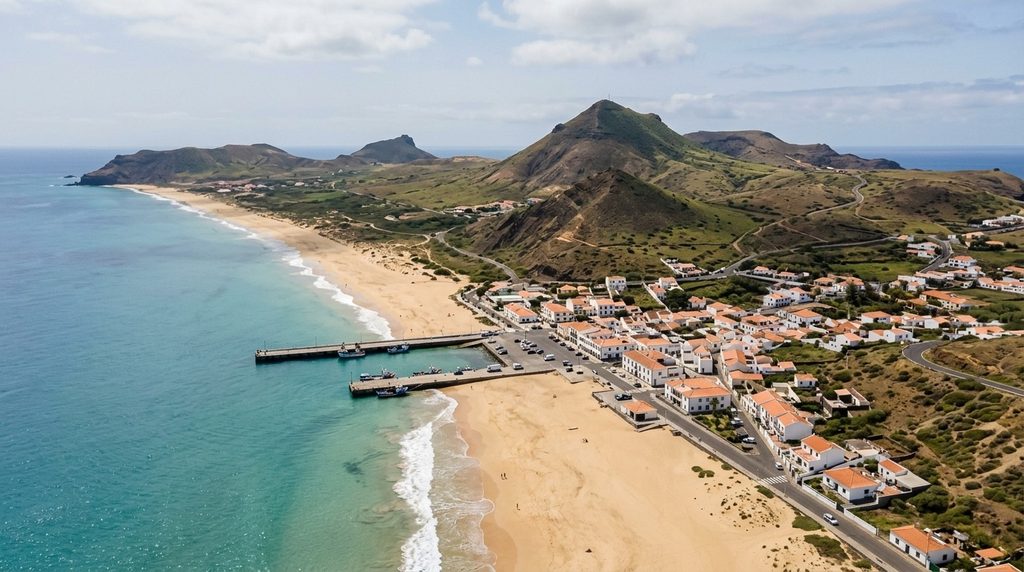
The right length of stay depends on whether Porto Santo is your main destination or part of a larger Madeira itinerary.
A short visit can cover the main beach, Vila Baleira, several viewpoints, and a scenic drive. However, staying for two or three nights gives you more time to enjoy the island without constantly watching the clock.
Travelers who prefer slow holidays may enjoy several days here, especially if their main priorities are beach time, walking, local food, and relaxation.
If you are combining Porto Santo with Madeira, even a short island stay can add a completely different coastal experience to your Portugal trip.
FAQs
Is Porto Santo worth visiting?
Yes. Porto Santo is worth visiting for its long sandy beach, peaceful atmosphere, scenic volcanic landscape, and relaxed island lifestyle. It is especially appealing for travelers seeking a quieter beach destination.
How many days do you need in Porto Santo?
Two to three days is a good starting point for seeing the main attractions while still having time to enjoy the beach. A longer stay suits travelers who prefer a slower pace.
What is Porto Santo famous for?
Porto Santo is best known for its long sandy beach and clear Atlantic setting. The island is also recognized for its viewpoints, volcanic landscapes, and connection with the Madeira archipelago.
Can you visit Porto Santo from Madeira?
Yes. Travelers can reach Porto Santo from Madeira by air or sea, depending on the available seasonal services and schedules. Always check current transport times before traveling.
What is the best month to visit Porto Santo?
Summer is generally the most popular period for a beach holiday, while late spring and early autumn can offer pleasant conditions with a quieter atmosphere. Your best month depends on whether beach weather or fewer crowds is the priority.
Conclusion:
Porto Santo offers a refreshing alternative to busy beach destinations, combining a beautiful sandy coastline with quiet roads, volcanic scenery, and a relaxed Portuguese island atmosphere. Whether you spend your days swimming, exploring viewpoints, enjoying local food, or simply walking along the shore, the island encourages a slower style of travel.
For travelers planning a Madeira holiday, adding Porto Santo can bring a different side of the archipelago into the trip. With practical planning and enough time to explore beyond the main beach, Porto Santo can be a rewarding destination for couples, families, solo travelers, and anyone looking for a peaceful Atlantic escape.
Read more:How to Reach Kanipakam Temple: Complete 2026 Travel Guide by Road, Rail & Air