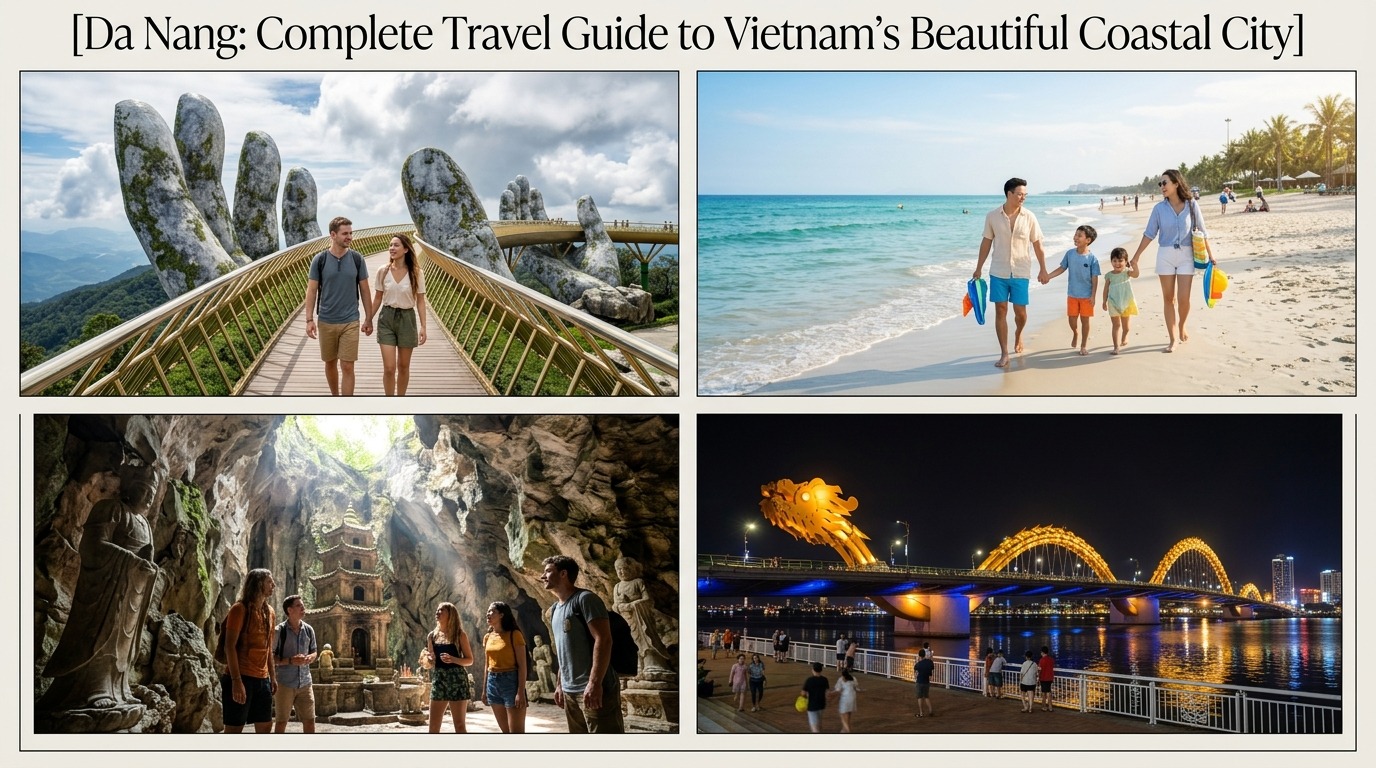
Da Nang is one of Vietnam’s most appealing coastal cities, combining long sandy beaches, mountain scenery, historic attractions, modern hotels, and some of the country’s most enjoyable food. Set along the central coast, the city offers a convenient balance between urban comforts and easy access to nature. Visitors can spend a morning beside the sea, explore a mountain sanctuary in the afternoon, and enjoy local food in the evening without having to travel far.
What makes Da Nang especially useful for travelers is its location. The city works well as a destination in its own right, but it is also a convenient base for exploring central Vietnam. Hoi An, the Marble Mountains, the Son Tra Peninsula, and the Hai Van Pass are all within reach. Whether you are planning a beach holiday, a cultural trip, a family vacation, or a longer Vietnam itinerary, Da Nang offers plenty of ways to build a trip around your interests.
Why Visit Da Nang?
Da Nang has developed into one of Vietnam’s major tourism destinations, but it still feels more relaxed than some of the country’s busiest cities. Wide roads, a long waterfront, modern bridges, and a mix of residential and tourist areas give the city a distinct character.
The beach is one of the main reasons people come. My Khe Beach is particularly popular because it is close to the central city and surrounded by accommodation, restaurants, cafés, and other visitor services. You can enjoy the coast without giving up the convenience of staying in a city.
Da Nang also offers a good introduction to central Vietnamese culture. The city has Buddhist sites, museums, markets, historic landmarks, and traditional food. Travelers who enjoy nature can head toward the Son Tra Peninsula, while those interested in history can make day trips to nearby Hoi An and the ancient Cham sites.
Another advantage is accessibility. Da Nang International Airport is close to the city, reducing transfer time after arrival. The city is also well connected to other destinations in Vietnam by road, rail, and air.
For first-time visitors to central Vietnam, Da Nang can therefore serve several purposes at once: beach destination, city break, food destination, and base for regional exploration.
Best Places to Visit in Da Nang
Da Nang has attractions spread across the city and surrounding areas, so it is useful to group your sightseeing by location. Some places can be combined during the same outing, while others are better treated as separate trips.
My Khe Beach
My Khe Beach is one of Da Nang’s most recognizable coastal attractions. Its broad sandy shoreline makes it popular for morning walks, swimming when conditions are suitable, and relaxing near the sea.
The beach is especially convenient because of its proximity to the city’s hotel and restaurant areas. You can easily combine a beach visit with breakfast, coffee, or an evening meal.
Early morning is a pleasant time to experience the waterfront, when local residents are often out exercising and the heat is generally more manageable.
Dragon Bridge
Dragon Bridge is one of Da Nang’s most recognizable modern landmarks. The bridge crosses the Han River and has become closely associated with the city.
At night, the illuminated bridge creates a lively riverside scene. On selected evenings, the bridge is known for its fire and water performance, but visitors should check the current schedule because operating arrangements can change.
The surrounding riverfront is also worth exploring on foot, particularly after sunset.
Han River
The Han River gives Da Nang much of its visual identity. Several bridges connect the city across the river, and the waterfront becomes particularly lively in the evening.
A riverside walk can be combined with dinner or a café visit. Boat cruises may also be available, depending on the season and current operators.
Marble Mountains
The Marble Mountains are a group of limestone and marble hills south of central Da Nang. The area contains caves, Buddhist shrines, temples, viewpoints, and stairways.
Because the site involves steps and uneven surfaces, comfortable footwear is important. Some cave interiors can also be dim or slippery.
Allow enough time to explore rather than treating the mountains as a quick photo stop.
Son Tra Peninsula
The Son Tra Peninsula provides a striking change from the urban center. Forested hills rise above the sea, offering viewpoints and opportunities to experience a more natural side of Da Nang.
Linh Ung Pagoda, with its large Lady Buddha statue overlooking the coast, is one of the best-known attractions in the area.
Visitors should follow local environmental guidance because Son Tra is also an important natural habitat.
Da Nang Cathedral
Da Nang Cathedral is a distinctive pink church in the city center. Its Gothic-inspired architecture makes it an interesting stop for visitors exploring the central area.
Because it is an active place of worship, visitors should be respectful of services and local customs when visiting.
Best Beaches and Outdoor Experiences
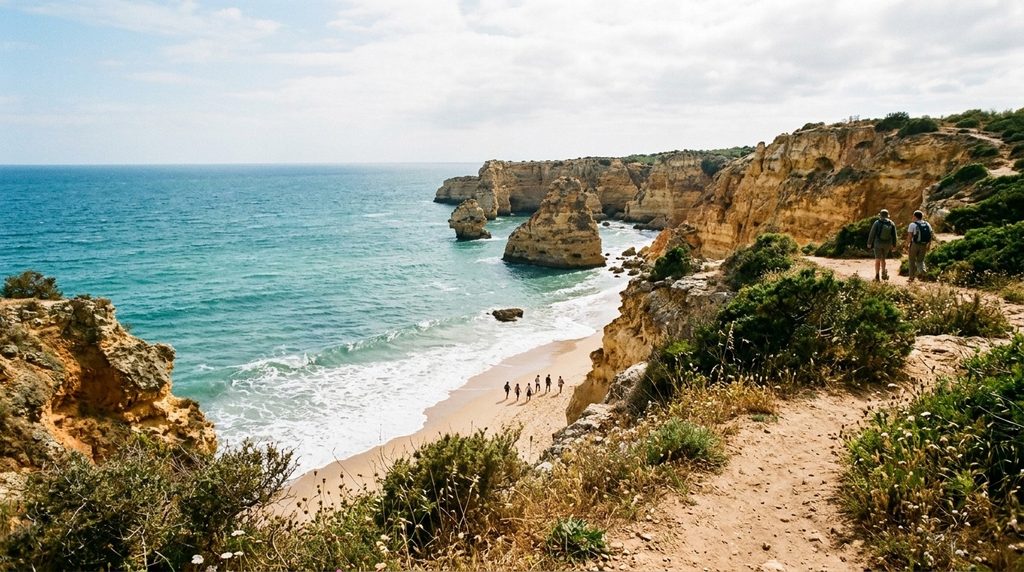
Da Nang’s coastline is a major part of the city’s appeal, but there is more to outdoor life here than simply sitting on the sand.
My Khe and Other Coastal Areas
My Khe is the easiest beach for many visitors to reach, but the wider coastline provides different settings depending on where you stay.
Some sections are busier and surrounded by hotels, while others feel quieter. If swimming is important to your trip, always consider current sea conditions, weather, tides, and local safety information.
Son Tra Peninsula
Son Tra is ideal for travelers who want greenery and coastal views without leaving Da Nang.
Roads wind through the peninsula, creating viewpoints over the sea and city. Some sections can be steep, so drivers and cyclists should take care.
The peninsula is also known for its wildlife, including the red-shanked douc langur. Seeing wildlife is never guaranteed, and visitors should avoid feeding or approaching animals.
Hai Van Pass
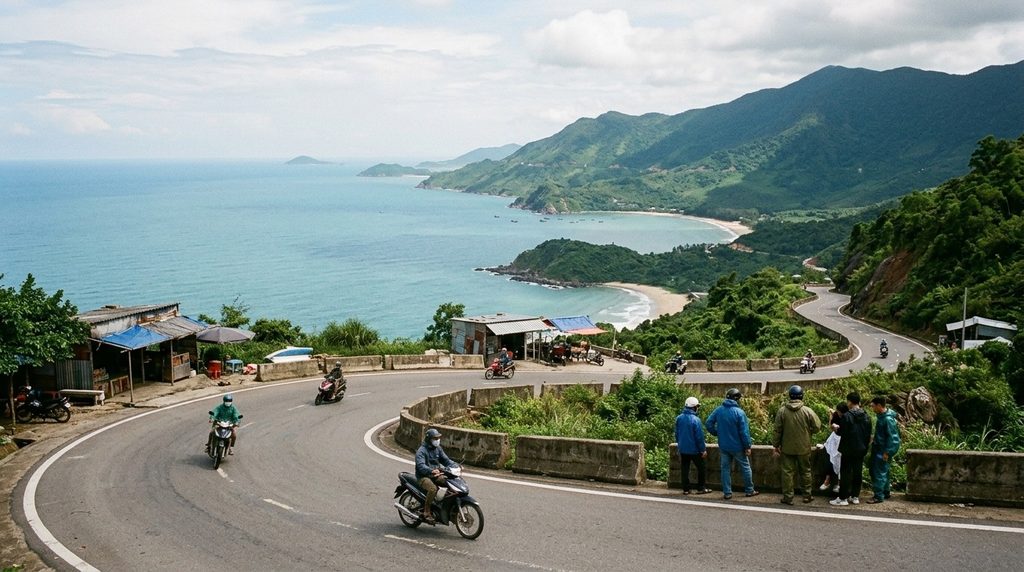
The Hai Van Pass lies between Da Nang and Hue and is famous for its mountain road and coastal views.
A trip across the pass can be especially enjoyable on a clear day, although weather conditions can dramatically affect visibility.
You can experience the pass by private vehicle, motorcycle, tour, or train depending on your itinerary and comfort level. If driving or riding yourself, allow extra time and pay attention to traffic and weather.
Outdoor Activities
Depending on conditions and available operators, Da Nang visitors can consider:
- Swimming
- Surfing
- Snorkeling
- Diving
- Hiking
- Cycling
- Kayaking
- Boat trips
- Scenic motorcycle rides
- Beach walks
The best activity depends on the season. Coastal conditions can vary, so check local information before entering the water or booking outdoor excursions.
Best Time to Visit Da Nang
Da Nang has a tropical climate, and rainfall patterns are an important part of trip planning. The central Vietnamese coast experiences a distinct wetter period, while other months are generally more suitable for beach-focused travel.
For travelers primarily interested in beaches and outdoor sightseeing, the drier part of the year is usually more convenient. However, temperatures can become quite hot, particularly during the warmer months.
The wetter season can bring heavier rain and occasional storms. This does not mean every day will be rainy, but visitors should be prepared for changes to outdoor plans.
| Period | Typical Travel Conditions | Best For |
| February–April | Generally comfortable and relatively dry | Sightseeing and city exploration |
| May–August | Hot with strong beach appeal | Beaches and coastal activities |
| September–January | Wetter and more changeable | Flexible travelers and quieter trips |
| Around major holidays | Can be busier | Festivals and cultural experiences |
Weather patterns can vary from year to year, so travelers should check a current forecast rather than relying entirely on historical averages.
How Long Should You Stay?
Three to four days can provide a good introduction to Da Nang. This gives you time for the beach, Marble Mountains, Son Tra Peninsula, city attractions, and local food.
If you also want to explore Hoi An, Hue, or the Hai Van Pass, five to seven days can make the itinerary much more comfortable.
A longer stay is useful for travelers who prefer slower travel. Instead of filling every day with sightseeing, you can spend mornings at the beach, take afternoon trips, and leave evenings free for food and riverside walks.
How to Get to Da Nang

Da Nang is one of the easiest destinations in central Vietnam to reach because of its international airport and strong domestic transport connections.
By Air
Da Nang International Airport is located close to the city center. This is the simplest option for many international and domestic travelers.
Domestic flights connect Da Nang with major Vietnamese cities, while international services connect the city with selected destinations in Asia.
Flight schedules vary by season and airline, so check current routes when planning your trip.
By Train
Vietnam’s railway network connects Da Nang with destinations including Hanoi and Ho Chi Minh City.
Train travel is slower than flying but can be a worthwhile option for travelers who enjoy seeing the countryside and want to experience a different form of transportation.
The journey along sections of the central coast can be particularly scenic.
By Bus
Long-distance buses connect Da Nang with other cities in central Vietnam and beyond. This can be a budget-friendly option, although journey times are longer.
For short regional trips, buses and shared transport can be convenient, particularly when traveling between Da Nang and Hoi An.
By Car
Private cars and drivers are widely used for regional sightseeing. This can be useful when visiting several attractions in one day or traveling with family.
A private vehicle also provides greater flexibility for stops along routes such as the Hai Van Pass.
Getting Around Da Nang
Da Nang is relatively easy to navigate, particularly in the central and beach areas. Your best transport option depends on distance, weather, budget, and comfort.
Motorbikes are common in Vietnam, but visitors should only ride if they are legally permitted to do so and are genuinely comfortable with local traffic conditions.
Taxis and app-based ride services can be convenient for short journeys. They remove the need to navigate unfamiliar roads and are particularly useful in hot or rainy weather.
Walking works well around the waterfront and central areas, although Da Nang’s heat can make longer walks uncomfortable during the middle of the day.
| Transport Option | Best For | Advantages | Considerations |
| Walking | Central areas and beach walks | Free and simple | Heat and distance |
| Taxi/ride app | Short and medium trips | Convenient | Prices vary by distance |
| Motorbike | Independent exploration | Flexible | Requires legal permission and confidence |
| Private car | Day trips | Comfortable and flexible | Higher cost |
| Bus | Budget travel | Affordable | Routes and frequency vary |
Transportation Tips
If you are using a taxi or ride service, confirm the destination before leaving. Having the address available in Vietnamese can be helpful.
For day trips, compare the total cost of separate rides with a private car or organized tour. The most economical option depends on how many people are traveling and how many stops you plan to make.
If renting a motorbike, wear appropriate safety equipment and confirm the legal requirements that apply to you. Do not treat traffic in an unfamiliar country as something to learn by trial and error.
Where to Stay in Da Nang
Choosing the right neighborhood can make your trip much easier. Da Nang offers several distinct areas, and the best one depends on whether you prioritize beaches, nightlife, local atmosphere, or convenient access to attractions.
My Khe Beach Area
The area around My Khe is one of the most popular choices for visitors.
It offers a large selection of hotels, apartments, restaurants, cafés, convenience stores, and beach access. Travelers who want to spend a lot of time by the sea will find this location particularly convenient.
It is also easy to reach central Da Nang from here by taxi or ride service.
Han River and City Center
Staying closer to the Han River puts you near bridges, restaurants, shopping areas, and central attractions.
This area can be better for travelers who want a city experience rather than a beach-resort atmosphere.
The riverfront is especially attractive in the evening, when bridges and buildings are illuminated.
Son Tra Area
The Son Tra side of the city can offer a quieter environment while remaining within reach of major attractions.
It is useful for travelers who prefer a more relaxed setting and plan to explore the peninsula.
What Type of Accommodation Should You Choose?
Da Nang has accommodation ranging from inexpensive guesthouses to international hotels and upscale beachfront properties.
Budget travelers can find simple rooms and apartments, while families may prefer larger hotel rooms or serviced apartments with kitchen facilities.
Couples looking for a beach holiday may prefer a property near the coast, while travelers focused on sightseeing may value location and transport access more than resort facilities.
Before booking, consider:
- Distance from the beach
- Airport transfer time
- Breakfast availability
- Swimming pool
- Room size
- Family facilities
- Noise levels
- Cancellation policy
- Nearby restaurants
- Access to transportation
The cheapest room is not always the best value if it requires long daily journeys.
Vietnamese Food to Try in Da Nang
Food is one of the strongest reasons to spend time in Da Nang. Central Vietnam has a distinct culinary identity, and the city offers plenty of opportunities to try local dishes.
Mi Quang
Mi Quang is a central Vietnamese noodle dish traditionally associated with the region. It is often served with a small amount of rich broth, noodles, herbs, vegetables, peanuts, and different protein options.
The exact preparation varies from restaurant to restaurant, making it worth trying more than once.
Bun Cha Ca
Bun cha ca is a fish-cake noodle soup associated with Da Nang. The combination of noodles, broth, vegetables, and fish cakes makes it a practical choice for a filling local meal.
Banh Xeo
Banh xeo is a crispy Vietnamese savory pancake typically filled with ingredients such as shrimp, pork, and bean sprouts.
It is commonly eaten with herbs, vegetables, and dipping sauce.
Fresh Seafood
Because Da Nang is a coastal city, seafood is naturally prominent.
Restaurants may offer fish, shrimp, squid, crab, shellfish, and other seafood dishes. Prices and quality vary, so check menus and pricing before ordering, particularly at restaurants where seafood is selected by weight.
Vietnamese Coffee
Coffee culture is an important part of daily life in Vietnam. Da Nang has cafés ranging from simple local establishments to stylish modern coffee shops.
Try Vietnamese-style coffee if you want to experience something closely connected to local food culture. Strong coffee served with condensed milk is a familiar option, while other preparations offer different flavors and textures.
Food Safety
Busy local restaurants can be a good sign because high turnover often means ingredients are being used regularly, but basic caution is still sensible.
Drink water from sealed bottles or a reliable filtered source, and choose food that is cooked thoroughly when you have concerns about food hygiene.
Day Trips From Da Nang
One of Da Nang’s biggest advantages is its position in central Vietnam. Several major destinations can be visited as day trips, although travelers with more time may prefer overnight stays.
Hoi An
Hoi An is one of the most popular excursions from Da Nang. Its historic center is known for old buildings, lantern-filled streets, riverside scenery, craft shops, cafés, and restaurants.
The atmosphere changes throughout the day. Early mornings can feel quieter, while evenings bring more visitors and illuminated streets.
Rather than rushing through Hoi An in a few hours, consider staying overnight if your schedule allows.
Hue
Hue was the imperial capital of Vietnam and is known for its historic monuments, royal heritage, temples, and cuisine.
The journey from Da Nang takes longer than a typical short day trip, but it is possible with an early start or private transport.
The route between Da Nang and Hue can itself be part of the experience, particularly if you travel through the Hai Van Pass.
My Son Sanctuary
My Son is a historic complex associated with the ancient Champa civilization. The site contains brick temple structures surrounded by greenery.
It is particularly worthwhile for travelers interested in history and archaeology.
Because of its location inland, temperatures can be high, so bring water, sun protection, and comfortable footwear.
Ba Na Hills
Ba Na Hills is a large hilltop tourist complex west of Da Nang. It is known for its cable car system, mountain setting, gardens, entertainment areas, and the Golden Bridge.
The experience is quite different from visiting a historic village or natural beach. It is a purpose-built attraction with extensive visitor facilities.
Cloud and weather conditions can vary significantly at higher elevations, so check the forecast before going.
Day Trip Comparison
| Destination | Approximate Travel Style | Best For | Recommended Time |
| Hoi An | Easy regional trip | Heritage, food, evening atmosphere | Half or full day; overnight is better for a slower visit |
| Hue | Longer journey | History and imperial heritage | Full day or overnight |
| My Son | Inland excursion | Archaeology and history | Half or full day |
| Ba Na Hills | Organized attraction | Mountain views and entertainment | Full day |
| Hai Van Pass | Scenic route | Views and road-trip experience | Several hours to a full day |
Travel times depend on traffic, transport method, weather, and exact starting point, so avoid treating approximate journey times as guarantees.
Shopping, Nightlife, and Evening Activities
Da Nang becomes particularly enjoyable after sunset, when temperatures become more comfortable and the city lights up around the river.
Han River at Night
The riverfront is one of the easiest places to enjoy an evening without planning a complicated activity.
Walk along the waterfront, photograph the bridges, stop for coffee, or find a restaurant with views over the river.
Markets
Local markets can be useful places to experience everyday shopping and try inexpensive food.
Han Market is one of the better-known markets in the city and sells food products, clothing, souvenirs, and other goods.
When shopping in markets, prices may not always be fixed. If bargaining is customary for an item, remain polite and realistic rather than treating every purchase as a negotiation to win.
Night Markets
Depending on the current season and operating schedule, evening markets may offer street food, souvenirs, clothing, and small gifts.
These areas can become busy, particularly on weekends and holidays.
What to Buy
Popular souvenirs can include:
- Vietnamese coffee
- Tea
- Local snacks
- Handcrafted products
- Traditional textiles
- Small decorative items
- Local food products
If you plan to fly home, check airline and customs rules before buying food, plants, liquids, or other restricted items.
Practical Travel Tips for Da Nang

A little preparation can make a Da Nang trip smoother, particularly if this is your first visit to Vietnam.
Carry Some Cash
Cards are accepted at many hotels, restaurants, and larger businesses, but cash remains useful for small restaurants, markets, street food, taxis, and smaller shops.
Keep smaller notes available for everyday purchases.
Prepare for Heat
The combination of temperature and humidity can make sightseeing tiring.
Light clothing, sunscreen, sunglasses, and a reusable water bottle are useful. Try to schedule longer outdoor activities during the cooler parts of the day.
Download Offline Maps
Internet access is widely available in tourist areas, but offline maps are still useful if you are traveling outside the city or have an unreliable connection.
Save your hotel address so you can easily show it to a driver if needed.
Respect Religious Sites
When visiting pagodas, temples, churches, and other religious places, dress appropriately and follow local instructions.
Remove shoes when required and avoid loud conversations during worship.
Be Careful With Traffic
Vietnamese cities can have busy roads with large numbers of motorbikes.
Use designated crossings when possible, remain alert, and avoid sudden movements when crossing roads.
Keep Your Itinerary Flexible
Weather can affect beach activities, mountain trips, and day excursions.
Rather than booking every hour, leave some space in your schedule. A flexible day can easily become a food tour, café afternoon, museum visit, or relaxed beach day if rain changes your original plans.
Travel Insurance
Travel insurance is worth considering for international trips, especially when your itinerary includes motorbike travel, outdoor activities, or multiple transport connections.
Check the policy carefully to understand what activities and circumstances are covered.
FAQs
Is Da Nang worth visiting?
Yes. Da Nang is worth visiting for its beaches, food, mountain scenery, modern city attractions, cultural sites, and convenient access to Hoi An, Hue, and other central Vietnamese destinations.
How many days are enough for Da Nang?
Three to four days are enough for the main Da Nang attractions, while five to seven days allow time for beaches and nearby destinations such as Hoi An, Hue, or My Son.
What is the best time to visit Da Nang?
The drier months are generally more convenient for beach holidays and outdoor sightseeing, while the wetter season can bring heavier rain and changing conditions.
What is Da Nang famous for?
Da Nang is famous for its sandy beaches, Han River and bridges, Marble Mountains, Son Tra Peninsula, local cuisine, and its location near major central Vietnamese attractions.
Is Da Nang good for a family holiday?
Yes. Da Nang offers beaches, family-friendly hotels, restaurants, sightseeing, and relatively easy access to nearby attractions. Families should choose activities according to weather, age, and comfort level.
Conclusion:
Da Nang brings together many of the things travelers look for in a Vietnam holiday: beaches, good food, cultural attractions, natural scenery, comfortable accommodation, and convenient transport. The city is large enough to offer plenty of restaurants and modern services but compact enough for visitors to combine the coast, riverfront, mountains, and central attractions within the same trip.
The real strength of Da Nang is its flexibility. You can build a relaxing beach break, an active outdoor holiday, a food-focused trip, or a wider central Vietnam itinerary around the city. Give yourself enough time to explore at a comfortable pace, keep your plans flexible around the weather, and look beyond the most famous attractions. Da Nang is at its best when you allow the city, coast, food, and surrounding landscapes to become part of the same journey.
Read more:Lofoten Islands: Complete Travel Guide to Norway’s Dramatic Arctic Archipelago