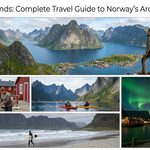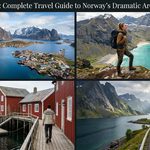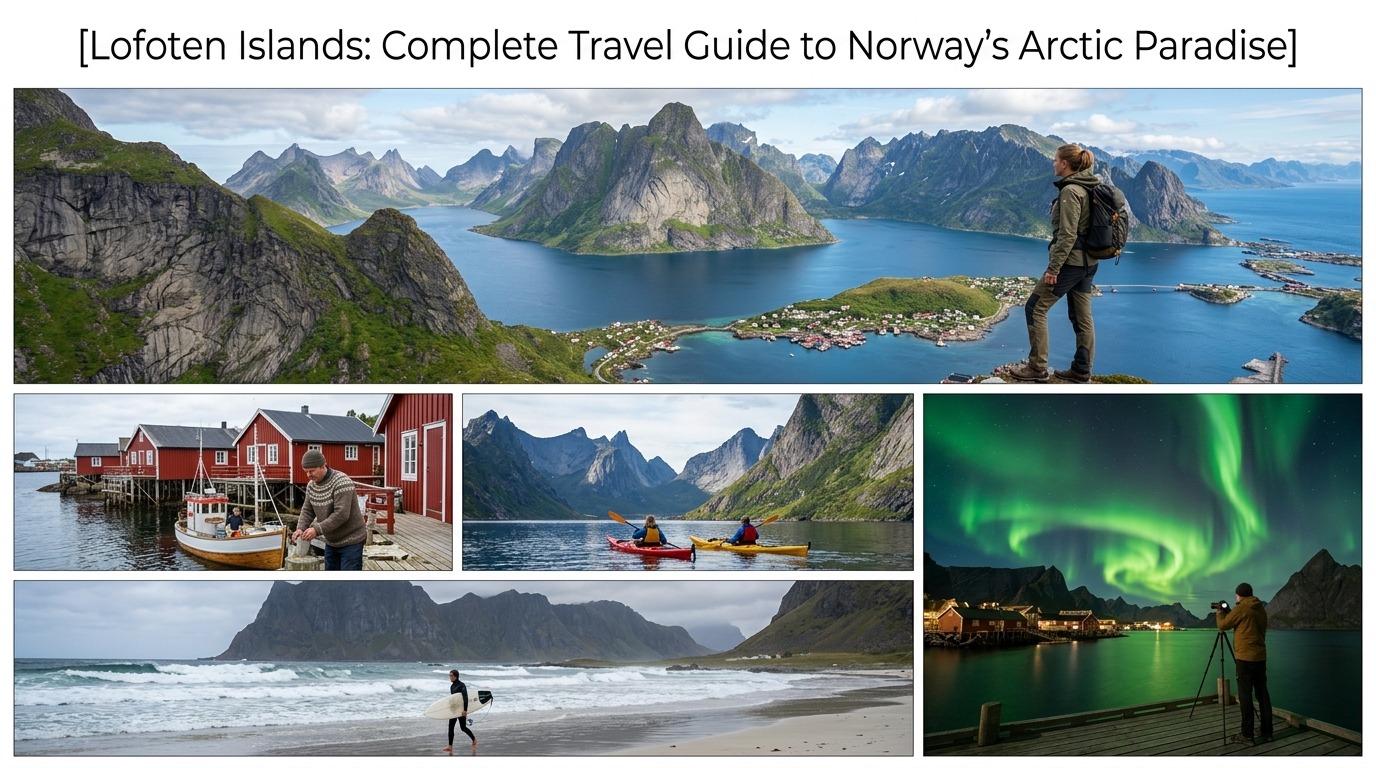
The Lofoten Islands are one of Norway’s most distinctive travel destinations, where sharp mountains rise almost directly from the sea, fishing villages sit beside quiet harbors, and long beaches stretch beneath dramatic Arctic skies. Located above the Arctic Circle in northern Norway, the archipelago is famous for its rugged scenery, traditional red fishing cabins, hiking trails, and changing natural light. Despite its remote setting, Lofoten offers a surprisingly varied experience for travelers who enjoy nature, photography, road trips, and outdoor adventures.
A trip to the Lofoten Islands is less about seeing a long list of attractions and more about experiencing the landscape at your own pace. You can drive between small coastal villages, hike to panoramic viewpoints, explore beaches, eat fresh seafood, or simply stop beside the road when the scenery demands your attention. The weather can change quickly and travel distances can take longer than they appear on a map, so thoughtful planning makes a big difference.
Why Visit the Lofoten Islands?
The Lofoten Islands appeal to travelers because of their unusual combination of mountains, beaches, fjords, villages, and open sea. In many places, these landscapes appear within a very short distance of one another.
The archipelago also offers something different in every season. Summer brings extremely long daylight and the opportunity to explore late into the evening, while winter can bring snow-covered mountains, darker skies, and opportunities to see the northern lights.
Dramatic Arctic Landscapes
The mountains of Lofoten are steep and rugged, often rising sharply behind small communities and sheltered bays. This creates views that can feel much larger than the islands themselves.
The landscape changes constantly as you move between islands. A short drive can take you from a fishing village to a beach, mountain trail, or quiet fjord.
Traditional Fishing Culture
Fishing has shaped life in Lofoten for centuries. Traditional rorbuer, or fishermen’s cabins, remain an important part of the region’s identity and are now commonly used as accommodation.
Drying racks filled with cod can also be seen in the region during the appropriate season, reflecting the continuing importance of fishing to local culture.
A Destination for Outdoor Travelers
Hiking is one of the main reasons people visit Lofoten, but the islands also offer kayaking, surfing, fishing, cycling, boat trips, wildlife experiences, and scenic drives.
You can make the trip as active or relaxed as you want.
Best Places to Visit in the Lofoten Islands
Lofoten is an archipelago rather than one single destination, so choosing where to spend your time is important. The western and southern islands are particularly famous for their dramatic scenery, while larger settlements provide more services.
Reine
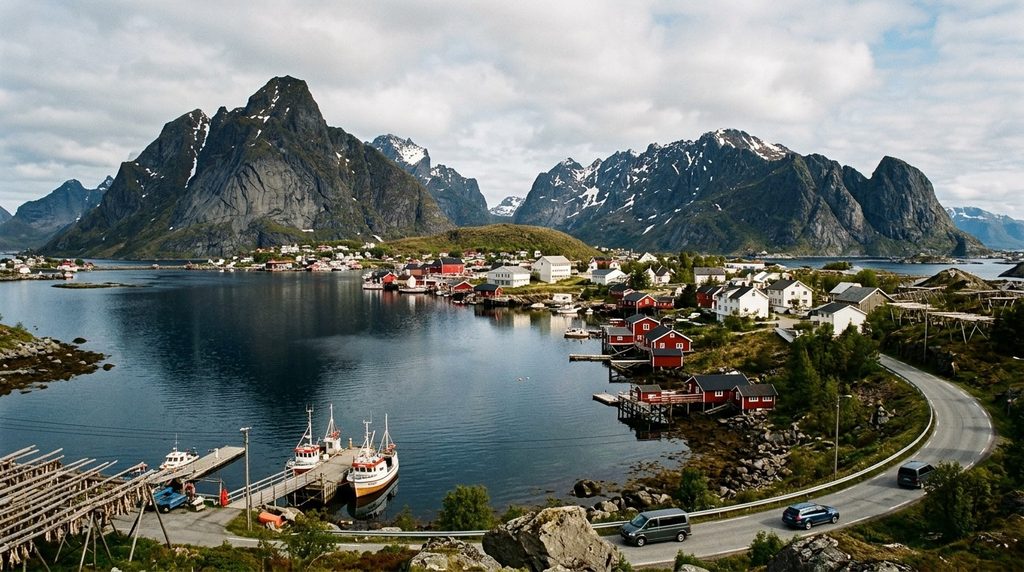
Reine is one of the most recognizable villages in Lofoten. Surrounded by steep mountains and water, it has become a symbol of the archipelago’s landscape.
The village itself is relatively small, so part of the experience comes from exploring the surrounding viewpoints and roads rather than spending an entire day only in the center.
Hamnøy
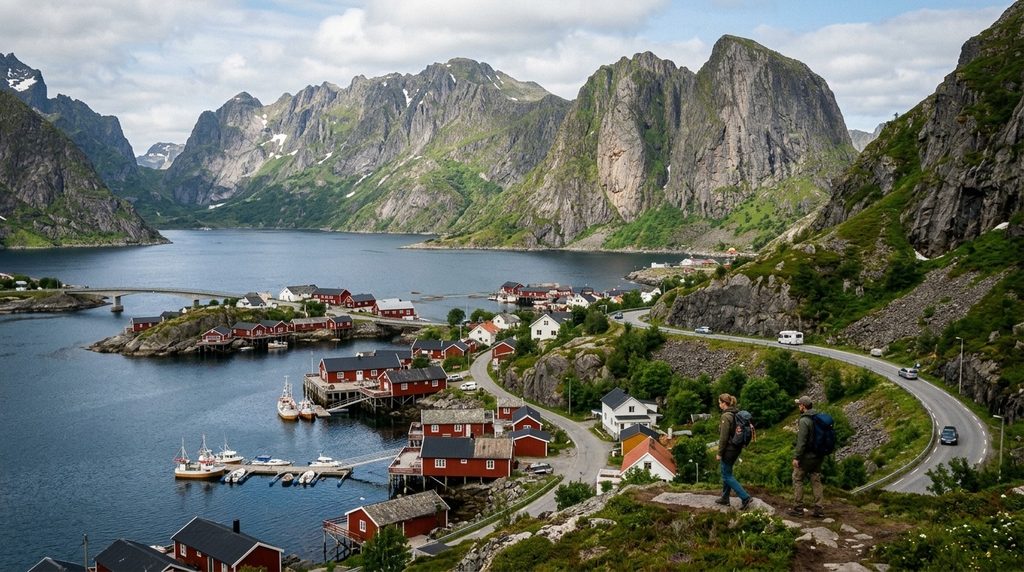
Hamnøy is another famous coastal settlement, known for its traditional red cabins and dramatic mountain backdrop.
It is close to Reine and can easily be included in the same day of exploration.
Å
Å lies near the southern end of the road through Lofoten and is one of the archipelago’s most interesting traditional fishing villages.
The village has preserved historic buildings and offers insight into the region’s fishing heritage.
Henningsvær
Henningsvær is spread across several small islands connected by bridges. It has a lively harbor, restaurants, galleries, and a distinctive coastal setting.
Its famous football field is also one of the region’s most photographed sights.
Nusfjord
Nusfjord is a historic fishing village with traditional buildings and a protected harbor. It offers a more compact and heritage-focused experience than some of Lofoten’s larger settlements.
Svolvær
Svolvær is one of the main towns in the archipelago and an important base for transportation, accommodation, restaurants, and outdoor activities.
It can be a practical starting point for travelers who prefer having more services nearby.
| Place | Best For | Suggested Time |
| Reine | Mountain and fjord scenery | Half day to full day |
| Hamnøy | Photography and coastal views | 1–2 hours |
| Å | Fishing heritage and village walks | 2–3 hours |
| Henningsvær | Harbor, food, galleries, scenery | Half day |
| Nusfjord | Historic fishing village | 2–3 hours |
| Svolvær | Accommodation, activities, transport | Half day or longer |
Rather than trying to visit every village, choose several that fit naturally into your route.
Best Time to Visit the Lofoten Islands
The best time to visit depends heavily on what you want to experience.
Summer is popular because the days are exceptionally long and outdoor activities are easier to schedule. The midnight sun period provides extended daylight, allowing travelers to hike or photograph landscapes late at night.
Winter offers a completely different Lofoten experience. Snow can transform the mountains and villages, while the longer hours of darkness create opportunities for northern lights viewing.
Summer
Summer is the easiest season for many travelers who want hiking, road trips, kayaking, photography, and beach visits.
Accommodation can be in high demand, particularly during the busiest months, so booking ahead is sensible.
Autumn
Autumn brings changing colors, cooler temperatures, and shorter days. Weather can be more unpredictable, but the quieter atmosphere can appeal to travelers who prefer fewer visitors.
Winter
Winter can bring snow-covered scenery and northern lights opportunities. Road conditions can be challenging, and daylight is limited compared with summer.
Travelers should check road conditions and weather forecasts regularly.
Spring
Spring is a transition period. Snow may remain in the mountains while lower areas begin to change toward the warmer season.
Conditions can vary significantly from one week to another.
| Season | Main Appeal | Important Considerations |
| Summer | Midnight sun, hiking, beaches, road trips | Busy season and higher accommodation demand |
| Autumn | Fewer visitors, changing landscapes | Variable weather and shorter days |
| Winter | Northern lights, snow-covered scenery | Limited daylight and winter driving |
| Spring | Transitional landscapes, quieter travel | Variable snow and weather conditions |
For any season, flexibility is useful. Lofoten’s weather can change quickly, and outdoor plans sometimes need to be adjusted.
How to Get to the Lofoten Islands
Lofoten’s remote location is part of its charm, but reaching the islands requires more planning than traveling to a major European city.
Most visitors arrive by air, road, ferry, or a combination of these options.
Flying
Lofoten has regional airports serving different parts of the archipelago. Svolvær Airport and Leknes Airport can be convenient depending on your itinerary and flight connections.
Another option is to fly to larger airports such as Bodø and continue by ferry or other transportation.
Flight routes can vary seasonally, so check current schedules before booking your trip.
Ferry
Ferries connect Lofoten with mainland Norway and other parts of the region. Some routes also allow vehicles, which can be particularly useful for road-trip travelers.
Schedules and crossing times vary, so confirm the current timetable before building your itinerary around a ferry connection.
Driving From Mainland Norway
A road trip to Lofoten can be rewarding for travelers with enough time. The journey itself passes through impressive northern landscapes.
However, driving from southern Norway requires substantial travel time. It is better suited to longer trips than a short vacation.
Public Transportation
Buses connect many parts of Lofoten, but services can be less frequent than travelers may expect.
If you are relying entirely on public transportation, plan carefully around timetables and avoid creating tight connections.
Getting Around the Lofoten Islands
Transportation is one of the most important decisions when planning a Lofoten trip.
For maximum flexibility, many travelers choose a rental car or campervan. Public transportation can work, but it requires more planning.
Rental Car
A car allows you to stop at viewpoints, beaches, villages, trailheads, and roadside landscapes whenever you want.
This flexibility is particularly valuable in Lofoten because many of the best experiences are not formal attractions with fixed opening hours.
Campervan and Motorhome Travel
Campervans can be an appealing way to experience northern Norway, but travelers should understand local parking and camping rules.
Do not assume that any scenic roadside area is suitable for overnight stays. Follow Norwegian regulations, local signs, and designated camping requirements.
Public Buses
Buses are useful between major settlements and can be a practical option for travelers staying in towns.
However, rural routes may not operate frequently enough for spontaneous sightseeing.
Cycling
Cycling can be an excellent way to experience Lofoten, particularly for experienced cyclists who are prepared for changing weather and roads.
Traffic, tunnels, wind, rain, and elevation changes should all be considered before choosing cycling as your main form of transportation.
Best Hikes and Outdoor Activities in Lofoten
Lofoten is famous for hiking, but travelers should not underestimate the terrain. Some trails involve steep climbs, exposed sections, slippery rocks, or challenging conditions.
Always check current trail information and weather before starting a hike.
Reinebringen
Reinebringen is one of the most famous viewpoints in Lofoten, offering spectacular views over Reine and the surrounding landscape.
The trail includes a substantial climb, so it should not be treated as a casual stroll. Conditions can also become slippery in wet weather.
Kvalvika Beach
Kvalvika is a remote beach surrounded by mountains. Reaching it requires a hike, which makes the destination feel considerably more secluded than the easily accessible beaches along the main roads.
Ryten
Ryten is another popular hiking destination, particularly because of the views toward Kvalvika Beach.
Weather conditions can change quickly, so check the forecast and trail situation before setting out.
Hiking Responsibly
Stay on established routes where appropriate, avoid damaging vegetation, and take all waste with you.
Do not begin difficult hikes simply because a viewpoint is popular online. Your fitness level, weather, footwear, daylight, and trail conditions all matter.
Other Outdoor Activities
Hiking is only one option. Depending on season and conditions, visitors can also try kayaking, surfing, fishing, boat tours, wildlife watching, and cycling.
Water activities should always be undertaken with suitable equipment and local guidance when necessary.
Beaches, Wildlife, and Natural Landscapes
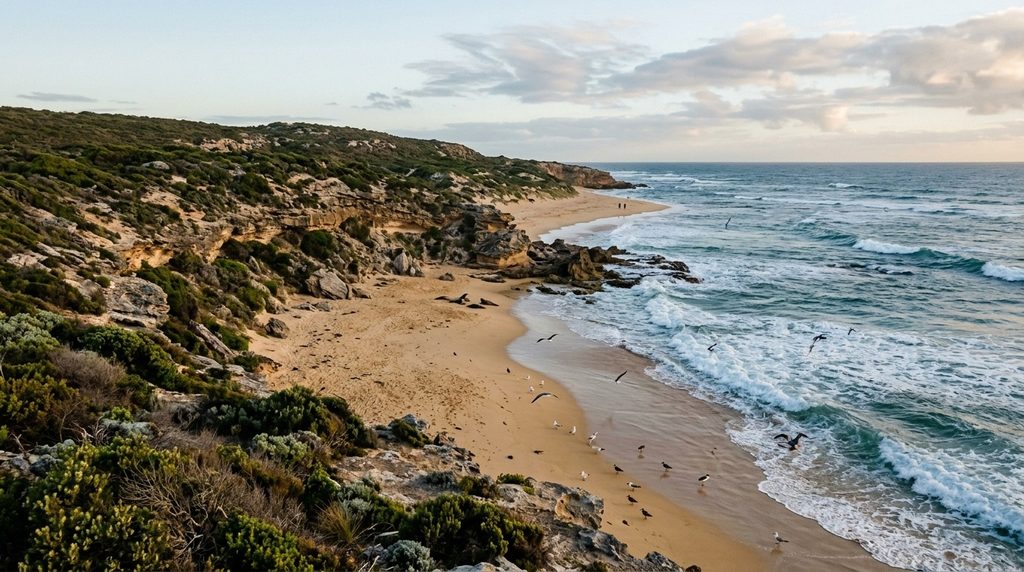
One of the most surprising things about Lofoten is its beaches. The islands are far north, yet several beaches feature pale sand and turquoise-looking water.
The colors can be especially striking on bright days, although the water remains cold for much of the year.
Haukland Beach
Haukland is one of Lofoten’s best-known beaches and is easily combined with nearby coastal walks.
It is a beautiful place for photography, picnics, and short walks even if you have no intention of swimming.
Uttakleiv Beach
Uttakleiv has a rugged coastline with distinctive rocks and open views. It is particularly popular with photographers because of its changing light and dramatic surroundings.
Ramberg Beach
Ramberg Beach provides another scenic coastal stop along the E10 route through the islands.
Its easy accessibility makes it suitable for travelers who want to experience Lofoten’s beaches without committing to a long hike.
Wildlife
The surrounding waters support a variety of marine life and seabirds. Depending on the season and location, organized tours may offer opportunities to see wildlife in its natural environment.
Do not assume sightings are guaranteed. Wildlife encounters depend on conditions and animal behavior.
Protecting the Landscape
Lofoten’s popularity places pressure on its natural environment. Stay on appropriate paths, park responsibly, avoid blocking local roads, and leave natural areas as you found them.
Respecting the landscape helps preserve the experience for both residents and future visitors.
Where to Stay in the Lofoten Islands
Accommodation in Lofoten ranges from traditional fishing cabins to hotels, guesthouses, apartments, campsites, and cabins.
Your choice of location should be based on your itinerary rather than simply selecting the cheapest room.
Reine and Hamnøy
These areas are ideal for travelers who want iconic scenery and quick access to southern Lofoten attractions.
Traditional rorbuer accommodation can make the stay particularly memorable.
Svolvær
Svolvær offers more services and can be convenient for travelers who want restaurants, shops, tours, and transportation connections nearby.
It is also a useful base for exploring the eastern and central parts of Lofoten.
Henningsvær
Henningsvær is a good choice for travelers who enjoy a smaller harbor community with restaurants, galleries, and a distinctive island setting.
Leknes and Surrounding Areas
Leknes can be practical for travelers exploring central Lofoten. It provides access to services and can work well as a base for visiting nearby beaches and hiking areas.
Choosing Your Base
If you have a rental car, you can be more flexible with accommodation location. Without a car, staying close to public transportation becomes much more important.
Book early for summer travel, especially if you want a traditional rorbu or a specific property.
Food and Local Culture in Lofoten
Lofoten’s culture is deeply connected to the sea. Fishing has shaped local communities, traditions, architecture, and food for generations.
A visit becomes more meaningful when you take time to understand that connection rather than viewing the fishing villages simply as picturesque scenery.
Stockfish
Stockfish, particularly dried cod, is one of the region’s defining products. Lofoten has a long history connected with cod fishing and drying.
You may see fish drying on large wooden racks during the appropriate season.
Fresh Seafood
Restaurants across the islands serve seafood in many forms. Depending on the season and restaurant, menus may include cod, salmon, shellfish, and other local or Norwegian specialties.
Traditional Fishing Cabins
Rorbuer were originally fishermen’s cabins and are now a distinctive accommodation option.
Staying in one provides a direct connection to the architecture and history of Lofoten’s fishing communities.
Local Museums
Fishing and cultural museums can provide useful context, particularly if you want to understand how the region developed.
Places such as the Norwegian Fishing Village Museum in Å and other local heritage sites help explain the relationship between people and the sea.
Small-Community Etiquette
Many Lofoten settlements are working communities rather than open-air tourist attractions.
Drive carefully, avoid blocking residential access, respect private property, and keep noise down in small villages.
Practical Tips for Planning a Lofoten Islands Trip
Lofoten is not difficult to visit, but it rewards travelers who prepare for changing conditions.
How Many Days Do You Need?
Five to seven days is a useful starting point for seeing several major areas without constantly moving accommodation.
A longer trip allows more flexibility for weather, hiking, photography, and slower exploration.
A short trip can still work, but you will need to prioritize.
Pack for Changing Weather
Weather can shift quickly. Bring waterproof outer layers, warm layers, comfortable walking shoes, and appropriate hiking equipment if you plan to use trails.
Even in summer, conditions can feel cool and windy.
Check Road Conditions
Winter travelers should pay particular attention to road conditions, weather warnings, and driving requirements.
Do not assume that a route is safe simply because it is open.
Reserve Popular Accommodation
Summer is the busiest travel period, and popular accommodation can fill quickly.
Booking ahead is especially important if you want a rorbu, campsite with specific facilities, or accommodation in a small village.
Use Daylight Wisely
In summer, the long daylight hours make it possible to explore at unusual times. In winter, daylight is much more limited.
Plan outdoor activities around actual light conditions rather than assuming standard daytime hours.
Carry Food and Water
When exploring remote areas, do not assume that a café or grocery store will be nearby.
Keep basic snacks and water with you, particularly before long hikes or remote drives.
Leave No Trace
Take your rubbish with you, use designated parking and camping areas, and respect local restrictions.
Lofoten’s landscapes are one of its greatest attractions, and protecting them is part of responsible travel.
FAQs
Is Lofoten Islands worth visiting?
Yes. The Lofoten Islands offer a rare combination of dramatic mountains, beaches, fishing villages, hiking, Arctic scenery, and outdoor activities. They are particularly rewarding for nature and road-trip travelers.
What is the best time to visit the Lofoten Islands?
Summer is ideal for long daylight, hiking, beaches, and road trips, while winter is appealing for snow-covered scenery and northern lights opportunities. The best season depends on your priorities.
How many days do you need in Lofoten?
Five to seven days is a good starting point for exploring several major areas without rushing. Longer trips provide more flexibility for weather and outdoor activities.
Do you need a car in the Lofoten Islands?
A car is not absolutely necessary, but it provides much greater flexibility. Public transportation connects major settlements, while a rental car makes it easier to reach beaches, trailheads, viewpoints, and smaller villages.
Is Lofoten expensive to visit?
Lofoten can be relatively expensive compared with many European destinations, particularly for accommodation, transportation, and dining. Travelers can control costs by choosing self-catering accommodation, planning meals, and traveling outside peak periods.
Conclusion:
The Lofoten Islands offer a travel experience built around landscapes rather than crowded sightseeing schedules. Sharp mountains, quiet fishing villages, Arctic beaches, fjords, hiking trails, and changing skies make almost every journey between destinations part of the adventure. The islands are especially rewarding when you leave enough time to stop, explore, and appreciate the scenery instead of rushing from one landmark to another.
A successful Lofoten trip depends on respecting the weather, planning transportation carefully, choosing accommodation strategically, and allowing your itinerary some flexibility. Whether you visit during the endless light of summer or the darker northern season, the Lofoten Islands can provide an unforgettable introduction to the wild beauty and living culture of northern Norway.
Read more:Matera Italy: A Complete Travel Guide to Italy’s Ancient Cave City