
Japan is famous for neon-lit Tokyo streets, ancient Kyoto temples, Osaka’s food scene, and Mount Fuji. These places absolutely deserve attention, but they represent only part of the country. Beyond the major tourist routes are quiet valleys, coastal villages, historic towns, forested mountains, and remote islands where travel feels much more personal.
For travelers who want something different, discovering the stunning hidden gems off the beaten path in Japan can turn an ordinary vacation into a memorable adventure. You may find yourself walking through a centuries-old town in the morning, soaking in an onsen in the afternoon, and eating dinner at a small family-run restaurant at night.
The best part is that these destinations are not simply “less crowded versions” of Tokyo or Kyoto. Many have their own traditions, landscapes, food, crafts, and history. Japan’s national tourism organization also highlights numerous lesser-known destinations for travelers seeking to go beyond the country’s major cities.
Quick Answer
If you want to experience Japan beyond Tokyo, Kyoto, and Osaka, head toward its quieter regions. Some of the best stunning hidden gems to discover in Japan off the beaten path include Iya Valley in Tokushima, Oki Islands in Shimane, Tsuwano, Motonosumi Shrine in Yamaguchi, Tottori, Fukui, and other rural destinations.
These places offer a different side of Japan: mountain villages, traditional homes, remote islands, historic streets, dramatic coastlines, hot springs, local food, and slower travel.
For first-time visitors, a good strategy is to combine famous cities with one or two less-visited regions. This lets you see Japan’s iconic sights while also experiencing quieter communities and landscapes.
Iya Valley, Tokushima: A Mountain Escape in Shikoku
Deep in the mountains of Shikoku, Iya Valley feels like another world. The region is known for steep mountain landscapes, narrow gorges, traditional houses, hot springs, and unusual vine bridges.
Japan’s National Tourism Organization describes Iya Valley as one of the country’s more secluded mountain areas. Its difficult geography helped preserve its remote character, making it an excellent choice for travelers who want nature rather than large crowds.
What to See in Iya Valley
The Kazurabashi vine bridges are among the area’s most memorable attractions. Traditional thatched homes in the Ochiai hamlet also provide a glimpse into rural Japanese architecture.
Adventure lovers can explore hiking trails, river scenery, mountain roads, and hot springs. The nearby Oboke and Koboke gorges add even more dramatic scenery.
Why Visit?
Iya Valley is ideal if you want:
- Mountain scenery
- Traditional Japanese villages
- Hiking
- Hot springs
- Rural photography
- A slower travel experience
Travel Tip
Public transportation is available, but connections are less frequent than in major Japanese cities. A rental car can make exploring the valley easier, especially if you want to visit several remote areas.
Oki Islands, Shimane: Japan’s Remote Island Paradise
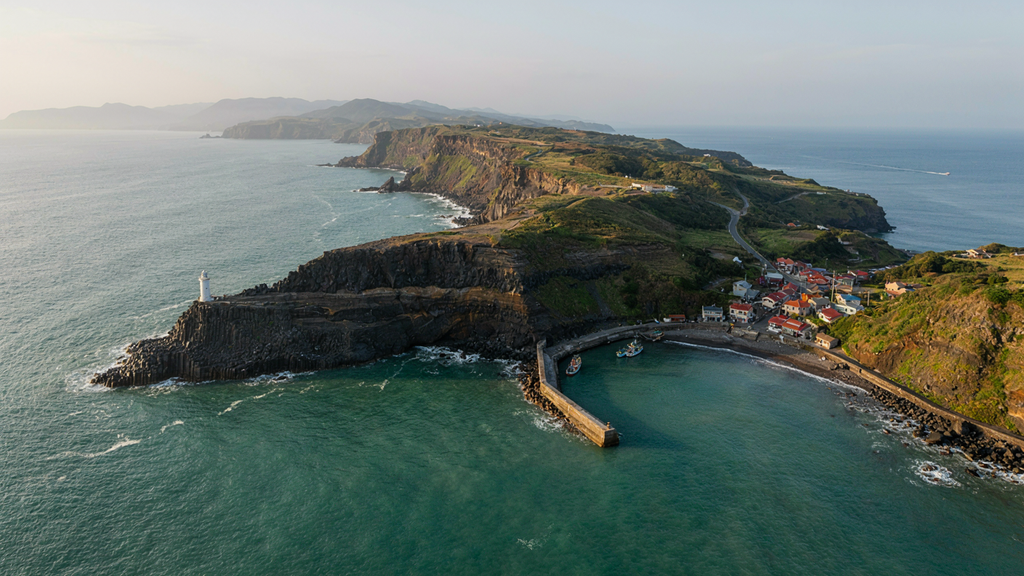
If your idea of a hidden Japanese destination involves islands, cliffs, clear water, and outdoor adventure, put the Oki Islands on your list.
Located off the coast of Shimane, the Oki Islands are recognized as a UNESCO Global Geopark and form part of Daisen-Oki National Park. Only four of the islands are inhabited.
Things to Do in the Oki Islands
The islands are perfect for outdoor travelers. Depending on the season and local conditions, you can enjoy:
- Hiking
- Cycling
- Sea kayaking
- Snorkeling
- Fishing
- Coastal sightseeing
- Local seafood
One standout experience is the Kuniga Coast, where dramatic cliffs meet the sea. Another popular sight is Candle Island, known for its distinctive sunset views.
Why It Is a Hidden Gem
The islands require additional travel by ferry or air, which naturally keeps them away from the standard Tokyo-Kyoto-Osaka itinerary.
That extra effort is part of the attraction.
Travel Tip
Plan your transportation carefully before leaving the mainland. Ferries and local transportation can affect your itinerary, and island travel requires more flexibility than city travel.
Tsuwano, Shimane: Japan’s “Little Kyoto”
Tsuwano is a small mountain town in western Shimane often described as “Little Kyoto.” It offers traditional streets, historic buildings, temples, gardens, and a quieter atmosphere than Japan’s famous former capital.
According to JNTO, Tsuwano is particularly attractive to travelers looking for Japanese history and culture without Kyoto’s crowds.
What Makes Tsuwano Special?
The town’s appeal comes from its atmosphere rather than one enormous attraction.
You can walk through historic neighborhoods, visit traditional sites, explore local museums, and enjoy Japanese gardens. The area also has connections to yabusame, traditional horseback archery.
Tsuwano is also known for its traditional sake breweries, washi paper-making experiences, and nearby hot springs.
Best For
Tsuwano is a strong choice for:
- History lovers
- Couples
- Slow travelers
- Photographers
- Traditional Japan experiences
- Travelers avoiding major crowds
Motonosumi Shrine, Yamaguchi: Torii Gates Above the Sea
Few sights in Japan are as visually striking as Motonosumi Shrine.
The shrine is located on the northwest coast of Yamaguchi Prefecture and is famous for a long row of torii gates leading toward the sea.
JNTO notes that the shrine is away from major towns and is best reached by rental car or taxi because direct bus and train service does not run to the site.
Why Visit Motonosumi Shrine?
The combination of red torii gates, green cliffs, and blue ocean creates an unforgettable landscape.
Nearby, you can also see Ryugu no Shiofuki, a natural sea spray phenomenon created when waves hit the coastal rock formations.
Travel Tip
This is a destination where transportation planning matters. Consider combining Motonosumi Shrine with other Yamaguchi attractions instead of making a long journey solely for the shrine.
Yamaguchi itself offers historic towns, beaches, limestone caves, hot springs, and traditional food, making it useful for a longer regional itinerary.
Tottori: Sand Dunes, Coastlines, and Rural Japan
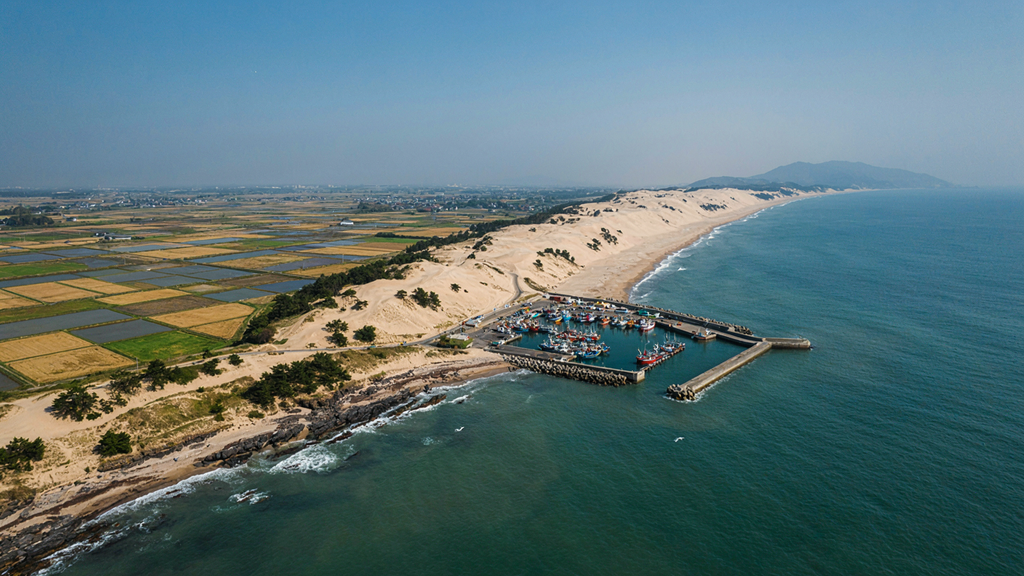
Tottori may not be the first Japanese destination that comes to mind, but that is exactly why it deserves attention.
JNTO describes Tottori as Japan’s least populated prefecture and highlights its natural scenery, traditional culture, rugged coastline, mountains, hot springs, and enormous dunes.
Tottori Sand Dunes
The Tottori Sand Dunes are the region’s best-known attraction. The landscape looks surprisingly different from the Japan most visitors imagine.
You can walk across the dunes, enjoy coastal views, and take part in activities such as sandboarding and paragliding.
Beyond the Dunes
Do not stop after visiting the dunes.
Explore rural towns, coastal scenery, local seafood, hot springs, and nearby mountains. Mt. Daisen and Mt. Mitoku are also important natural and cultural destinations in the region.
Why Add Tottori to Your Trip?
Tottori works particularly well for travelers who want:
- Nature
- Photography
- Beaches
- Hiking
- Local food
- Unique landscapes
- Fewer international tourists
Fukui: Dinosaurs, Zen Temples, and Dramatic Coastlines
Fukui is another excellent option for travelers willing to move beyond Japan’s most famous cities.
The prefecture combines Buddhist heritage, rugged coastline, traditional crafts, seafood, historic sites, and one of Japan’s most famous dinosaur museums. JNTO highlights Eiheiji Temple, Tojinbo cliffs, Maruoka Castle, Echizen pottery, and the Fukui Prefectural Dinosaur Museum among its major attractions.
Eiheiji Temple
Eiheiji is a major Zen Buddhist temple located in a forested mountain setting.
Instead of simply checking another temple off your list, slow down and appreciate the architecture, quiet surroundings, and atmosphere.
Tojinbo Cliffs
Tojinbo offers dramatic coastal scenery with towering rock formations along the Sea of Japan.
It is particularly appealing to photographers and travelers who enjoy landscapes.
Travel Tip
Fukui is relatively accessible from major cities. JNTO notes that the region can be reached by rail from Osaka, Kyoto, Nagoya, and Kanazawa.
Hagi, Yamaguchi: A Preserved Samurai Town
History lovers should consider Hagi, a beautifully preserved former castle town in Yamaguchi.
JNTO highlights Hagi for its preserved historic character, samurai history, pottery traditions, and cultural significance.
What to Experience
Walk through old neighborhoods and look for traditional architecture, quiet lanes, gardens, and historic residences.
Hagi is also associated with Hagi-yaki, a traditional Japanese pottery style valued by collectors and tea enthusiasts.
Why Hagi Is Different
Instead of visiting a reconstructed theme park version of samurai Japan, Hagi provides a chance to experience a historic town where the old street pattern and buildings remain part of the local landscape.
It is a great choice for travelers interested in:
- Samurai history
- Japanese pottery
- Traditional architecture
- Local culture
- Walking tours
- Slow travel
Iwami Ginzan and Rural Shimane: Japan’s Mining Heritage
Shimane is one of Japan’s best regions for travelers who want history and rural landscapes together.
The Iwami Ginzan Silver Mine is a UNESCO World Heritage Site and forms part of Shimane’s rich historical landscape. The region also includes traditional towns, shrines, crafts, and the performing art of Iwami Kagura.
Why Visit?
Iwami Ginzan is interesting because its story is connected to industry, trade, local communities, and Japan’s wider history.
Instead of rushing from one landmark to another, take time to explore the surrounding historic landscape.
Add Tsuwano
If you are already traveling through western Shimane, combining Iwami Ginzan with Tsuwano can create a strong off-the-beaten-path itinerary.
Both destinations give you a very different experience from Tokyo or Kyoto.
Yamaguchi’s Akiyoshido Cave and Rural Landscapes
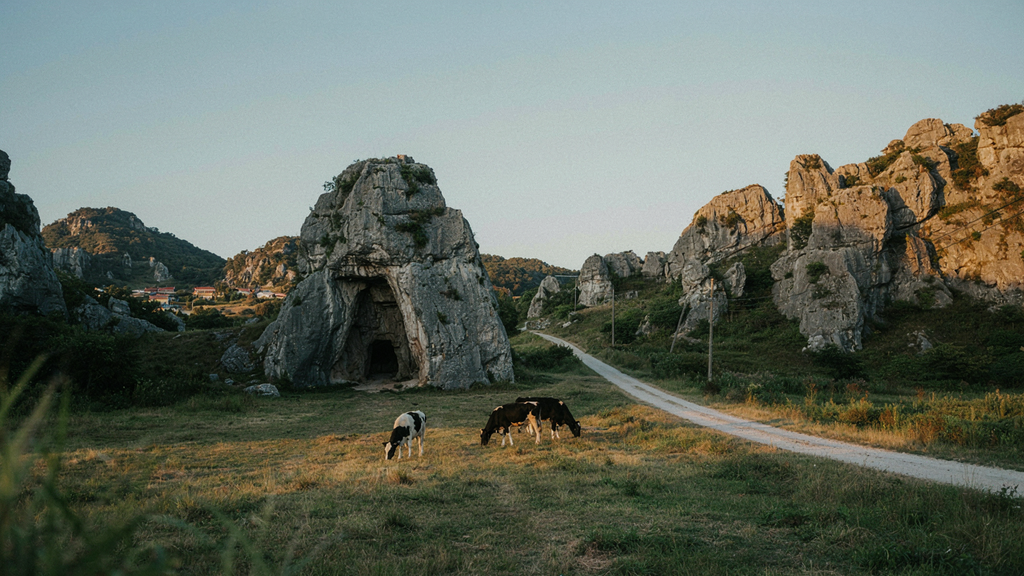
Japan’s hidden gems are not limited to temples and villages.
Akiyoshido, located in Yamaguchi, is the country’s largest limestone cave and one of the region’s most impressive natural attractions.
The cave provides a completely different experience from traditional Japanese sightseeing.
Why Add It to Your Route?
Akiyoshido works well as part of a Yamaguchi road trip because the prefecture offers several other attractions, including Hagi, coastal scenery, hot springs, and Motonosumi Shrine.
This is one reason regional travel can be more rewarding than trying to visit isolated attractions from Tokyo.
The Ama Diving Experience: Meet Japan’s Traditional Free Divers
For something truly different, look for an ama diving experience.
Ama are traditional female free divers who collect seafood from coastal waters. JNTO highlights the cultural experience of visiting seaside huts where travelers can enjoy locally caught seafood and hear stories connected to the ama tradition.
This is a perfect example of why off-the-beaten-path travel is about more than finding an empty viewpoint.
The most memorable experiences often involve meeting local people, learning about traditional work, and understanding how communities have lived for generations.
Travel Tip
Book cultural experiences through reputable local tourism organizations and follow photography rules. Treat local traditions as living culture rather than simply a photo opportunity.
Hidden Gems in Japan: Quick Comparison
| Destination | Best For | Main Experience | Ideal Trip Style |
| Iya Valley | Nature lovers | Mountains, bridges, onsen | Adventure |
| Oki Islands | Outdoor travelers | Islands, cliffs, kayaking | Adventure |
| Tsuwano | History lovers | Historic streets, culture | Slow travel |
| Motonosumi Shrine | Photographers | Torii gates and coastline | Road trip |
| Tottori | Nature lovers | Dunes and coast | Regional trip |
| Fukui | Culture & history | Zen, cliffs, dinosaurs | Family/cultural |
| Hagi | History lovers | Samurai town | Slow travel |
| Iwami Ginzan | Heritage travelers | Mining history | Cultural |
| Akiyoshido | Adventure travelers | Limestone cave | Nature |
| Ama experience | Culture lovers | Traditional fishing culture | Cultural |
Pros and Cons of Traveling Off the Beaten Path in Japan
| Pros | Cons |
| Fewer crowds | Transportation can be less frequent |
| More local experiences | English may be less common |
| Beautiful natural scenery | Some destinations require a car |
| Authentic regional food | Restaurants may have limited hours |
| More relaxed pace | Planning takes more effort |
| Opportunities for unique photos | Some areas are far from major cities |
How to Plan a Hidden-Gem Japan Trip
Do Not Try to Visit Too Many Places
Japan looks compact on a map, but traveling between remote regions can take time.
Instead of attempting ten destinations in one trip, choose two or three regions.
For example:
Tokyo → Fukui → Tottori → Yamaguchi
or:
Osaka → Tokushima → Iya Valley → Takamatsu
A slower itinerary gives you more time to enjoy each place.
Combine Famous and Lesser-Known Destinations
First-time visitors do not need to avoid famous Japan completely.
A better strategy is:
Tokyo + rural destination
Kyoto + Fukui
Osaka + Tokushima
Hiroshima + Yamaguchi
Matsue + Oki Islands
This approach gives you the best of both worlds.
Check Transportation Before You Go
Japan’s major cities have excellent public transportation, but remote regions can work differently.
Some rural attractions have limited buses, while others are much easier to explore by car.
Iya Valley, for example, can involve local buses and longer connections, while Motonosumi Shrine is best reached by car or taxi.
Money and Payment Tips for Rural Japan
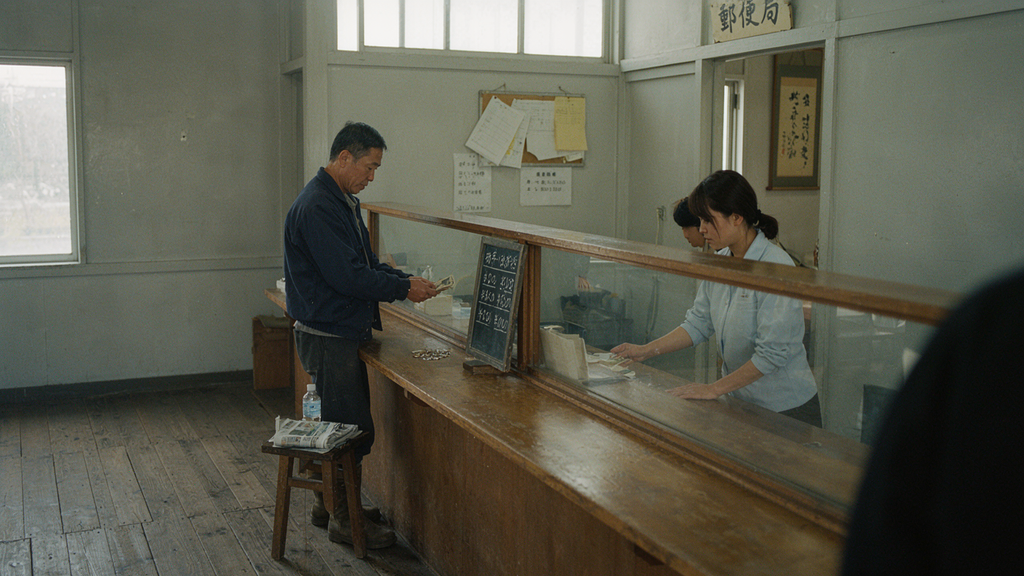
Do not assume every small restaurant or rural business accepts international cards.
JNTO specifically advises travelers visiting rural and off-the-beaten-track areas to check payment options in advance and carry cash because some businesses may still require it.
IC cards can be extremely useful for trains, buses, vending machines, convenience stores, and other everyday purchases, although acceptance varies by location and service.
Simple Rule
Carry:
- A credit/debit card
- An IC travel card where useful
- Some Japanese yen
- A backup payment method
Expert Tips for Discovering Japan’s Hidden Gems
Travel on Weekdays
If possible, visit popular regional attractions on weekdays.
You may enjoy quieter streets and easier access to restaurants and transportation.
Stay Overnight
Do not automatically make every hidden destination a day trip.
Staying overnight lets you see the area in the early morning and evening when day visitors have left.
Eat Local
Try regional specialties instead of relying on familiar international restaurants.
Local food is one of the easiest ways to understand a region.
Learn Basic Japanese Phrases
A few simple phrases can make rural travel easier.
Useful examples include:
- Konnichiwa — Hello
- Arigatou gozaimasu — Thank you
- Sumimasen — Excuse me
- Eki wa doko desu ka? — Where is the station?
- Ikura desu ka? — How much is it?
Respect Local Communities
Off-the-beaten-path destinations are often residential communities rather than tourist zones.
Keep noise low, follow photography rules, stay on marked paths, and avoid entering private property.
Common Mistakes to Avoid
Treating Rural Japan Like Tokyo
Do not expect trains every few minutes.
Remote areas operate at a slower pace.
Planning Everything Last Minute
Accommodation, regional buses, ferries, and cultural experiences can require planning.
Carrying No Cash
Some rural businesses still accept cash only.
Rushing Through a Region
Spending three hours traveling for a one-hour visit is rarely the best travel experience.
Stay longer when possible.
Ignoring Seasonal Conditions
Mountain roads, ferries, hiking trails, and outdoor attractions can be affected by weather.
Always check local conditions before traveling.
Best Time to Explore Hidden Japan
There is no single best season because each region has its own appeal.
Spring
Spring brings cherry blossoms and comfortable temperatures. Historic towns and mountain regions can be especially beautiful.
Summer
Summer is ideal for hiking, island adventures, coastal activities, and festivals. Tokushima is particularly famous for the Awa Odori festival in August.
Autumn
Autumn is one of the best seasons for rural Japan. Mountain valleys, temples, gardens, and historic towns can become spectacular as foliage changes.
Winter
Winter is excellent for travelers interested in hot springs, snow landscapes, winter food, and quieter travel.
Always check seasonal transportation and weather before visiting remote areas.
Suggested 10-Day Hidden Japan Itinerary
If you want to build a trip around several of these destinations, consider a route such as:
Days 1–2: Osaka
Use Osaka as your starting point and enjoy its food and city atmosphere.
Days 3–4: Fukui
Travel north and explore Eiheiji, coastal scenery, and regional food.
Days 5–6: Tottori
Continue toward Tottori for the dunes and coastal landscapes.
Days 7–8: Shimane
Explore Tsuwano or the Iwami Ginzan area.
Days 9–10: Yamaguchi
Finish with Hagi, Akiyoshido, or Motonosumi Shrine.
This is only a framework. Actual travel times, seasonal schedules, and transportation should be checked before booking.
FAQs
What are the best hidden gems in Japan?
Some of the best lesser-known destinations include Iya Valley, Oki Islands, Tsuwano, Hagi, Tottori, Fukui, Motonosumi Shrine, and rural Shimane. The best choice depends on whether you prefer nature, history, culture, food, or outdoor adventure.
Where can I go in Japan to avoid crowds?
Rural regions such as Shimane, Tottori, Tokushima, Fukui, and Yamaguchi generally offer quieter experiences than Tokyo, Kyoto, and Osaka. Remote islands and mountain areas can be particularly peaceful.
Is Iya Valley worth visiting?
Yes. Iya Valley is an excellent destination for travelers who enjoy mountains, traditional villages, hiking, hot springs, and dramatic scenery. Its remote location is part of its appeal.
Are Japan’s hidden gems easy to reach without a car?
Some are, but not all. Major regional cities are generally accessible by train, while remote attractions may require local buses, taxis, ferries, or rental cars.
Is Tottori worth visiting for tourists?
Yes. Tottori offers unusual landscapes, including its famous dunes, along with beaches, mountains, hot springs, and traditional culture.
What is the best region in Japan for rural travel?
There is no single answer. Tohoku, Chugoku, Shikoku, Hokuriku, and parts of Kyushu all offer excellent rural experiences. For a first off-the-beaten-path trip, regions such as Yamaguchi, Shimane, Tokushima, Tottori, and Fukui are strong options.
Can Americans travel around rural Japan easily?
Yes, but rural travel requires more planning than visiting major cities. Research transportation, accommodation, payment options, and opening hours before traveling.
Should I carry cash in rural Japan?
Yes. Although cashless payments are increasingly common, JNTO notes that some rural businesses and accommodations may still require cash.
When is the best time to visit Japan’s hidden gems?
Spring and autumn are excellent for comfortable weather and scenery, summer works well for outdoor and island activities, and winter is ideal for snow and hot springs. The best season depends on your chosen destination.
How many hidden gems should I visit on one Japan trip?
For most travelers, two or three regional destinations are enough. Quality is more important than quantity. Spending extra time in each destination will usually create a better experience than rushing between many locations.
Final Thoughts
Japan’s most famous destinations are famous for good reason, but they are not the whole story.
The country’s quieter regions reveal a different side of Japanese life: mountain villages in Shikoku, remote islands in the Sea of Japan, historic castle towns, traditional crafts, coastal shrines, ancient temples, and communities that have maintained their local traditions for generations.
From Iya Valley and the Oki Islands to Tsuwano, Tottori, Fukui, Hagi, and Yamaguchi, there are countless opportunities to step away from the standard tourist route.
The key is not to chase places simply because they are “secret.” Instead, choose destinations that match your interests, slow down, support local businesses, and give yourself enough time to appreciate the region.
If you’re planning a Japan trip in 2026, consider adding at least one lesser-known destination to your itinerary. You may discover that the most unforgettable part of your journey happens far beyond Tokyo, Kyoto, or Osaka.
6 Ethical Alternatives to Airbnb for Responsible Tourists in 2026
Best Small Towns in the USA: 12 Charming Places to Visit in 2026