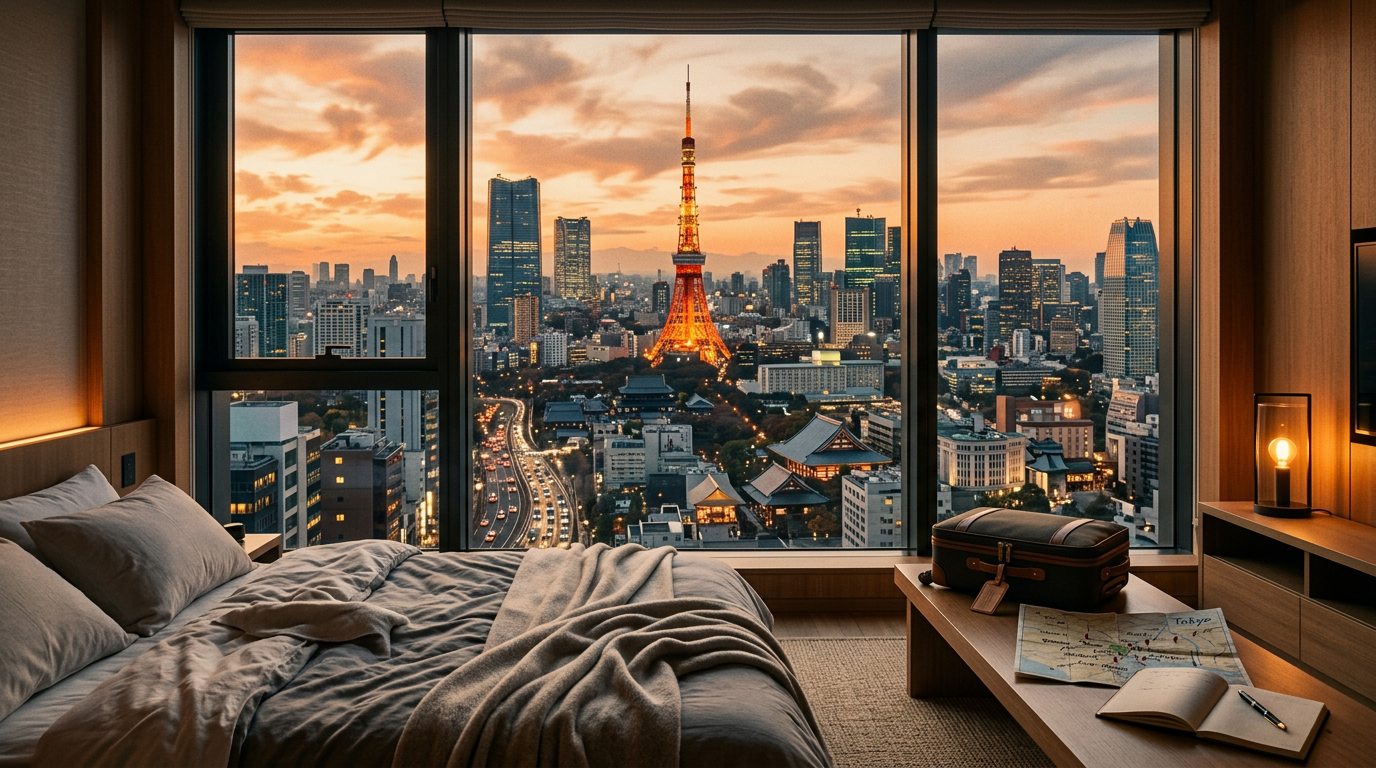
Tokyo can feel overwhelming when you first start planning a trip. The city is huge, its neighborhoods have completely different personalities, and a hotel that looks “central” on a booking website may still be far from the places you actually want to visit.
That is why choosing where to stay in Tokyo deserves more thought than simply searching for the cheapest hotel with good reviews. Your neighborhood affects how much time you spend on trains, how easy it is to return to your hotel after dinner, what kind of restaurants surround you, and what Tokyo feels like when you walk outside.
This Honest Advice for Where to Stay in Tokyo for First-Time & Repeat Travellers (2026) guide focuses on those real-world differences. Tokyo’s official tourism guide also points travelers toward different areas depending on their interests: Asakusa for traditional Tokyo, Shinjuku for
Quick Answer:
If you are visiting Tokyo for the first time, Shinjuku is the best all-around choice for most travelers because it offers excellent transportation, restaurants, shopping, nightlife, and a huge range of hotels.
However, it is not automatically the best neighborhood for everyone.
- Best overall for first-time visitors: Shinjuku
- Best for nightlife: Shibuya
- Best for traditional Tokyo: Asakusa
- Best for budget travelers: Ueno
- Best for luxury: Ginza
- Best for Shinkansen travelers: Tokyo Station
- Best for families: Ueno or Asakusa
- Best for younger travelers: Shibuya
- Best for repeat visitors: Ebisu, Nakameguro, Kiyosumi-Shirakawa, or Yanaka
- Best for airport convenience: Shinagawa or Asakusa, depending on airport and route
The most important piece of advice is simple: choose your Tokyo neighborhood based on your daily plans, not just the hotel price.
Tokyo is enormous, and saving $20 a night is not always a bargain if you spend an extra hour commuting every day.
Best Areas to Stay in Tokyo at a Glance
Before looking at each neighborhood in detail, use this table to narrow down your options.
| Tokyo Area | Best For | Atmosphere | Budget | Transport |
| Shinjuku | First-time visitors | Busy, energetic | $$–$$$ | Excellent |
| Shibuya | Nightlife & younger travelers | Trendy, lively | $$$ | Excellent |
| Asakusa | Traditional Tokyo | Historic, relaxed | $–$$ | Very good |
| Ueno | Budget & culture | Local, casual | $–$$ | Excellent |
| Ginza | Luxury & shopping | Elegant, upscale | $$$–$$$$ | Excellent |
| Tokyo Station | Business & Shinkansen | Modern, central | $$$–$$$$ | Excellent |
| Shinagawa | Transport connections | Business, quieter | $$–$$$ | Excellent |
| Ebisu | Repeat travelers | Stylish, relaxed | $$$ | Very good |
| Ikebukuro | Value & entertainment | Busy, local | $–$$ | Excellent |
Tokyo has hundreds of stations, so being close to a useful station can make a major difference. Tokyo Metro itself recommends travelers pay attention to station names, numbers, and line information when navigating the subway.
Shinjuku – Best Overall Place to Stay in Tokyo

Why stay in Shinjuku?
For most first-time visitors, Shinjuku is the easiest recommendation.
The area combines shopping malls, restaurants, bars, convenience stores, attractions, nightlife, and major train connections. The official Tokyo tourism guide describes Shinjuku as a sprawling area filled with skyscrapers, shopping streets, cafes, bars, and restaurants. The major advantage is transportation.
From Shinjuku, you can reach many popular parts of Tokyo without constantly changing trains. It is also a practical base for day trips outside central Tokyo.
Best for
- First-time visitors
- Couples
- Solo travelers
- Nightlife
- Shopping
- Longer Tokyo stays
- Travelers planning day trips
The downside
Shinjuku can be very busy and confusing, especially around the station.
The station area is enormous, and newcomers can easily spend several minutes simply trying to find the correct exit.
Kabukicho is also lively at night. Some travelers love this energy, while others prefer a quieter hotel street.
My advice
If you choose Shinjuku, do not just search for “Shinjuku.”
Look at the hotel’s walking distance from the station and which side of the station it is on.
For a quieter stay, consider Nishi-Shinjuku or areas south of the station rather than staying directly in the busiest nightlife streets.
Verdict: ⭐⭐⭐⭐⭐
Shibuya – Best for Nightlife, Food and Modern Tokyo
Shibuya is one of the best places to stay if your idea of Tokyo includes neon lights, fashion, cafes, nightlife, shopping, and modern Japanese culture.
The famous Shibuya Scramble Crossing is right outside the station, while side streets offer restaurants, bars, boutiques, and entertainment. GO TOKYO describes Shibuya as a center of modern Japanese culture and notes its strong fashion, arts, shopping, and nightlife scene. Best for
- Young travelers
- Couples
- Nightlife
- Food lovers
- Shopping
- Repeat visitors
- Modern Tokyo experiences
Transport advantage
Shibuya connects with several railway and subway lines, including JR lines and Tokyo Metro routes.
That makes it convenient for exploring areas such as Harajuku, Omotesando and Shinjuku.
The downside
Shibuya is not cheap.
Hotels around the station can become expensive, especially during busy travel periods. The streets can also be loud and crowded.
Best hotel strategy
If you want Shibuya’s atmosphere without being surrounded by crowds every minute, look slightly away from the main crossing.
Areas around Daikanyama or Ebisu can offer a more relaxed experience while keeping you close to Shibuya.
Verdict: ⭐⭐⭐⭐⭐
Asakusa – Best for Traditional Tokyo
If you want your Tokyo trip to include temples, traditional streets, old-fashioned shops, and a slower atmosphere, Asakusa is one of the best choices.
The area is centered around Sensoji Temple, the Kaminarimon Gate, and the Nakamise shopping street. It also sits near the Sumida River and offers easy access to Tokyo Skytree. Best for
- First-time visitors
- Families
- Couples
- Budget travelers
- Traditional Japanese atmosphere
- Photographers
- Travelers who prefer quieter evenings
Why I recommend Asakusa
Asakusa gives you a different side of Tokyo.
Instead of immediately stepping into skyscrapers and massive shopping complexes, you can walk through historic streets and visit one of Tokyo’s most famous temple areas.
It is also relatively easy to reach from Haneda and Narita airports by train, although exact routes depend on the service and time of day. The downside
If your main interests are Shibuya nightlife, Harajuku fashion and western Tokyo, you will spend more time commuting.
Verdict
Choose Asakusa if you want atmosphere over maximum centrality.
Verdict: ⭐⭐⭐⭐½
Ueno – Best for Budget Travelers and Culture
Ueno is one of my favorite recommendations for travelers who want good transportation without paying the premium prices found in Shibuya or Ginza.
The neighborhood combines Ueno Park, museums, markets, casual restaurants and Ameyoko shopping street. GO TOKYO describes Ueno as a mix of spacious historic parkland and busy shopping streets. Best for
- Budget-conscious travelers
- Families
- Museum lovers
- Repeat visitors
- Food travelers
- Longer stays
Why Ueno works
Ueno offers a more everyday Tokyo feeling.
You can spend the morning visiting museums, eat lunch around Ameyoko, and then travel elsewhere in the city.
It also has strong railway connections, making it useful if you are arriving or departing by train.
The downside
Ueno is less glamorous than Ginza or Shibuya.
If your dream Tokyo hotel experience involves rooftop bars and luxury shopping outside your door, this may not be your first choice.
Verdict: ⭐⭐⭐⭐½
Ginza – Best for Luxury Travelers
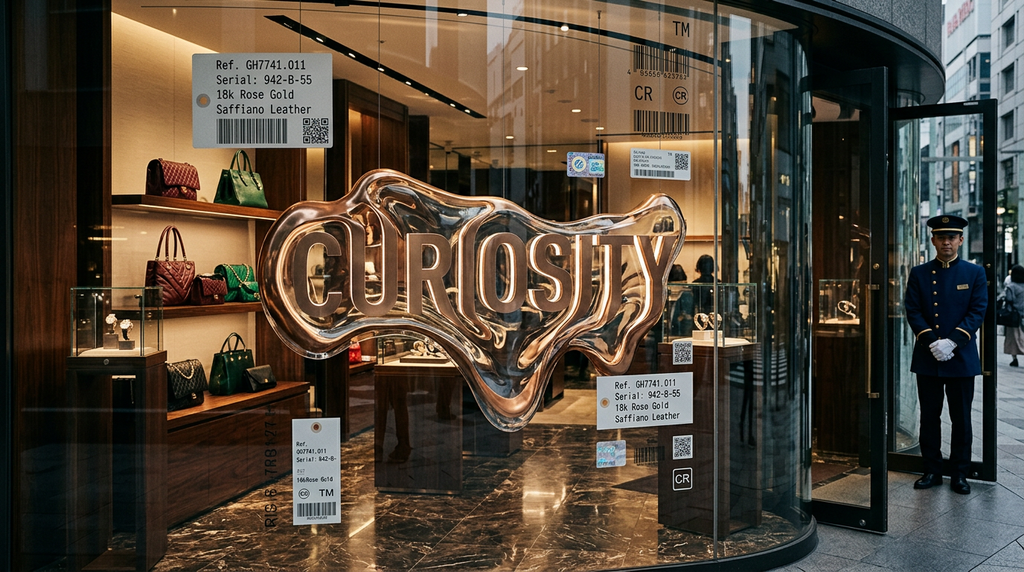
Ginza is ideal for travelers who want an elegant Tokyo experience.
The neighborhood is famous for department stores, luxury brands, restaurants, galleries, and stylish streets. The official Tokyo guide describes Ginza as a sophisticated district where traditional character meets modern shopping and dining. Best for
- Luxury travelers
- Couples
- Business travelers
- Shopping
- Fine dining
- Special occasions
The downside
Price.
Ginza accommodation can be significantly more expensive than staying in areas such as Ueno or Asakusa.
A useful alternative
If you like Ginza but dislike the hotel prices, look toward Yurakucho, Shimbashi or Nihombashi.
You can remain close to central Tokyo while potentially finding better value.
Verdict: ⭐⭐⭐⭐½
Tokyo Station – Best for Shinkansen and Central Location
Tokyo Station is a smart choice if your Japan itinerary includes several cities.
For example, imagine a trip like:
Tokyo → Kyoto → Osaka → Tokyo
Staying near Tokyo Station can make the beginning or end of your trip much easier.
The surrounding Marunouchi area is modern, polished, and close to the Imperial Palace. GO TOKYO specifically recommends Tokyo, Shinagawa, or Ueno for travelers planning to use the Shinkansen. Best for
- Multi-city Japan trips
- Business travelers
- Luxury travelers
- Short stays
- Travelers who value transport
The downside
Tokyo Station is more of a transport and business hub than a classic neighborhood experience.
You may prefer Shinjuku or Asakusa if you want more street-level nightlife and local atmosphere.
Verdict: ⭐⭐⭐⭐½
Shinagawa – Best for Easy Transport
Shinagawa is an underrated choice.
It is particularly useful for travelers who care more about transportation than nightlife.
The neighborhood works well for business trips, short stays, and Japan itineraries that involve the Shinkansen or airport transfers.
Best for
- Business travelers
- Short stays
- Train travelers
- Airport convenience
- Repeat visitors
The downside
Shinagawa does not have the same sightseeing atmosphere as Shibuya, Shinjuku, or Asakusa.
Verdict: ⭐⭐⭐⭐
Ikebukuro – Best for Value and Entertainment
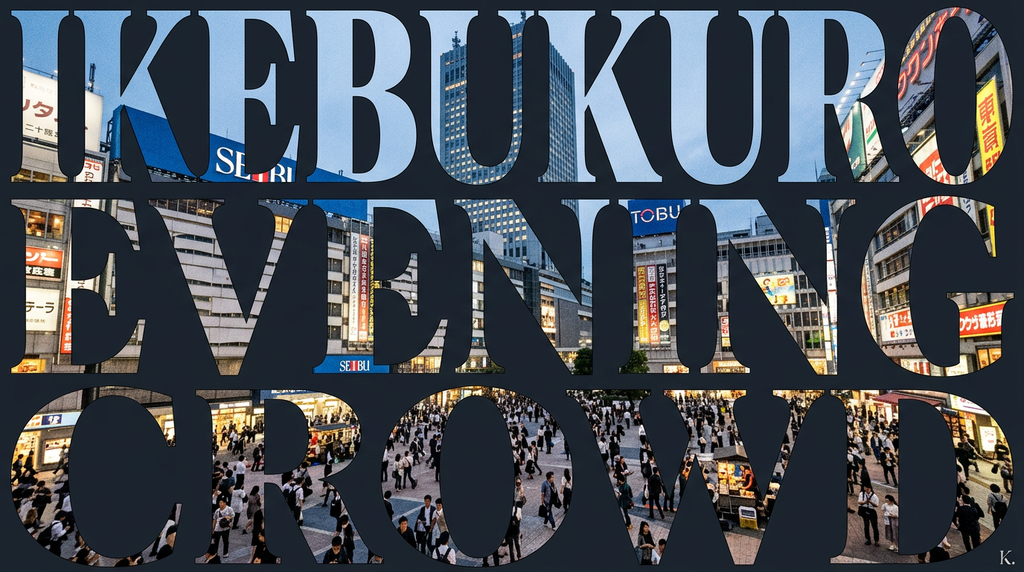
Ikebukuro is worth considering if you want excellent transport and entertainment without automatically paying Shibuya prices.
There are department stores, restaurants, shopping centers, anime-related attractions, and plenty of accommodation.
Best for
- Budget travelers
- Younger travelers
- Families
- Shopping
- Repeat visitors
The downside
It can feel busy and commercial rather than traditionally Japanese.
Verdict: ⭐⭐⭐⭐
Shinjuku vs Shibuya vs Asakusa vs Ueno
This is one of the biggest questions travelers ask when deciding where to stay in Tokyo.
| Feature | Shinjuku | Shibuya | Asakusa | Ueno |
| First visit | ⭐⭐⭐⭐⭐ | ⭐⭐⭐⭐½ | ⭐⭐⭐⭐½ | ⭐⭐⭐⭐ |
| Nightlife | ⭐⭐⭐⭐⭐ | ⭐⭐⭐⭐⭐ | ⭐⭐⭐ | ⭐⭐⭐ |
| Traditional feel | ⭐⭐ | ⭐⭐ | ⭐⭐⭐⭐⭐ | ⭐⭐⭐⭐ |
| Budget | ⭐⭐⭐ | ⭐⭐ | ⭐⭐⭐⭐⭐ | ⭐⭐⭐⭐⭐ |
| Families | ⭐⭐⭐⭐ | ⭐⭐⭐ | ⭐⭐⭐⭐⭐ | ⭐⭐⭐⭐⭐ |
| Shopping | ⭐⭐⭐⭐⭐ | ⭐⭐⭐⭐⭐ | ⭐⭐⭐⭐ | ⭐⭐⭐⭐ |
| Food | ⭐⭐⭐⭐⭐ | ⭐⭐⭐⭐⭐ | ⭐⭐⭐⭐ | ⭐⭐⭐⭐ |
| Transport | ⭐⭐⭐⭐⭐ | ⭐⭐⭐⭐⭐ | ⭐⭐⭐⭐ | ⭐⭐⭐⭐⭐ |
| Quiet evenings | ⭐⭐ | ⭐⭐ | ⭐⭐⭐⭐ | ⭐⭐⭐⭐ |
My simple recommendation
If you still cannot decide:
First trip: Shinjuku
Romantic trip: Shibuya or Ginza
Family trip: Asakusa or Ueno
Budget trip: Ueno or Asakusa
Luxury trip: Ginza
Japan rail trip: Tokyo Station
Repeat trip: Ebisu, Nakameguro or Yanaka
Where Should First-Time Visitors Stay in Tokyo?
For most first-time visitors, I would narrow the choice to three areas:
Shinjuku
Choose Shinjuku if you want maximum convenience and do not mind crowds.
Asakusa
Choose Asakusa if you want traditional Tokyo and potentially better hotel value.
Ueno
Choose Ueno if you want good transport, culture, and reasonable accommodation prices.
The best choice depends on your travel style.
There is no universal “best neighborhood.”
Where Should Repeat Visitors Stay in Tokyo?
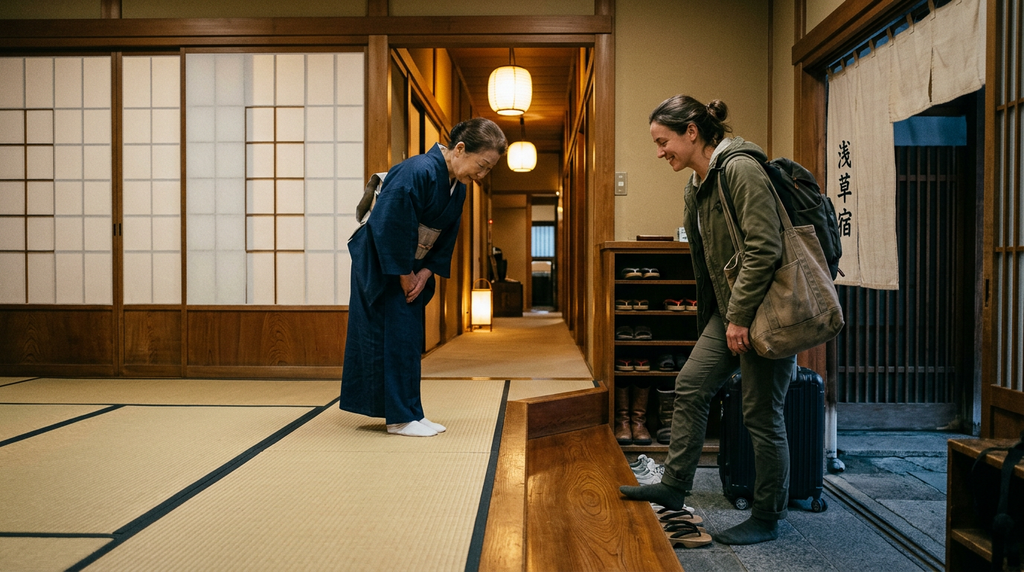
Repeat travelers have more freedom because they have already experienced the famous sights.
Instead of staying directly beside Shibuya Crossing or Sensoji Temple, consider neighborhoods such as:
- Ebisu
- Nakameguro
- Daikanyama
- Yanaka
- Kiyosumi-Shirakawa
- Koenji
- Shimokitazawa
These neighborhoods can give you a more residential and local-feeling Tokyo experience.
Why repeat visitors should consider smaller neighborhoods
Your second or third Tokyo trip is a good time to slow down.
Instead of spending every day rushing between major attractions, you can spend an afternoon visiting small cafes, independent stores, neighborhood parks and local restaurants.
How Much Should You Spend on a Tokyo Hotel?
Tokyo accommodation prices vary heavily by season, hotel quality, location and booking date.
Instead of setting one fixed price, think in categories.
| Hotel Type | Typical Traveler |
| Hostel/dorm | Backpackers |
| Budget business hotel | Solo travelers and couples |
| Mid-range hotel | Most tourists |
| Upscale hotel | Couples and families |
| Luxury hotel | Special occasions |
The biggest money-saving trick
Do not automatically book the hotel closest to a famous attraction.
A hotel that is a 5–10 minute walk from a major station can sometimes offer better value than one directly beside the station.
At the same time, do not go too far out just to save money.
Your transportation time has value too.
Tokyo Hotel Location Matters More Than Hotel Size

One common mistake American travelers make is comparing Tokyo hotels using the same expectations they might use in the United States.
Tokyo hotel rooms can be compact.
A smaller room does not necessarily mean a bad hotel.
Instead, prioritize:
- Cleanliness
- Station access
- Guest reviews
- Bed comfort
- Bathroom quality
- Luggage storage
- Air conditioning
- Noise level
- Check-in rules
- Neighborhood
A 16-square-meter room in an excellent location can sometimes be more useful than a much larger room that requires multiple train transfers every day.
How Close Should Your Hotel Be to a Train Station?
For a first Tokyo trip, I recommend staying within about 5–10 minutes’ walk of a useful station.
But there is an important detail:
Not every station is equally useful.
A hotel may advertise itself as “near Tokyo Station” while actually being closer to another station.
Before booking, open a map and check:
- Walking distance
- Which line serves the station
- Number of transfers to your main attractions
- Airport route
- Late-night transportation
- Nearby convenience stores
- Restaurants
Tokyo Metro provides station guidance specifically for visitors who are unfamiliar with the subway system.
Hotel, Ryokan or Apartment: Which Should You Choose?
Hotel
Best for:
- First-time visitors
- Couples
- Families
- Short trips
- Easy check-in
Ryokan
Best for:
- Traditional Japanese experience
- Special occasions
- Travelers wanting Japanese-style rooms
Apartment or private lodging
Can work well for longer stays, but travelers should verify that the property is legally operated and meets local requirements. GO TOKYO specifically advises visitors to check the reliability and legality of private lodging because some facilities may operate outside Japanese regulations. My recommendation
For a first Tokyo visit, a well-reviewed hotel near a major station is usually the easiest choice.
Transportation Tips That Can Save You Time
Tokyo’s train system is excellent, but it can feel complicated at first.
Use an IC card
A rechargeable IC card such as Suica or PASMO can make daily train and subway travel much easier. GO TOKYO recommends rechargeable IC cards for visitors exploring Tokyo.
Learn your station exit
Tokyo stations can have many exits.
Do not just remember:
“Shinjuku Station.”
Remember:
“South Exit” or the specific exit recommended by your hotel.
Avoid unnecessary hotel changes
If you are visiting Tokyo for four or five nights, changing hotels every two nights usually creates more work than it saves.
Pick one good base and explore from there.
Best Tokyo Areas by Traveler Type
For Solo Travelers
Best: Shinjuku, Ueno, Shibuya
Solo travelers often benefit from areas with plenty of restaurants and easy public transportation.
For Couples
Best: Ebisu, Shibuya, Ginza, Asakusa
Couples can choose between nightlife, luxury, or traditional atmosphere.
For Families
Best: Asakusa, Ueno, Tokyo Station
Look for larger rooms, elevators, laundry facilities and easy station access.
For First-Time Visitors
Best: Shinjuku
It provides a strong balance of sightseeing, transport, food and entertainment.
For Repeat Visitors
Best: Ebisu, Nakameguro, Yanaka or Kiyosumi-Shirakawa
These areas can provide a different side of Tokyo.
Common Mistakes When Booking Tokyo Accommodation
Choosing the cheapest hotel
Cheap is not always cheap if you lose hours commuting.
Ignoring station distance
A 15-minute walk with luggage can feel much longer than it sounds.
Staying too close to nightlife
If you are a light sleeper, a lively nightlife district may become annoying.
Booking without checking the room size
Tokyo hotel rooms can be much smaller than some American travelers expect.
Moving hotels too often
Changing accommodation creates extra packing, checking out, and transportation time.
Ignoring airport transportation
Check your arrival airport before choosing a hotel.
Haneda and Narita are in different directions, so airport convenience varies by neighborhood.
Booking an unverified private rental
Always confirm that private accommodation is legitimate and properly operated.
Expert Tips for Choosing Where to Stay in Tokyo
Plan backward from your daily itinerary
If your itinerary is mostly Shibuya, Harajuku and Shinjuku, staying in western Tokyo makes sense.
If you plan to visit Asakusa, Ueno, Akihabara and Tokyo Station, eastern or central Tokyo may be better.
Look at your hotel on a map
Do not trust only the neighborhood name.
Look at the actual street.
Read recent reviews
Pay special attention to comments about:
- Noise
- Cleanliness
- Mattress comfort
- Room size
- Station access
- Staff
- Luggage storage
Consider your arrival time
If your flight lands late, a simple route from the airport can be more valuable than a trendy neighborhood.
Think about your final day
If you are taking a Shinkansen or early airport train, staying near a useful railway station on the final night can make your departure easier.
Tokyo Accommodation Checklist
Before booking your hotel, check these points:
- Is it within 5–10 minutes of a useful station?
- Is the station served by a line you will actually use?
- Does the hotel have recent positive reviews?
- Is the room large enough for your luggage?
- Does it offer luggage storage?
- Is the neighborhood quiet enough for you?
- Are restaurants open nearby?
- Is there a convenience store nearby?
- Can you easily reach your airport?
- Can you reach Tokyo Station easily if taking a Shinkansen?
- Are taxes and fees included in the displayed price?
- Is the accommodation properly licensed if it is a private rental?
Tokyo Accommodation Tax: What Travelers Should Know
Tokyo currently applies an accommodation tax to qualifying hotel and ryokan stays.
Under the current system, stays below ¥10,000 per person per night are not taxed. Qualifying stays from ¥10,000 to under ¥15,000 are subject to ¥100 per person per night, while stays of ¥15,000 or more are subject to ¥200. Tokyo has announced a planned change from April 1, 2027, so travelers booking future trips should check the latest official rules. This is a small cost compared with a hotel bill, but it is worth checking whether your quoted room rate includes all applicable charges.
Best Area to Stay in Tokyo for a 3-Day Trip
If you only have three days, location becomes even more important.
Day 1: Shibuya + Harajuku + Shinjuku
Stay in Shinjuku or Shibuya.
Day 2: Asakusa + Ueno + Akihabara
Ueno or Asakusa becomes very convenient.
Day 3: Tokyo Station + Ginza + nearby attractions
Central Tokyo works well.
GO TOKYO’s own three-day itinerary groups Asakusa and Ueno together, then Shibuya, Harajuku and Yoyogi, followed by areas such as Tokyo Station and Ginza.
Best Area to Stay in Tokyo for 7 Days
With seven days, you have more freedom.
I would still recommend one hotel for the entire stay unless you have a specific reason to move.
A good seven-day base could be:
Shinjuku: Best all-around
Ueno: Best for value
Asakusa: Best for traditional atmosphere
Shibuya: Best for modern Tokyo
For a longer trip, you can take day trips while keeping your Tokyo hotel as your home base.
Final Recommendation: Where Should You Actually Stay?
After comparing Tokyo’s major neighborhoods, here is the honest answer.
Choose Shinjuku if:
You want the easiest all-round first trip.
Choose Shibuya if:
You care about nightlife, fashion, cafes and modern Tokyo.
Choose Asakusa if:
You want temples, traditional streets and a calmer atmosphere.
Choose Ueno if:
You want good transportation and better value.
Choose Ginza if:
You want luxury, shopping and fine dining.
Choose Tokyo Station if:
You are combining Tokyo with Kyoto, Osaka or other Shinkansen destinations.
Choose Shinagawa if:
Transportation is your top priority.
Choose Ikebukuro if:
You want entertainment and value outside the most famous tourist districts.
Choose a smaller neighborhood if:
You are a repeat traveler who wants a more local-feeling experience.
Frequently Asked Questions
What is the best area to stay in Tokyo for first-time visitors?
Shinjuku is the best overall choice for many first-time visitors. It combines excellent transportation with restaurants, shopping, entertainment, and many accommodation options.
Is Shinjuku or Shibuya better for tourists?
Shinjuku is generally better for travelers who prioritize transportation and variety, while Shibuya is better for nightlife, fashion, modern culture, and younger travelers.
Is Asakusa a good place to stay in Tokyo?
Yes. Asakusa is excellent for travelers who want traditional Tokyo, temples, local streets and a more relaxed atmosphere. It also has useful subway connections.
Where should I stay in Tokyo on a budget?
Consider Ueno, Asakusa or Ikebukuro. These neighborhoods can offer better value than premium areas such as Ginza and central Shibuya.
Is Tokyo Station a good place to stay?
Yes, particularly if you are using the Shinkansen or have a multi-city Japan itinerary. It is less suitable if nightlife and neighborhood atmosphere are your main priorities.
Where should families stay in Tokyo?
Asakusa and Ueno are strong choices because they combine attractions, food, transportation, and a more relaxed atmosphere. Tokyo Station is also useful for families who prioritize transportation.
How many nights should I stay in Tokyo?
For a first trip, 4–5 nights is a good starting point. Three nights can cover major highlights, while a week allows you to explore Tokyo at a slower pace.
Should I stay near a Tokyo train station?
Yes. For most travelers, staying within roughly 5–10 minutes’ walk of a useful station makes sightseeing much easier.
Is Tokyo expensive for hotels?
Tokyo has accommodation across many price levels. Hostels, business hotels and budget properties can be much cheaper than luxury hotels in Ginza, Tokyo Station or prime Shibuya.
Is it better to stay in one Tokyo hotel or change hotels?
For most trips, staying in one hotel is easier. Change hotels only when the move provides a meaningful benefit, such as combining a traditional neighborhood experience with a luxury or business district.
Conclusion
For most first-time visitors, Shinjuku offers the strongest all-around combination of transportation, restaurants, shopping, entertainment, and accommodation. Shibuya is better for travelers who want modern Tokyo and nightlife, while Asakusa is ideal for traditional atmosphere. Ueno is a smart value choice, Ginza works beautifully for luxury travelers, and Tokyo Station is especially useful for multi-city Japan trips.
The most important lesson from this Honest Advice for Where to Stay in Tokyo for First-Time & Repeat Travellers (2026) guide is to choose your neighborhood around your itinerary and travel style, not simply the cheapest room.
Before booking, check the hotel’s exact location, walking distance to the station, recent reviews, room size, airport access, and cancellation policy. A few extra minutes of research can make your entire Tokyo trip easier.
Best Places to Visit in Switzerland in Summer: 15 Breathtaking Destinations for 2026
Best Small Towns in the USA: 12 Charming Places to Visit in 2026