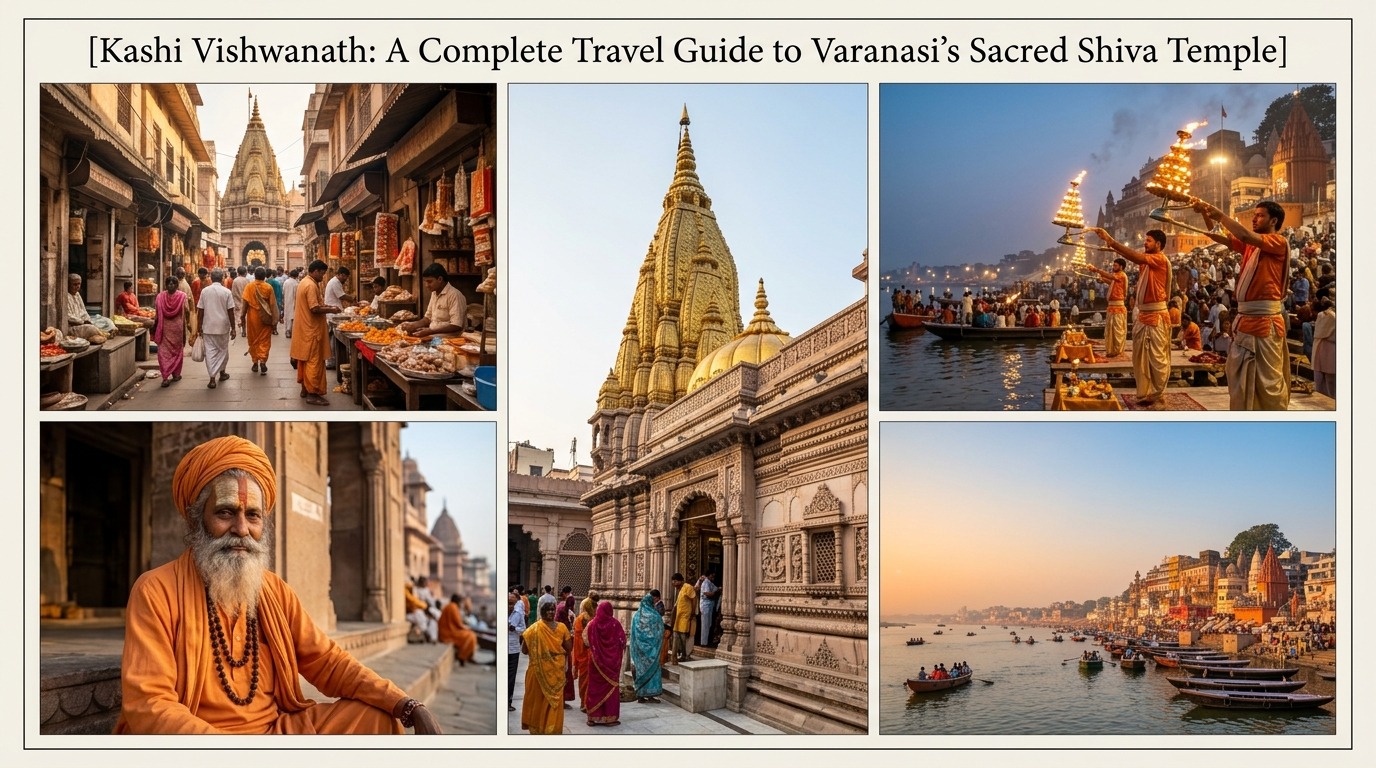
In the ancient city of Varanasi, where temple bells, sacred chants, and the flowing Ganges shape everyday life, Kashi Vishwanath holds a special place in India’s spiritual landscape. Dedicated to Lord Shiva, this revered temple is one of the twelve Jyotirlingas and has drawn pilgrims to Varanasi for centuries.
Visiting Kashi Vishwanath is about more than seeing a historic temple. It is an opportunity to experience the spiritual atmosphere of the old city, explore the nearby ghats, and understand traditions that remain an important part of Varanasi life. With some planning around darshan, accommodation, transportation, weather, and local customs, travelers can enjoy a smoother and more meaningful visit.
History and Religious Significance of Kashi Vishwanath
Kashi Vishwanath Temple is dedicated to Lord Shiva and is traditionally recognized as one of the twelve Jyotirlingas. The name Vishwanath means “Lord of the Universe,” reflecting the temple’s importance in Shaivite tradition.
The temple has a long and complex history, with the present structure dating to the 18th century. The temple and the surrounding city have undergone significant changes over time, yet Kashi Vishwanath remains one of the most important pilgrimage destinations for Hindus.
The temple’s spiritual importance is closely connected with Varanasi itself, one of India’s oldest continuously inhabited cities and a major center of Hindu religious and cultural life.
Why Pilgrims Visit
For devotees, visiting the shrine and receiving darshan of Lord Vishwanath is the central purpose of the journey. Many pilgrims also combine their temple visit with bathing or prayers at the Ganges and visits to other sacred places around Varanasi.
Kashi Vishwanath Temple Architecture and Corridor
The temple complex is recognized for its distinctive architecture and sacred atmosphere. Its gold-covered spires are among the most recognizable features associated with the shrine.
The Kashi Vishwanath Corridor has also transformed access and the surrounding visitor environment, creating a more organized connection between the temple area and the Ganges ghats.
Exploring the Temple Area
The area around the temple remains deeply connected with Varanasi’s traditional streets and religious life. Small shops, flower sellers, food stalls, and other businesses operate around the pilgrimage routes.
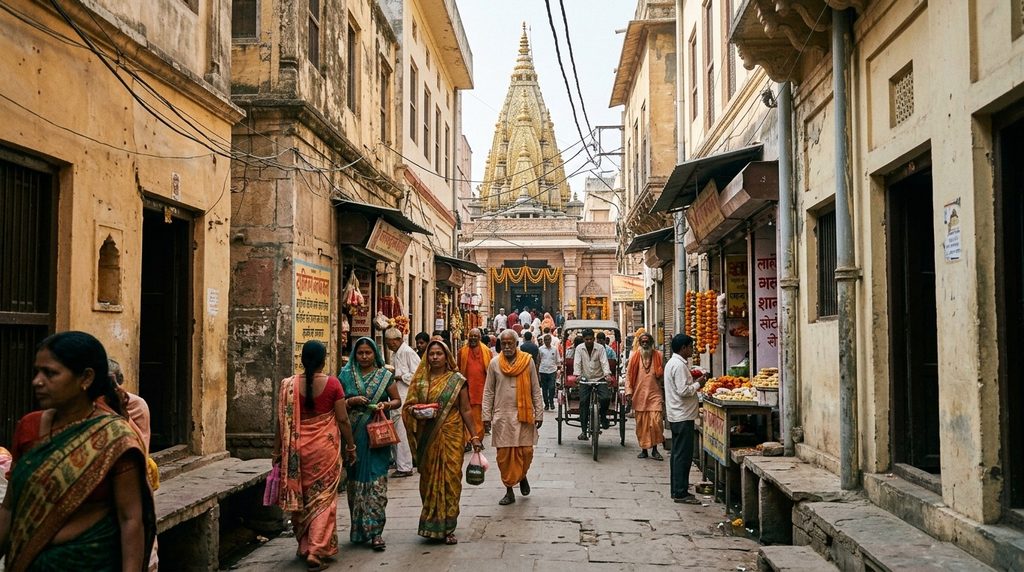
Travelers should expect narrow streets and busy pedestrian areas in parts of the old city. Comfortable footwear and patience are helpful, especially during busy visiting hours.
Kashi Vishwanath Darshan and Temple Rules
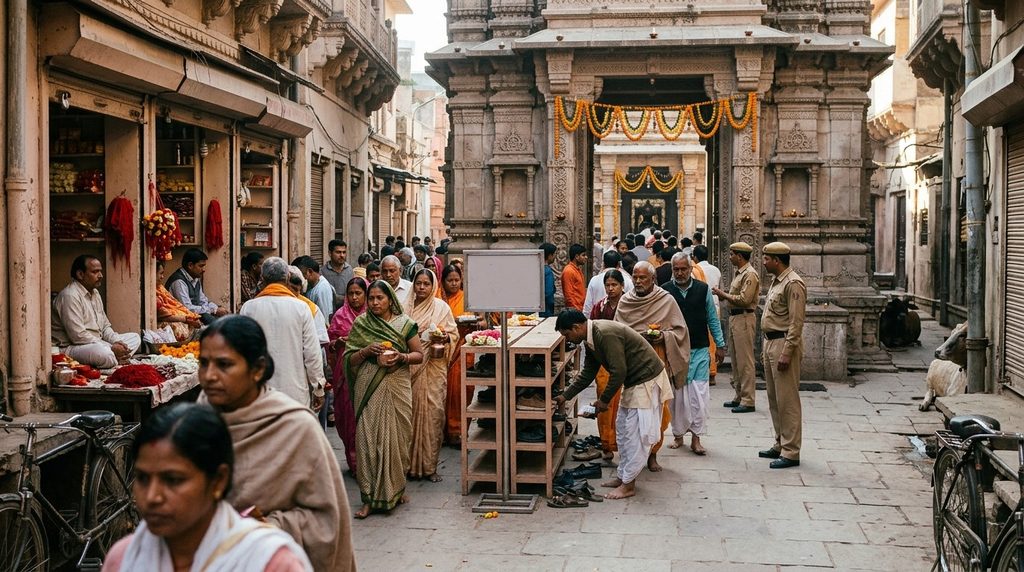
Darshan is the heart of a visit to Kashi Vishwanath. Because the temple attracts large numbers of devotees, entry arrangements, queues, security checks, and available services should be checked before traveling.
Different forms of darshan and worship may be available under the temple administration’s current rules. Travelers should rely on official information for current booking procedures, timings, fees, and access requirements rather than outdated travel websites.
Important Temple Etiquette
Visitors should dress respectfully and follow instructions from temple staff. Security restrictions can apply to bags, electronic devices, and other personal belongings.
Photography may be restricted in certain areas. It is best to follow posted rules and avoid taking photographs where they could interfere with worship or temple security.
Best Time to Visit Kashi Vishwanath
Varanasi can be visited throughout the year, but weather can strongly affect the comfort of a trip. The cooler months from roughly October to March are generally more pleasant for walking through the old city and exploring the ghats.
Summer can be extremely hot, while the monsoon season can bring rain and humid conditions. Winter mornings can be chilly, but they also offer a beautiful atmosphere along the Ganges.
Major religious occasions can attract exceptionally large crowds. Mahashivratri, in particular, is an important celebration for Lord Shiva and can make the temple area much busier than usual.
| Travel Period | General Conditions | Best For |
| October–November | Pleasant to mild | Temple visits and sightseeing |
| December–February | Cool, especially mornings | Ghats, heritage walks, pilgrimage |
| March–April | Increasingly warm | Short city trips |
| May–June | Very hot conditions possible | Travelers comfortable with heat |
| July–September | Monsoon influence | Flexible itineraries |
| Major festivals | Extremely busy | Festival and religious experiences |
How to Reach Kashi Vishwanath
Varanasi is well connected with major cities across India by air, rail, and road. Lal Bahadur Shastri International Airport serves travelers arriving by air, while Varanasi’s railway stations provide extensive train connections.
The temple is located in the historic heart of Varanasi, where roads can become congested and many routes are primarily pedestrian. Travelers may need to leave their vehicle or taxi at an accessible point and continue on foot.
Getting Around Varanasi
Auto-rickshaws, cycle-rickshaws, taxis, and app-based transportation can be useful depending on the location and traffic conditions. Walking is often the most practical way to explore the narrow lanes surrounding the temple and nearby ghats.
Where to Stay Near Kashi Vishwanath
Accommodation in Varanasi ranges from budget guesthouses to comfortable hotels and higher-end properties. Choosing the right location depends on whether your priority is temple access, views of the Ganges, quiet surroundings, or convenient transportation.
Staying near the old city can make early temple visits and ghat walks easier, but the streets may be crowded and less accessible to vehicles. Hotels farther from the temple can provide more space and easier road access.
| Stay Area | Main Advantage | Consider Before Booking |
| Near Kashi Vishwanath | Convenient for pilgrimage | Busy pedestrian streets |
| Around the ghats | Easy access to riverfront | Steps and walking may be required |
| Central Varanasi | Balance of sightseeing and transport | Traffic can be busy |
| Outside the old city | Often easier vehicle access | Longer journey to temple |
| Near railway connections | Convenient for train travelers | May be farther from major ghats |
Things to Do Around Kashi Vishwanath
A temple visit can easily become part of a wider Varanasi itinerary. The city’s ghats, markets, temples, and historic lanes offer travelers a chance to experience its distinctive culture.
The Ganges ghats are especially important. Dashashwamedh Ghat is well known for its evening Ganga Aarti, while other ghats offer quieter places to observe daily rituals and riverside life.
Travelers can also explore the old city’s markets, sample local food, and visit other religious and historic landmarks.
A Simple Varanasi Itinerary
A two-day visit could include:
- Kashi Vishwanath Temple
- Kashi Vishwanath Corridor
- Dashashwamedh Ghat
- Ganga Aarti
- Sunrise or sunset by the Ganges
- Local markets
- Other historic temples and cultural sites
Festivals and Religious Experiences in Varanasi
Religious celebrations give Varanasi a particularly energetic atmosphere. Mahashivratri is closely associated with Lord Shiva, while festivals such as Dev Deepawali can bring spectacular activity to the ghats.
However, major festivals also mean larger crowds, more traffic restrictions, and increased demand for accommodation. Travelers should plan well ahead if they specifically want to visit during a major celebration.
Experiencing the Ganga Aarti
The evening Ganga Aarti is one of Varanasi’s best-known cultural experiences. It takes place at several ghats, with Dashashwamedh Ghat being particularly associated with the ceremony.
Arrive early if you want a good viewing position, especially during busy periods. Remember that the ceremony is a religious practice, so visitors should observe respectfully rather than treating it only as a photographic event.
Food and Local Experiences Near Kashi Vishwanath
Varanasi is known for a distinctive food culture that makes exploring the city an enjoyable part of the journey. Visitors can find local specialties ranging from kachori-sabzi and tamatar chaat to lassi, sweets, and Banarasi paan.
Food hygiene can vary, particularly at busy street stalls. Travelers with sensitive stomachs or dietary restrictions should choose reputable vendors and be cautious with unfamiliar ingredients.
Discovering Old Varanasi
The narrow lanes around Kashi Vishwanath are full of small shops, traditional crafts, religious items, sweets, and local eateries. Walking through these areas can reveal a side of Varanasi that is easy to miss when traveling only between major attractions.
Give yourself time to explore without rushing. The old city is best experienced at a slower pace, with attention to its sounds, architecture, markets, and everyday life.
Practical Tips for Visiting Kashi Vishwanath
A successful temple visit depends on checking current information before you leave. Temple procedures, security arrangements, entry rules, and special-event schedules can change.
Because Varanasi’s old city can be crowded and confusing for first-time visitors, keep your itinerary realistic and allow extra time for walking and queues.
Helpful Travel Tips
- Check official temple information before your visit.
- Carry only essential belongings.
- Follow current security and dress requirements.
- Keep valuables secure in crowded streets.
- Wear comfortable walking shoes.
- Allow extra time for darshan.
- Check festival dates before booking accommodation.
- Carry drinking water when appropriate.
- Respect photography restrictions.
- Keep some flexibility in your schedule for traffic and crowds.
FAQs
Why is Kashi Vishwanath so famous?
Kashi Vishwanath is famous as one of the twelve traditionally recognized Jyotirlingas of Lord Shiva and as one of India’s most important Hindu pilgrimage temples.
Where is Kashi Vishwanath Temple located?
Kashi Vishwanath Temple is located in the old city of Varanasi in Uttar Pradesh, near the Ganges and the historic ghats.
What is the best time to visit Kashi Vishwanath?
October through March is generally more comfortable for exploring Varanasi because temperatures are usually milder. Major festivals can be much more crowded.
How much time is needed for a Kashi Vishwanath visit?
The time required for darshan depends on the entry arrangements and crowd levels. Travelers should reserve additional time for security, queues, and walking through the old city.
Can tourists visit Kashi Vishwanath Temple?
Visitors who meet the temple’s current entry requirements can visit for darshan. Travelers should check official rules regarding entry, clothing, identification, belongings, and photography before arriving.
Conclusion:
Kashi Vishwanath is much more than a famous temple in Varanasi. It is part of a living spiritual landscape where ancient traditions, the Ganges, historic streets, religious ceremonies, and everyday city life come together. For travelers, visiting the shrine can be a deeply cultural experience when approached with patience and respect.
Planning ahead makes a significant difference, particularly when it comes to temple entry, accommodation, weather, and festival crowds. Give yourself time to explore the surrounding ghats and old city rather than treating the temple as a quick stop. With thoughtful preparation, Kashi Vishwanath can become a meaningful part of a memorable Varanasi journey.
Read more:Tirupati Temple: Complete Travel Guide to the Sacred Temple of Lord Venkateswara