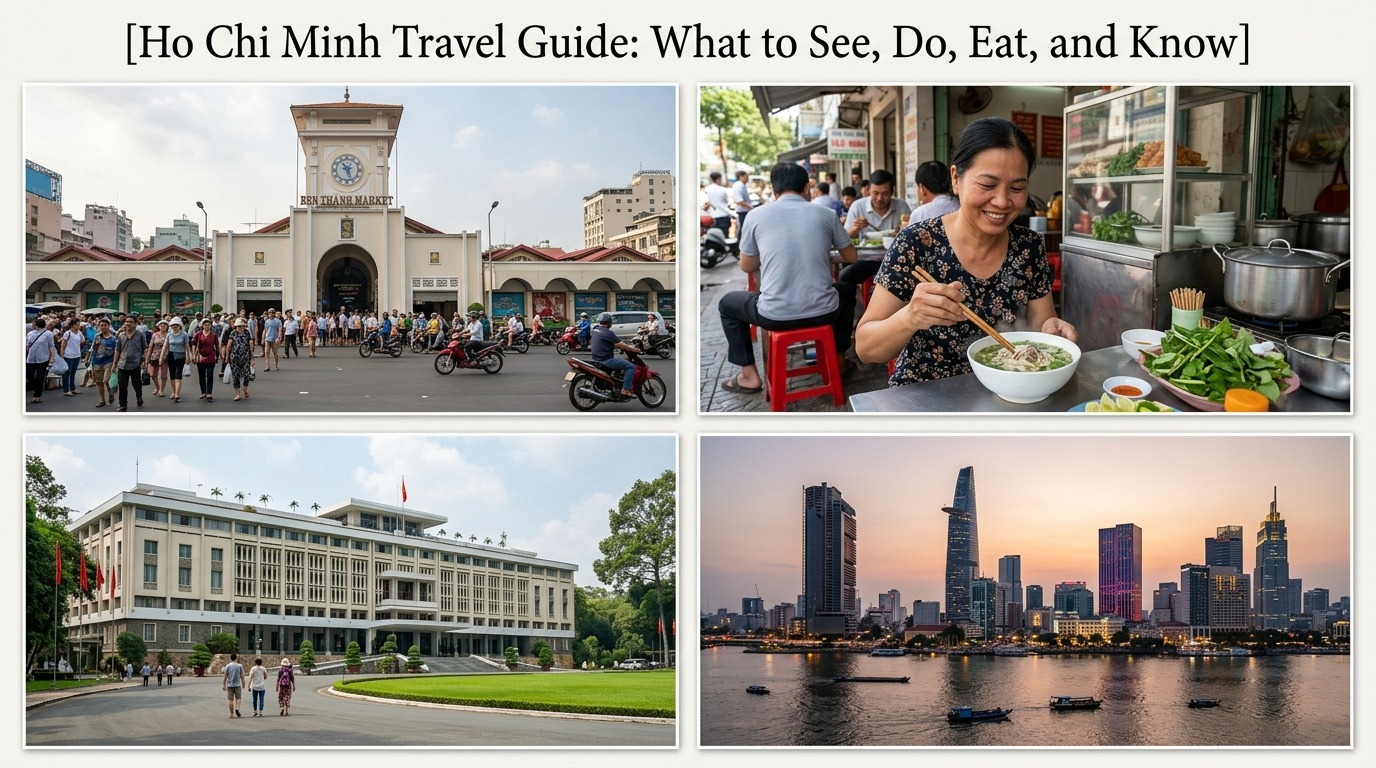
Ho Chi Minh is a city of contrasts, where French colonial buildings, modern skyscrapers, busy markets, quiet pagodas, and countless motorbikes share the same streets. Formerly known as Saigon, Vietnam’s largest city has a fast-moving energy, but it also has plenty of places where travelers can slow down and take in the atmosphere. From historic landmarks and street food to rooftop views and lively neighborhoods, the city offers something for almost every kind of traveler.
Planning a trip to Ho Chi Minh is easier when you understand how the city works before arriving. Knowing where to stay, when to visit, how to get around, what local foods to try, and which attractions deserve your time can make the experience much more enjoyable. Whether you are visiting for a short city break or using Ho Chi Minh as part of a longer Vietnam itinerary, this guide covers the practical details and experiences worth knowing.
Why Visit Ho Chi Minh?
Ho Chi Minh stands out because of the way old and new Vietnam exist side by side. A modern business district can be only a short walk from an old market, while a centuries-old pagoda may sit close to busy commercial streets. The result is a city that feels constantly active without being limited to traditional tourist attractions.
The city is also an excellent introduction to southern Vietnam. You can explore historic sites in the morning, eat local dishes in a small restaurant at lunch, visit a market in the afternoon, and finish the evening at a rooftop bar or riverside area.
For first-time visitors, the biggest attraction may simply be the atmosphere. Traffic, street vendors, coffee shops, markets, and conversations spilling onto sidewalks create a sense of everyday life that is difficult to experience through sightseeing alone.
What Makes the City Different?
Ho Chi Minh has a strong connection to Vietnam’s recent history, while its food, architecture, and neighborhoods reflect much older cultural influences. French colonial architecture remains visible around central District 1, Chinese-Vietnamese heritage is particularly noticeable in Cholon, and modern developments continue to reshape the skyline.
This combination makes the city particularly rewarding for travelers who enjoy exploring beyond a standard list of attractions.
Best Places to Visit in Ho Chi Minh
There is no shortage of things to see in Ho Chi Minh, but some attractions are especially useful for understanding the city’s history and character. The most famous sights are concentrated in central areas, making it possible to visit several of them in a single day.
The Independence Palace is one of the city’s most important historical landmarks. Nearby, the War Remnants Museum offers a detailed and often emotional look at the Vietnam War and its consequences. Visitors should allow enough time for the museum because its exhibitions are more serious than many typical sightseeing stops.
Notre-Dame Cathedral Basilica of Saigon is another well-known landmark, although restoration work may affect what visitors can see at different times. Close by, the Central Post Office remains one of the city’s most recognizable historic buildings and is still a functioning post office.
Ben Thanh Market is another classic stop. It is useful for browsing local products, snacks, souvenirs, clothing, and everyday goods, although prices and shopping experiences can vary considerably between stalls.
More Places Worth Exploring
Nguyen Hue Walking Street is a good place for an evening stroll, especially when the surrounding area becomes lively after sunset. The Saigon River also provides a different perspective of the city, particularly around the central waterfront.
For a change of atmosphere, head toward Cholon, the city’s historic Chinatown area. Binh Tay Market and several traditional temples offer a glimpse into the area’s long Chinese-Vietnamese heritage.
| Attraction | Best for | Suggested time |
| Independence Palace | History and architecture | 1–2 hours |
| War Remnants Museum | Vietnam War history | 2–3 hours |
| Central Post Office | Architecture and photography | 30–60 minutes |
| Ben Thanh Market | Shopping and local atmosphere | 1–2 hours |
| Nguyen Hue Walking Street | Evening walks and city life | 1–2 hours |
| Cholon | Culture, temples, and markets | Half day |
| Saigon River | Riverside views and relaxed evenings | 1–2 hours |
Best Time to Visit Ho Chi Minh
Ho Chi Minh has a tropical climate with generally warm conditions throughout the year. Instead of four sharply defined seasons, travelers usually think in terms of a drier period and a wetter period.
The dry season is generally considered the more comfortable period for sightseeing, while the rainy season can bring short but heavy showers. Rain does not necessarily mean you should avoid the city, however. A shower may pass relatively quickly, and indoor attractions, cafés, museums, and markets give you plenty of alternatives.
December through April is often attractive for travelers who want to spend more time outdoors, while May through November can bring more frequent rain. Weather patterns can vary, so checking the forecast shortly before your trip is sensible.
Is Rain a Problem?
Not necessarily. Rain can temporarily slow down traffic and make walking less convenient, but it can also change the city’s atmosphere. If you travel during wetter months, keep flexible plans and carry a compact rain jacket or umbrella.
Early mornings and later afternoons are often more comfortable for outdoor sightseeing than the hottest part of the day.
How to Get to Ho Chi Minh
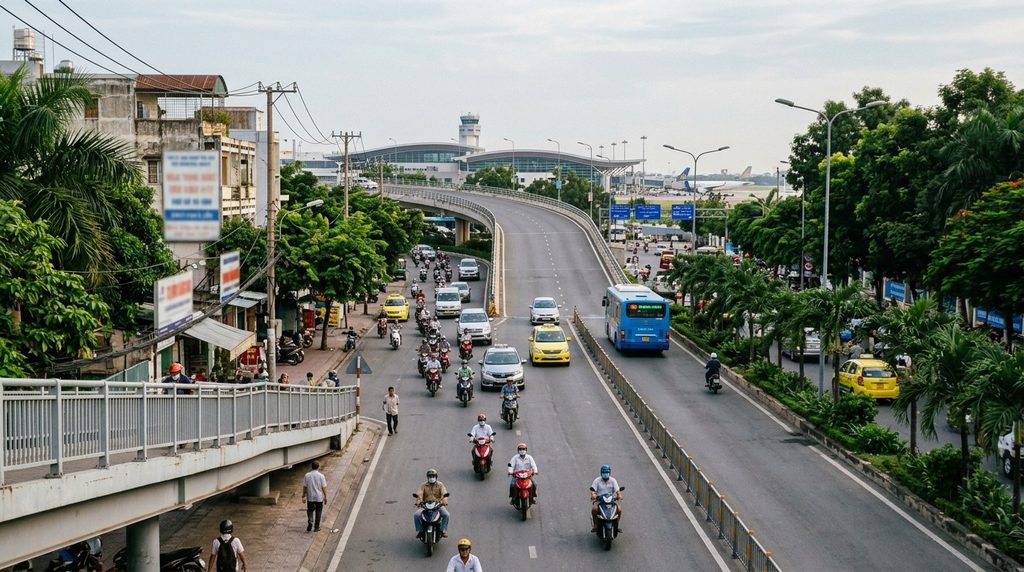
Most international travelers arrive through Tan Son Nhat International Airport, which serves Ho Chi Minh and is located relatively close to the central parts of the city.
From the airport, travelers can use taxis, ride-hailing services, airport transportation, or other local transfer options. Travel time to central areas depends heavily on traffic, particularly during busy periods.
Ho Chi Minh is also connected with other Vietnamese destinations by train, long-distance buses, and domestic flights. If you are traveling from Hanoi, Da Nang, Nha Trang, or another major destination, flying is usually the quickest option for longer distances, while trains offer a slower but more scenic alternative.
Getting Into the City
Before leaving the airport, confirm your transportation method and destination clearly. Ride-hailing apps can be convenient, but travelers should make sure they are meeting the correct driver and vehicle.
If you arrive late at night, having your accommodation address saved offline can make the transfer much easier.
Getting Around Ho Chi Minh
Getting around Ho Chi Minh is an experience in itself. The city is famous for its enormous flow of motorbikes, and crossing busy roads can initially feel intimidating.
Walking works well in central areas where several attractions are close together. For longer distances, taxis and ride-hailing services are convenient options. Motorbike taxis can also be useful for travelers who are comfortable with them.
Public buses are available, but visitors staying for a short time may find taxis and ride-hailing services easier to understand. Traffic can be unpredictable, so allow extra time when traveling to an airport, train station, or scheduled tour.
Tips for Crossing Streets
Do not suddenly run across a busy road. Instead, look for a reasonable gap, move steadily, and avoid making unpredictable movements. Local traffic generally flows around pedestrians who cross in a controlled way.
At first, this can feel uncomfortable, but it becomes easier once you understand the rhythm of the streets.
| Transport option | Best use | Main consideration |
| Walking | Central sightseeing | Best for short distances |
| Ride-hailing | Everyday trips | Convenient and usually easy to arrange |
| Taxi | Airport and city journeys | Use reputable services |
| Motorbike taxi | Quick short trips | Better for confident riders |
| Public bus | Budget travel | Requires more planning |
| Private transfer | Airport or day trips | Convenient for fixed schedules |
Ho Chi Minh Food: What to Eat
Food is one of the strongest reasons to spend time in Ho Chi Minh. The city has everything from inexpensive street stalls to modern restaurants, and many meals are built around fresh herbs, vegetables, noodles, rice, seafood, and grilled meats.
Pho is an obvious choice, but it is only the beginning. Southern Vietnamese cuisine has its own character, often with a balance of sweet, sour, salty, spicy, and fresh flavors.
Banh mi makes an easy breakfast or quick lunch. Banh xeo, a crispy Vietnamese savory pancake, is another dish worth seeking out. Com tam, or broken rice served with grilled meat and other accompaniments, is strongly associated with southern Vietnam.
Vietnamese Coffee
Coffee culture is another essential part of the Ho Chi Minh experience. Vietnamese coffee is often strong and served with sweetened condensed milk, while iced coffee is particularly popular in the city’s warm climate.
Do not rush through café stops. Sitting with a coffee while watching street life is one of the simplest ways to experience the city’s everyday rhythm.
What About Street Food?
Street food can be excellent, but choose stalls that appear busy and have good food turnover. Look for places where ingredients are handled carefully and cooked fresh in front of customers.
If you have dietary restrictions or allergies, communicate them clearly because sauces, broths, and seasonings may contain ingredients you do not expect.
Where to Stay in Ho Chi Minh

Choosing the right neighborhood can make a noticeable difference to your trip. District 1 is the most convenient choice for many first-time visitors because it places you close to major attractions, restaurants, cafés, shopping streets, and nightlife.
District 3 is another appealing option. It is relatively close to central attractions while offering a somewhat different neighborhood atmosphere. Travelers looking for a more modern environment may prefer areas around the newer business districts.
For longer stays, serviced apartments and residential neighborhoods can provide more space and a quieter daily routine.
Choosing the Right Area
If sightseeing is your priority, staying near central District 1 can reduce travel time. If you prefer cafés, local streets, and a slightly calmer atmosphere, District 3 may be worth considering.
Travelers should also think about nighttime noise, especially when choosing accommodation near major nightlife streets.
Shopping and Nightlife in Ho Chi Minh
Shopping in Ho Chi Minh ranges from traditional markets to modern shopping centers. Markets are useful for souvenirs and local products, while contemporary malls offer international brands, air conditioning, restaurants, and entertainment.
Ben Thanh Market is famous among visitors, but it is not the only place to shop. Exploring different markets can give you a better sense of local commerce and everyday life.
For souvenirs, coffee, packaged foods, handicrafts, textiles, and small gifts are common choices. If bargaining is expected, stay polite and decide beforehand what price you are comfortable paying.
Ho Chi Minh After Dark
The city becomes especially lively after sunset. Rooftop venues provide skyline views, while pedestrian areas and restaurant streets fill with locals and visitors.
Bui Vien Walking Street is known for its nightlife and energetic atmosphere. It is not for everyone, particularly travelers who prefer quiet evenings, but it offers a very different side of the city.
For something calmer, consider an evening along the riverfront or dinner at a neighborhood restaurant.
Day Trips From Ho Chi Minh
Ho Chi Minh works well as a base for exploring southern Vietnam. Some of the most popular day trips focus on history, waterways, and rural landscapes.
The Cu Chi Tunnels are among the best-known excursions. The tunnel network provides insight into the underground systems used during the Vietnam War and is often visited as a half-day or full-day trip.
Another major option is the Mekong Delta. Depending on the destination and tour, visitors can travel through smaller waterways, visit villages and markets, see agricultural areas, and learn more about life along the river system.
Choosing Between the Cu Chi Tunnels and Mekong Delta
The Cu Chi Tunnels are more focused on history, while a Mekong Delta trip is generally more about landscapes, waterways, food, and rural life.
If your schedule allows, doing both gives you a broader understanding of southern Vietnam.
| Day trip | Typical focus | Good for |
| Cu Chi Tunnels | History and wartime sites | First-time visitors interested in history |
| Mekong Delta | Rivers, villages, and rural life | Culture and landscapes |
| Can Gio | Mangroves and coastal nature | Outdoor experiences |
| Local Mekong towns | Food and everyday life | Slower-paced exploration |
Practical Tips for Visiting Ho Chi Minh
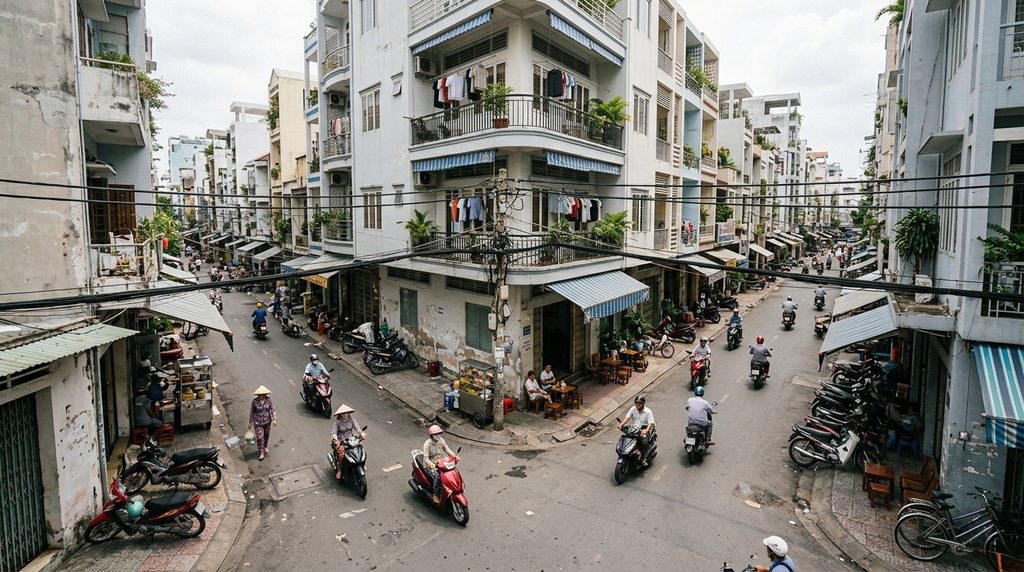
A little preparation goes a long way in Ho Chi Minh. The city is generally easy to explore, but its traffic, heat, crowded streets, and fast pace can be tiring if you try to do too much in one day.
Carry water, wear comfortable footwear, and consider planning your busiest outdoor activities earlier in the day. Keep valuables secure in crowded areas and remain aware when using your phone near busy streets.
Cash remains useful for smaller purchases, although cards and digital payment options are increasingly accepted in many businesses. Having some local currency available is still practical.
Travel insurance is also worth considering, particularly if your trip includes motorbike travel, outdoor activities, or multiple destinations.
A Simple First-Timer Itinerary
With three days, you can comfortably combine central sightseeing, food experiences, and one major day trip.
Day 1: Explore the Independence Palace, War Remnants Museum, Central Post Office, and surrounding central streets.
Day 2: Visit Cholon and its markets and temples, then spend the evening exploring cafés, restaurants, or the riverfront.
Day 3: Take a trip to the Cu Chi Tunnels or Mekong Delta, depending on your interests.
Avoid filling every hour of the itinerary. Ho Chi Minh is a city where wandering through side streets, stopping for coffee, and discovering small restaurants can be just as memorable as visiting major attractions.
FAQs
Is Ho Chi Minh worth visiting for the first time?
Yes. Ho Chi Minh offers a strong combination of history, food, architecture, shopping, nightlife, and everyday city life, making it an appealing introduction to southern Vietnam.
How many days are enough for Ho Chi Minh?
Three to four days is a useful amount of time for most first-time visitors. This allows you to explore major attractions while leaving room for food, neighborhoods, and a day trip.
What is Ho Chi Minh famous for?
Ho Chi Minh is famous for its history, busy motorbike-filled streets, Vietnamese food and coffee culture, colonial architecture, markets, and lively urban atmosphere.
Is Ho Chi Minh expensive for travelers?
Ho Chi Minh can be relatively affordable, particularly for food, local transportation, and casual accommodation. Costs vary considerably depending on your hotel, restaurants, tours, and travel style.
What should I not miss in Ho Chi Minh?
First-time visitors should consider the Independence Palace, War Remnants Museum, Central Post Office, local markets, Vietnamese food and coffee, and either the Cu Chi Tunnels or Mekong Delta.
Conclusion:
Ho Chi Minh is a destination that rewards curiosity. Its major landmarks tell important stories, but the city’s character is also found in small cafés, busy markets, neighborhood restaurants, historic streets, and the constant movement of daily life. Taking time to explore beyond the most famous attractions can make your visit much more meaningful.
Whether you are planning a short stop or a longer Vietnam adventure, Ho Chi Minh offers an easy mix of culture, history, food, and modern city life. With a flexible itinerary and realistic expectations about traffic and weather, you can enjoy the city’s energy while still finding plenty of moments to slow down and appreciate it.
Read more:Lofoten Islands: Complete Travel Guide to Norway’s Arctic Paradise