
If you’re looking for a national park that offers peaceful trails, towering ancient trees, and unforgettable wildlife without overwhelming crowds, 13 Treasures To Explore In Congaree National Park | TravelAwaits is the perfect guide for your next adventure. Located in central South Carolina, Congaree National Park protects one of the largest remaining old-growth bottomland hardwood forests in North America. From scenic boardwalks and quiet hiking trails to kayaking along Cedar Creek, this hidden gem provides a unique outdoor experience for families, couples, solo travelers, and nature lovers alike.
Unlike many of America’s more famous national parks, Congaree rewards visitors with tranquility, rich biodiversity, and breathtaking natural beauty. Whether you’re hoping to witness the magical synchronized fireflies, photograph towering champion trees, camp beneath a star-filled sky, or simply escape into nature, this park has something for everyone. In this guide, you’ll discover the 13 Treasures To Explore In Congaree National Park | TravelAwaits, along with expert travel tips, must-see attractions, and practical advice to help you plan an unforgettable visit in 2026.
Quick Answer
Congaree National Park is South Carolina’s only national park and protects one of the largest remaining old-growth bottomland hardwood forests in North America. Visitors can explore scenic boardwalks, paddle Cedar Creek, hike peaceful trails, watch synchronized fireflies, camp under the stars, and experience incredible wildlife. These 13 treasures showcase the very best of this underrated national park.
Why Visit Congaree National Park?
Many travelers planning a South Carolina vacation head straight to Charleston, Myrtle Beach, or Hilton Head Island. Yet hidden just outside Columbia lies one of America’s most peaceful and fascinating national parks.
Unlike mountain parks filled with steep climbs, Congaree offers an entirely different adventure. Here you’ll wander beneath some of the tallest trees in the eastern United States, paddle quiet waterways, spot rare wildlife, and experience one of the country’s largest protected old-growth floodplain forests.
Whether you’re traveling with kids, hiking solo, or planning a weekend road trip, this park delivers unforgettable experiences without the huge crowds found at more famous national parks.
Congaree National Park at a Glance
| Feature | Details |
| State | South Carolina |
| Established | National Park in 2003 |
| Famous For | Old-growth hardwood forest |
| Best Activities | Hiking, kayaking, camping, wildlife viewing |
| Best Time to Visit | Spring and Fall |
| Family Friendly | Yes |
| Entrance Fee | Free |
| Visitor Center | Harry Hampton Visitor Center |
Walk the Famous Elevated Boardwalk Trail
The Boardwalk Trail is the heart of 13 Treasures To Explore In Congaree National Park | TravelAwaits. If it’s your first visit, this is where your adventure should begin.
Stretching about 2.6 miles as a loop, the elevated wooden boardwalk allows visitors to experience the ancient floodplain forest without disturbing the fragile ecosystem. The path is mostly flat, making it ideal for families, seniors, and visitors with strollers or wheelchairs.
Towering bald cypress, water tupelo, and massive hardwood trees surround you from every direction. Depending on the season, the forest floor may be dry or partially flooded, creating beautiful mirror-like reflections that photographers love.
Early morning walks offer peaceful surroundings filled with birdsong, while late afternoon brings warm golden light filtering through the towering canopy.
Highlights
- Easy walk for all fitness levels
- Accessible year-round
- Beautiful photography opportunities
- Excellent wildlife viewing
- Educational signs along the trail
Best Time
Visit shortly after sunrise for cooler temperatures, fewer visitors, and the best chance to see wildlife.
Explore Harry Hampton Visitor Center
Before exploring deeper into the park, spend some time at the Harry Hampton Visitor Center. It offers valuable information that can make your visit safer and more enjoyable.
Inside, you’ll find interactive exhibits explaining the park’s unique ecosystem, history, wildlife, and conservation efforts. Friendly park rangers are available to answer questions, recommend hiking trails, and provide current trail conditions.
The visitor center also includes maps, educational displays, a bookstore, restrooms, and water refill stations.
Families especially appreciate the Junior Ranger Program, which helps children learn while exploring nature.
Why Visit First?
- Free maps
- Ranger advice
- Weather updates
- Wildlife information
- Educational exhibits
- Junior Ranger activities
Witness the Magical Synchronous Fireflies
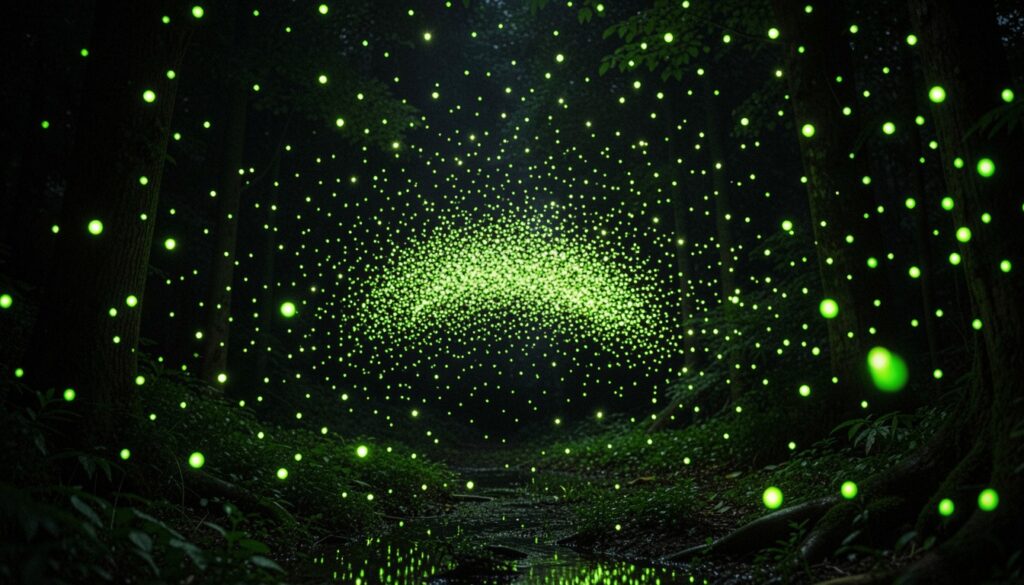
Few natural events in the United States are as enchanting as the synchronized fireflies at Congaree National Park. Every year, usually during late spring, thousands of fireflies flash in unison, creating a breathtaking light show that attracts visitors from around the world.
Unlike ordinary fireflies, these special insects coordinate their flashes in a synchronized pattern. Scientists believe this behavior helps them attract mates, but for visitors, it feels like stepping into a real-life fairy tale.
Because this event is so popular, the National Park Service manages visitor access through a seasonal lottery system. Planning ahead is essential if you hope to experience this unforgettable spectacle.
Why It’s Special
- One of the few places in North America to witness synchronized fireflies
- Incredible photography opportunity
- Unique natural phenomenon
- Family-friendly evening activity
- Bucket-list experience for nature lovers
Best Viewing Tips
- Arrive before sunset.
- Use only a red-light flashlight.
- Stay on designated trails.
- Wear insect repellent.
- Reserve tickets as soon as they become available.
Hike the Bluff Trail
The Bluff Trail offers one of the park’s most peaceful hiking experiences. At approximately two miles round trip, this trail follows a slightly higher elevation than much of the floodplain, providing beautiful forest scenery with fewer seasonal floods.
Unlike the popular Boardwalk Trail, Bluff Trail is usually much quieter, making it perfect for travelers seeking solitude and birdwatching opportunities.
Along the route, you’ll pass towering hardwoods, colorful wildflowers in spring, and occasional overlooks into the surrounding floodplain forest.
What Makes Bluff Trail Unique?
- Fewer crowds
- Excellent birdwatching
- Easy-to-moderate hiking
- Scenic forest views
- Peaceful atmosphere
Best Time to Visit
Early morning provides cooler temperatures and the highest chance of spotting wildlife.
Explore the Kingsnake Trail
If you’re looking for a more adventurous hike, the Kingsnake Trail delivers a true wilderness experience.
This trail takes visitors deeper into Congaree’s remote forest, where you’ll encounter dense vegetation, towering trees, seasonal wetlands, and fewer fellow hikers. Unlike the boardwalk, sections of the trail may become muddy after heavy rain, so sturdy hiking shoes are recommended.
The trail is named after the eastern kingsnake, a non-venomous species that occasionally appears within the park.
Highlights
- Remote wilderness scenery
- Quiet hiking experience
- Diverse plant life
- Opportunities to spot reptiles and birds
- Excellent nature photography
Difficulty
Moderate due to uneven terrain and seasonal flooding.
Discover Incredible Wildlife
Congaree National Park protects an amazingly diverse ecosystem, making wildlife viewing one of its greatest treasures.
More than 200 bird species, numerous reptiles, amphibians, mammals, and insects call this ancient forest home. Every visit offers a different experience depending on the season and weather.
While exploring, you may encounter white-tailed deer grazing quietly, turtles sunbathing on fallen logs, playful river otters, raccoons, wild turkeys, and a wide variety of songbirds.
Although American alligators occasionally live in the park, they generally avoid people. Visitors should always observe wildlife from a safe distance.
Wildlife Checklist
- White-tailed deer
- River otters
- Wild turkeys
- Great blue herons
- Wood ducks
- Barred owls
- Red-shouldered hawks
- Turtles
- Frogs
- Butterflies
Wildlife Viewing Tips
- Bring binoculars.
- Walk quietly.
- Visit during sunrise or sunset.
- Never feed wild animals.
- Stay on marked trails.
Spend a Night Camping Under the Stars
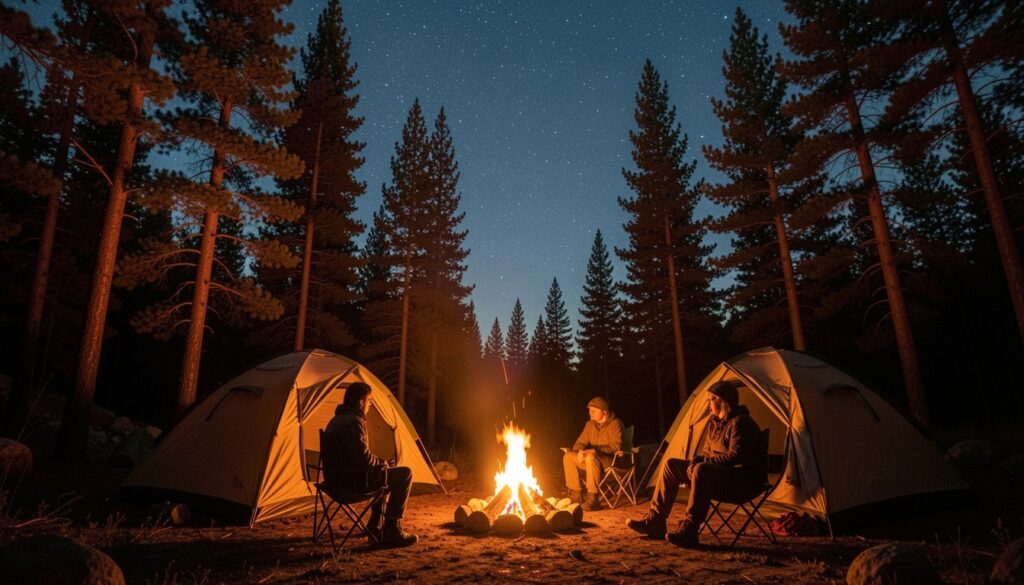
Camping inside Congaree National Park offers an unforgettable opportunity to connect with nature.
Whether you choose frontcountry camping near the visitor area or backcountry camping deeper in the forest, you’ll experience peaceful nights surrounded by the sounds of frogs, owls, insects, and rustling leaves.
Because there is very little light pollution, the night sky often reveals countless stars. On clear evenings, stargazing becomes one of the park’s most memorable activities.
Camping also allows visitors to enjoy early morning wildlife viewing before most day visitors arrive.
Camping Essentials
- Tent
- Sleeping bag
- Water filter or drinking water
- Flashlight with extra batteries
- Insect repellent
- First-aid kit
- Rain gear
- Portable cooking equipment
Camping Tips
- Reserve campsites early when required.
- Store food properly.
- Follow Leave No Trace principles.
- Check weather forecasts before arrival.
- Pack waterproof gear.
Comparing the Top Experiences
| Activity | Best For | Difficulty | Time Needed | Family Friendly |
| Boardwalk Trail | First-time visitors | Easy | 1–2 hours | ✅ Yes |
| Cedar Creek Kayaking | Adventure lovers | Easy–Moderate | 2–4 hours | ✅ Yes |
| Weston Lake Loop | Hiking enthusiasts | Moderate | 3–4 hours | ✅ Yes |
| Bluff Trail | Quiet nature walks | Easy | 1–2 hours | ✅ Yes |
| Kingsnake Trail | Experienced hikers | Moderate | 3–5 hours | ⚠ Older kids |
| Firefly Viewing | Seasonal visitors | Easy | Evening | ✅ Yes |
| Camping | Outdoor enthusiasts | Moderate | Overnight | ✅ Yes |
Expert Tips for Visiting Congaree National Park
| Expert Tip | Why It Helps |
| Visit early in the morning | Cooler weather and more active wildlife |
| Wear waterproof hiking shoes | Trails can become muddy after rain |
| Bring insect repellent | Mosquitoes are common, especially in summer |
| Carry plenty of water | South Carolina humidity can be intense |
| Download offline maps | Cell service is limited in some areas |
| Pack binoculars | Great for birdwatching and wildlife spotting |
| Check river conditions | Important before kayaking or canoeing |
| Dress in light layers | Weather can change throughout the day |
Common Mistakes Visitors Make
| Mistake | Better Choice |
| Visiting during the hottest afternoon hours | Explore early morning or late afternoon |
| Forgetting bug spray | Always carry insect repellent |
| Wearing sandals | Choose waterproof hiking shoes |
| Bringing too little water | Pack more than you think you’ll need |
| Leaving marked trails | Stay on designated paths for safety and conservation |
| Ignoring weather forecasts | Check conditions before arriving |
| Disturbing wildlife | Observe animals from a safe distance |
| Underestimating humidity | Wear breathable clothing and stay hydrated |
Pros and Cons of Visiting Congaree National Park
| Pros | Cons |
| Free park admission | High humidity during summer |
| Few crowds compared to famous parks | Mosquitoes can be plentiful |
| Incredible old-growth forest | Limited dining options nearby |
| Excellent kayaking opportunities | Seasonal flooding may affect trails |
| Outstanding wildlife viewing | Public transportation is limited |
| Accessible boardwalk | Fewer mountain-style scenic overlooks |
| Great for families | Summer heat can be intense |
Experience One of the Southeast’s Best Birdwatching Destinations
Congaree National Park is a paradise for bird lovers. Thanks to its rich bottomland hardwood forest and diverse wetlands, the park attracts more than 200 species of birds throughout the year.
Whether you’re an experienced birder or simply enjoy spotting colorful wildlife, you’ll find plenty to admire. Spring and fall migrations are especially rewarding, bringing dozens of seasonal visitors through the park.
The peaceful trails and waterways provide excellent opportunities to observe birds in their natural habitat without large crowds.
Birds You May Spot
- Prothonotary Warbler
- Barred Owl
- Great Blue Heron
- Red-shouldered Hawk
- Wood Duck
- Pileated Woodpecker
- Northern Cardinal
- Carolina Chickadee
- Yellow-billed Cuckoo
- Belted Kingfisher
Birdwatching Tips
- Bring binoculars with at least 8x magnification.
- Visit shortly after sunrise.
- Walk slowly and quietly.
- Wear earth-tone clothing.
- Download a bird identification app before your visit.
Capture Incredible Nature Photography
Photographers quickly discover why Congaree National Park is one of South Carolina’s hidden gems. Every season offers unique compositions, from towering trees and reflective waters to colorful wildlife and magical sunlight filtering through the forest canopy.
Spring showcases vibrant greenery and wildflowers, summer brings dramatic reflections and lush landscapes, autumn offers golden foliage, and winter reveals striking tree shapes without dense leaves.
Golden hour and blue hour create the most beautiful lighting conditions, making early morning and late afternoon ideal for photography.
Best Photography Subjects
- Elevated Boardwalk Trail
- Giant bald cypress trees
- Cedar Creek reflections
- Wildlife
- Forest canopy
- Sunrise through the trees
- Seasonal flooding
- Fireflies (during the annual event)
Photography Tips
- Carry a tripod for low-light shots.
- Use a polarizing filter to reduce glare.
- Protect your camera from humidity.
- Bring extra batteries.
- Respect wildlife and stay on designated trails.
Enjoy the Peace and Quiet of an Underrated National Park

Perhaps the greatest treasure of all is something you can’t photograph.the feeling of peace.
Unlike many of America’s busiest national parks, Congaree offers room to slow down, breathe deeply, and reconnect with nature. The quiet forest, gentle sounds of birds and flowing water, and absence of heavy crowds create a calming experience that many travelers remember long after their trip ends.
Whether you’re walking the Boardwalk Trail, paddling Cedar Creek, or simply sitting beneath ancient trees, you’ll appreciate the park’s tranquil atmosphere.
For travelers looking to escape busy tourist destinations, Congaree National Park delivers an authentic wilderness experience without sacrificing accessibility.
Why Visitors Love It
- Fewer crowds
- Relaxing atmosphere
- Beautiful scenery
- Excellent wildlife viewing
- Accessible hiking
- Peaceful paddling
- Perfect weekend getaway
- Great for families and solo travelers alike
Sample 2-Day Itinerary
| Day | Morning | Afternoon | Evening |
| Day 1 | Visitor Center & Boardwalk Trail | Weston Lake Loop | Sunset photography |
| Day 2 | Kayak Cedar Creek | Bluff or Kingsnake Trail | Wildlife watching |
Frequently Asked Questions
What is Congaree National Park famous for?
Congaree National Park is famous for protecting one of the largest old-growth bottomland hardwood forests in North America. It’s also known for giant trees, scenic boardwalks, kayaking, and synchronized fireflies.
Is Congaree National Park worth visiting?
Yes. It’s one of the most underrated national parks in the United States, offering peaceful hiking, wildlife viewing, canoeing, camping, and beautiful natural scenery without large crowds.
How much does it cost to enter Congaree National Park?
Admission is completely free, making it one of the best-value national parks in the country.
What is the best time to visit Congaree National Park?
Spring and fall offer pleasant temperatures, active wildlife, and excellent hiking conditions. Late spring is also the best time to witness the synchronized fireflies.
Can beginners kayak on Cedar Creek?
Yes. Cedar Creek generally has calm water and is suitable for beginners, though visitors should always check current water conditions before launching.
How many days should I spend at Congaree National Park?
Most visitors enjoy the highlights in one day, but spending two days allows time for hiking, kayaking, wildlife viewing, and camping.
Are there bears in Congaree National Park?
Black bears are extremely rare in the park. Visitors are much more likely to encounter deer, birds, turtles, river otters, and small reptiles.
Is Congaree National Park family friendly?
Absolutely. The Boardwalk Trail, visitor center, ranger programs, and easy hiking opportunities make it an excellent destination for families.
Can you camp inside the park?
Yes. Congaree offers both frontcountry and backcountry camping for visitors looking to spend the night surrounded by nature.
What should I bring for a visit?
Bring comfortable hiking shoes, insect repellent, sunscreen, water, snacks, a camera, binoculars, rain gear, and a trail map.
Conclusion
13 Treasures To Explore In Congaree National Park | TravelAwaits proves that some of America’s greatest adventures are found far from the busiest tourist destinations. From walking beneath towering champion trees and paddling the peaceful waters of Cedar Creek to witnessing synchronized fireflies and spotting diverse wildlife, every visit offers a deeper appreciation for one of the nation’s most remarkable natural landscapes.
Whether you’re planning a weekend escape, a family vacation, or a scenic road trip through South Carolina, Congaree National Park deserves a place on your travel bucket list. Its free admission, accessible trails, rich biodiversity, and tranquil atmosphere make it an unforgettable destination for travelers of all ages.
Pack your hiking shoes, bring your camera, and take the time to explore these 13 incredible treasures. You may discover that this underrated national park becomes one of your favorite outdoor destinations in the United States.
Read More: How To Get A Job On A Cruise Ship: 15 Proven Steps to Start Your Dream Career at Sea (2026 Guide)