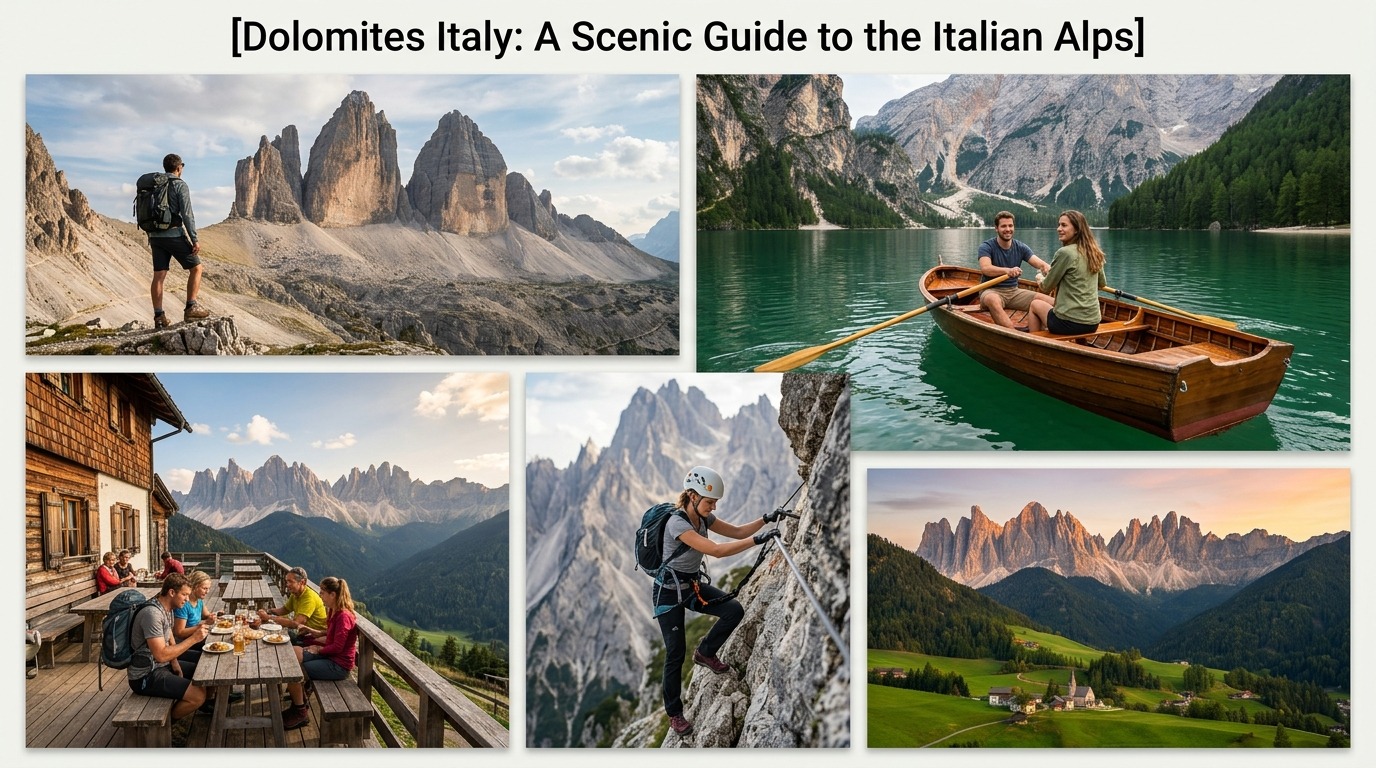
The Dolomites Italy region is one of Europe’s most remarkable mountain destinations, known for dramatic limestone peaks, green valleys, alpine villages, clear lakes, and scenic hiking routes. Located in northeastern Italy, the Dolomites combine spectacular landscapes with a rich local culture shaped by Italian, Austrian, and Ladin traditions.
A trip here can be as active or relaxed as you want. Hikers can spend days exploring mountain trails, while photographers, road trippers, and families can enjoy panoramic viewpoints, cable cars, lakes, and charming villages without committing to long treks. Whether you visit in summer for hiking or in winter for snow-covered landscapes and skiing, the Dolomites Italy offer plenty of ways to experience the mountains at your own pace.
Where Are the Dolomites in Italy?
The Dolomites are part of the Italian Alps in northeastern Italy, mainly spread across the regions of South Tyrol, Trentino, and Veneto. The area is relatively close to the Austrian border, and its location helps explain why the region has such a distinctive mixture of Italian and Central European influences.
Rather than being a single town or one national park, the Dolomites cover a large mountain area with numerous valleys, communities, ski resorts, and protected landscapes. This is important when planning a trip because attractions that look close together on a map can take considerable time to reach by mountain roads.
Some of the best-known areas include Cortina d’Ampezzo, Val Gardena, Alta Badia, Val di Fassa, Alpe di Siusi, and the area around the Three Peaks of Lavaredo.
The Dolomites are also recognized as a UNESCO World Heritage Site because of their exceptional geological and scenic value. Their unusual pale-colored rock formations are one of the features that make the landscape so different from many other Alpine destinations.
Why Visit the Dolomites Italy?
The biggest attraction is, naturally, the scenery. Huge rock towers rise above forests and meadows, often changing appearance as the sunlight moves across their surfaces. At sunrise and sunset, the mountains can take on warm pink, orange, and golden tones, a phenomenon known as alpenglow or enrosadira.
But the Dolomites are not only about mountain views. The region offers a wide range of experiences, from short walks around alpine lakes to demanding multi-hour hikes. Cable cars make many high-altitude viewpoints accessible without requiring visitors to climb every mountain on foot.
The local villages are another reason to visit. Wooden balconies, flower-filled buildings, traditional farmhouses, churches, and mountain restaurants give each valley its own character.
Food is equally important. Menus often reflect the region’s mixed cultural heritage, with dishes such as dumplings, speck, polenta, mountain cheeses, apple-based desserts, and Italian pasta appearing alongside one another.
Best Places to Visit in the Dolomites
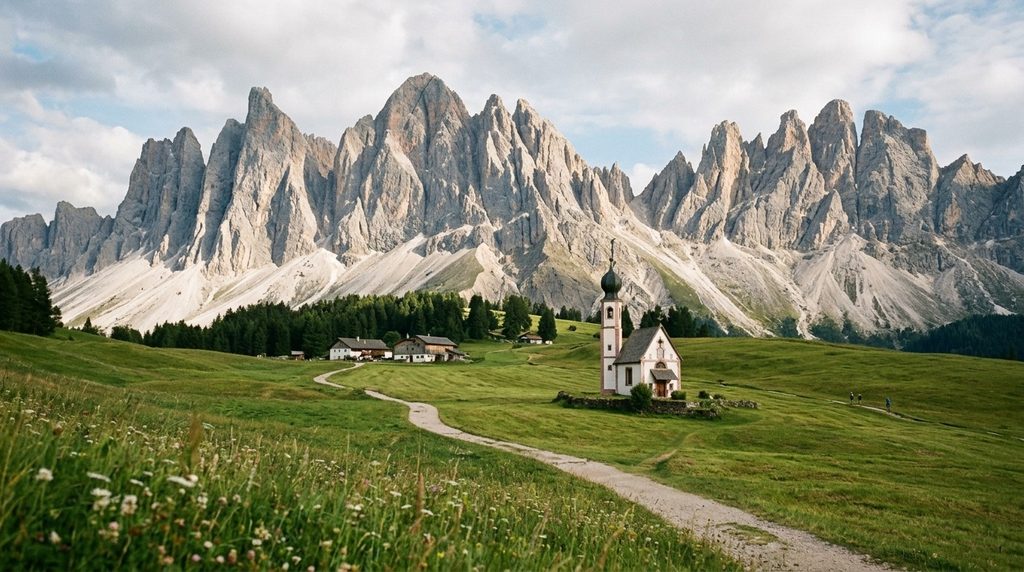
Choosing where to go can be difficult because the region contains so many beautiful landscapes. For a first trip, it is usually better to select a few areas rather than trying to cover the entire mountain range.
Cortina d’Ampezzo
Cortina d’Ampezzo is one of the best-known mountain towns in the Dolomites. It has a long history as a resort destination and provides access to several spectacular mountain areas.
The town works particularly well for travelers who want a combination of mountain scenery, restaurants, accommodation, shopping, and access to hiking or skiing.
Val Gardena
Val Gardena is an excellent base for exploring the mountains around Ortisei, Santa Cristina, and Selva di Val Gardena. It is particularly popular with hikers and winter sports travelers.
The valley also has strong Ladin cultural traditions, adding another layer of interest beyond the scenery.
Alpe di Siusi
Alpe di Siusi, or Seiser Alm, is one of Europe’s largest high-altitude alpine meadows. Its broad grassy landscapes provide a striking contrast to the sharp mountain peaks surrounding them.
It is especially appealing for gentle walks, photography, family outings, and panoramic views.
Tre Cime di Lavaredo
The Three Peaks of Lavaredo are among the most recognizable formations in the Dolomites. Their distinctive silhouettes attract hikers and photographers throughout the warmer months.
Because conditions can change quickly in the mountains, visitors should check trail and weather conditions before setting out.
Lakes, Peaks, and Natural Landscapes
The natural scenery is the main reason many travelers put the Dolomites on their Italy itinerary. You can move from a peaceful lake to a dramatic mountain pass or an open meadow within the same day.
Lago di Braies
Lago di Braies, also known as Pragser Wildsee, is one of the most photographed lakes in the region. Its turquoise and emerald-colored water sits beneath steep mountain walls, creating a postcard-like setting.
The lake can become very busy during popular periods, so an early visit can provide a quieter experience.
Lago di Carezza
Lago di Carezza is another well-known mountain lake, surrounded by forest and impressive peaks. Its changing colors and reflections make it particularly attractive for photography.
Mountain Passes
Mountain roads are part of the experience in the Dolomites. Passes such as Passo Gardena, Passo Sella, Passo Pordoi, and Passo Falzarego connect different valleys while offering impressive viewpoints along the way.
Road conditions and closures can vary by season, so drivers should always check current conditions before traveling.
| Natural attraction | Best for | What to expect |
| Lago di Braies | Photography and easy walks | Mountain lake and dramatic surroundings |
| Lago di Carezza | Scenic stops | Forest, reflections, and mountain views |
| Tre Cime di Lavaredo | Hiking and photography | Iconic rock formations and alpine trails |
| Alpe di Siusi | Walking and landscapes | Wide meadows and panoramic mountain views |
| Passo Gardena | Road trips and viewpoints | High mountain scenery and winding roads |
| Passo Sella | Photography and sightseeing | Dramatic peaks and mountain panoramas |
Hiking in the Dolomites
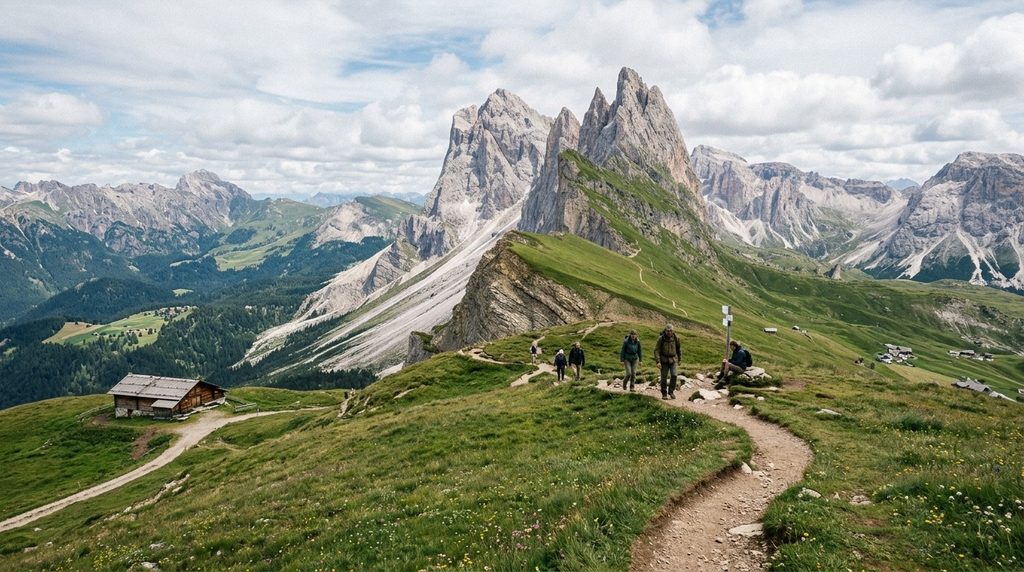
Hiking is one of the best ways to experience the Dolomites because trails take you away from the busiest viewpoints and into quieter alpine landscapes.
There are routes for many fitness levels. Some walks are relatively short and gentle, while others involve steep climbs, exposed sections, or long days at altitude.
Popular hiking areas include Tre Cime, Seceda, Alpe di Siusi, Cinque Torri, and the trails around Val Gardena and Alta Badia.
Choose Trails Carefully
Do not choose a hike only because its photographs look impressive. Check the distance, elevation gain, estimated duration, terrain, and weather forecast.
Mountain conditions can change much faster than they do in nearby towns. Even in summer, higher trails may have snow or difficult conditions early in the season.
Comfortable hiking shoes, water, sun protection, and appropriate layers are useful even on shorter routes.
Alta Via Routes
Experienced hikers may consider one of the Dolomites’ long-distance Alta Via routes. These multi-day trails cross different mountain areas and require more careful planning, including accommodation and equipment.
They are very different from a casual sightseeing walk, so travelers should prepare according to the route’s difficulty and current conditions.
Best Time to Visit the Dolomites Italy
The best time to visit depends heavily on what you want to do.
Summer is the main season for hiking, mountain sightseeing, and enjoying high-altitude trails. July and August can be busy, particularly around famous lakes and popular viewpoints.
Late spring and early autumn can provide a different experience, with fewer visitors in some areas, although weather and trail accessibility can be less predictable.
Winter transforms the region into a major snow destination. Ski resorts operate across several valleys, and snow-covered mountains create a completely different atmosphere.
| Season | Main activities | Things to consider |
| Spring | Lower-altitude walks, sightseeing | Higher trails may still have snow |
| Summer | Hiking, cable cars, lakes, road trips | Popular areas can be crowded |
| Autumn | Photography, walking, village visits | Weather becomes more variable |
| Winter | Skiing, snow sports, winter scenery | Some roads, lifts, and trails operate seasonally |
If your priority is hiking, check the operating dates of cable cars, mountain huts, and lifts before booking. Seasonal schedules vary, and not every service runs throughout the year.
Where to Stay in the Dolomites
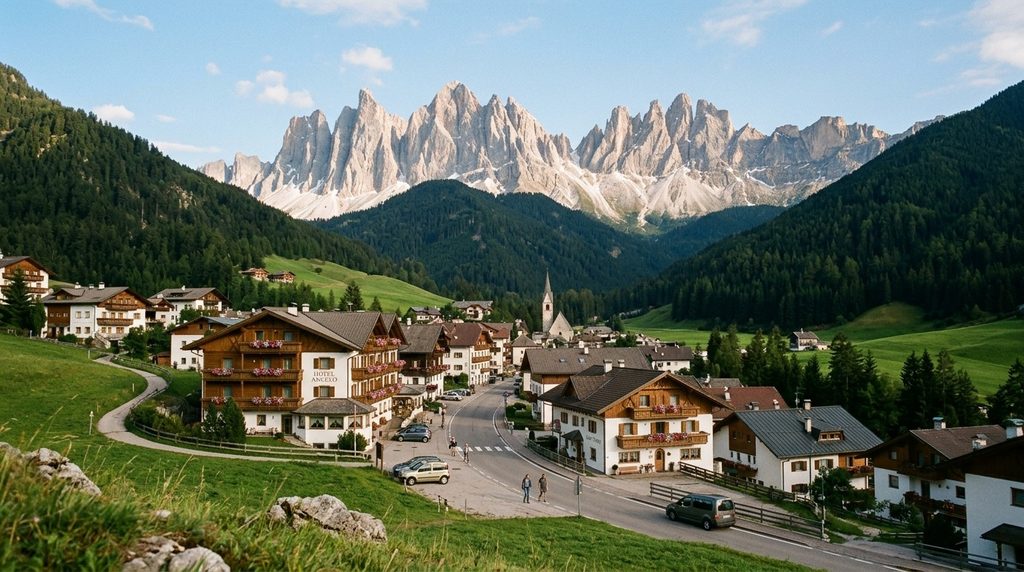
There is no single best town for every traveler. Your ideal base depends on which mountains and activities you want to explore.
Cortina d’Ampezzo is convenient for travelers interested in the eastern Dolomites and famous attractions around the area.
Ortisei is a practical choice for exploring Val Gardena and reaching high mountain areas by cable car.
Selva di Val Gardena is particularly well placed for hiking and skiing around the upper valley.
Canazei provides access to the Val di Fassa area and several important mountain passes.
San Cassiano and Corvara are useful bases for exploring Alta Badia and its surrounding scenery.
For a short trip, staying in one location can reduce the amount of time spent packing and driving. For a longer itinerary, splitting your stay between two valleys can make it easier to explore different parts of the region.
Getting Around the Dolomites
A car can be extremely useful in the Dolomites, especially if your itinerary includes several valleys, mountain passes, lakes, and viewpoints.
Driving gives you flexibility to stop at scenic locations and adjust your plans according to weather. However, mountain roads can be narrow and winding, and some routes are busy during peak periods.
Public transportation is available in many valleys, including buses connecting towns and attractions. The exact usefulness of public transport depends on your itinerary and the season.
Cable cars and gondolas are also an important part of transportation in the mountains. They can take visitors from valley towns to higher elevations, where hiking routes and panoramic viewpoints begin.
Practical Transport Tips
Check seasonal road restrictions before driving.
Allow more time than a map’s straight-line distance suggests.
Reserve accommodation with parking if you are renting a car.
Check cable-car operating dates before planning a hike around them.
Keep an eye on mountain weather rather than relying only on the forecast for your starting town.
Food and Local Culture
A trip through the Dolomites is also an opportunity to experience a distinctive mountain culture. The region’s history has created a blend of Italian, German-speaking South Tyrolean, and Ladin influences.
In many places, you may hear more than one language during the same day. Local architecture and food can also change noticeably from one valley to another.
Mountain restaurants and traditional rifugi offer opportunities to try regional dishes while enjoying the surrounding landscape.
Common foods include speck, a lightly smoked cured ham associated with South Tyrol; canederli, or bread dumplings; polenta; mountain cheeses; hearty soups; and various pasta dishes.
Desserts often include apple-based specialties and pastries influenced by Alpine and Central European traditions.
Trying local food is one of the easiest ways to make a mountain trip feel connected to the region rather than simply being a sequence of scenic viewpoints.
Practical Tips for Planning Your Trip
A successful Dolomites trip usually depends more on good planning than on trying to see as many attractions as possible.
Start by choosing your main area. If you have only three or four days, focusing on one valley and its nearby attractions is often more comfortable than attempting a complete tour.
Check opening dates for cable cars and mountain huts, particularly outside the main summer and winter seasons. Services can operate on seasonal schedules.
Weather should also influence your daily plans. If a clear morning is forecast, consider using it for a panoramic viewpoint or major hike and keeping museums, villages, or restaurants as alternatives for poorer weather.
Travelers should also respect marked trails and local regulations. The Dolomites are a protected mountain environment, and responsible tourism helps preserve the landscapes that attract visitors in the first place.
Finally, leave some space in your itinerary. A mountain destination is not always best experienced by rushing from one attraction to another. A quiet afternoon in a village, a slow lunch overlooking the peaks, or an unplanned viewpoint can become one of the most memorable parts of the trip.
How Many Days Do You Need in the Dolomites?
The ideal length depends on how much of the region you want to explore.
A three-day trip can work for a focused visit to one area, especially if you select a convenient base and prioritize a few major sights.
With five to seven days, you have more flexibility to combine hiking, scenic drives, lakes, villages, and cable-car excursions without spending every day on the road.
A longer trip is worthwhile for hikers who want to explore several trails or complete a multi-day route.
For first-time visitors, it is generally more enjoyable to explore fewer places properly than to spend most of the trip driving between distant attractions.
A simple itinerary might combine one day around a famous lake, one day hiking in a mountain area, another day exploring a scenic valley or cable-car destination, and additional days for mountain passes, villages, and longer hikes.
FAQs
What is the best time to visit the Dolomites Italy?
Summer is generally popular for hiking and sightseeing, while winter is the main season for skiing and snow activities. Spring and autumn can be quieter but may have more variable conditions.
How many days are enough for the Dolomites?
Three days can work for a focused visit, while five to seven days allow more time for hiking, scenic drives, lakes, villages, and different mountain areas.
Do you need a car in the Dolomites?
A car can make it easier to explore multiple valleys and scenic mountain roads, but public transportation and cable cars are useful in several areas. Your best option depends on your itinerary.
Are the Dolomites suitable for beginner hikers?
Yes. The region has trails ranging from easy walks to demanding mountain routes. Beginners should choose routes based on distance, elevation gain, terrain, weather, and current trail conditions.
Which places should you visit first in the Dolomites?
Tre Cime di Lavaredo, Lago di Braies, Alpe di Siusi, Val Gardena, Cortina d’Ampezzo, and the major mountain passes are among the well-known areas to consider, depending on your interests and itinerary.
Conclusion:
The Dolomites Italy offer much more than dramatic mountain photographs. Their combination of towering limestone peaks, peaceful valleys, alpine lakes, traditional villages, hiking trails, scenic roads, and distinctive local culture creates a destination that can suit many different styles of travel. Whether you come for outdoor adventure, photography, food, or simply time in the mountains, there is plenty to explore.
The key to enjoying the Dolomites is to travel at a comfortable pace and plan around the season, weather, and area you want to experience. Choose a suitable base, leave room for unexpected scenic stops, and respect the mountain environment. With thoughtful planning, a trip to the Dolomites Italy can be both visually spectacular and genuinely relaxing.
Read more:Langkawi Island: A Relaxed Guide to Malaysia’s Tropical Paradise