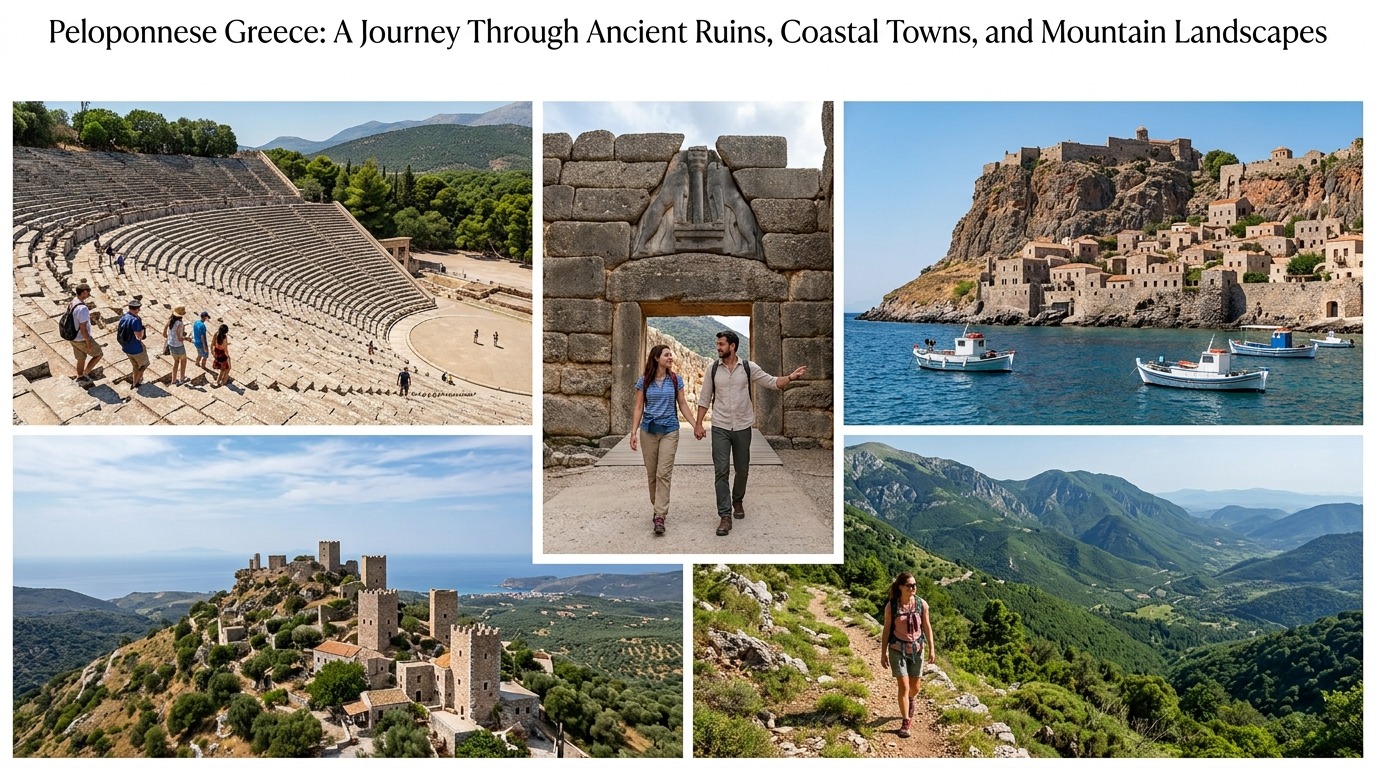
The Peloponnese Greece region offers a remarkable mix of ancient history, beautiful beaches, traditional villages, rugged mountains, and relaxed seaside towns. Located in southern mainland Greece, this large peninsula feels wonderfully varied, with every area offering a different travel experience. You can explore legendary archaeological sites in the morning, enjoy fresh seafood beside the sea in the afternoon, and end the day in a quiet stone village surrounded by olive groves.
Unlike some of Greece’s more heavily visited islands, the Peloponnese often feels spacious and authentic. Its roads lead through citrus orchards, vineyards, forests, coastal landscapes, and historic towns shaped by centuries of Greek, Roman, Byzantine, Venetian, and Ottoman influence. Whether you are planning a road trip, a cultural holiday, a beach escape, or a slow countryside journey, Peloponnese Greece provides plenty of memorable places to discover.
Where Is Peloponnese Greece?
The Peloponnese is a large peninsula in southern Greece, connected to mainland Greece by the Isthmus of Corinth and the modern Corinth Canal. Although it is geographically separated from the mainland by the canal, it remains easily accessible by road from Athens.
The region includes several well-known destinations, including Nafplio, Kalamata, Monemvasia, Olympia, Mani, Epidaurus, and the mountainous Arcadia area. Each destination has its own atmosphere, attractions, and landscape.
Travelers can reach the Peloponnese from Athens by car, bus, or organized tour. Driving is often the most convenient option because many of the region’s best beaches, villages, archaeological sites, and viewpoints are spread across rural areas.
The peninsula is large, so it is better to explore it in sections rather than trying to see everything during a short visit. A trip focused on the northeastern Peloponnese will feel very different from a journey through the southern coast or western archaeological sites.
Why Visit Peloponnese Greece?
Peloponnese Greece is ideal for travelers who want more than a typical beach holiday. Its biggest attraction is the combination of natural beauty and cultural depth. Ancient ruins are not isolated from everyday life here; they sit near olive farms, small towns, working harbors, and mountain roads.
The region is also suitable for different travel styles. Couples can enjoy romantic waterfront towns and boutique hotels, families can explore beaches and historical attractions, and outdoor lovers can hike through gorges, forests, and mountain landscapes.
Some of the main reasons to visit include:
- Ancient sites connected with Greek mythology and history
- Beautiful beaches with clear water
- Traditional villages and stone-built settlements
- Scenic coastal drives
- Fresh seafood, local cheese, olive oil, and regional wines
- Historic castles and Byzantine churches
- Hiking opportunities in mountains and gorges
- A slower and often less crowded atmosphere than many famous Greek islands
The Peloponnese is especially rewarding for travelers who enjoy combining sightseeing with unplanned stops. A small village café, a roadside viewpoint, or a quiet beach can become one of the most memorable parts of the journey.
Best Places to Visit in Peloponnese Greece
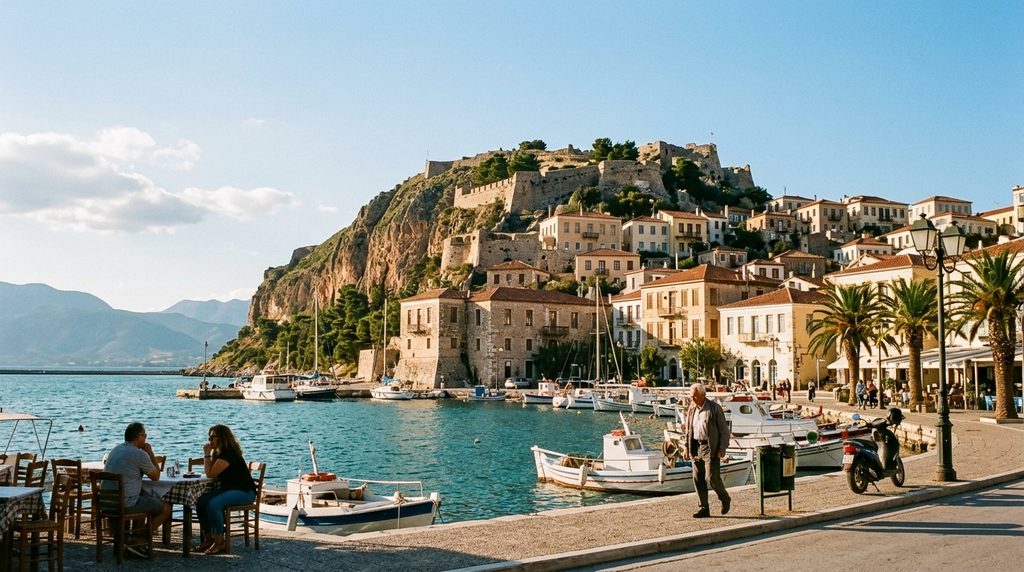
The Peloponnese includes many destinations, so choosing a route depends on your interests and available time. Some places are famous for archaeological treasures, while others are known for beaches, architecture, food, or dramatic landscapes.
Nafplio
Nafplio is one of the most attractive towns in the region. Its elegant streets, neoclassical buildings, waterfront promenade, and historic fortresses make it a popular base for exploring northeastern Peloponnese.
Visitors can walk through the old town, climb toward Palamidi Fortress, visit Bourtzi Castle, and enjoy cafés overlooking the harbor. Nafplio is also close to Epidaurus and several important archaeological sites.
Monemvasia
Monemvasia is a medieval fortified town built on a rocky island connected to the mainland by a causeway. Its narrow stone streets, old churches, arches, and sea views create a unique atmosphere.
The lower town is filled with historic buildings, guesthouses, restaurants, and small shops. Climbing toward the upper town reveals impressive views and important Byzantine remains.
Kalamata
Kalamata is a lively coastal city known for its food, beaches, cultural attractions, and access to the southern Peloponnese. It is also a practical starting point for exploring the Mani Peninsula and nearby mountain villages.
The city combines an urban atmosphere with easy access to the sea. Its waterfront is ideal for evening walks, while the surrounding region is famous for olives, olive oil, and local cuisine.
Olympia
Olympia is one of Greece’s most important archaeological destinations and the historic birthplace of the ancient Olympic Games. The site includes temples, athletic facilities, and ruins that help visitors understand the religious and sporting traditions of ancient Greece.
The nearby Archaeological Museum of Olympia adds valuable context, displaying sculptures, objects, and discoveries from the surrounding site.
Mani Peninsula
The Mani Peninsula is known for rugged landscapes, stone tower houses, dramatic coastlines, and traditional villages. The area has a strong architectural identity and feels more remote than many other parts of the region.
It is a rewarding destination for travelers who enjoy scenic drives, quiet beaches, historic settlements, and authentic local culture.
Ancient Ruins and Historical Attractions
History is one of the defining reasons to explore Peloponnese Greece. The region played an important role in ancient Greek civilization and later became home to Roman, Byzantine, Venetian, and Ottoman settlements.
Ancient Mycenae
Ancient Mycenae is associated with the Mycenaean civilization and the legendary world of Agamemnon. The site features monumental stone structures, fortified walls, tombs, and the famous Lion Gate.
Walking among the ruins offers a glimpse into one of the most influential prehistoric cultures of Greece. The surrounding hills also provide a strong sense of the landscape that shaped ancient settlements.
Epidaurus
Epidaurus is famous for its remarkably preserved ancient theater, celebrated for its acoustics and elegant design. The site was also an important sanctuary dedicated to Asclepius, the ancient Greek god of healing.
The theater remains a highlight for visitors, but the wider archaeological site includes temples, baths, and other structures connected with ancient medical traditions.
Ancient Corinth
Ancient Corinth provides insight into one of the most important cities of classical Greece. The archaeological site includes the Temple of Apollo, an ancient marketplace, and remains from different historical periods.
Its location near the Corinth Canal makes it a convenient stop for travelers entering or leaving the Peloponnese.
Mystras
Mystras is a historic Byzantine settlement located near Sparta. Its hillside ruins include churches, monasteries, palaces, and fortifications surrounded by green scenery.
The site requires some walking on uneven paths, but the views and architecture make it especially worthwhile for travelers interested in medieval Greek history.
Archaeological Highlights at a Glance
| Historical Site | Main Attraction | Best For |
| Ancient Mycenae | Fortified ruins and Lion Gate | Bronze Age history |
| Epidaurus | Ancient theater and healing sanctuary | Architecture and classical culture |
| Ancient Olympia | Birthplace of the Olympic Games | Sports history and archaeology |
| Ancient Corinth | Temple ruins and ancient city remains | Classical and Roman history |
| Mystras | Byzantine churches and hillside ruins | Medieval history and photography |
| Monemvasia | Medieval fortified town | Architecture and coastal history |
Visiting archaeological sites is more enjoyable when you allow enough time to explore beyond the most famous structure. Museums, smaller ruins, and surrounding landscapes often add important context to the experience.
Beaches and Coastal Escapes
Although the Peloponnese is famous for history, its coastline is equally impressive. The peninsula has long sandy beaches, pebbled coves, turquoise bays, and secluded coastal areas that suit both relaxed holidays and active adventures.
Voidokilia Beach
Voidokilia Beach is often recognized for its distinctive curved shape and clear water. Located near the western coast, it is surrounded by natural scenery and offers a beautiful setting for swimming and photography.
The beach can become busy during peak summer periods, so arriving earlier in the day may provide a more peaceful experience.
Simos Beach
Simos Beach, located on Elafonisos Island near the southern Peloponnese, is known for pale sand and striking blue water. It feels more like a tropical escape than a typical mainland Greek beach.
Because it is reached by ferry from the mainland, visiting Simos requires additional planning, especially during busy summer months.
Finikounda
Finikounda is a relaxed seaside village with sandy beaches, tavernas, and a welcoming holiday atmosphere. It is a good choice for travelers who want a coastal base without the intensity of a major resort.
Kardamyli
Kardamyli combines beautiful beaches with mountain scenery and traditional stone architecture. It is located along the Mani coast and is well suited to travelers who enjoy swimming, walking, local food, and scenic surroundings.
Coastal Travel Information
| Coastal Destination | Atmosphere | Suitable For |
| Voidokilia Beach | Scenic and natural | Swimming, photography, nature |
| Simos Beach | Bright sand and clear water | Beach lovers and island-style escapes |
| Finikounda | Relaxed seaside village | Families and slow holidays |
| Kardamyli | Coastal village with mountain views | Couples, walkers, and food lovers |
| Kalamata Beachfront | Lively and convenient | City comforts and evening walks |
| Monemvasia Coast | Historic and dramatic | Romantic trips and sightseeing |
Beach conditions, shade, parking, and facilities vary by location. Some quieter beaches have limited services, so carrying water, sun protection, and basic supplies is sensible.
Outdoor Adventures and Natural Landscapes
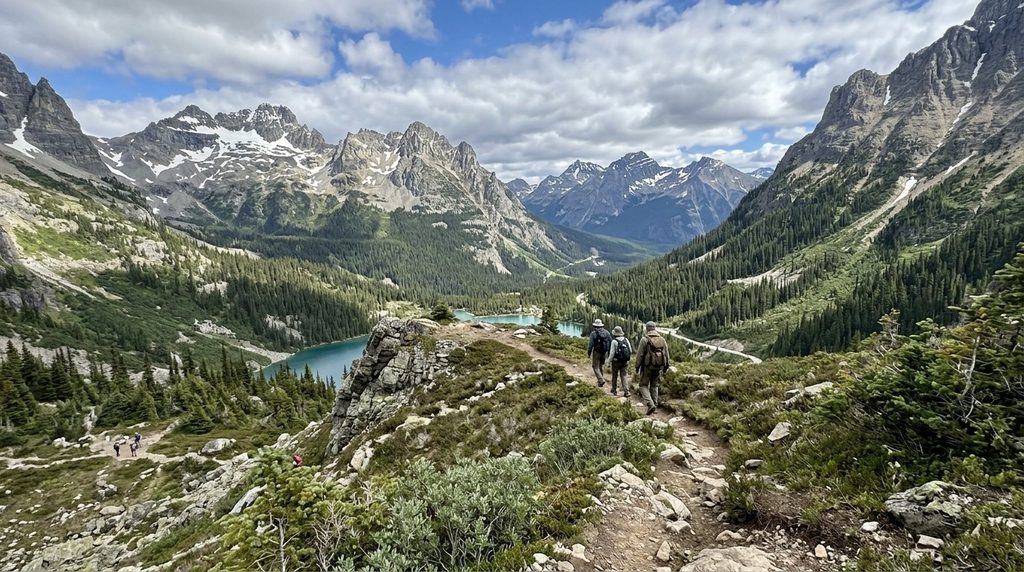
Peloponnese Greece offers plenty of opportunities for travelers who prefer active experiences. The region’s mountains, forests, rivers, gorges, and coastal paths create excellent conditions for hiking and outdoor exploration.
Hiking in the Taygetos Mountains
The Taygetos Mountains rise above the southern Peloponnese and provide dramatic scenery for experienced hikers. Trails range from shorter walks near mountain villages to more demanding routes at higher elevations.
Weather can change quickly in mountainous areas. Travelers should choose routes according to their fitness, check local conditions, and carry appropriate footwear and water.
Lousios Gorge
Lousios Gorge in Arcadia is known for its forested landscape, walking trails, and historic monasteries built into the surrounding cliffs. The area combines natural beauty with cultural interest.
Some paths can be uneven or steep, so comfortable shoes are recommended.
Neda Waterfalls
The Neda River flows through a scenic landscape of forests and rocky formations. Its waterfalls and natural pools are popular with travelers looking for a refreshing outdoor experience.
Access can involve rough roads or walking trails, depending on the chosen route. Conditions should be checked locally before visiting.
Coastal Walks and Scenic Drives
Not every outdoor experience requires a strenuous hike. Coastal roads around Mani, the Argolic Gulf, and the western Peloponnese offer beautiful views with frequent opportunities to stop at villages, beaches, and viewpoints.
A flexible itinerary is useful because some of the best scenery appears between major destinations rather than inside them.
Traditional Towns, Villages, and Local Culture
One of the most enjoyable aspects of traveling through Peloponnese Greece is discovering its smaller communities. Many villages retain traditional stone houses, tiled roofs, narrow lanes, local churches, and central squares shaded by trees.
Areopoli
Areopoli is a historic town in the Mani Peninsula with stone buildings, traditional cafés, and a strong regional identity. It is an excellent place to experience Mani architecture and enjoy a relaxed evening meal.
Dimitsana
Dimitsana is a mountain village in Arcadia known for stone houses, scenic views, and a peaceful atmosphere. It makes a good base for exploring nearby hiking trails and monasteries.
Stemnitsa
Stemnitsa is another attractive Arcadian village, surrounded by forested mountains and traditional architecture. Its quiet streets and local craft traditions make it a pleasant stop during a mountain road trip.
Karitena
Karitena is known for its historic castle and picturesque village setting. The surrounding area offers beautiful views of the Arcadian landscape and opportunities for travelers interested in rural Greece.
When visiting villages, remember that many are working communities rather than open-air museums. Respect local customs, avoid blocking narrow streets, and support family-run cafés, shops, and guesthouses when possible.
Food, Wine, and Culinary Experiences
Food is an important part of the Peloponnese travel experience. The region’s cuisine reflects its fertile land, coastal waters, agricultural traditions, and Mediterranean cooking methods.
Olive oil is central to local food culture, especially in areas around Kalamata and Messenia. Fresh vegetables, herbs, citrus fruits, honey, cheese, seafood, and slow-cooked meats appear frequently on menus.
Foods to Try
- Kalamata olives
- Extra virgin olive oil
- Grilled octopus and fresh fish
- Local cheeses
- Greek salad with regional ingredients
- Slow-cooked lamb or goat
- Handmade pasta dishes
- Honey-based desserts
- Fresh oranges and citrus products
- Regional wines from vineyards across the peninsula
Tavernas in coastal villages often focus on seafood, while mountain restaurants may serve hearty meat dishes, beans, wild greens, and homemade pasta.
Wine lovers can explore vineyards in areas such as Nemea, which is associated with important Greek wine traditions. Winery visits may include tastings, vineyard walks, and explanations of local grape varieties. Advance reservations are advisable for smaller wineries.
Best Time to Visit Peloponnese Greece
The best time to visit depends on your main interests. Summer is ideal for beach holidays, while spring and autumn are generally more comfortable for sightseeing, hiking, and road trips.
Spring
Spring brings green landscapes, blooming flowers, and pleasant temperatures. It is an excellent season for archaeological sites, countryside drives, and walking tours.
Summer
June through August is the busiest period, particularly along popular beaches and in well-known towns. Coastal destinations are lively, but inland archaeological sites can become hot during the middle of the day.
Early mornings and late afternoons are often more comfortable for sightseeing.
Autumn
September and October offer a good balance of warm weather, fewer crowds in many areas, and favorable conditions for exploring villages, beaches, and cultural attractions.
Autumn can also be a rewarding time for food and wine experiences.
Winter
Winter is quieter and can be beautiful in mountain areas, but some seasonal businesses and tourist services operate on reduced schedules. Coastal weather may be changeable, while mountain destinations can experience cold conditions.
| Season | Weather and Atmosphere | Best Activities |
| Spring | Mild, green, and refreshing | Hiking, ruins, countryside drives |
| Summer | Hot, sunny, and busy | Beaches, swimming, coastal villages |
| Early Autumn | Warm with fewer crowds | Road trips, food, sightseeing |
| Late Autumn | Cooler and quieter | Villages, history, local culture |
| Winter | Peaceful and variable | Mountain stays and cultural travel |
For a first visit combining beaches and sightseeing, late May, June, September, and early October can offer a comfortable balance, depending on the year’s weather.
Getting Around and Planning Your Trip
A rental car is often the most practical way to explore Peloponnese Greece. Public transportation connects major towns, but many beaches, villages, archaeological sites, and hiking areas are easier to reach by car.
Driving allows travelers to stop at viewpoints, change plans, and explore less-visited places. However, mountain roads can be narrow and winding, while parking in historic town centers may be limited.
Suggested Travel Durations
A short trip can focus on one area, while a longer holiday allows a broader route.
| Trip Length | Suggested Focus | Possible Destinations |
| 3–4 days | Northeastern highlights | Nafplio, Epidaurus, Mycenae, Ancient Corinth |
| 5–7 days | History and coast | Nafplio, Olympia, coastal Messenia |
| 8–10 days | Southern Peloponnese | Kalamata, Mani, Monemvasia, coastal villages |
| 10–14 days | Broader road trip | Nafplio, Olympia, Arcadia, Mani, Monemvasia |
Practical Planning Tips
- Book accommodation early for July and August.
- Carry comfortable shoes for archaeological sites and stone villages.
- Keep water and sun protection available during summer.
- Check ferry schedules if visiting Elafonisos.
- Allow extra driving time on mountain roads.
- Avoid planning too many destinations in one day.
- Confirm opening hours for museums and archaeological sites before visiting.
- Keep some flexibility for beaches, weather, and unexpected village stops.
A slower itinerary usually creates a better experience than trying to cover the entire peninsula quickly. Two or three carefully chosen bases can reduce driving and allow more time to enjoy each destination.
FAQs
Is Peloponnese Greece worth visiting?
Yes, Peloponnese Greece is worth visiting for its combination of ancient ruins, beaches, mountains, historic towns, traditional villages, and excellent food. It suits travelers who want a varied Greek holiday beyond the most famous islands.
How many days do you need in the Peloponnese?
A minimum of five to seven days allows you to explore one or two areas comfortably. For a wider road trip covering the southern coast, Arcadia, Olympia, and historic towns, ten to fourteen days is more suitable.
What is the best way to travel around Peloponnese Greece?
A rental car is generally the most flexible option because many attractions are spread across rural areas. Buses can be useful between larger towns, but reaching remote beaches and villages may be difficult without private transport.
What are the most beautiful places in Peloponnese Greece?
Popular scenic destinations include Voidokilia Beach, Monemvasia, Kardamyli, Nafplio, the Mani Peninsula, Lousios Gorge, and the mountain villages of Arcadia. The best choice depends on whether you prefer beaches, history, hiking, or architecture.
Is Peloponnese Greece suitable for families?
Yes, many parts of the region are family-friendly, especially destinations with calm beaches, spacious accommodation, and accessible attractions. Families should plan shorter driving days and choose beaches and walking routes suitable for children.
Conclusion:
Peloponnese Greece is a rewarding destination for travelers who want to experience the many sides of Greece in one journey. From ancient theaters and legendary ruins to quiet beaches, stone villages, mountain trails, and welcoming tavernas, the peninsula offers a rich mix of history, nature, and everyday Greek life.
Whether you plan a short cultural escape or a long scenic road trip, Peloponnese Greece encourages you to travel at a relaxed pace and look beyond the main attractions. Give yourself time to enjoy local food, explore historic streets, stop at coastal viewpoints, and discover the quieter places that make this region so memorable.
Read more:San Sebastián: A Beautiful Coastal City of Food, Beaches, and Culture