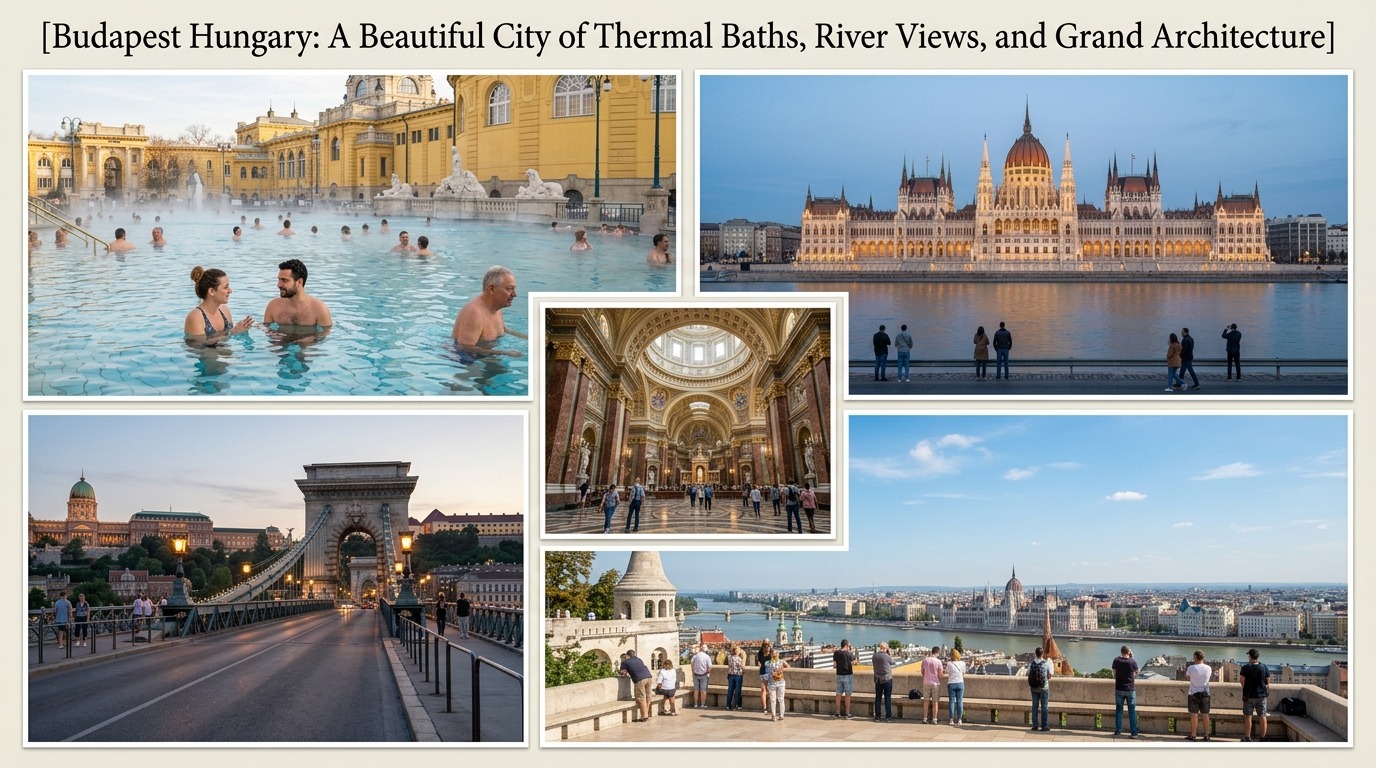
Budapest Hungary is a captivating European capital known for its grand architecture, historic thermal baths, elegant bridges, lively cafés, and unforgettable views along the Danube River. Created through the historic union of Buda and Pest, the city offers two distinct personalities connected by beautiful bridges and a shared cultural identity. From the hilltop streets of Buda Castle to the energetic avenues of Pest, Budapest combines history and modern city life in a remarkably scenic setting.
The city is equally appealing for a short weekend break or a longer cultural holiday. Visitors can explore centuries-old landmarks, relax in mineral-rich thermal pools, enjoy Hungarian cuisine, browse traditional markets, and experience the city after dark when its buildings and bridges are beautifully illuminated. Whether you are interested in architecture, wellness, food, photography, or European history, Budapest Hungary offers plenty of meaningful experiences.
Where Is Budapest Hungary?
Budapest is the capital of Hungary, located in Central Europe along the Danube River. The river divides the city into two historic areas: Buda on the western bank and Pest on the eastern bank.
Buda is known for its hills, historic residences, castle district, and quieter residential streets. Pest is flatter, more urban, and home to many restaurants, shopping streets, museums, cafés, and major government buildings.
Budapest Ferenc Liszt International Airport serves the city and connects it with destinations across Europe and beyond. Travelers can reach the center using public transportation, airport shuttle services, taxis, or private transfers.
The city has an extensive public transport network, including metro lines, trams, buses, and trolleybuses. Many central attractions are also within walking distance of one another, making Budapest relatively easy to explore without renting a car.
Why Visit Budapest Hungary?
Budapest Hungary attracts travelers with its combination of historic beauty, cultural experiences, affordable activities, and relaxing thermal baths. It has the atmosphere of a grand European capital while retaining a distinct Hungarian identity.
The city is especially appealing because it offers different types of experiences within a relatively compact area. You can admire historic buildings in the morning, enjoy a traditional lunch, spend the afternoon in a thermal bath, and take a Danube evening cruise.
Some of the main reasons to visit Budapest include:
- Beautiful views of the Danube River
- Historic castles, churches, and bridges
- Famous thermal baths and wellness traditions
- Hungarian food, pastries, and wine
- Impressive museums and cultural venues
- Lively cafés and nightlife
- Scenic viewpoints across Buda and Pest
- Walkable historic districts
- Convenient public transportation
- Day-trip opportunities to towns and natural areas
Budapest is also a destination that rewards returning visitors. Beyond the famous landmarks, smaller neighborhoods, local markets, independent galleries, and riverside paths reveal a more relaxed side of the city.
Buda Castle, Fisherman’s Bastion, and Historic Landmarks
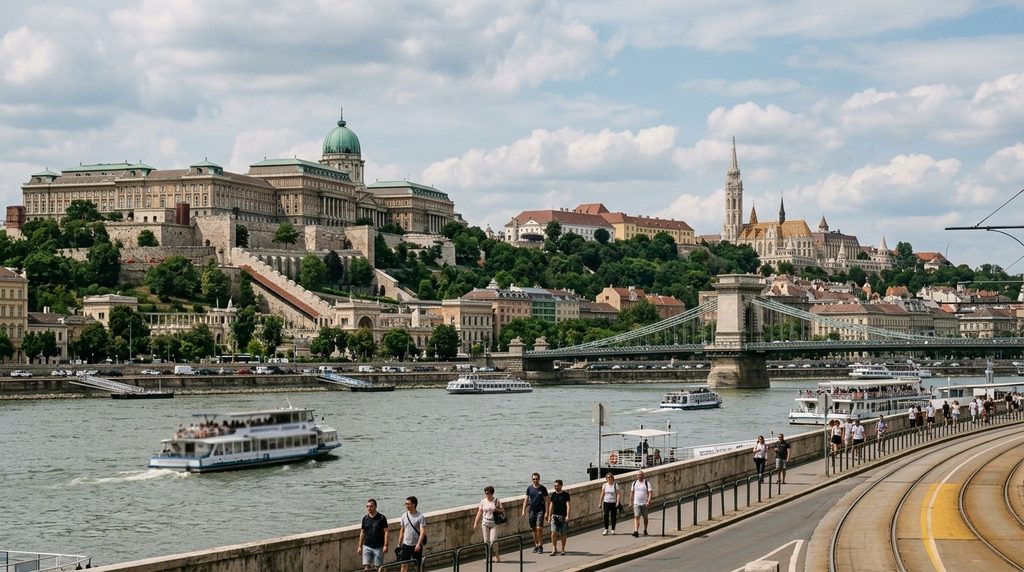
The Buda side of Budapest is filled with historic buildings, cobbled streets, viewpoints, and important cultural attractions. The Castle District is one of the most memorable areas to explore, especially for travelers interested in architecture and history.
Buda Castle
Buda Castle stands on Castle Hill above the Danube and has played an important role in Hungary’s royal and political history. The castle complex has been rebuilt and altered over the centuries, reflecting different architectural periods.
Today, the area includes museums, courtyards, historic buildings, and scenic paths. Even when visitors do not enter every museum, walking around the castle grounds provides impressive views of the city.
Fisherman’s Bastion
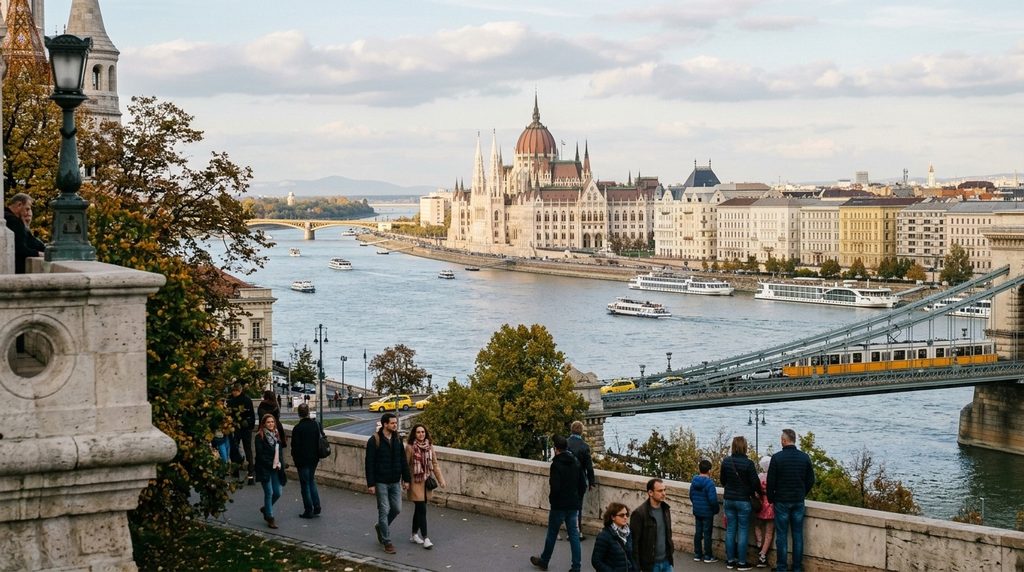
Fisherman’s Bastion is famous for its decorative towers, terraces, and panoramic views toward Pest. Its fairytale-like appearance makes it one of Budapest’s most photographed landmarks.
The terraces offer excellent views of the Hungarian Parliament Building and the Danube. Some sections may require a ticket, while other areas can be explored freely depending on current arrangements.
Matthias Church
Matthias Church stands near Fisherman’s Bastion and is recognized for its colorful tiled roof and richly decorated interior. The church has witnessed important moments in Hungarian history and has undergone several periods of restoration.
Its architecture combines Gothic influences with later decorative elements, making it a highlight of the Castle District.
Castle Hill Streets
The streets around Castle Hill are worth exploring beyond the main attractions. Historic houses, quiet courtyards, small museums, and traditional façades create a calmer atmosphere than the busiest parts of central Pest.
The area is particularly pleasant early in the morning or later in the afternoon when the streets are less crowded.
Hungarian Parliament and the Danube River
The Hungarian Parliament Building is one of Budapest’s most recognizable landmarks. Located along the Pest riverbank, its grand Gothic Revival design, spires, symmetry, and riverside setting make it a defining part of the city skyline.
Hungarian Parliament Building
The Parliament Building is home to Hungary’s National Assembly and is also an important architectural attraction. Guided visits may include selected interior spaces, ceremonial halls, and historical displays.
Entry arrangements, identification requirements, and tour schedules can change, so visitors should consult official information before planning a visit.
Shoes on the Danube Bank
The Shoes on the Danube Bank memorial honors Jewish people who were killed in Budapest during the Second World War. The iron shoes represent the footwear victims were forced to leave behind before their deaths.
The memorial is located beside the river and should be approached respectfully. It is a powerful reminder of the city’s wartime history.
Danube River Cruises
A river cruise is one of the most popular ways to experience Budapest. Daytime cruises provide views of bridges, historic buildings, and both sides of the city, while evening cruises offer illuminated landmarks and a different atmosphere.
Cruise lengths and services vary, from short sightseeing trips to dinner cruises with music and meals.
Chain Bridge
The Széchenyi Chain Bridge connects Buda and Pest and is one of Budapest’s most important symbols. Its stone towers and suspension structure create a beautiful crossing over the Danube.
Walking across the bridge offers attractive views in both directions, particularly around sunset.
Thermal Baths and Wellness Experiences
Budapest is often called a city of spas because of its long thermal-bathing tradition. Natural hot springs have been used in the area for centuries, and today the city offers several historic bathhouses with indoor pools, outdoor bathing areas, saunas, and wellness facilities.
Széchenyi Thermal Bath
Széchenyi Thermal Bath is one of Budapest’s best-known bath complexes. Located in City Park, it is famous for its large outdoor pools and grand yellow architecture.
The bath offers a range of pools with different temperatures, along with indoor bathing areas and additional wellness facilities. Visitors should follow posted health and safety guidance and check current ticketing arrangements.
Gellért Thermal Bath
Gellért Thermal Bath is associated with the historic Gellért Hotel and is known for its elegant Art Nouveau design. Decorative tiles, stained glass, and detailed interiors make the building attractive even beyond its bathing facilities.
Availability of individual pools and services can vary due to maintenance or renovation schedules.
Rudas Baths
Rudas Baths have historic Turkish-style bathing areas and offer a different atmosphere from the larger modern complexes. The facility combines traditional bathing spaces with newer wellness areas and views in selected sections.
Visitors should check current visiting rules, including any day-specific access arrangements.
Thermal Bath Tips
- Bring swimwear, sandals, and a towel or confirm rental options.
- Check whether lockers or cabins are included in your ticket.
- Review current opening hours before visiting.
- Avoid staying in very hot pools for extended periods.
- Drink water and take breaks between bathing sessions.
- Check age or access restrictions if traveling with children.
Thermal baths are not simply tourist attractions; they are part of Budapest’s everyday wellness culture.
Museums, Culture, and Indoor Attractions
Budapest has a strong cultural scene, with museums and galleries covering Hungarian history, fine art, music, literature, and difficult periods of the twentieth century.
Hungarian National Museum
The Hungarian National Museum presents the country’s history through archaeological discoveries, historical objects, artwork, and cultural collections.
It is a useful destination for visitors who want to understand Hungary’s development from ancient times to the modern era.
Museum of Fine Arts
Located near Heroes’ Square, the Museum of Fine Arts contains collections of European art from different periods. Its exhibitions include paintings, sculptures, and other works representing major artistic traditions.
House of Terror Museum
The House of Terror Museum examines the history of Hungary under fascist and communist regimes. Its exhibitions focus on political repression, imprisonment, and the experiences of people affected by dictatorship.
The subject matter is serious and may be emotionally difficult, but the museum offers important historical context.
Hungarian State Opera House
The Hungarian State Opera House is known for its ornate architecture and musical performances. Visitors may attend an opera, ballet, or concert, or join a guided architectural tour when available.
Great Market Hall
The Great Market Hall is a historic indoor market where visitors can explore produce stalls, food vendors, spices, souvenirs, and Hungarian specialties.
It is a useful place to experience everyday food culture, although prices in the most tourist-focused stalls may be higher than in neighborhood markets.
| Cultural Attraction | Main Experience | Suitable For |
| Hungarian National Museum | Hungarian history and heritage | History lovers |
| Museum of Fine Arts | European art collections | Art enthusiasts |
| House of Terror Museum | Twentieth-century political history | Cultural and history travelers |
| Hungarian State Opera House | Architecture and performances | Music and design lovers |
| Great Market Hall | Food, spices, and local products | Food-focused visitors |
Museum schedules may change by season or public holiday, so confirm details before visiting.
Parks, Viewpoints, and Outdoor Activities

Budapest offers many outdoor spaces where travelers can escape busy streets and enjoy views, gardens, and riverside scenery.
City Park
City Park, known as Városliget, is one of the city’s largest green spaces. It includes walking paths, cultural attractions, open lawns, and recreational areas.
The park is home to Széchenyi Thermal Bath, Heroes’ Square, and several museums, making it easy to combine outdoor time with sightseeing.
Heroes’ Square
Heroes’ Square is a monumental public space featuring statues representing important figures from Hungarian history. It stands at the entrance to City Park and is surrounded by significant cultural institutions.
The square is especially impressive when viewed together with the nearby museum buildings.
Margaret Island
Margaret Island sits in the Danube between Buda and Pest and offers a peaceful setting for walking, cycling, gardens, fountains, and recreational activities.
It is a good choice for travelers who want a slower afternoon away from the city’s main streets.
Gellért Hill
Gellért Hill provides some of Budapest’s most impressive elevated views. Paths lead through green areas toward viewpoints overlooking the Danube and the city.
The walk can be steep in places, so comfortable shoes are recommended.
Liberty Statue Area
The Liberty Statue area on Gellért Hill has historically been associated with panoramic views across Budapest. Access to individual sections may change due to construction, maintenance, or local arrangements, so check current conditions before visiting.
Hungarian Food and Traditional Dining
Food is an important part of the Budapest experience. Hungarian cuisine is known for its rich flavors, paprika, hearty soups, slow-cooked meats, pastries, and comforting home-style dishes.
The city offers everything from traditional restaurants and market stalls to modern bistros and international dining rooms.
Traditional Foods to Try
- Goulash: A paprika-seasoned soup or stew traditionally made with meat and vegetables
- Chicken paprikash: Chicken cooked in a paprika-based sauce, often served with dumplings
- Lángos: Fried dough commonly topped with sour cream, cheese, or garlic
- Fisherman’s soup: A spicy fish soup associated with Hungarian river regions
- Stuffed cabbage: Cabbage leaves filled with seasoned meat and rice
- Dobos torte: A layered sponge cake with chocolate buttercream and caramel topping
- Kürtőskalács: A chimney cake often coated with sugar, cinnamon, or nuts
- Somlói galuska: A traditional dessert made with sponge cake, cream, chocolate sauce, and other toppings
Where to Enjoy Local Cuisine
Traditional Hungarian restaurants are ideal for trying classic dishes in a relaxed setting. Market halls and food stalls are useful for casual snacks, while modern restaurants often present Hungarian ingredients in updated ways.
Budapest also has a strong café culture. Coffeehouses, bakeries, and pastry shops are excellent places to take a break while sampling cakes and local baked goods.
Visitors with dietary restrictions will find vegetarian and international options across the city, particularly in central neighborhoods.
Best Neighborhoods to Stay in Budapest
Budapest has several neighborhoods suitable for visitors, each with its own atmosphere and advantages.
District V: Belváros and Lipótváros
This central area is convenient for first-time visitors. It is close to the Danube, Parliament, shopping streets, restaurants, and many major attractions.
Accommodation here can be more expensive than in some outer districts, but the location is highly practical.
District VI: Terézváros
Terézváros includes Andrássy Avenue, the Opera House, cafés, restaurants, and cultural attractions. It is a good option for travelers interested in architecture, shopping, and city life.
District VII: Erzsébetváros
Erzsébetváros is known for its lively nightlife, ruin bars, restaurants, and creative atmosphere. It can be exciting for younger travelers and visitors who enjoy evening entertainment.
Some streets can be noisy at night, so check the location carefully if you prefer quiet accommodation.
District I: Castle District
The Castle District offers historic surroundings, beautiful views, and a calmer atmosphere. It suits travelers who enjoy architecture, heritage, and scenic walks.
The area is hillier than central Pest and may be less convenient for visitors who want nightlife nearby.
District XIII
District XIII includes residential streets, riverside areas, and modern developments. It can offer a quieter base while remaining connected to central Budapest by public transportation.
| Neighborhood | Atmosphere | Best For |
| District V | Central and historic | First-time visitors |
| District VI | Cultural and elegant | Architecture and shopping |
| District VII | Lively and energetic | Nightlife and restaurants |
| District I | Historic and peaceful | Couples and heritage lovers |
| District XIII | Residential and relaxed | Longer stays and families |
When booking accommodation, consider noise levels, transport access, walking distance, and whether the building has an elevator.
Shopping, Nightlife, and Evening Experiences
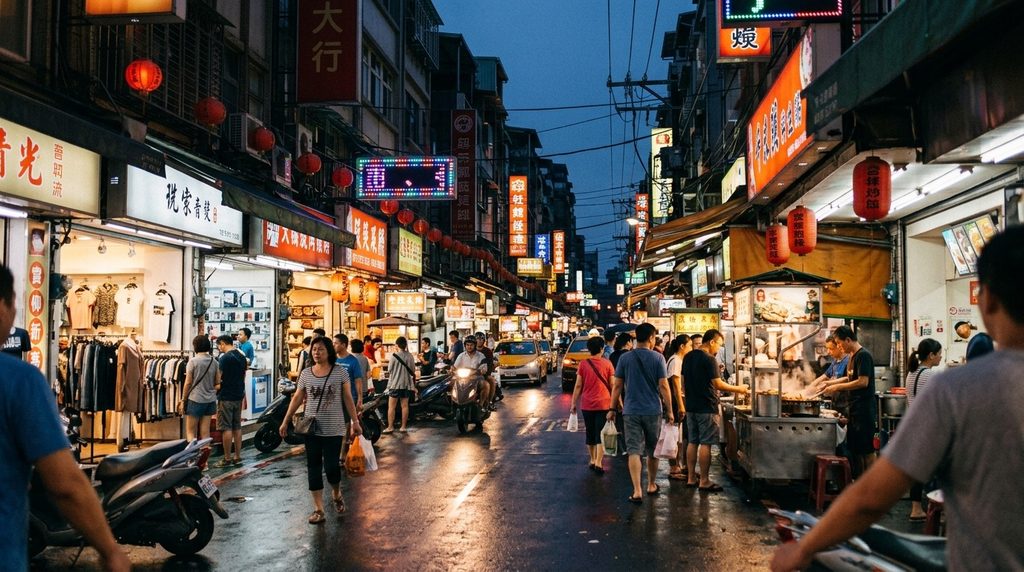
Budapest becomes especially atmospheric in the evening. Historic buildings glow along the Danube, restaurants fill with diners, and nightlife areas become active with music and conversation.
Váci Street
Váci Street is one of Budapest’s best-known shopping streets. It includes fashion stores, souvenir shops, cafés, and restaurants in a central pedestrian setting.
Although it is popular with visitors, exploring nearby streets can reveal smaller shops and less commercial dining options.
Andrássy Avenue
Andrássy Avenue is a grand boulevard lined with historic buildings, cultural institutions, boutiques, and cafés. It connects central Budapest with Heroes’ Square and City Park.
The avenue is enjoyable during the day and remains attractive for an evening walk.
Ruin Bars
Budapest’s ruin bars are located in repurposed buildings and courtyards, particularly in the Jewish Quarter. They are known for eclectic interiors, art installations, shared spaces, and a casual nightlife atmosphere.
The experience varies from venue to venue, and some locations can become crowded late at night.
Danube at Night
A nighttime walk beside the Danube is one of the simplest and most memorable activities in Budapest. The illuminated Parliament Building, Chain Bridge, and Buda Castle create beautiful views across the river.
Travelers should remain aware of their surroundings and follow local safety guidance, especially in busy nightlife districts.
Day Trips from Budapest Hungary
Budapest is well positioned for day trips to historic towns, river landscapes, and cultural attractions outside the capital.
Szentendre
Szentendre is a charming town north of Budapest known for its narrow streets, colorful buildings, art galleries, museums, and riverside setting.
It is a popular choice for travelers who want a relaxed day away from the capital.
Visegrád
Visegrád is known for its historic castle and elevated views over the Danube Bend. The town combines medieval history with attractive natural scenery.
A visit can be paired with other destinations in the Danube Bend region.
Esztergom
Esztergom is an important historic city associated with Hungarian Christianity. Its large basilica and riverside location make it a rewarding destination for architecture and history enthusiasts.
Lake Balaton
Lake Balaton is Hungary’s best-known lake region, offering beaches, resorts, vineyards, and outdoor activities. It is farther from Budapest than the Danube Bend towns, so visiting may require a full day or an overnight stay.
Gödöllő Palace
Gödöllő Palace is a historic royal residence located outside Budapest. Its elegant interiors, gardens, and connection with Hungary’s royal past make it a useful cultural excursion.
| Day Trip | Main Attraction | Suggested Duration |
| Szentendre | Art, cafés, and historic streets | Half or full day |
| Visegrád | Castle and Danube Bend views | Full day |
| Esztergom | Basilica and religious history | Full day |
| Gödöllő Palace | Royal architecture and gardens | Half day |
| Lake Balaton | Lakeside scenery and outdoor activities | Full day or overnight |
Check train, bus, and boat schedules before leaving Budapest, especially outside the main tourist season.
Best Time to Visit Budapest Hungary and Practical Tips
Budapest can be visited throughout the year, but spring and autumn are often comfortable for walking, sightseeing, and outdoor activities.
Spring
Spring brings mild temperatures, flowering parks, and longer daylight hours. It is a pleasant season for exploring historic districts, taking river walks, and visiting museums.
Summer
Summer is lively and generally warm, with outdoor events, open-air cafés, and long evenings. Popular attractions can become crowded, and temperatures may be high during the afternoon.
Autumn
Autumn offers colorful parks, cooler weather, and a comfortable atmosphere for cultural sightseeing. It is also a good season for enjoying cafés, museums, and thermal baths.
Winter
Winter can be cold, but Budapest remains attractive thanks to indoor museums, thermal baths, cafés, and seasonal markets. Snow is possible but not guaranteed.
Practical Travel Tips
- Wear comfortable shoes for cobbled streets and long walking days.
- Carry Hungarian forint for small purchases, even where cards are widely accepted.
- Use official taxis or reliable transportation services.
- Validate public transport tickets according to local rules.
- Book popular thermal baths and river cruises ahead during busy periods.
- Carry a light jacket for evenings near the Danube.
- Check attraction schedules before visiting on public holidays.
- Respect memorials, churches, and historic sites.
- Keep valuables secure in crowded transport areas and nightlife districts.
For a first visit, three days can cover the main highlights. Four or five days allow more time for thermal baths, museums, neighborhoods, and a day trip.
FAQs
Is Budapest Hungary worth visiting?
Yes, Budapest Hungary is worth visiting for its historic architecture, thermal baths, Danube River views, museums, traditional food, and lively cultural atmosphere. It offers a wide range of experiences for different types of travelers.
How many days do you need in Budapest?
Three days are enough to explore major landmarks, visit a thermal bath, enjoy Hungarian food, and experience the central neighborhoods. Four to five days allow a slower itinerary and time for a day trip.
What is the best time to visit Budapest Hungary?
Spring and autumn are excellent for comfortable sightseeing, while summer is ideal for outdoor activities and long evenings. Winter is suitable for thermal baths, museums, cafés, and seasonal events.
Is Budapest expensive for tourists?
Budapest can be more affordable than several major Western European capitals, particularly for public transportation, casual dining, and some accommodation options. Costs vary depending on the season, location, and travel style.
What are the best things to do in Budapest at night?
Popular evening activities include taking a Danube cruise, walking near the illuminated Parliament Building, visiting a ruin bar, enjoying Hungarian cuisine, or exploring the city’s lively café and cultural scene.
Conclusion:
Budapest Hungary is a city of striking contrasts, where royal architecture, historic neighborhoods, thermal bathing traditions, modern cafés, and beautiful river views create a memorable travel experience. From Buda Castle and Fisherman’s Bastion to the Parliament Building and the lively streets of Pest, the capital offers something interesting around nearly every corner.
Whether you visit for a weekend escape or a longer Central European journey, Budapest rewards travelers who take time to explore beyond the main landmarks. Enjoy its traditional food, relax in a thermal bath, walk beside the Danube, and discover the cultural details that give this remarkable city its lasting charm.
Read more:Krakow Poland: A Beautiful Journey Through History, Culture, and Old-World Charm