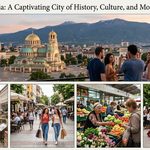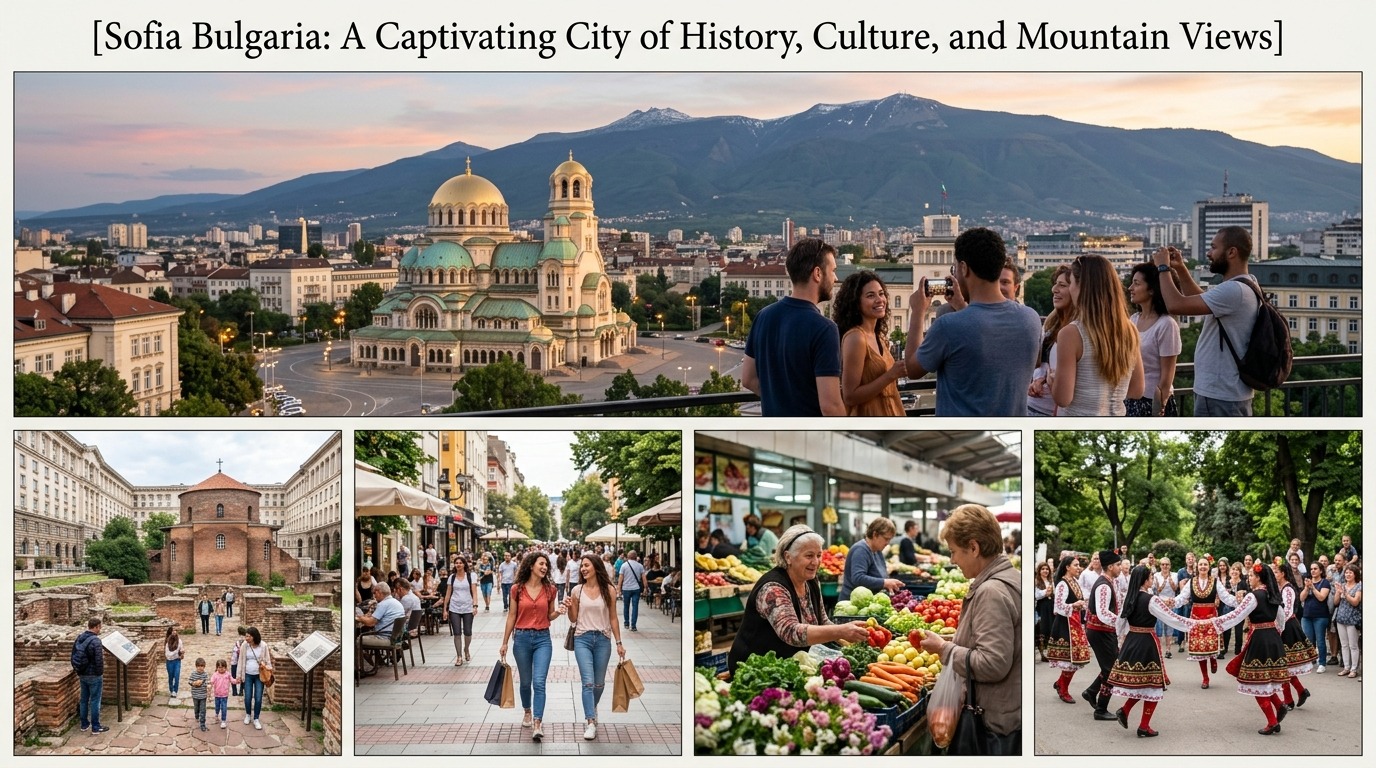
Sofia Bulgaria is a fascinating European capital where ancient history, lively urban culture, Orthodox churches, leafy parks, and mountain scenery come together in one welcoming destination. Set at the foot of Vitosha Mountain, Sofia offers travelers an appealing mix of historic landmarks, modern cafés, museums, shopping streets, and peaceful green spaces. Its layered past can be seen in Roman ruins, Ottoman-era buildings, grand churches, and monuments from Bulgaria’s more recent history.
Although Sofia is often used as a starting point for exploring Bulgaria, the city deserves more than a brief stopover. Its compact central area makes sightseeing manageable, while its surrounding neighborhoods reveal local restaurants, artistic spaces, traditional markets, and everyday Bulgarian life. Whether you are interested in history, architecture, food, nature, or affordable European city breaks, Sofia provides a rewarding experience throughout the year.
Where Is Sofia Bulgaria?
Sofia is the capital and largest city of Bulgaria, located in the western part of the country near the Serbian border. The city sits in a broad valley beneath Vitosha Mountain, which creates an impressive natural backdrop and offers easy access to outdoor activities.
Sofia is well connected to other European destinations through Sofia Airport, while trains and buses link the capital with cities across Bulgaria and neighboring countries. The city also has a metro system, trams, buses, and trolleybuses, making it relatively easy to travel around without renting a car.
The central area contains many of Sofia’s most important attractions within walking distance of one another. Visitors can move between ancient ruins, historic churches, museums, shopping streets, and public squares without spending much time in transit.
Sofia’s location also makes it a convenient base for day trips to monasteries, mountain areas, and nearby historic towns.
Why Visit Sofia Bulgaria?
Sofia Bulgaria offers a different experience from many of Europe’s more polished tourist capitals. It feels lived-in, diverse, and historically layered, with modern city life developing around buildings and monuments that are centuries old.
One of the city’s strongest qualities is variety. You can begin the day exploring Roman remains, enjoy a traditional Bulgarian lunch, visit a contemporary gallery, and finish with a walk through a park beneath Vitosha Mountain.
Travelers choose Sofia for many reasons, including:
- Historic churches, mosques, ruins, and monuments
- Affordable accommodation and dining compared with many European capitals
- Easy access to Vitosha Mountain
- Museums covering Bulgarian art, history, and culture
- Traditional food and lively café culture
- Walkable central attractions
- Shopping streets and local markets
- Convenient connections to other Bulgarian destinations
- A mix of Balkan, Ottoman, Roman, and modern European influences
Sofia is particularly suitable for travelers who enjoy independent exploration. The city does not require a packed schedule, and some of its most enjoyable moments come from wandering through side streets, relaxing in public gardens, or stopping at a neighborhood restaurant.
Top Attractions and Historic Landmarks
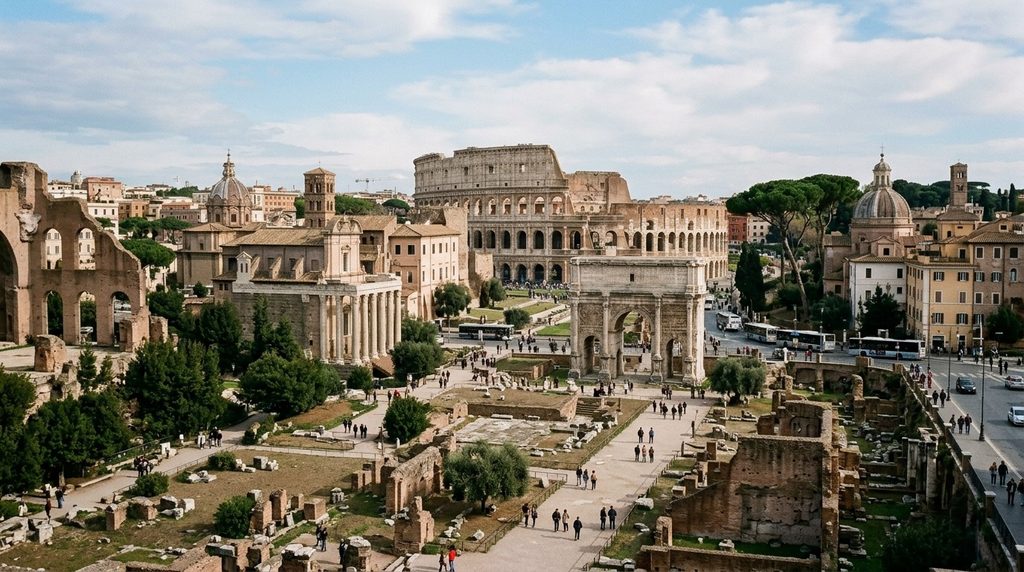
Sofia’s historic center contains an impressive collection of landmarks from different periods. Many attractions are close together, allowing visitors to explore the city’s history on foot.
Alexander Nevsky Cathedral
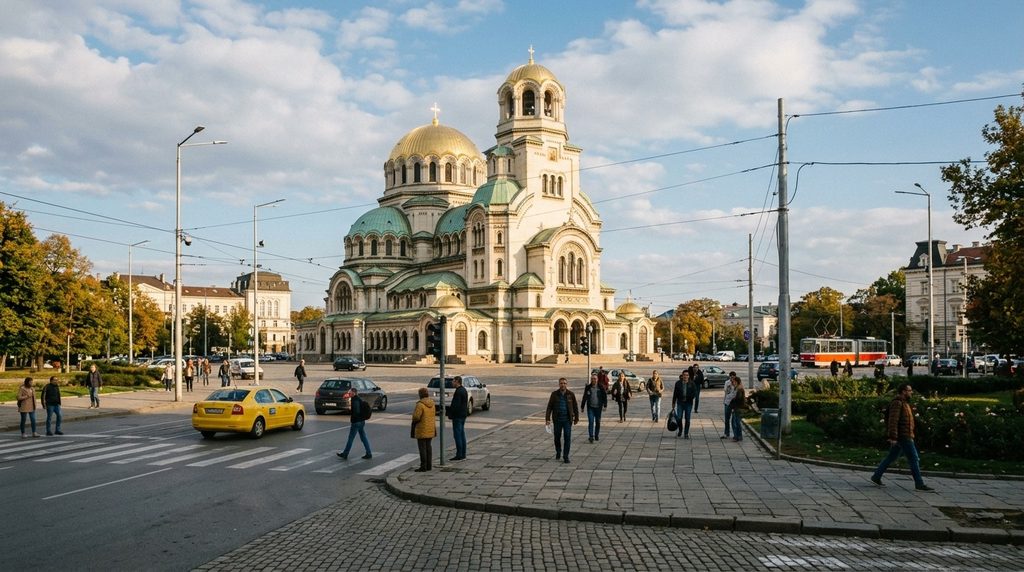
The Alexander Nevsky Cathedral is Sofia’s most recognizable landmark. Its large golden domes, pale stone exterior, and richly decorated interior make it an important symbol of Bulgaria.
The cathedral was built in honor of Russian soldiers who died during the Russo-Turkish War of 1877–1878. Inside, visitors can see religious artwork, impressive architectural details, and a peaceful atmosphere despite the cathedral’s monumental scale.
Saint George Rotunda
The Church of Saint George is a small red-brick rotunda surrounded by later buildings and archaeological remains. Dating back to the Roman period, it is considered one of Sofia’s oldest preserved structures.
Its location within the modern city highlights how Sofia has developed over many centuries.
Serdika Archaeological Complex
Beneath and around the city center are remains of ancient Serdika, the Roman settlement that once stood where Sofia is located today. The archaeological complex includes streets, foundations, and building remains.
It is an excellent place to understand the city’s Roman origins without leaving the central shopping and pedestrian areas.
Saint Sofia Church
Saint Sofia Church is one of the city’s most historically significant religious buildings. It gives Sofia its name and contains architectural elements connected with several historical periods.
The church’s simple exterior contrasts with the elaborate design of Alexander Nevsky Cathedral, offering visitors a different perspective on Bulgarian religious architecture.
Boyana Church
Located near the lower slopes of Vitosha Mountain, Boyana Church is famous for its medieval frescoes. The church is a UNESCO World Heritage Site and is widely recognized for the artistic quality and historical importance of its paintings.
Visitor access may be managed in groups or according to current preservation requirements, so checking arrangements before visiting is sensible.
Museums, Art, and Bulgarian Culture
Sofia’s museums provide useful context for understanding Bulgaria’s complex history, artistic traditions, and national identity. The city has institutions covering archaeology, ethnography, modern art, religious objects, and political history.
National Archaeological Museum
The National Archaeological Museum is housed in a former mosque and contains artifacts from different civilizations that occupied Bulgarian territory. Exhibits cover prehistoric cultures, Thracian treasures, Roman objects, medieval history, and more.
It is a valuable stop for travelers who want to explore Bulgaria beyond its capital’s modern appearance.
National History Museum
The National History Museum presents a broad overview of Bulgaria’s past, from ancient civilizations to more recent periods. Its collections include archaeological discoveries, religious objects, historical documents, and cultural artifacts.
The museum is located outside the central city area, so visitors should allow time for transportation.
National Art Gallery
The National Art Gallery displays Bulgarian art across different periods and styles. Its collections help visitors understand the country’s artistic development and cultural traditions.
The gallery is especially useful for travelers who want to explore Bulgarian painters and artistic movements rather than focusing only on architecture and monuments.
Museum of Socialist Art
This museum explores art created during Bulgaria’s socialist period. Its collection includes paintings, sculptures, and public-art examples connected with the political and cultural environment of the time.
It offers a different perspective on Bulgaria’s twentieth-century history and is worth considering for visitors interested in modern European history.
Parks, Vitosha Mountain, and Outdoor Activities
One of Sofia’s greatest advantages is its proximity to nature. Vitosha Mountain rises directly above the city and provides opportunities for hiking, fresh air, scenic views, and winter activities.
Vitosha Mountain
Vitosha is easily accessible from Sofia and is popular with both residents and visitors. Depending on the season and route, travelers can enjoy forest walks, mountain viewpoints, longer hikes, and snow-based activities.
The mountain’s conditions can differ significantly from those in the city. Check transport schedules, trail conditions, and weather forecasts before heading uphill.
Boyana Waterfall
Boyana Waterfall is a popular natural attraction on the slopes of Vitosha. Reaching it requires a hike through forested terrain, with some sections becoming slippery or challenging after rain.
The walk is rewarding for travelers who want to combine nature with a visit to Boyana Church.
Borisova Garden
Borisova Garden is one of Sofia’s best-known public parks. It is a pleasant place for walking, relaxing, cycling, or taking a break from busy streets.
The park is especially attractive during warmer months when trees, gardens, and open spaces create a refreshing atmosphere.
South Park
South Park is another popular green space with walking paths, cafés, recreational areas, and open lawns. It is well suited to families and travelers who enjoy relaxed city activities.
| Outdoor Attraction | Location or Setting | Best For |
| Vitosha Mountain | South of Sofia | Hiking, snow activities, mountain views |
| Boyana Waterfall | Vitosha foothills | Nature walks and outdoor photography |
| Borisova Garden | Central Sofia | Relaxing, walking, and people-watching |
| South Park | Southern Sofia | Families, cafés, and casual strolls |
| Pancharevo Lake | Outside the city | Lakeside walks and peaceful scenery |
Sofia’s parks are not simply sightseeing locations. They are part of daily life, where locals meet friends, exercise, walk dogs, and enjoy time outdoors.
Bulgarian Food and Where to Eat
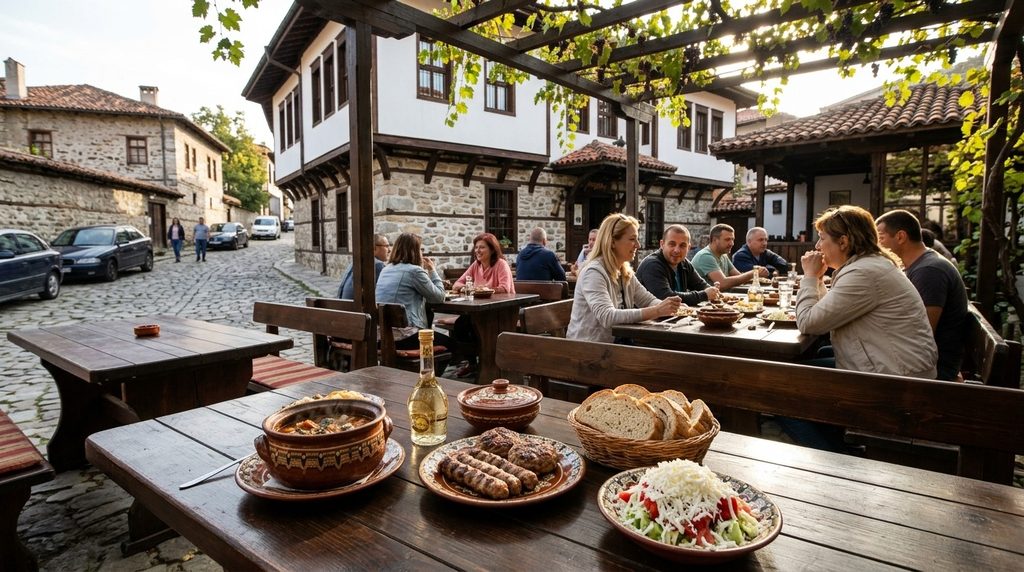
Trying Bulgarian food is an important part of visiting Sofia. The city’s restaurants serve traditional dishes alongside international cuisine, modern cafés, bakeries, and vegetarian-friendly options.
Bulgarian cooking often features fresh vegetables, yogurt, cheese, grilled meats, beans, herbs, and slow-cooked dishes. Portions are generally generous, and many meals are designed for sharing.
Traditional Foods to Try
- Banitsa: A pastry usually made with layers of filo dough and cheese
- Shopska salad: Tomatoes, cucumbers, peppers, onions, and grated white cheese
- Kavarma: A slow-cooked meat and vegetable dish
- Kebapche: Grilled minced meat shaped into small sausages
- Tarator: A cold yogurt and cucumber soup
- Mekitsi: Fried dough often served with sweet or savory toppings
- Lutenitsa: A spread made from peppers, tomatoes, and other vegetables
- Bulgarian yogurt: Known for its distinctive tangy flavor
Where to Experience Local Flavors
Traditional restaurants called mehanas often provide a more rustic dining atmosphere, with regional dishes and sometimes folk music. Modern restaurants in central Sofia reinterpret Bulgarian ingredients in contemporary ways.
For casual meals, bakeries and small cafés are useful places to try pastries, coffee, sandwiches, and inexpensive snacks. Local markets can also be interesting for discovering seasonal produce and regional products.
When ordering Bulgarian food, ask staff about portion sizes and ingredients, especially if you have dietary restrictions.
Best Neighborhoods to Explore and Stay
Choosing the right area can shape your experience of Sofia. The central districts are convenient for first-time visitors, while residential neighborhoods offer a quieter atmosphere and a more local feel.
Sofia City Center
The central area is ideal for travelers who want to walk to major attractions, restaurants, shops, and public transport. Many historic landmarks are located within or near this district.
It is a practical choice for short visits and first-time trips.
Lozenets
Lozenets is a popular residential neighborhood with cafés, restaurants, tree-lined streets, and access to South Park. It can suit travelers who prefer a calmer setting while remaining close to the center.
Oborishte
Oborishte is known for elegant streets, embassies, cultural institutions, and a relaxed atmosphere. It is close to several important attractions and can be a comfortable base for longer stays.
Studentski Grad
Studentski Grad has a youthful atmosphere, casual restaurants, nightlife, and budget-oriented accommodation. It is farther from the historic center and may be less convenient for travelers focused mainly on sightseeing.
| Area | Atmosphere | Suitable For |
| City Center | Historic, lively, convenient | First-time visitors and short stays |
| Lozenets | Residential and relaxed | Couples and longer visits |
| Oborishte | Quiet, elegant, cultural | Families and culture-focused travelers |
| Studentski Grad | Young and energetic | Students and budget travelers |
| Near Vitosha foothills | Green and peaceful | Nature lovers and quiet stays |
When booking accommodation, consider proximity to a metro station, especially if you plan to visit attractions outside the center.
Shopping, Markets, and Evening Experiences
Sofia offers a mix of modern shopping areas, independent boutiques, traditional markets, and lively evening venues.
Vitosha Boulevard
Vitosha Boulevard is one of the city’s best-known pedestrian streets. It features cafés, restaurants, fashion stores, and views toward Vitosha Mountain when weather conditions are clear.
It is a popular place for an afternoon coffee or evening walk.
Central Sofia Market Hall
The Central Sofia Market Hall has long been associated with food shopping and city life. Its historic building and central location make it a useful stop for visitors interested in local products and everyday culture.
Availability of individual vendors and services can change, so travelers should check current conditions.
Women’s Market
Known locally as Zhenski Pazar, the Women’s Market is one of Sofia’s traditional market areas. Visitors may find fresh produce, spices, snacks, household goods, and products reflecting the city’s diverse communities.
It is best explored during daytime, when the market is generally most active.
Evening in Sofia
Sofia’s evening scene ranges from quiet wine bars and traditional restaurants to live music venues, cocktail lounges, and clubs. The area around the city center and certain nearby neighborhoods offers plenty of options.
For a relaxed evening, consider dining in a traditional restaurant, walking through illuminated central streets, or enjoying a drink at a café terrace.
Day Trips from Sofia Bulgaria
Sofia’s location makes it a convenient starting point for several memorable day trips. Some can be reached by public transportation or organized tours, while others are easier with a rental car.
Rila Monastery
Rila Monastery is one of Bulgaria’s most important cultural and religious landmarks. Located in a mountain valley, it is known for its colorful architecture, frescoes, peaceful setting, and historical importance.
A visit usually requires a full day because of the distance from Sofia.
Plovdiv
Plovdiv is one of Bulgaria’s most appealing historic cities. Its old town, Roman theater, creative district, and colorful houses make it a rewarding destination for culture lovers.
It can be visited as a long day trip, although staying overnight allows more time to explore.
Koprivshtitsa
Koprivshtitsa is a traditional mountain town known for colorful historic houses, cobbled streets, museums, and connections with Bulgaria’s national revival period.
It is a good choice for travelers who want to experience a smaller, more traditional Bulgarian settlement.
Pancharevo Lake
Pancharevo Lake lies outside Sofia and offers a peaceful escape from the city. Visitors can enjoy lakeside walks, outdoor cafés, and scenic views.
It is suitable for a shorter outing when you do not want to spend an entire day traveling.
| Day Trip | Main Appeal | Suggested Time |
| Rila Monastery | Religious history and mountain scenery | Full day |
| Plovdiv | Roman ruins, old town, and arts | Full day or overnight |
| Koprivshtitsa | Traditional architecture and museums | Full day |
| Pancharevo Lake | Nature and lakeside relaxation | Half day |
| Vitosha Mountain | Hiking and panoramic views | Half day or full day |
Before planning a day trip, confirm transport times and return options. Some destinations have limited evening connections, particularly outside the main tourist season.
Best Time to Visit Sofia Bulgaria and Practical Tips
Sofia can be visited throughout the year, but each season offers a different experience.
Spring brings mild weather, flowering trees, and comfortable conditions for walking. Summer usually offers long days and lively outdoor cafés, although temperatures can rise and occasional storms occur.
Autumn is pleasant for sightseeing, with colorful parks and cooler air. Winter can be cold and snowy, but the city’s cultural attractions remain appealing, and Vitosha may offer winter recreation when conditions are suitable.
Practical Travel Tips
- Wear comfortable shoes because central Sofia is best explored on foot.
- Carry some Bulgarian lev for small purchases and traditional markets.
- Use official taxis or reputable ride services.
- Check public transportation routes before visiting attractions outside the center.
- Keep valuables secure in crowded markets and transport areas.
- Dress respectfully when entering churches and religious sites.
- Check museum schedules, especially around public holidays.
- Allow extra time for mountain trips because weather can change quickly.
- Consider staying near the center or a metro station for convenience.
Sofia is generally easy to navigate, but travelers should remain aware of normal city precautions and follow local guidance.
FAQs
Is Sofia Bulgaria worth visiting?
Yes, Sofia Bulgaria is worth visiting for its ancient ruins, historic churches, museums, parks, local food, and access to Vitosha Mountain. It is especially appealing for travelers seeking an affordable and culturally rich European city break.
How many days do you need in Sofia?
Two to three days are enough to explore the main attractions, museums, parks, and central neighborhoods. Add extra days if you want to visit Rila Monastery, Vitosha Mountain, or other nearby destinations.
What is the best time to visit Sofia Bulgaria?
Spring and early autumn are comfortable for walking and sightseeing, while summer is ideal for outdoor cafés and mountain trips. Winter is suitable for travelers who enjoy colder weather and seasonal mountain activities.
Is Sofia Bulgaria expensive for tourists?
Sofia is often more affordable than many major Western European capitals, particularly for dining, transportation, and accommodation. Costs vary according to travel style, neighborhood, season, and hotel category.
Can you visit Vitosha Mountain from Sofia?
Yes, Vitosha Mountain is easily accessible from Sofia by available transport options, taxis, or private vehicles, depending on the area you want to reach. Hiking routes and facilities vary by season and weather.
Conclusion:
Sofia Bulgaria is a destination where history and modern city life exist side by side. Ancient Roman remains, grand Orthodox churches, traditional markets, contemporary cafés, leafy parks, and nearby mountain landscapes give the capital a character that feels both distinctive and welcoming.
Whether you visit for a short city break or use Sofia as a base for exploring Bulgaria, the city offers meaningful experiences at a relaxed pace. Take time to explore its historic center, taste local dishes, visit its museums, and look beyond the main streets to discover the everyday charm of Bulgaria’s capital.
Read more:Peloponnese Greece: A Journey Through Ancient Ruins, Coastal Towns, and Mountain Landscapes