When does Oktoberfest take place? This is one of the most common questions travelers ask when planning a trip to Germany. Oktoberfest is the world’s largest beer festival and folk celebration, attracting millions of visitors from around the globe every year. Despite its name, much of the festival actually takes place in September rather than October.
Held annually in Munich, Germany, Oktoberfest combines traditional Bavarian culture, delicious food, lively music, colorful parades, thrilling rides, and of course, world-famous beer. Whether you’re planning your first visit or simply curious about the event, understanding when Oktoberfest occurs is the first step toward experiencing this incredible celebration.
If you’ve ever dreamed of enjoying giant beer tents, traditional Bavarian music, and festive crowds dressed in lederhosen and dirndls, then Oktoberfest should be on your travel bucket list. Every year, millions of people travel to Munich to participate in this iconic festival, making it one of the most popular cultural events in the world.
Many people are surprised to learn that Oktoberfest doesn’t actually begin in October. The festival traditionally starts in mid-to-late September and continues into the first weekend of October. This timing allows visitors to enjoy Germany’s warmer autumn weather while participating in the celebrations.
The Exact Timing of Oktoberfest
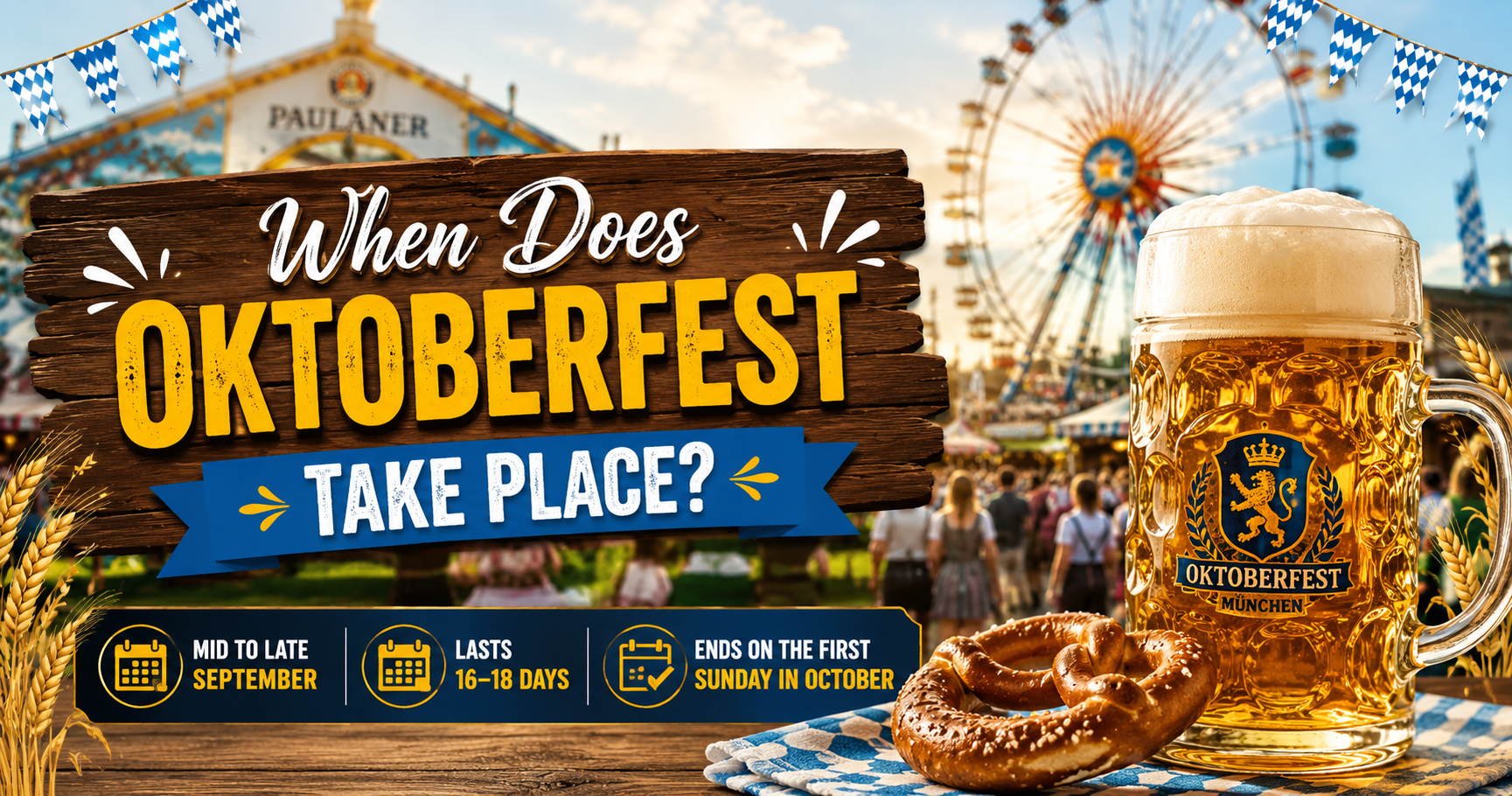
The answer to when does Oktoberfest take place is relatively straightforward:
- Oktoberfest begins in mid-to-late September.
- The festival lasts approximately 16 to 18 days.
- It ends on the first Sunday in October.
- If German Unity Day (October 3) falls after the first Sunday, the festival is often extended.
Typically, Oktoberfest runs from around September 20 through the first week of October.
Why Is Oktoberfest Mostly in September?
Many visitors wonder why a festival called Oktoberfest takes place primarily in September.
The reason is simple: better weather.
When Oktoberfest was first established, it was held entirely in October. Over time, organizers realized that September offered:
- Warmer temperatures
- Longer daylight hours
- More comfortable outdoor conditions
- Better travel experiences for visitors
As a result, the start date was gradually moved into September while keeping the traditional October ending.
The History of Oktoberfest
The origins of Oktoberfest date back to 1810.
The festival began as a celebration of the marriage between:
- Crown Prince Ludwig
- Princess Therese of Saxe-Hildburghausen
Citizens of Munich were invited to participate in festivities and horse races held on fields outside the city.
The celebration was so successful that it became an annual tradition. Over the years, the event expanded into the massive festival we know today.
Where Does Oktoberfest Take Place?
Oktoberfest takes place at:
Theresienwiese
The name means “Theresa’s Meadow,” named after Princess Therese.
This massive festival ground covers over 100 acres and becomes a temporary city during Oktoberfest. It includes:
- Beer tents
- Food stalls
- Carnival rides
- Entertainment venues
- Cultural exhibits
How Large Is Oktoberfest?
Oktoberfest is considered the largest beer festival in the world.
Every year:
- More than 6 million visitors attend.
- Millions of liters of beer are consumed.
- Thousands of workers help operate the event.
- Hundreds of food vendors participate.
The festival creates an unforgettable atmosphere filled with excitement, music, and Bavarian hospitality.
Traditional Oktoberfest Opening Ceremony
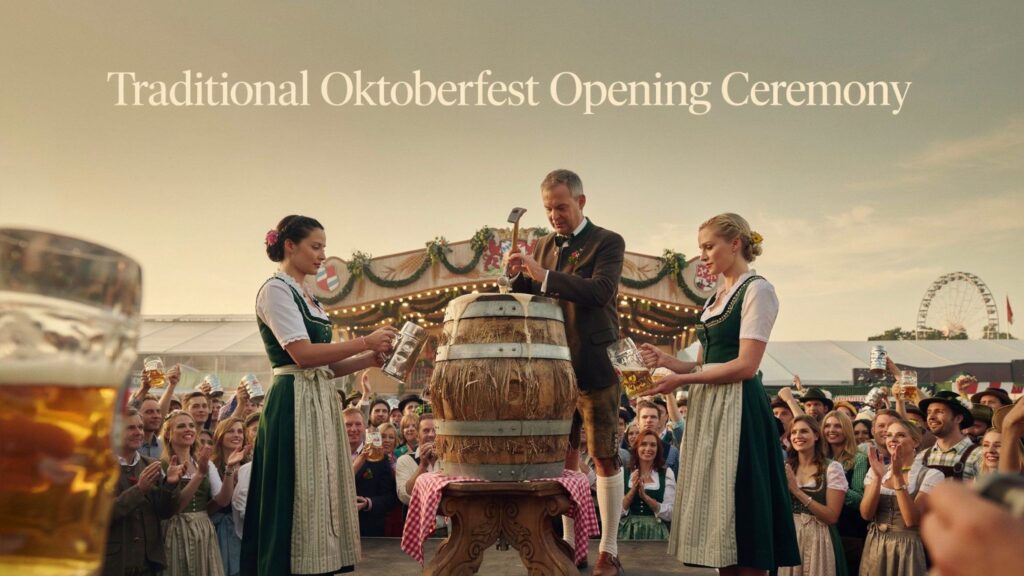
The opening ceremony is one of the most anticipated moments of the festival.
The Mayor of Munich officially opens Oktoberfest by tapping the first beer keg and declaring:
“O’zapft is!”
This Bavarian phrase means:
“It is tapped!”
Only after this announcement can beer officially be served in the tents.
Famous Beer Tents at Oktoberfest
One of the highlights of Oktoberfest is its enormous beer tents.
Popular tents include:
- Hofbräu-Festzelt
- Schottenhamel
- Augustiner-Festhalle
- Paulaner Festzelt
- Löwenbräu-Festzelt
Each tent has its own atmosphere, entertainment style, and traditional foods.
Traditional Oktoberfest Clothing
Visitors often wear traditional Bavarian clothing.
For Men
- Lederhosen
- Suspenders
- Bavarian hats
- Traditional shirts
For Women
- Dirndl dresses
- Aprons
- Traditional accessories
Wearing traditional attire helps visitors immerse themselves in the festival experience.
Traditional Oktoberfest Foods
Beer isn’t the only attraction.
Popular foods include:
- Pretzel
- Bratwurst
- Roast chicken
- Pork knuckle
- Bavarian cheese spreads
- Apple strudel
The food plays an important role in the overall Oktoberfest experience.
Read More: Ein Prosit der Gemütlichkeit is regularly played in any Bavarian beer tent
Weather During Oktoberfest
Since most of Oktoberfest takes place in September, visitors generally enjoy pleasant weather.
Average conditions include:
- Mild temperatures
- Cool evenings
- Occasional rain
- Comfortable daytime sightseeing
Packing layers is recommended because temperatures can vary throughout the day.
Best Time to Visit Oktoberfest
If you’re wondering when does Oktoberfest take place and when you should attend, consider these options:
Opening Weekend
Perfect for:
- First-time visitors
- Parade lovers
- Festival enthusiasts
Weekdays
Best for:
- Smaller crowds
- Easier seating
- More relaxed atmosphere
Final Weekend
Ideal for:
- Maximum excitement
- Festive energy
- Closing celebrations
Tips for First-Time Visitors
Arrive Early
Beer tents fill quickly, especially on weekends.
Make Reservations
Popular tents often require advance reservations.
Use Public Transportation
Parking is extremely limited during Oktoberfest.
Bring Cash
Many vendors prefer cash payments.
Stay Hydrated
Balancing food and water with beer consumption is important.
Family-Friendly Activities
Oktoberfest isn’t just for adults.
Families can enjoy:
- Carnival rides
- Ferris wheels
- Games
- Parades
- Traditional performances
Several days even feature special family-friendly discounts.
Cultural Importance of Oktoberfest
Oktoberfest is more than a beer festival.
It represents:
- Bavarian heritage
- German traditions
- Community celebration
- Cultural pride
- Historical continuity
Many locals view Oktoberfest as an important cultural event that preserves traditions dating back more than two centuries.
Planning Your Oktoberfest Trip
Here is your content converted into a clean table format:
| Category | Details |
| Flights | Book early to get cheaper fares and better availability. Prices rise closer to the festival dates. |
| Hotels | Hotels in Munich get fully booked quickly, so reserve months in advance. |
| Tent Reservations | Popular beer tents require advance booking, especially for groups and weekends. |
| Transportation Passes | Use public transport passes for easy and affordable travel around Munich. |
| Travel Insurance | Recommended for safety, covering cancellations, delays, and emergencies. |
| Accommodation Costs | Prices increase significantly during Oktoberfest due to very high demand. |
Why Oktoberfest Remains So Popular
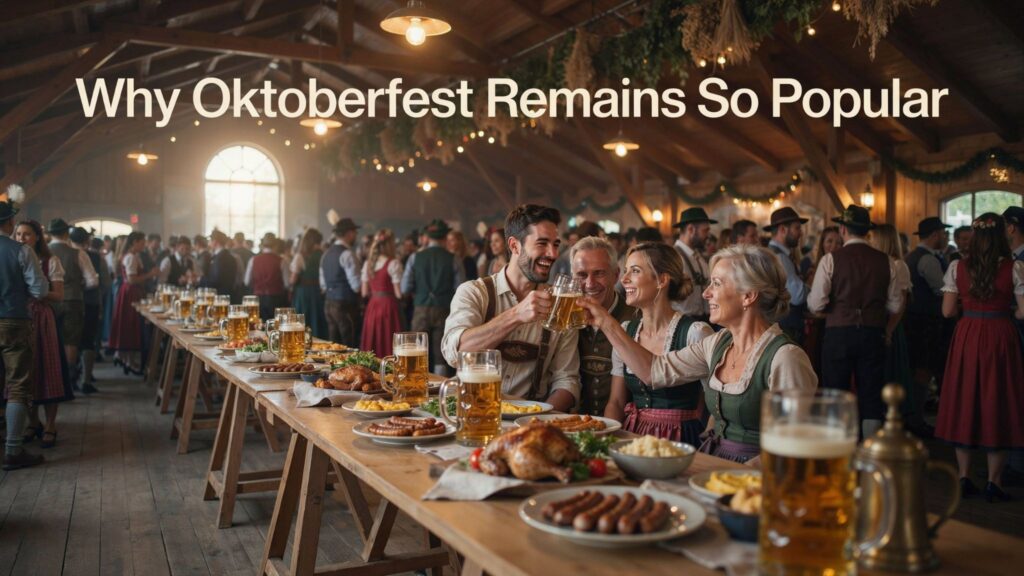
The festival continues to attract visitors because it offers a unique combination of:
- History
- Tradition
- Food
- Music
- Entertainment
- Social experiences
Few events in the world can match the scale and atmosphere of Oktoberfest.
FAQs
When does Oktoberfest take place each year?
Oktoberfest usually starts in mid-to-late September and ends on the first Sunday in October. The exact dates vary slightly each year.
Why does Oktoberfest take place in September instead of October?
The festival was moved into September because the weather is generally warmer and more pleasant, allowing visitors to enjoy outdoor activities comfortably.
When does Oktoberfest take place for the best experience?
Many travelers prefer weekdays for smaller crowds, while opening and closing weekends offer the most exciting atmosphere and special events.
Conclusion
So, when does Oktoberfest take place? Oktoberfest generally begins in mid-to-late September and continues until the first weekend of October in Munich, Germany. Although its name suggests an October event, the majority of the celebration occurs during September to take advantage of warmer weather and longer days.
From its royal origins in 1810 to its status as the world’s largest beer festival today, Oktoberfest remains one of the most exciting cultural celebrations on the planet. Whether you’re visiting for the beer, food, traditions, or festive atmosphere, knowing the timing of Oktoberfest helps you plan an unforgettable experience