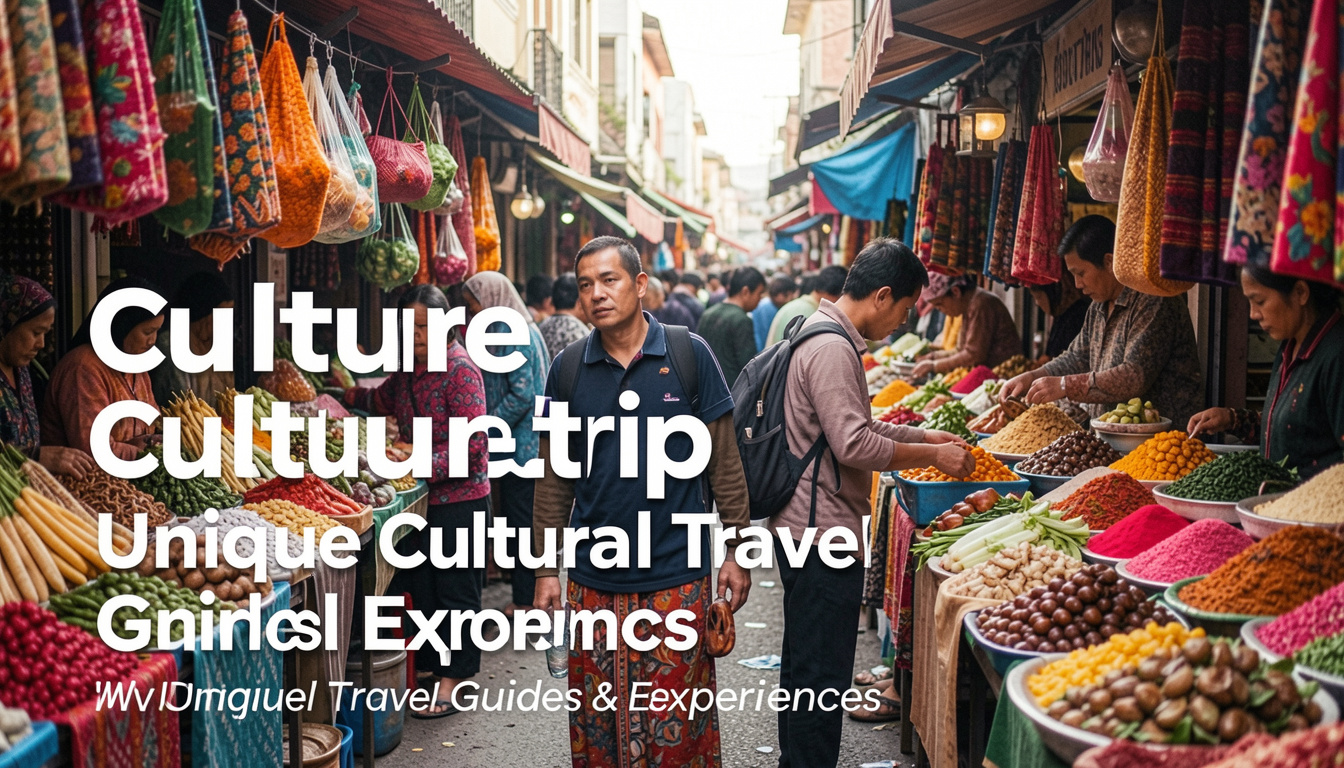
Modern travelers want more than beautiful photos. They want meaningful memories, real connections, and experiences that cannot be found in ordinary travel brochures. This is exactly why Culture Trip: Unique Cultural Travel Guides & Experiences has become one of the most popular resources for travelers looking beyond traditional sightseeing.
Whether you’re planning your first international vacation or searching for hidden gems within the United States, cultural travel allows you to experience destinations through the eyes of local people. Instead of rushing between famous landmarks, you’ll enjoy neighborhood cafés, traditional festivals, local cuisine, museums, street art, historic districts, and authentic customs that reveal the true personality of a place.
In this complete guide, you’ll learn how cultural travel works, why it has become one of the fastest-growing travel trends, how to plan unforgettable cultural adventures, and how to make every trip more rewarding while respecting local communities and traditions.
Quick Answer
Culture Trip: Unique Cultural Travel Guides & Experiences helps travelers discover authentic destinations, local traditions, hidden attractions, food, art, and history through carefully curated travel guides. Instead of visiting only famous tourist attractions, Culture Trip encourages meaningful travel by connecting visitors with local culture, communities, and unforgettable experiences.
What Is Culture Trip: Unique Cultural Travel Guides & Experiences?
Many travelers have heard the name Culture Trip: Unique Cultural Travel Guides & Experiences, but not everyone understands what makes it different from traditional travel websites.
Rather than focusing only on famous attractions, luxury hotels, or crowded tourist destinations, Culture Trip emphasizes discovering authentic local life. Its travel content highlights neighborhoods, local artists, independent restaurants, historic sites, cultural traditions, festivals, and unique experiences that often remain hidden from mainstream tourism.
The goal is simple: help travelers experience a destination rather than simply visit it.
Instead of spending an entire vacation waiting in long lines at popular attractions, travelers are encouraged to connect with local communities, learn regional customs, taste traditional foods, and understand the history that shapes each destination.
The Main Focus of Cultural Travel
Cultural travel combines education, adventure, and meaningful experiences.
It encourages visitors to:
- Learn local history
- Support small businesses
- Experience traditional food
- Attend cultural festivals
- Visit museums and heritage sites
- Explore local neighborhoods
- Appreciate regional art
- Respect local customs
- Create lasting memories
This approach transforms an ordinary vacation into a journey of learning and personal growth.
How Culture Trip Differs from Traditional Tourism
| Traditional Tourism | Cultural Travel |
| Famous attractions | Hidden local gems |
| Tourist restaurants | Family-owned restaurants |
| Chain hotels | Boutique stays |
| Guided bus tours | Walking neighborhoods |
| Shopping malls | Local artisan markets |
| Generic souvenirs | Handmade crafts |
| Crowded destinations | Authentic communities |
| Quick sightseeing | Meaningful experiences |
The difference isn’t about avoiding famous attractions completely. Instead, it’s about balancing iconic landmarks with authentic local experiences that create deeper memories.
Why Travelers Love Cultural Experiences
Millions of travelers are moving away from “checklist tourism.”
Instead of saying:
“I saw the Eiffel Tower.”
They prefer saying:
“I spent an afternoon with local artists in Paris, learned about French café culture, and visited hidden neighborhoods that most tourists never see.”
That personal connection creates stories worth remembering for years.
Examples of Cultural Experiences
Some of the most memorable cultural activities include:
- Taking a traditional cooking class
- Visiting local food markets
- Joining walking history tours
- Learning regional crafts
- Exploring old neighborhoods
- Watching cultural performances
- Visiting local museums
- Participating in seasonal festivals
- Meeting local artisans
- Discovering hidden cafés
These experiences often become the highlight of an entire vacation.
Who Should Use Cultural Travel Guides?
Cultural travel is ideal for almost every type of traveler.
Solo Travelers
Local experiences make it easier to meet people and understand a destination safely.
Couples
Authentic cultural moments often become unforgettable memories together.
Families
Children learn geography, history, food, and traditions through real-world experiences.
Students
Educational travel provides valuable learning beyond textbooks.
Retirees
Many retirees appreciate slower travel focused on history, museums, architecture, and local communities.
Digital Nomads
Long-term travelers benefit from exploring neighborhoods rather than tourist districts.
Key Features Travelers Appreciate
People searching for Culture Trip: Unique Cultural Travel Guides & Experiences often look for travel inspiration that includes:
- Authentic recommendations
- Local perspectives
- Hidden attractions
- Food discoveries
- Historical insights
- Art and architecture
- Neighborhood guides
- Sustainable travel ideas
- Small-business recommendations
- Practical travel tips
These elements help create trips that feel personal rather than predictable.
Why Cultural Travel Is Becoming More Popular Than Ever

Travel has changed dramatically over the past decade. Instead of simply collecting passport stamps or taking photos at famous landmarks, many people now want experiences that help them understand the places they visit. This growing interest has made Culture Trip: Unique Cultural Travel Guides & Experiences especially valuable for travelers seeking deeper and more meaningful adventures.
Today’s travelers are looking for authentic moments—sharing a meal with locals, exploring historic neighborhoods, learning traditional crafts, or attending community festivals. These experiences create stronger emotional connections and lasting memories that go beyond typical sightseeing.
Travelers Want Authentic Experiences
Modern tourists often prefer experiences that feel genuine rather than overly commercialized.
For example, instead of eating at an international fast-food chain, many travelers now choose family-owned restaurants where they can enjoy regional recipes and learn the stories behind local dishes.
Similarly, walking through a neighborhood market or joining a local guide can reveal traditions and customs that aren’t found in standard guidebooks.
Social Media Has Changed Travel
Platforms like Instagram, YouTube, and TikTok have inspired people to search for unique locations instead of only famous attractions.
Travelers increasingly want to discover:
- Secret viewpoints
- Hidden cafés
- Colorful streets
- Traditional festivals
- Local art districts
- Historic villages
- Scenic walking routes
These lesser-known places often provide richer experiences and fewer crowds.
Cultural Travel Supports Local Communities
One of the biggest advantages of cultural travel is its positive impact on local economies.
When travelers choose:
- Local restaurants
- Family-run hotels
- Artisan markets
- Independent tour guides
- Community experiences
they help support small businesses and preserve cultural traditions for future generations.
This approach makes travel more sustainable while benefiting both visitors and local residents.
Das sind die Getränkepreise auf dem Oktoberfest 2026 – Oktoberfest.de
Benefits of Choosing Culture Trip: Unique Cultural Travel Guides & Experiences
Choosing Culture Trip: Unique Cultural Travel Guides & Experiences isn’t just about finding new places to visit. It’s about creating richer memories, learning from different cultures, and making every journey more meaningful. Whether you’re exploring your own country or traveling abroad, cultural travel offers rewards that traditional sightseeing often cannot match.
Experience Destinations Beyond Tourist Attractions
Popular landmarks deserve a visit, but they only tell part of a destination’s story.
Cultural travel encourages you to discover:
- Historic neighborhoods
- Local coffee shops
- Community markets
- Family-owned restaurants
- Small museums
- Traditional workshops
- Scenic villages
These places reveal the everyday life and personality of a destination.
Learn About Local History
Every city, town, and village has a story.
Instead of simply taking photos, cultural travelers learn:
- How cities developed
- Important historical events
- Famous local figures
- Architectural styles
- Cultural traditions
- Indigenous heritage
Understanding history makes every landmark more interesting.
Taste Authentic Local Cuisine
Food is one of the easiest ways to understand a culture.
Rather than choosing familiar restaurant chains, travelers can enjoy:
- Traditional breakfasts
- Regional specialties
- Local desserts
- Fresh seafood
- Street food
- Homemade family recipes
- Seasonal dishes
Many destinations also offer cooking classes where visitors can prepare local meals themselves.
Meet Local People
Talking with local residents often becomes the most memorable part of a trip.
You might:
- Hear personal stories
- Learn local customs
- Receive hidden recommendations
- Practice another language
- Discover places not listed in guidebooks
Even a short conversation at a neighborhood café can make your trip feel more personal.
Support Sustainable Tourism
Responsible tourism benefits everyone.
When travelers spend money at:
- Local restaurants
- Boutique hotels
- Artisan shops
- Community tours
- Farmers’ markets
they help preserve traditions while supporting local families and businesses.
Comparison Table: Cultural Travel vs Traditional Vacation
| Feature | Cultural Travel | Traditional Vacation |
| Local interaction | High | Low |
| Learning opportunities | Excellent | Limited |
| Hidden attractions | Many | Few |
| Support for local economy | Strong | Moderate |
| Cultural understanding | Deep | Basic |
| Memorable experiences | High | Moderate |
| Sustainability | Better | Depends on travel style |
How to Plan the Perfect Cultural Trip
A successful cultural trip starts long before you pack your suitcase. Careful planning helps you experience local traditions while avoiding common travel mistakes.
Research Your Destination
Before traveling, spend time learning about:
- Local customs
- Cultural etiquette
- Traditional foods
- Public transportation
- Festivals
- National holidays
- Weather conditions
- Safety information
The more you know before arriving, the easier it will be to connect with the destination.
Learn a Few Local Phrases
You don’t need to become fluent.
Simple phrases like:
- Hello
- Thank you
- Please
- Excuse me
- Good morning
- How much?
- Goodbye
show respect and often make locals more welcoming.
Build a Flexible Itinerary
Avoid planning every minute of your vacation.
Instead, leave time for:
- Unexpected discoveries
- Local recommendations
- Street performances
- Community events
- Small museums
- Scenic walks
Some of the best travel memories happen without a strict schedule.
Stay in Local Neighborhoods
Instead of only booking hotels in tourist districts, consider staying in neighborhoods where local residents live.
Benefits include:
- Better restaurants
- Lower prices
- Less crowded streets
- Authentic atmosphere
- Easier cultural immersion
Always choose accommodations with good reviews and convenient access to public transportation.
Respect Local Customs
Every culture has different expectations.
Before visiting, research:
- Appropriate clothing
- Photography rules
- Religious customs
- Dining etiquette
- Tipping practices
- Greeting traditions
Being respectful creates positive interactions and shows appreciation for local culture.
Cultural Trip Planning Checklist
✔ Research destination history
✔ Learn basic local phrases
✔ Pack appropriate clothing
✔ Download offline maps
✔ Book popular attractions early
✔ Save emergency contacts
✔ Carry local currency
✔ Purchase travel insurance
✔ Check festival dates
✔ Read local transportation guides
✔ Respect cultural etiquette
✔ Leave room for spontaneous adventures
Best Types of Cultural Experiences to Try
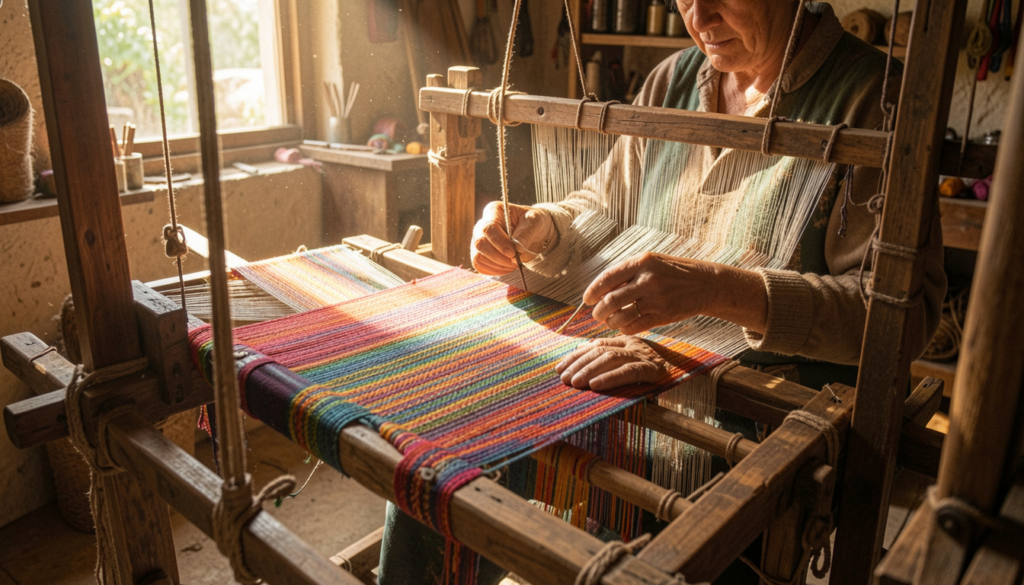
One of the biggest advantages of Culture Trip: Unique Cultural Travel Guides & Experiences is the wide variety of activities available. Every destination offers unique opportunities to connect with its people, traditions, and history.
Food Tours
Local cuisine tells the story of a region.
Food tours often include:
- Family-owned restaurants
- Traditional recipes
- Local markets
- Regional desserts
- Street food
- Cooking demonstrations
These tours are ideal for travelers who enjoy trying new flavors while learning about local culture.
Walking Tours
Walking is one of the best ways to discover hidden details that buses often miss.
A guided walking tour may include:
- Historic architecture
- Famous landmarks
- Hidden alleys
- Public art
- Local neighborhoods
- Historic churches
- Cultural monuments
Walking also allows you to interact naturally with the local environment.
Museum Visits
Museums help travelers understand a destination’s past and present.
Popular museum categories include:
- Art museums
- History museums
- Science museums
- Cultural heritage museums
- Indigenous museums
- Maritime museums
Many museums now offer interactive exhibits suitable for families.
Cultural Festivals
Festivals provide some of the most exciting travel experiences.
Visitors may enjoy:
- Traditional music
- Folk dances
- Local costumes
- Handmade crafts
- Seasonal foods
- Community celebrations
Attending a festival offers a firsthand look at local traditions and brings communities together in vibrant and memorable ways.
Artisan Workshops
Many destinations invite visitors to learn traditional crafts.
Examples include:
- Pottery making
- Wood carving
- Weaving
- Painting
- Jewelry making
- Glass blowing
These hands-on experiences allow travelers to create unique souvenirs while supporting skilled local artisans.
Nature and Culture Combined
Cultural travel isn’t limited to cities. Many rural areas blend natural beauty with rich traditions.
Popular experiences include:
- Visiting vineyards
- Exploring mountain villages
- Touring historic farms
- Discovering coastal fishing communities
- Hiking with local guides
These activities showcase how landscapes shape local lifestyles and customs.
Top Destinations for Culture Trip: Unique Cultural Travel Guides & Experiences
Every destination has its own story, traditions, and hidden treasures. While famous landmarks are worth seeing, cultural travelers often discover that the most memorable experiences happen in local neighborhoods, historic districts, and community events.
Below are some of the world’s best destinations for authentic cultural travel.
Kyoto, Japan
Kyoto is one of Japan’s most culturally rich cities. It offers centuries-old temples, peaceful gardens, traditional tea houses, and well-preserved historic neighborhoods.
Must-Experience Activities
- Join a traditional tea ceremony
- Visit ancient temples and shrines
- Explore Gion’s historic streets
- Watch traditional performances
- Taste authentic Japanese cuisine
- Visit bamboo forests
- Shop for handmade crafts
Best Time to Visit: March–May and October–November
New Orleans, Louisiana, USA
New Orleans is famous for its unique blend of French, Spanish, African, and American cultures.
Visitors can enjoy:
- Jazz music
- Historic French Quarter
- Creole cuisine
- Mardi Gras celebrations
- Riverfront walks
- Local art galleries
- Historic cemeteries
Its vibrant atmosphere makes it one of America’s top cultural destinations.
Mexico City, Mexico
Mexico City combines ancient history with modern creativity.
Highlights include:
- Historic plazas
- Aztec heritage
- Local food markets
- Street art
- Museums
- Colonial architecture
- Traditional festivals
Food lovers especially enjoy authentic tacos, tamales, and local desserts.
Florence, Italy
Florence is often called the birthplace of the Renaissance.
Travelers come to experience:
- World-famous museums
- Historic churches
- Italian cuisine
- Renaissance architecture
- Artisan workshops
- Local leather markets
Walking through Florence feels like stepping into a living museum.
Marrakech, Morocco
Marrakech offers colorful markets, beautiful palaces, and centuries of history.
Top experiences include:
- Traditional souks
- Local spice markets
- Moroccan cooking classes
- Historic gardens
- Handmade carpets
- Cultural performances
Every street offers something new to discover.
Charleston, South Carolina, USA
Charleston blends Southern hospitality with rich American history.
Visitors enjoy:
- Historic homes
- Cobblestone streets
- Waterfront parks
- Local seafood
- Historic churches
- Gullah cultural influences
It is one of the best cities in the United States for cultural exploration.
Comparison Table: Best Cultural Destinations
| Destination | Famous For | Best Experience | Ideal Trip Length |
| Kyoto | Temples & Tea Culture | Traditional tea ceremony | 4–5 days |
| New Orleans | Jazz & Creole Culture | Live music tours | 3–4 days |
| Mexico City | History & Food | Local food markets | 4–6 days |
| Florence | Renaissance Art | Walking historic center | 3–5 days |
| Marrakech | Markets & Traditions | Guided souk tour | 3–4 days |
| Charleston | Southern History | Historic district walk | 2–3 days |
Common Mistakes to Avoid During Cultural Travel
Even experienced travelers can make mistakes that reduce the quality of their trip. Being aware of these common issues helps you enjoy a smoother, more respectful, and memorable experience.
Only Visiting Tourist Attractions
Many visitors spend all their time at famous landmarks and miss the neighborhoods where local life happens.
Instead:
- Explore side streets
- Visit local parks
- Stop by neighborhood cafés
- Browse community markets
You’ll often discover hidden gems away from the crowds.
Ignoring Local Customs
Every destination has traditions and social expectations.
Common examples include:
- Dress codes at religious sites
- Removing shoes before entering homes
- Greeting customs
- Dining etiquette
- Photography restrictions
A little research before your trip goes a long way.
Planning Every Minute
Overloaded itineraries can leave you exhausted and unable to enjoy unexpected discoveries.
Leave time for:
- Local recommendations
- Scenic walks
- Street performances
- Small museums
- Relaxing in public squares
Some of the best travel memories are unplanned.
Eating Only at Tourist Restaurants
Restaurants near major attractions are often more expensive and less authentic.
Instead:
- Ask locals for recommendations
- Visit neighborhood eateries
- Try regional specialties
- Explore food markets
Authentic meals often become the highlight of a cultural trip.
Forgetting Responsible Tourism
Respecting the places you visit helps preserve them for future travelers.
Remember to:
- Avoid littering
- Respect wildlife
- Support local businesses
- Follow local rules
- Protect historical sites
Responsible travel benefits everyone.
Expert Tips for Authentic Cultural Experiences
Making the most of Culture Trip: Unique Cultural Travel Guides & Experiences requires curiosity, flexibility, and respect. These expert tips can help you create unforgettable journeys.
Slow Down Your Travel
Rather than trying to visit multiple cities in a short time, spend several days in one destination.
Benefits include:
- Better local understanding
- Less stress
- More meaningful interactions
- Deeper cultural appreciation
Quality experiences are often more rewarding than checking off a long list of places.
Wake Up Early
Many destinations are at their best in the morning.
Early hours offer:
- Smaller crowds
- Better photos
- Fresh local markets
- Cooler temperatures
- Peaceful streets
It’s also a great time to see daily life begin.
Use Public Transportation
Buses, trains, ferries, and subways provide a more authentic view of local life than taxis or private tours.
They also:
- Save money
- Reduce environmental impact
- Offer opportunities to observe everyday routines
Ask Questions
Locals are often happy to share recommendations.
Ask about:
- Favorite restaurants
- Hidden attractions
- Upcoming festivals
- Scenic viewpoints
- Local traditions
Personal recommendations frequently lead to unforgettable experiences.
Buy Local Products
Instead of mass-produced souvenirs, look for handmade items created by local artisans.
Popular choices include:
- Pottery
- Textiles
- Handmade jewelry
- Local artwork
- Regional foods
- Traditional crafts
These purchases support local communities and provide meaningful keepsakes.
Cultural Travel Checklist
Use this checklist before every trip.
Before You Leave
- ✔ Research local customs
- ✔ Learn basic greetings
- ✔ Check passport validity
- ✔ Buy travel insurance
- ✔ Download offline maps
- ✔ Exchange some local currency
- ✔ Reserve popular attractions
- ✔ Check local weather
- ✔ Pack comfortable walking shoes
- ✔ Save emergency contacts
During Your Trip
- ✔ Try local food
- ✔ Visit neighborhood markets
- ✔ Respect cultural traditions
- ✔ Support local businesses
- ✔ Explore beyond tourist areas
- ✔ Take time to talk with locals
- ✔ Carry a reusable water bottle
- ✔ Keep important documents secure
- ✔ Leave places cleaner than you found them
Pros and Cons of Cultural Travel
| Pros | Cons |
| Authentic experiences | May require more planning |
| Learn about local traditions | Language barriers in some places |
| Support local businesses | Popular cultural sites can be crowded |
| Memorable interactions with locals | Some activities may cost extra |
| Better understanding of history | Cultural etiquette requires research |
| Discover hidden gems | Less predictable than package tours |
| Encourages responsible tourism | Flexible schedules are often needed |
| Creates meaningful memories | Weather or local events may affect plans |
Internal Linking Opportunities
To strengthen your travel website’s SEO, link this article to related guides that provide additional value for readers.
Recommended External Authority Sources (Do Not Insert Links in the Article)
For research, fact-checking, and additional reading, consider these trusted organizations and resources:
Conclusion
Choosing Culture Trip: Unique Cultural Travel Guides & Experiences is about more than planning a vacation—it’s about discovering the heart and soul of every destination. By exploring local neighborhoods, trying authentic cuisine, learning about history, and connecting with local communities, you can turn an ordinary trip into a truly unforgettable adventure.
Whether you’re exploring a vibrant U.S. city, wandering through a historic European town, or discovering hidden gems in Asia, cultural travel helps you experience places in a deeper and more meaningful way. It also supports local businesses, preserves cultural traditions, and encourages responsible tourism that benefits both travelers and the communities they visit.
As you plan your next journey, go beyond the famous landmarks. Leave room for unexpected discoveries, meaningful conversations, and authentic experiences that create lifelong memories. With Culture Trip: Unique Cultural Travel Guides & Experiences as your inspiration, every destination becomes an opportunity to learn, connect, and grow.
Ready to travel differently? Start planning your next cultural adventure today, embrace local traditions, and experience the world through the eyes of the people who call it home. Your most memorable journey may be just one authentic experience away.
FAQs
What is Culture Trip: Unique Cultural Travel Guides & Experiences?
Culture Trip: Unique Cultural Travel Guides & Experiences is a travel resource that helps people discover authentic destinations, local traditions, cultural attractions, neighborhood guides, and unique experiences. It focuses on meaningful travel rather than only visiting popular tourist landmarks.
Why is cultural travel becoming so popular?
Many travelers now prefer immersive experiences over traditional sightseeing. Cultural travel allows visitors to connect with local communities, enjoy authentic cuisine, learn about history, and experience traditions that create lasting memories.
Is cultural travel suitable for families?
Yes. Cultural travel is an excellent choice for families because it combines education with fun. Visiting museums, historical sites, local markets, festivals, and cultural attractions helps children and adults learn together while enjoying memorable experiences.
How can I travel like a local?
To travel like a local:
- Stay in locally owned accommodations.
- Eat at neighborhood restaurants.
- Use public transportation.
- Visit local markets.
- Learn basic local phrases.
- Attend community events.
- Respect local customs and traditions.
These small steps make your journey more authentic and rewarding.
What are the benefits of cultural tourism?
Some of the biggest benefits include:
- Better understanding of local cultures
- More meaningful travel experiences
- Support for small businesses
- Unique food and art discoveries
- Personal growth through learning
- Responsible and sustainable tourism
How do I plan a successful cultural trip?
Start by researching your destination’s history, customs, festivals, and transportation. Build a flexible itinerary, leave time for spontaneous discoveries, and include local attractions alongside famous landmarks for a balanced experience.
What should I avoid during cultural travel?
Avoid these common mistakes:
- Only visiting famous tourist attractions
- Ignoring local customs
- Overplanning every hour
- Eating only at tourist restaurants
- Disrespecting historical or religious sites
- Purchasing mass-produced souvenirs instead of supporting local artisans
Is cultural travel expensive?
Not necessarily. Many cultural experiences, such as walking through historic neighborhoods, visiting local markets, exploring museums on free admission days, or attending community festivals, are affordable or even free.
Which destinations are best for cultural travel?
Popular cultural destinations include:
- Kyoto, Japan
- New Orleans, USA
- Florence, Italy
- Mexico City, Mexico
- Marrakech, Morocco
- Charleston, South Carolina
- Istanbul, Türkiye
- Cusco, Peru
Each destination offers a unique mix of history, traditions, architecture, and local experiences.
How does cultural travel support local communities?
Choosing local guides, family-owned restaurants, artisan shops, boutique hotels, and community-based tours helps keep tourism revenue within the local economy. It also encourages the preservation of cultural traditions, historic sites, and local craftsmanship
Read More: Curious and Wondrous Travel Destinations – Atlas Obscura