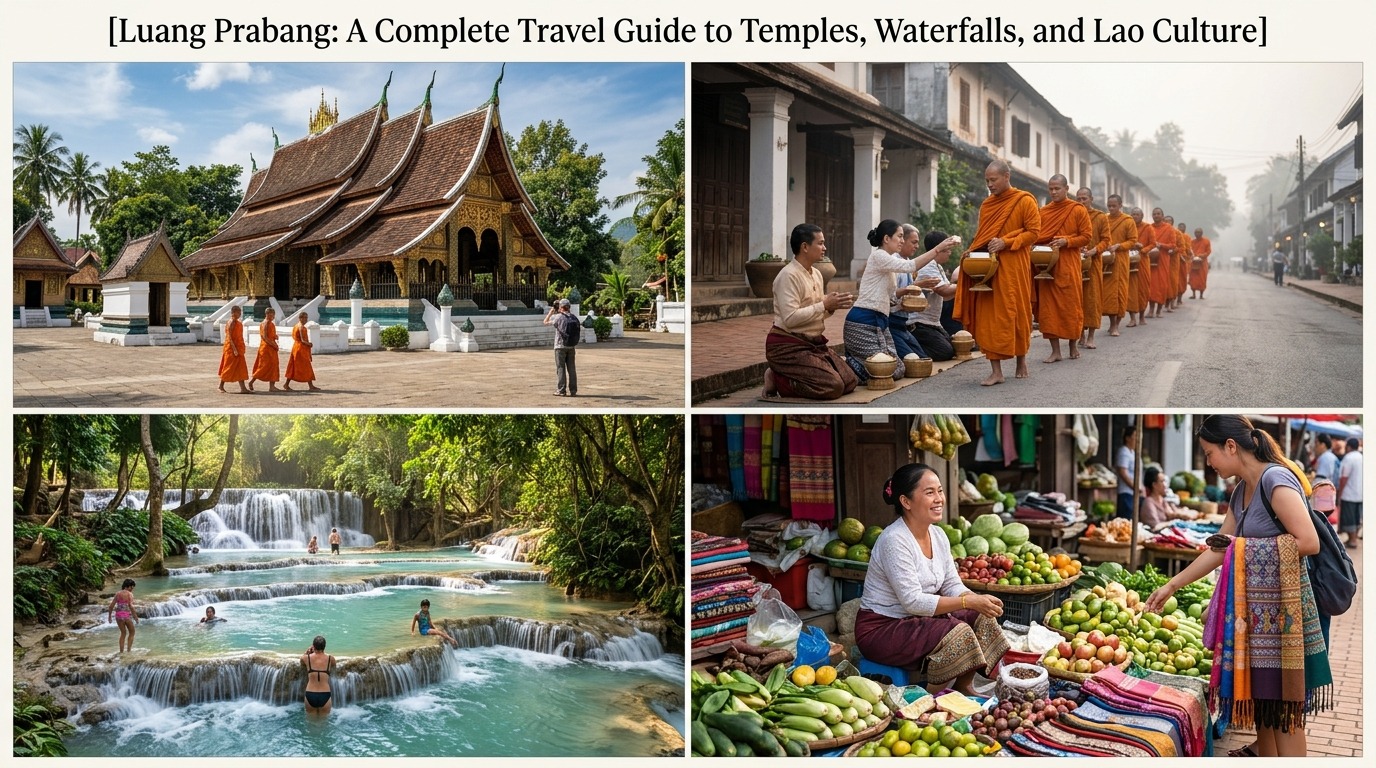
Luang Prabang is one of Southeast Asia’s most atmospheric destinations, where golden temples, quiet lanes, French-influenced architecture, and the green mountains of northern Laos come together. Set beside the Mekong and Nam Khan rivers, this UNESCO World Heritage town has a slower rhythm that encourages travelers to explore on foot, stop for local food, and enjoy the scenery without rushing from one attraction to another.
There is plenty to see beyond the historic center. Visitors can climb Mount Phousi for wide views, explore centuries-old temples, swim beneath the turquoise pools of Kuang Si Falls, visit traditional craft villages, and take a boat along the Mekong. Luang Prabang works equally well for a short cultural break and a longer northern Laos itinerary, especially for travelers who appreciate history, nature, food, and peaceful surroundings.
Where Is Luang Prabang and How Do You Get There?
Luang Prabang is in northern Laos, surrounded by mountains and located at the meeting point of the Mekong and Nam Khan rivers. Its compact historic center makes it easy to explore many attractions on foot, while the surrounding countryside offers waterfalls, caves, villages, and viewpoints.
Luang Prabang International Airport is the main air gateway for travelers arriving from other parts of Laos and selected international destinations. The airport is close to the town center, so reaching your accommodation is usually straightforward.
The town is also connected by Laos’s railway network. The Laos-China Railway has made travel between Luang Prabang and other major destinations much faster than traditional overland journeys. Travelers can use the railway for routes such as Vientiane and destinations farther north, depending on the current timetable.
Buses and private transfers remain useful for travelers coming from nearby towns or places not directly served by rail.
Once you arrive, tuk-tuks, taxis, bicycles, motorcycles, and walking are the main ways to get around. For the historic center, walking is often the most enjoyable option because many streets are relatively quiet and several important sights are close together.
Best Time to Visit Luang Prabang
Luang Prabang has a tropical monsoon climate, with a cooler and drier period followed by hotter weather and a wetter season. Your preferred travel experience can help determine when to visit.
The cooler dry months are generally comfortable for walking around temples and exploring outdoor attractions. This is also a popular travel period, so accommodation and tours can experience greater demand.
The hotter months can make midday sightseeing more tiring, but mornings and evenings can still be pleasant. During the rainy season, the surrounding landscape becomes especially green, while waterfalls can become more powerful. Heavy rain, however, can affect road conditions and outdoor activities.
| Travel period | General conditions | Good for |
| Cool, dry season | More comfortable temperatures and generally drier weather | Temple visits, walking, sightseeing |
| Hot season | Warmer days with strong afternoon heat | Early sightseeing, relaxed travel |
| Wet season | More rainfall and lush green landscapes | Waterfalls, quieter trips, nature |
| Holiday periods | Higher visitor demand | Travelers who plan accommodation ahead |
There is no single perfect month for every traveler. If you want comfortable walking weather, the cooler months can be appealing. If waterfalls and lush scenery are a priority, visiting during or after periods of rainfall can create a very different landscape.
Best Things to Do in Luang Prabang
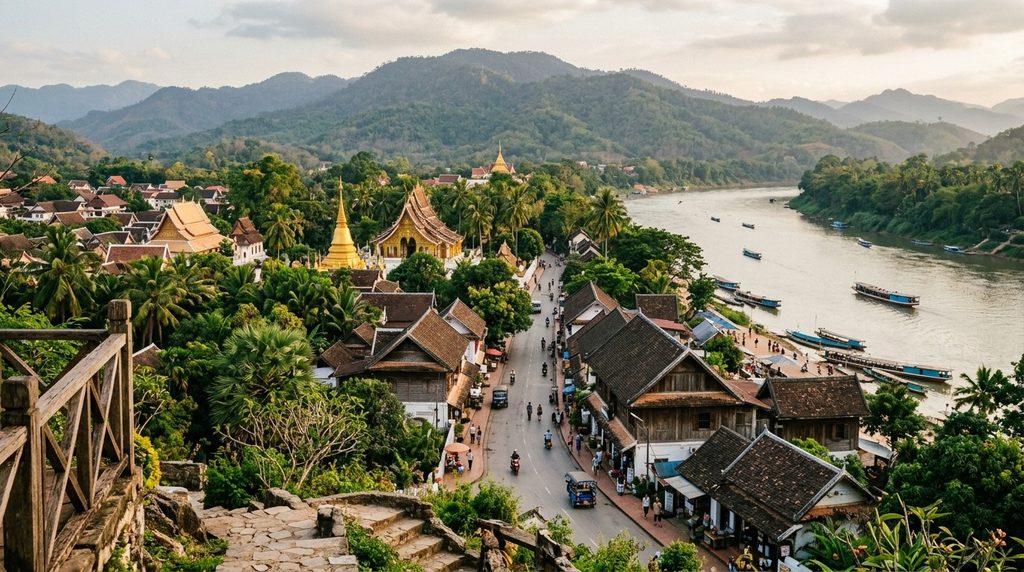
The historic center is the natural starting point for exploring Luang Prabang. Its temples, old houses, cafés, markets, and riverside streets can easily fill several relaxed days.
Wat Xieng Thong is one of the town’s most important temples and a notable example of traditional Lao religious architecture. Its detailed decoration and peaceful setting make it a worthwhile stop for visitors interested in the cultural history of the city.
The former Royal Palace complex, now the National Museum, provides another perspective on Laos’s royal history. Visitors can learn more about the country and the former royal household while exploring the historic buildings and grounds.
Mount Phousi is another popular attraction. The climb involves a substantial number of steps, but the elevated position provides views over Luang Prabang and the surrounding mountains. Sunrise and sunset are particularly popular times, so expect more visitors during those periods.
Explore the Historic Streets
Some of the best experiences require no entrance ticket at all. Walk along the Mekong, explore the smaller lanes, admire traditional houses, and stop at a café when the heat becomes too much.
The town is compact enough that you can combine several attractions without spending the entire day in transportation.
Temples, Buddhist Culture, and Local Traditions
Temples are central to the character of Luang Prabang. The town has numerous Buddhist monasteries, many of which remain active religious spaces rather than simply tourist attractions.
Visitors should dress respectfully when entering temples. Clothing that covers shoulders and knees is appropriate, and shoes are normally removed before entering certain sacred areas.
One of Luang Prabang’s most recognizable cultural traditions is the daily alms-giving ceremony, when monks receive offerings from local residents. Travelers can observe the tradition respectfully, but it is important not to treat it as a staged photo opportunity.
If you want to watch the ceremony, maintain a respectful distance, keep your voice low, and follow local guidance. Avoid using flash photography or getting physically close to monks simply to take photographs.
Visit Temples Slowly
Instead of trying to visit every temple in one morning, choose a few and take time to appreciate their architecture and surroundings. This approach also gives you space to notice smaller details that can easily be missed during a rushed sightseeing tour.
Luang Prabang’s religious heritage is part of everyday community life, so respectful behavior matters throughout your visit.
Kuang Si Falls and Luang Prabang’s Natural Attractions
Kuang Si Falls is one of the most popular day trips from Luang Prabang. The waterfall system is surrounded by forest and is known for a series of striking turquoise pools.
Depending on current conditions, visitors can walk along trails, view different sections of the falls, and swim in permitted areas. Water levels and swimming conditions can change, particularly after heavy rainfall.
The journey from town takes time, so it is sensible to plan several hours rather than trying to squeeze the waterfall into a short gap between other activities.
| Natural attraction | What makes it interesting | Travel style |
| Kuang Si Falls | Turquoise pools and forest scenery | Half-day nature trip |
| Mekong River | Riverside views and boat journeys | Relaxed sightseeing |
| Nam Khan River | Quiet riverside atmosphere | Walking and photography |
| Surrounding countryside | Mountains, villages, and farmland | Day trips and cycling |
| Pak Ou Caves | Buddhist cave shrines beside the Mekong | Boat and cultural excursion |
Another popular excursion is the Pak Ou Caves, located along the Mekong. The caves contain numerous Buddha images and can be visited as part of a river journey from Luang Prabang.
For travelers who enjoy nature, combining a waterfall visit with a slower countryside excursion can provide a good balance to temple-focused sightseeing.
Mekong River Cruises and Outdoor Adventures
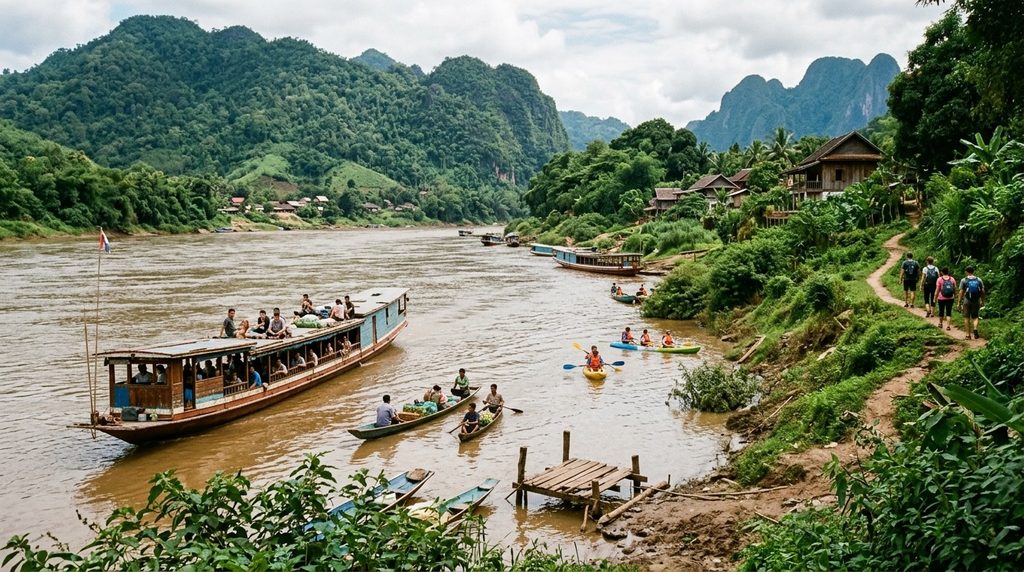
The Mekong is an important part of Luang Prabang’s landscape and local life. Spending time beside the river is relaxing, but taking a boat provides a different view of the surrounding mountains and communities.
Short river cruises can be arranged around the town, while longer journeys may connect Luang Prabang with destinations farther along the Mekong. Boat schedules and conditions vary, so travelers should check current arrangements before planning a trip around a specific departure.
Kayaking, cycling, and hiking are also possible in the wider area. Organized outdoor trips can be useful if you want to explore rural landscapes without arranging every detail yourself.
Take a Slow Boat Ride
A Mekong boat trip is less about ticking off attractions and more about enjoying the scenery. The river, forested hills, riverside settlements, and changing light create a peaceful experience.
Bring sun protection and water, and remember that boat conditions can be basic depending on the service you choose.
Food, Night Markets, and Luang Prabang Cuisine
Food is an important part of experiencing Luang Prabang. Local cuisine includes sticky rice, grilled meats, fresh herbs, vegetables, spicy dips, noodle dishes, and soups, often served in simple restaurants or market stalls.
Luang Prabang is also known for local specialties such as or lam, a traditional Lao stew, and dishes featuring river fish and fresh herbs. Menus vary from restaurant to restaurant, so trying several small meals can be more interesting than relying on one familiar dish.
The evening market is one of the easiest places to explore local food and handicrafts. Stalls often sell snacks, drinks, textiles, handmade goods, souvenirs, and prepared meals.
Cafés and bakeries also reflect the town’s historical French influence. This gives Luang Prabang a food scene that feels different from many other destinations in Laos.
Where to Stay in Luang Prabang
Luang Prabang has accommodation ranging from inexpensive guesthouses to boutique hotels and riverside resorts. Because the historic center is compact, location can make a noticeable difference to your experience.
Staying near the old town is convenient for travelers who want to walk to temples, markets, restaurants, cafés, and the Mekong. It is especially useful if you prefer not to depend on transportation for every activity.
Properties farther from the center can provide a quieter atmosphere and more space. Riverside accommodation may offer attractive views, although prices can vary significantly depending on location and property type.
When booking, consider whether breakfast, airport transfers, air conditioning, Wi-Fi, and other services are included. It is also worth checking how far the property is from the main historic area rather than relying only on the accommodation’s description.
Choosing the Right Area
For a first visit, staying within or close to the historic center is practical. If relaxation is your main priority, a quieter riverside property outside the busiest streets may be a better fit.
The best choice depends on whether you value walkability, tranquility, facilities, or access to restaurants and markets.
Getting Around and Planning a Luang Prabang Itinerary
Luang Prabang is one of those destinations where walking can be part of the experience. Many attractions in the historic center are close enough to reach on foot, and wandering between them lets you discover small cafés, shops, temples, and riverside viewpoints.
Tuk-tuks are useful for longer journeys, especially when traveling to waterfalls or attractions outside town. Bicycle rentals are another option for travelers who are comfortable cycling in warm weather.
A flexible itinerary works particularly well.
A Simple Four-Day Plan
Day 1: Arrive, explore the historic center, visit a few temples, walk beside the Mekong, and browse the evening market.
Day 2: Visit Kuang Si Falls and return to town for a relaxed dinner.
Day 3: Explore more temples and the National Museum, then climb Mount Phousi around a suitable time of day.
Day 4: Take a Mekong boat trip or visit the Pak Ou Caves before enjoying a final evening in town.
If you have additional time, slow the itinerary down rather than adding attractions simply to stay busy. Luang Prabang is particularly enjoyable when you leave room for unplanned walks and quiet meals.
Practical Tips for a Comfortable Trip
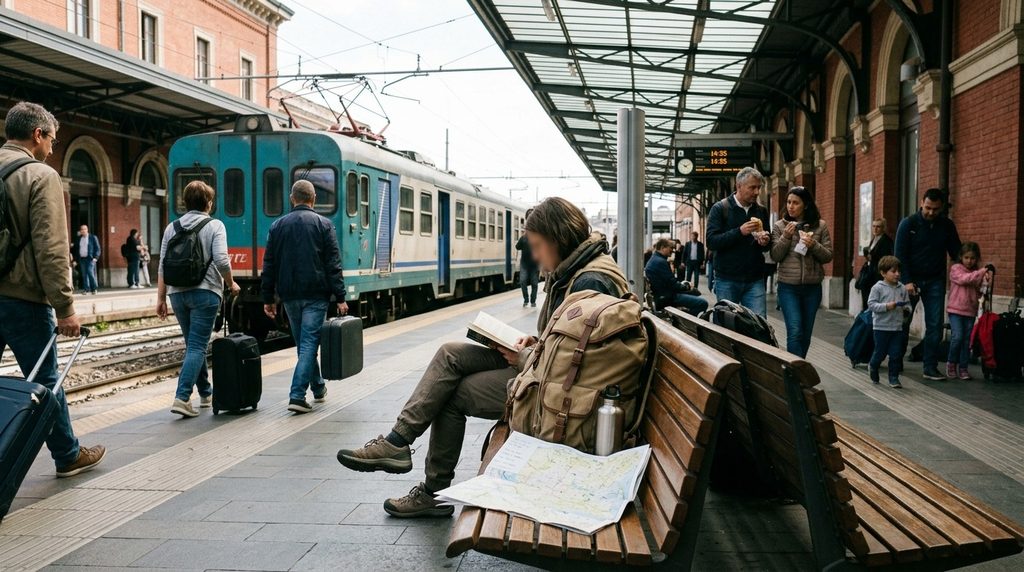
Luang Prabang is generally easy to explore, but the tropical climate and outdoor excursions call for some preparation.
Bring lightweight clothing, comfortable walking shoes, sunscreen, insect repellent, and a reusable water bottle. A light rain jacket or compact umbrella can be useful during wetter periods.
Respect local religious customs whenever you visit temples or observe ceremonies. Dress modestly, speak quietly in sacred spaces, and ask before photographing people, especially monks and local residents.
Keep some cash available for markets, tuk-tuks, small restaurants, and local businesses. Payment options vary, so having a backup is useful.
If you plan to visit Kuang Si Falls, Pak Ou Caves, or other attractions outside town, check current opening arrangements and transportation options before setting out.
Avoid packing every day with long excursions. Weather can change, and some of the most enjoyable moments in Luang Prabang come from simply sitting beside the river, drinking coffee, or watching everyday life unfold.
Finally, travel responsibly. Avoid littering, use refillable water where practical, support local businesses, and treat cultural and natural attractions with care.
FAQs
Is Luang Prabang worth visiting?
Luang Prabang is a strong choice for travelers interested in Buddhist temples, Lao culture, historic architecture, nature, food, and a slower travel experience.
How many days are enough for Luang Prabang?
Three to four days can cover the main temples, historic center, Kuang Si Falls, markets, and a river excursion. Longer stays allow more time for nearby villages and outdoor activities.
What is Luang Prabang famous for?
Luang Prabang is known for its Buddhist temples, UNESCO-listed historic town, Mekong and Nam Khan rivers, Kuang Si Falls, traditional Lao culture, and surrounding mountain scenery.
Is Luang Prabang expensive to visit?
Luang Prabang offers options for different budgets. Travelers can choose affordable guesthouses and local eateries or spend more on boutique hotels, private tours, and riverside dining.
Can you visit Luang Prabang without a tour?
Yes. The historic center is easy to explore independently, and many local attractions can be reached by walking, bicycle, tuk-tuk, or independently arranged transport. Tours can be useful for longer day trips.
Conclusion:
Luang Prabang offers a distinctive combination of culture, nature, history, and everyday Lao life. Its golden temples and historic streets are memorable, but the destination becomes even more rewarding when you make time for the Mekong, local food, surrounding forests, and quieter corners of town.
Whether you are planning a short cultural escape or adding northern Laos to a longer journey, Luang Prabang gives you plenty to explore without demanding a rushed itinerary. Take time to walk, eat locally, respect the town’s traditions, and enjoy the slower rhythm that makes Luang Prabang such a special destination.
Read more:Khao Lak: A Complete Travel Guide to Beaches, Nature, and Andaman Adventures