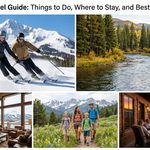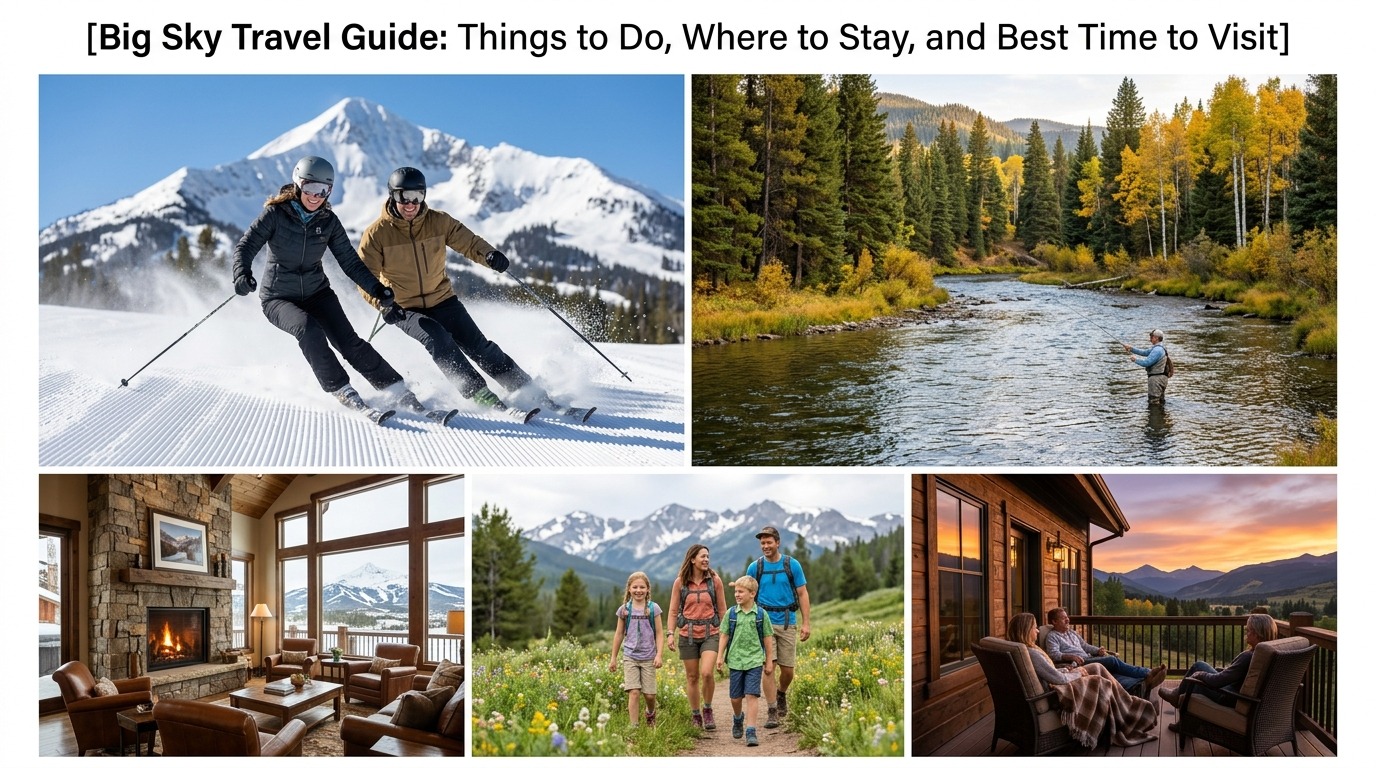
Big Sky is a mountain destination in Montana where wide-open landscapes, forested slopes, and dramatic views create a very different experience from a typical city getaway. Located between Bozeman and Yellowstone National Park, the community is best known for skiing and snowboarding, but its appeal extends well beyond winter. Summer brings hiking, mountain biking, fishing, wildlife watching, and long days outdoors, while the quieter shoulder seasons can be ideal for travelers who prefer fewer crowds.
Planning a trip to Big Sky is largely about choosing the right season and deciding how active you want your vacation to be. You can spend several days on the slopes, explore trails and scenic roads, visit Yellowstone, or simply enjoy the mountain scenery from a comfortable lodge. With the right itinerary, Big Sky works equally well for adventure-focused travelers, families, couples, and anyone looking for a peaceful escape surrounded by nature.
Why Visit Big Sky?
Big Sky has a rare combination of accessibility and wilderness. It feels remote enough to offer a genuine mountain getaway, yet it is within driving distance of Bozeman Yellowstone International Airport and Yellowstone National Park. That makes it particularly convenient for travelers who want to combine resort activities with a wider Montana road trip.
The scenery is one of the destination’s biggest attractions. Mountains dominate the horizon, and the surrounding landscape changes dramatically with the seasons. Snow covers the slopes during winter, wildflowers and green forests appear during warmer months, and autumn can bring crisp air and changing foliage.
The area is also known for its outdoor lifestyle. Instead of spending most of your trip indoors, you can build your days around hiking, skiing, biking, fishing, sightseeing, or simply being outside.
Big Sky and Yellowstone
One of the main reasons travelers add Big Sky to a Montana itinerary is its proximity to Yellowstone. The destination can work as a base before or after a Yellowstone visit, although travelers should plan carefully around seasonal road closures and driving conditions.
Yellowstone is large, so it is important not to underestimate travel times. A map may make nearby locations look close, but mountain roads and park routes can take longer than expected.
Best Things to Do in Big Sky
Big Sky offers activities in every season, although winter and summer have the widest selection of outdoor experiences.
During winter, skiing and snowboarding are the main attractions. Big Sky Resort is the centerpiece of the destination’s winter tourism, with extensive terrain and a setting that appeals to both experienced skiers and visitors who are new to mountain sports.
When snow is gone, hiking and mountain biking become major reasons to visit. Trails range from relatively easy walks to challenging mountain routes. Scenic chairlift rides can also provide a way to enjoy the landscape without committing to a long hike.
Wildlife viewing is another possibility. The surrounding Montana landscape supports a wide range of wildlife, although sightings are never guaranteed. Visitors should maintain appropriate distances from wild animals and follow local guidance.
Other Outdoor Experiences
Fishing, horseback riding, rafting, ziplining, and guided nature activities may also be available depending on the season and current local operations. Because availability can change, it is sensible to check schedules before building your itinerary around a particular activity.
| Activity | Best season | Ideal for |
| Skiing and snowboarding | Winter | Snow sports and mountain scenery |
| Hiking | Late spring through fall | Nature and active travelers |
| Mountain biking | Summer and early fall | Adventure seekers |
| Wildlife watching | Spring through fall | Nature lovers |
| Fishing | Warmer months | Relaxed outdoor trips |
| Scenic mountain rides | Summer and fall | Families and sightseeing |
| Yellowstone excursions | Generally warmer months | First-time Montana visitors |
Best Time to Visit Big Sky
There is no single best time to visit Big Sky because the ideal season depends on what you want to do.
Winter is the obvious choice for skiing and snowboarding. Snow-covered mountains, winter recreation, and the atmosphere of a ski community make this the busiest period for many visitors. If you are planning a ski trip, booking accommodation and activities early can be helpful.
Summer offers a completely different Big Sky. Trails open up, mountain biking becomes popular, and travelers can spend long days exploring the surrounding landscape. It is also a convenient season for combining Big Sky with Yellowstone and other Montana destinations.
Fall can be especially appealing to travelers who enjoy cooler weather and quieter surroundings. The mountain environment takes on a different character, although some seasonal businesses and activities may have reduced schedules.
What About Spring?
Spring can be a transitional period. Snow conditions may still support some winter activities at higher elevations, while lower areas begin changing toward summer. Some businesses and attractions may operate on limited schedules during this period.
For travelers who want a specific activity, checking current operating dates is more important than choosing a season based only on general climate patterns.
Skiing and Winter Activities in Big Sky
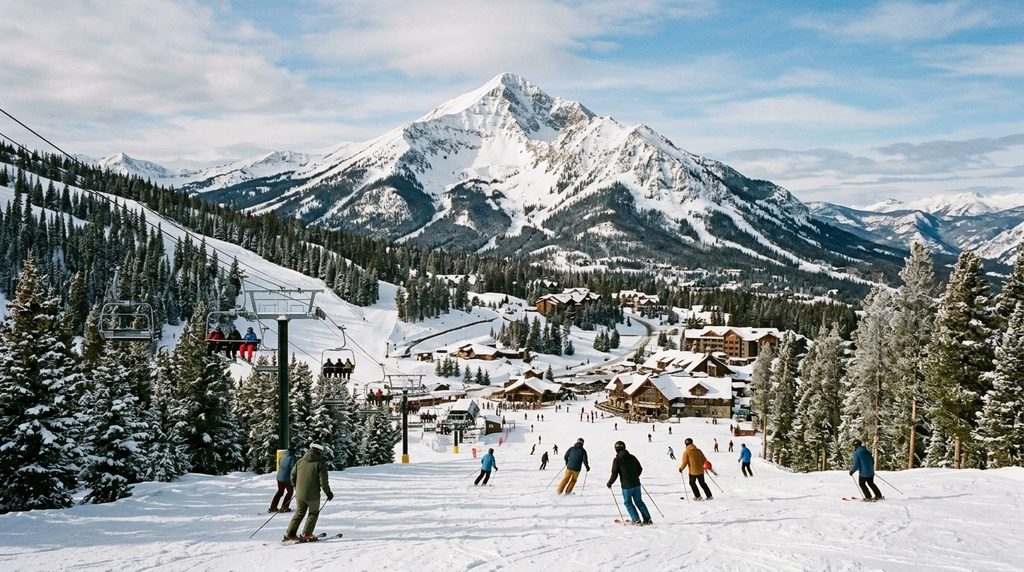
Winter is when Big Sky becomes one of Montana’s most recognized mountain destinations. The ski area is centered around Big Sky Resort, and the scale of the terrain makes it attractive to skiers and snowboarders who want a substantial mountain experience.
Beginners can take lessons and use designated easier terrain, while more experienced visitors can seek out more challenging runs. Conditions can change quickly in the mountains, so checking weather, snow conditions, lift operations, and safety information each day is important.
Skiing is not the only winter activity. Depending on current conditions and local availability, visitors may also find snowshoeing, cross-country skiing, winter sightseeing, and other snow-based experiences.
Planning a Ski Trip
If skiing is the main purpose of your visit, think about accommodation location before booking. Staying closer to the resort can reduce transportation time, while properties farther away may provide different prices or a quieter setting.
You should also account for equipment rental, lessons if needed, lift access, transportation, meals, and appropriate winter clothing when estimating your total trip budget.
What Beginners Should Know
First-time skiers should not feel pressured to start with difficult terrain. Professional instruction can help beginners understand basic technique, mountain etiquette, and safety.
Mountain weather can also be very different from conditions in town. Dress in layers, protect exposed skin, and check the forecast before heading out.
Summer Adventures and Hiking in Big Sky
Summer transforms Big Sky into a destination for hiking, mountain biking, fishing, and scenic exploration. The warmer months provide more opportunities to explore the landscape on foot, and many travelers use the season to experience the mountains at a slower pace.
Hiking options vary from shorter trails to demanding routes involving elevation gain. Choose trails according to your fitness, experience, weather conditions, and available daylight rather than simply selecting the most famous route.
Bring sufficient water, wear suitable footwear, and remember that mountain weather can change quickly. Even a pleasant morning can turn cooler or wetter later in the day.
Mountain Biking
Mountain biking is another major summer activity. Riders can find routes suited to different experience levels, but visitors should understand trail conditions and local rules before setting out.
Bike rentals and guided experiences can be useful for travelers who do not bring their own equipment.
Enjoying the Mountains Without a Difficult Hike
You do not have to complete a challenging trail to enjoy Big Sky. Scenic drives, viewpoints, gentle walks, and mountain rides can provide impressive views without requiring a full-day physical effort.
This is particularly useful for families traveling with children or visitors who want to balance active days with relaxation.
Exploring Yellowstone from Big Sky
The opportunity to combine Big Sky with Yellowstone is one of the destination’s strongest advantages. Yellowstone National Park is famous for geothermal features, wildlife, lakes, forests, and dramatic landscapes, making it a natural addition to a Montana trip.
However, Yellowstone should not be treated as a quick side trip where you can see everything in a few hours. The park is enormous, and travel times can be substantial. A carefully chosen route is much more enjoyable than trying to cover too many distant attractions in one day.
Weather and road conditions also matter. Some roads inside Yellowstone operate seasonally, so your route may depend on the time of year.
Planning a Yellowstone Day Trip
Start by deciding what you most want to see. Wildlife, geothermal areas, waterfalls, and scenic drives require different routes.
Leave early when possible, especially during busy periods. Bring food and water, allow extra time for traffic and wildlife-related delays, and follow all park safety rules.
| Big Sky Trip Style | Suggested focus | Good approach |
| Short mountain escape | Resort and local activities | Stay close to the main village/resort area |
| Ski vacation | Slopes and winter recreation | Plan around mountain operating schedules |
| Summer adventure | Hiking and biking | Allow several flexible outdoor days |
| Yellowstone combination | Big Sky + national park | Reserve enough time for both |
| Relaxed getaway | Scenic drives and dining | Choose comfortable accommodation and avoid overplanning |
Where to Stay in Big Sky
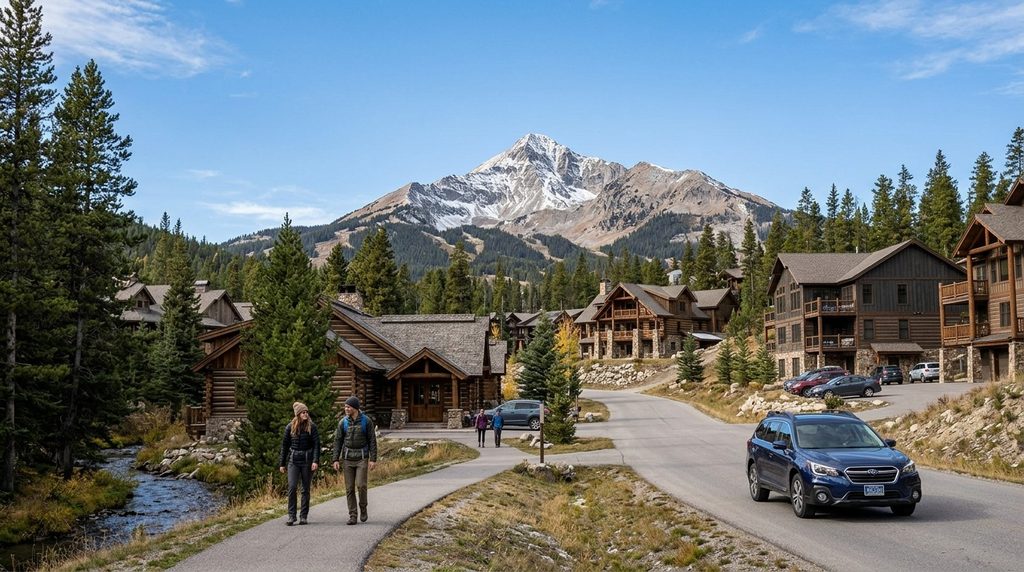
Accommodation in Big Sky ranges from hotels and resort properties to condominiums, vacation rentals, cabins, and larger homes. The best option depends on your budget, group size, and plans.
Staying near the resort is convenient for ski trips because you can reduce the amount of daily transportation. It can also make access to restaurants and resort facilities easier.
Other areas provide a more residential or secluded mountain atmosphere. These can be attractive for families and groups who want more space, a kitchen, or a quieter place to return to after a day outside.
Resort or Vacation Rental?
A resort can be convenient when you want services, dining, recreation, and activities close at hand. A vacation rental may work better for longer stays or larger groups who value additional living space.
Before booking, check what is actually included. Parking, cleaning fees, resort fees, transportation, kitchen equipment, and cancellation policies can affect the overall cost.
Staying for Yellowstone
If your trip combines Big Sky with Yellowstone, consider how much driving you are comfortable doing. A beautiful mountain location may not be the most practical choice if you plan to spend every day traveling long distances.
A balanced itinerary can make the trip more enjoyable than choosing accommodation based solely on scenery.
Food, Restaurants, and Local Mountain Life
Big Sky’s dining scene reflects its role as a mountain resort destination. Travelers can find casual meals for active days as well as restaurants suited to a slower evening.
After a day outside, hearty food can be particularly welcome. Depending on the restaurant and season, menus may include burgers, steaks, pizzas, salads, soups, sandwiches, and dishes influenced by Montana’s regional food culture.
Coffee shops and casual breakfast spots are useful for travelers heading out early for hiking, skiing, or sightseeing.
Dining Tips
Restaurant availability can vary with the season, and popular places may become busy during peak periods. If you are traveling during a major holiday or busy ski period, making reservations where possible can save time.
Grocery shopping is also worth considering if you are staying in a rental with a kitchen. Preparing some meals yourself can make longer trips easier and may help manage costs.
How to Get to Big Sky and Get Around
For many travelers, flying into Bozeman Yellowstone International Airport is the most practical starting point. From there, Big Sky is reached by road.
A rental car gives you flexibility, particularly if you plan to explore beyond the resort or combine the trip with Yellowstone and other Montana destinations. However, winter driving requires additional care because snow and ice can affect mountain roads.
Shuttle and transfer services may also be available depending on the season and your accommodation.
Driving in Winter
Winter road conditions can change quickly. Check forecasts and road reports before traveling, allow additional time, and make sure your vehicle is suitable for winter conditions.
Do not assume that a short distance will always mean a short drive during a snowstorm. Mountain weather deserves respect.
Is a Car Necessary?
If you are staying at a resort and plan to spend most of your time skiing or using on-site activities, you may be able to manage without driving every day. For Yellowstone, scenic drives, fishing spots, and more remote trails, having access to a vehicle is considerably more useful.
Practical Tips for Planning a Big Sky Trip
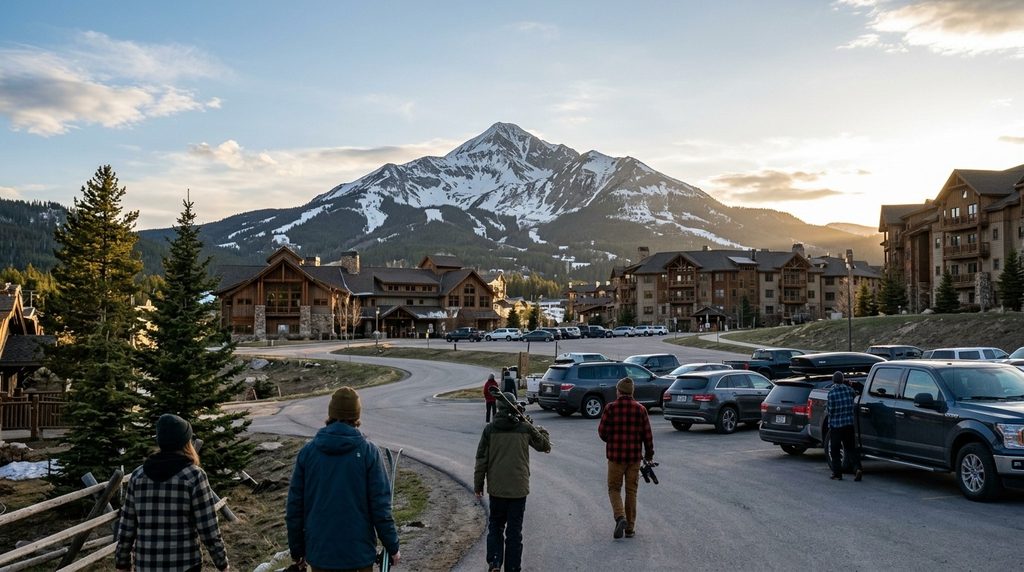
A successful Big Sky vacation is easier when you plan around the season rather than trying to fit every activity into one trip. Winter and summer have very different travel patterns, so your packing list, transportation arrangements, accommodation choices, and daily schedule should reflect the time of year.
Altitude is another consideration. Big Sky sits at a relatively high elevation, and some visitors may need time to adjust. Stay hydrated, avoid overexertion when you first arrive, and pay attention to how you feel during outdoor activities.
Wildlife awareness is important throughout the region. Never approach wild animals for photographs, and follow posted guidance in parks and recreation areas.
What to Pack
For summer, bring layers, comfortable walking shoes or hiking boots, sun protection, a reusable water bottle, and rain protection. Temperatures can change during the day, especially at higher elevations.
For winter, warm waterproof clothing, gloves, a hat, appropriate footwear, and multiple insulating layers are essential. Skiers should also prepare for changing mountain conditions.
A Simple Big Sky Itinerary
Three days: Spend one day enjoying the resort or local attractions, one day hiking or exploring in summer—or skiing in winter—and one day taking a carefully planned sightseeing trip.
Five days: Add more outdoor activities, a slower rest day, and a Yellowstone excursion if seasonal roads and conditions allow.
Seven days: You can combine Big Sky with a more extensive Montana road trip and spend additional time exploring Yellowstone or nearby communities.
The key is not to make every day identical. Mountain trips are more enjoyable when there is room to respond to weather and energy levels.
FAQs
Is Big Sky worth visiting?
Yes. Big Sky is a strong destination for travelers interested in skiing, hiking, mountain scenery, wildlife, and outdoor recreation. Its proximity to Yellowstone also makes it useful for a broader Montana trip.
What is Big Sky best known for?
Big Sky is best known for its mountain resort, skiing and snowboarding, summer outdoor recreation, dramatic Montana scenery, and convenient access to the Yellowstone region.
How many days do you need in Big Sky?
Three to five days can provide a good introduction, while a week allows more time for outdoor activities and a Yellowstone visit without making the itinerary feel rushed.
What is the best month to visit Big Sky?
The best month depends on your plans. Winter is ideal for snow sports, while summer is generally better suited to hiking, biking, sightseeing, and combining Big Sky with Yellowstone.
Is Big Sky good for families?
Yes. Families can choose from skiing lessons, scenic activities, hiking, sightseeing, dining, and other outdoor experiences. The right activities will depend on children’s ages, weather, and individual comfort levels.
Conclusion:
Big Sky brings together the qualities that make a Montana mountain trip appealing: expansive scenery, outdoor adventure, peaceful surroundings, and easy access to some of the region’s most famous landscapes. Whether you arrive for winter skiing, summer hiking, a Yellowstone combination, or simply a few quiet days in the mountains, the destination gives you plenty of ways to build a trip around your interests.
The best Big Sky experience comes from leaving enough room for the mountains themselves to shape your plans. Choose the season carefully, prepare for changing weather, allow realistic travel times, and balance major activities with slower moments. With that approach, Big Sky can be much more than a resort stop—it can become a memorable part of a wider Montana adventure.
Read more:Phu Quoc Travel Guide: Beaches, Things to Do, Food, and Travel Tips