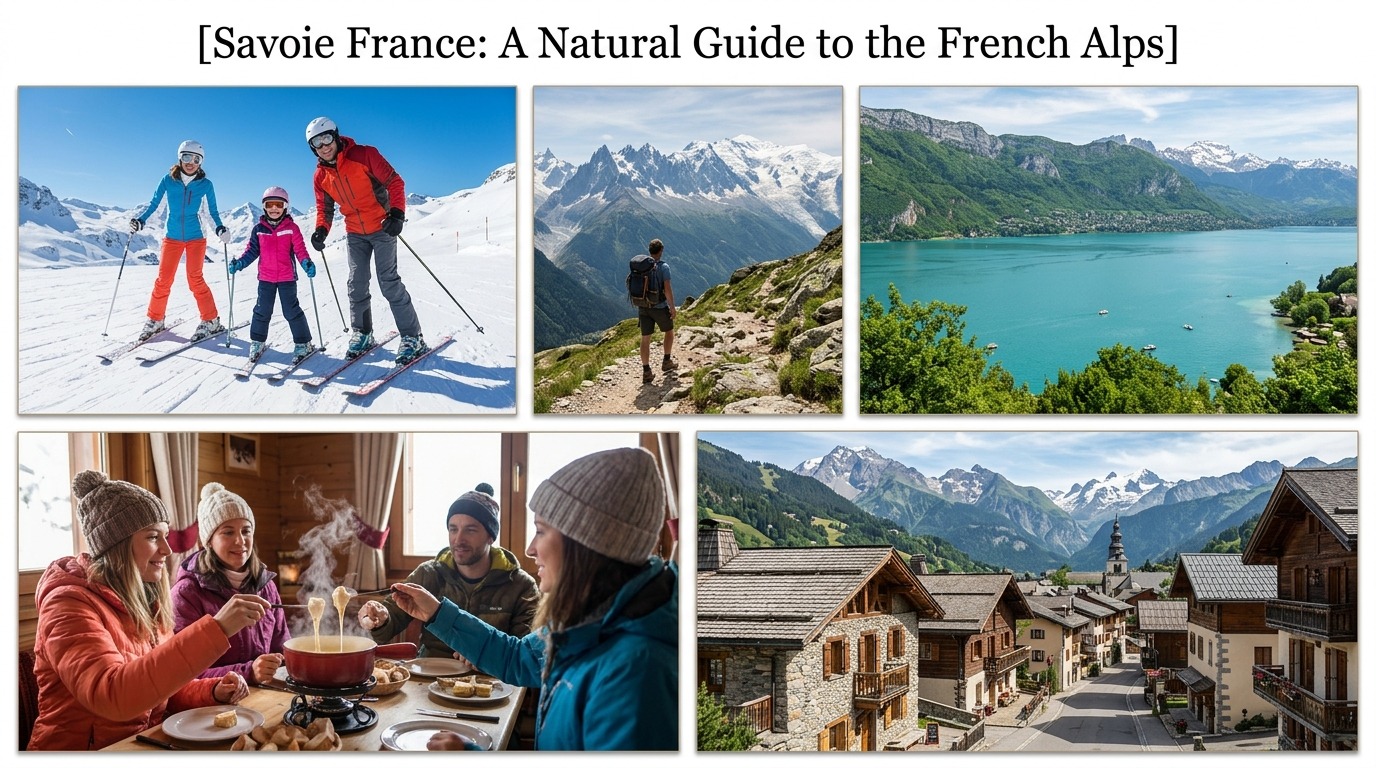
Savoie France is the kind of destination that makes you want to slow down and enjoy the journey. Set in the French Alps, this beautiful region brings together high mountains, peaceful lakes, historic towns, small villages, and some of France’s most famous winter resorts. It is just as appealing to travelers looking for outdoor adventures as it is to those who prefer scenic drives, good food, and relaxed days surrounded by nature.
One of the best things about Savoie is the variety you can find in one trip. You can spend a morning exploring the old streets of Chambéry, enjoy the scenery around Lac du Bourget, walk through an alpine village, and finish the day with a traditional Savoyard meal. In winter, the mountains become a major destination for skiing and snow activities, while the warmer months are ideal for hiking, cycling, lakeside outings, and discovering the region at a slower pace.
Where Is Savoie France?
Savoie is in southeastern France, within the Auvergne-Rhône-Alpes region and close to the Italian border. Much of the area is mountainous, with the French Alps shaping its landscape, climate, culture, and way of life.
The department of Savoie is surrounded by impressive mountain ranges and deep valleys. Its location also makes it an interesting destination for travelers who want to combine France with nearby parts of the Alps. The Italian border is not far away, and the wider Alpine region has long been connected through trade, food, migration, and mountain routes.
Chambéry is the main city and one of the easiest places to begin exploring the region. From here, travelers can reach mountain valleys, lakes, villages, and outdoor attractions without having to stay in a remote mountain resort.
Savoie is also part of the wider Savoie Mont Blanc destination, which includes neighboring Haute-Savoie. While the two areas are often promoted together for tourism, Savoie has its own character, attractions, food traditions, and mountain landscapes.
The landscape changes noticeably as you travel through the department. Lower areas around the lakes and towns feel more relaxed and accessible, while the higher valleys become increasingly alpine. This variety is one of the reasons Savoie works well for different types of holidays.
Why Savoie France Is Worth Visiting
Savoie offers a good balance between nature and culture. You do not have to spend your entire holiday hiking or skiing to enjoy it. Historic streets, local restaurants, lakeside towns, scenic roads, and mountain viewpoints give visitors plenty of ways to experience the area.
The region is especially attractive for travelers who enjoy changing scenery. A trip can move from a lively town to a quiet village and then into dramatic mountain country within a relatively short distance.
It is also a destination that works well in different seasons. Winter brings skiing and snow-covered landscapes, while spring and summer open up hiking trails, cycling routes, lake activities, and countryside excursions.
Another reason to visit is the food. Savoie has a strong regional identity, and traditional dishes are closely connected to the mountain environment. Cheese, potatoes, bread, cured meats, and seasonal ingredients appear frequently on local menus.
The region can also suit travelers with different budgets. Luxury mountain resorts are available, but there are also independent hotels, guesthouses, apartments, campsites, and accommodation in smaller towns. Choosing a base outside the most famous ski resorts can sometimes provide a quieter atmosphere and more options for exploring.
For travelers who enjoy photography, Savoie is equally appealing. Mountain views change throughout the day, and the combination of lakes, villages, forests, stone buildings, and snow-covered peaks provides plenty of natural scenery without requiring a complicated itinerary.
Best Places to Explore in Savoie
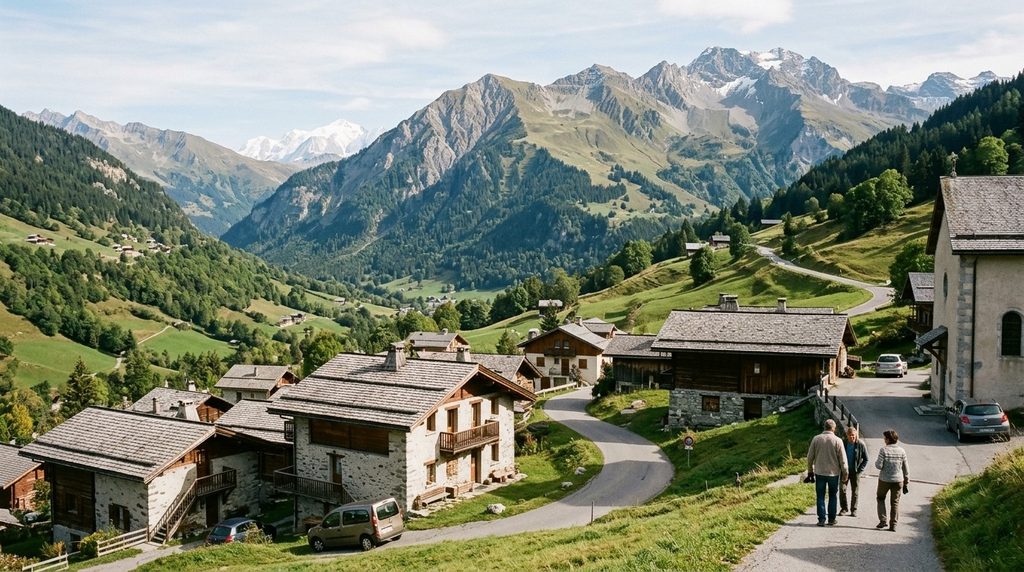
Savoie has many different destinations, so where you go will depend on the kind of trip you want.
Chambéry
Chambéry is a great choice for travelers who want history, architecture, cafés, restaurants, and an urban base for exploring the surrounding region. Its historic center is easy to explore on foot, making it a pleasant place to spend a day or two.
The city has a strong connection with the former Duchy of Savoy, which gives its architecture and cultural heritage a distinctive character. Walking through the old center is a good way to appreciate this history without needing to follow a packed sightseeing schedule.
Chambéry is also useful as a practical base. Travelers can enjoy the city in the morning and then plan day trips toward the surrounding mountains or lakes.
Aix-les-Bains
Located beside Lac du Bourget, Aix-les-Bains is known for its spa heritage and relaxed lakeside setting. It is particularly suitable for travelers who want a slower holiday with opportunities for walking, wellness, and enjoying the lake.
The town has long been associated with thermal tourism. Today, visitors can combine that heritage with outdoor activities and lakeside sightseeing.
Aix-les-Bains is also a useful choice for couples and families who want to stay close to the water rather than directly in a mountain resort.
Lac du Bourget
Lac du Bourget is one of the region’s standout natural attractions. The surrounding mountains create a beautiful backdrop, while the lake itself provides opportunities for boating, swimming, walking, and simply enjoying the scenery.
A lake visit does not have to involve a full day of activities. Even a relaxed walk along the waterfront or a meal overlooking the water can make a worthwhile addition to a Savoie itinerary.
Vanoise National Park
For travelers who come to Savoie mainly for the mountains, Vanoise National Park deserves special attention. It covers a large protected area between the Tarentaise and Maurienne valleys and offers some of the region’s most impressive alpine landscapes.
The park is particularly appealing to hikers and nature lovers, although visitors should plan according to their experience and current mountain conditions.
Tarentaise Valley
The Tarentaise Valley is one of the most important mountain areas for winter tourism. Several major ski destinations are located in or around this part of Savoie.
During summer, the valley changes character. Hiking, cycling, sightseeing, and mountain activities replace the focus on snow sports, giving travelers another reason to visit outside winter.
Maurienne Valley
The Maurienne Valley stretches through a long Alpine corridor and offers a mixture of mountain scenery, villages, historic sites, cycling routes, and access to outdoor areas.
It can be a particularly interesting choice for road trips because the journey itself becomes part of the experience. Instead of treating the valley simply as a route between two destinations, travelers can stop in villages and viewpoints along the way.
Places and Experiences to Add to Your Trip
| Place or experience | Why visit | Best suited to |
| Chambéry | Historic center, culture and restaurants | First-time visitors |
| Aix-les-Bains | Lake views and spa atmosphere | Relaxing breaks |
| Lac du Bourget | Water activities and mountain scenery | Couples and families |
| Vanoise National Park | Hiking and alpine landscapes | Nature lovers |
| Tarentaise Valley | Mountain resorts and winter sports | Skiers |
| Maurienne Valley | Villages, cycling and mountain scenery | Road trippers |
| Alpine villages | Local atmosphere and traditional architecture | Slow travel |
You do not need to visit every destination on your first trip. Choosing two or three areas and giving yourself enough time to enjoy them is usually more rewarding than trying to see the whole department.
A good itinerary should also leave some flexibility. Mountain weather can change quickly, and having a free afternoon means you can adjust plans if a hiking route or viewpoint is not suitable.
Things to Do in Savoie France
Outdoor activities are naturally a big part of the Savoie experience, but there is plenty to do even if you are not an experienced adventurer.
Hiking is one of the best ways to experience the mountains during the warmer months. There are short walks for casual visitors as well as longer and more demanding routes for experienced hikers. Always check the distance, elevation gain, weather and current trail conditions before setting out.
For visitors who are new to mountain hiking, choosing a clearly marked route near an established village can be a sensible starting point. More demanding trails should be approached with appropriate equipment and an honest assessment of fitness and experience.
Cycling is another popular way to explore the region. Some mountain roads are challenging and attract experienced cyclists, while quieter routes can be more suitable for relaxed sightseeing.
Around the lakes, visitors can enjoy swimming, boating and other water-based activities during the warmer months. For a less active day, simply walking along the waterfront and stopping at a local café can be a worthwhile part of the itinerary.
During winter, skiing becomes one of the main reasons people travel to Savoie. The surrounding mountain areas include a wide range of resorts and ski terrain, from large destinations to smaller village-based resorts.
There are also activities for people who do not ski. Snowshoeing, scenic mountain rides, winter walks, spa visits, and village sightseeing can make a winter holiday enjoyable without spending every day on the slopes.
Hiking in Savoie
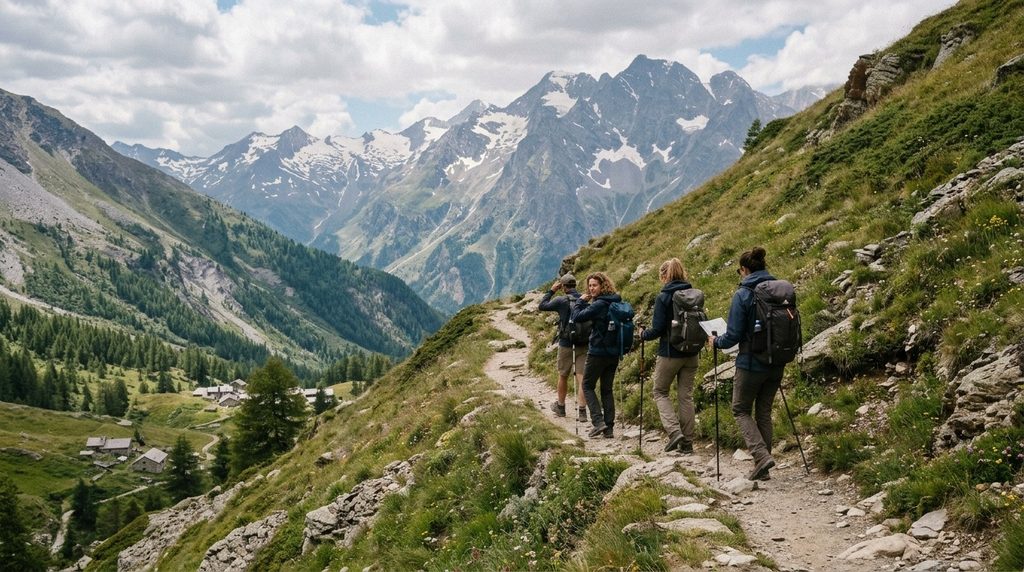
Hiking deserves special attention because it allows visitors to experience the region beyond its main towns and ski resorts.
Summer and early autumn are generally the most popular periods for mountain walking, although conditions depend heavily on altitude and weather. Lower trails may become accessible earlier in the season, while higher routes can retain snow for longer.
The choice of trail should be based on more than distance. Elevation gain can make a relatively short route physically demanding, especially at higher altitudes. Travelers should also consider weather forecasts, daylight hours, water availability, footwear, and emergency arrangements.
Families may prefer gentle trails around villages or lakes, while experienced hikers can look for longer routes through the national park and surrounding mountain areas.
A useful approach is to avoid planning every hiking day too tightly. Mountain conditions can change, and having alternative routes makes the trip less stressful.
Travelers should also follow local rules in protected areas. Stay on marked paths where required, take waste with you, avoid disturbing wildlife, and respect private land and local communities.
Discover Vanoise National Park
Vanoise National Park is one of the most important natural attractions in Savoie. It was established in 1963 and protects a large area of the Vanoise mountain range.
The park is a particularly good choice for travelers who want to see the Alps away from busy resort areas. Its landscape includes mountain peaks, valleys, alpine meadows, and hiking routes with changing scenery.
Wildlife is another attraction. Depending on where and when you travel, you may have the chance to see animals such as marmots and chamois.
Because it is a protected area, visitors should respect local regulations and the natural environment. Before hiking, check official information about routes, weather, access and any restrictions that may apply.
For many visitors, the best approach is to choose one area around the park rather than attempting to cover too much ground in a single day.
The park is also a reminder that Savoie is not only about tourism infrastructure. There are large areas where the natural landscape remains the main attraction, and responsible travel helps preserve that character.
If you are interested in photography or wildlife, early mornings and quieter trails can be rewarding, but travelers should always keep a respectful distance from animals and avoid approaching wildlife for photographs.
Lakes and Water Activities
Savoie is strongly associated with mountains, but its lakes add a completely different dimension to the region.
Lac du Bourget is the best-known lake in the department and is particularly attractive during warmer weather. Its shoreline offers opportunities for walking, relaxing, swimming, and water activities.
Lac d’Aiguebelette is another option for travelers looking for a quieter lakeside experience. Its surroundings are greener and more relaxed, making it appealing for visitors who want to spend a day away from busy urban areas.
Lake activities vary depending on the season and local conditions. Swimming areas, boat rentals, water sports, and other facilities can have seasonal opening periods, so checking current information before traveling is useful.
A lakeside day can also be combined with nearby sightseeing. Instead of dedicating an entire holiday to one lake, travelers can include a morning or afternoon by the water between mountain excursions.
For families, lakes can provide a useful balance to more demanding mountain activities. Children can have time to relax and play while adults enjoy the scenery.
Savoie in Winter
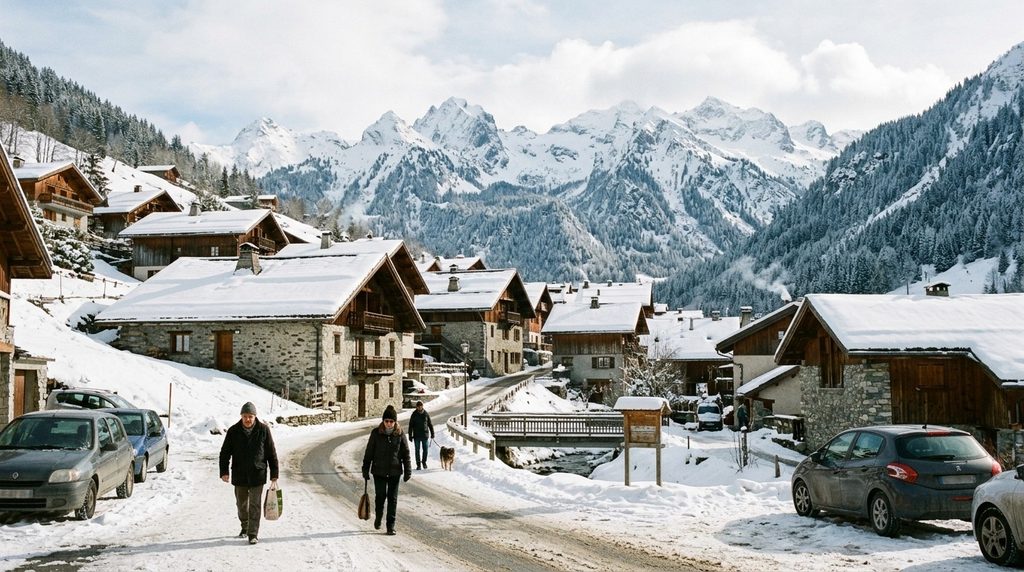
Winter changes the character of Savoie completely. Snow-covered mountains, alpine villages, ski lifts, and cozy restaurants make the region especially attractive between the colder months and the end of the main ski season.
Skiing is the biggest draw, with resorts across the Tarentaise and Maurienne areas offering different types of experiences. Some are large and well known internationally, while smaller resorts can appeal to travelers who prefer a quieter atmosphere.
You can also enjoy activities such as snowshoeing and other snow-based experiences, depending on the resort and weather conditions.
If skiing is not your main interest, there is no need to stay directly beside a ski slope. A town such as Chambéry can provide a different experience, with mountain day trips possible depending on weather and transport conditions.
Winter travel does require more planning than a summer visit. Snow and ice can affect road conditions, while popular resort periods can make accommodation more expensive and harder to find.
Travelers driving into the mountains should check road conditions and make sure their vehicle is properly equipped for winter conditions. Public transport can also be a practical option for reaching some major resort areas.
Popular Ski Areas Around Savoie
Savoie is home to or provides access to some of the most recognizable ski destinations in the French Alps.
The Tarentaise area is particularly famous for large ski domains and high-altitude resorts. This part of the Alps attracts both experienced skiers and visitors who simply want the classic atmosphere of a French mountain holiday.
The Maurienne valley offers another group of mountain destinations. Some resorts here have a more traditional village feel and can appeal to travelers who want a quieter experience.
When choosing a ski resort, it is worth considering more than the number of slopes. Think about accommodation, access, lift connections, beginner facilities, restaurants, après-ski atmosphere, and whether the resort suits the experience level of everyone in your group.
Beginners may benefit from staying somewhere with convenient learning areas and easy access to ski schools. Experienced skiers may prioritize the size and variety of the ski domain.
Food to Try in Savoie
Food is an important part of the Savoie experience. Traditional cooking here reflects the mountain environment and often features cheese, potatoes, bread, cured meats, and filling seasonal ingredients.
Tartiflette is one of the best-known dishes, traditionally combining potatoes, onions, bacon, and Reblochon cheese. Raclette and fondue savoyarde are also closely associated with the region.
Another local specialty worth looking for is diots, a type of Savoyard sausage often served with regional accompaniments.
You will also find cheeses such as Beaufort, which is strongly associated with the Alpine area. Trying regional dishes in a traditional restaurant can be one of the simplest ways to connect with the local culture.
If you are visiting during warmer weather, do not assume every meal needs to be heavy. Many restaurants and cafés also offer lighter dishes, salads, desserts, and local products.
Food markets are another good way to discover regional ingredients. Depending on the town and day of the week, travelers may find cheese, bread, fruit, vegetables, cured products, and other local specialties.
A good food experience does not have to be expensive. Small restaurants, bakeries, cafés, and village markets can sometimes provide a more relaxed introduction to local cuisine than high-end dining rooms.
Villages and Local Culture
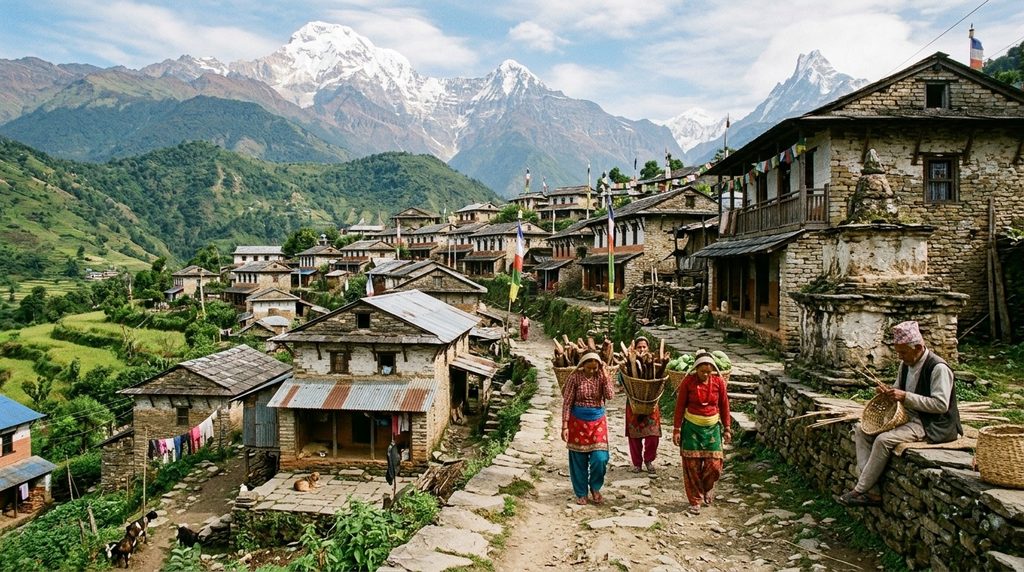
The villages of Savoie are an important part of its appeal. Some are closely connected to ski resorts, while others retain a quieter agricultural and residential character.
Stone buildings, wooden details, mountain views, small churches, local shops, and traditional restaurants can give villages a very different atmosphere from larger tourist centers.
Travelers should avoid treating villages simply as photo stops. If you have time, stay for a meal, visit a local shop, or take a short walk through the surrounding area. This creates a more meaningful experience and supports local businesses.
Local festivals and cultural events may also take place throughout the year. Their schedules change, so checking the official tourism information for your travel dates is the best way to find out what is happening.
The cultural identity of Savoie is also visible in its food. Traditional recipes remain an important part of local life, especially in mountain communities.
Where to Stay in Savoie
Your ideal base depends on what you want from the trip.
Chambéry works well for travelers who want restaurants, history, transport connections, and access to different parts of the region. Aix-les-Bains is a better fit if you are interested in the lake and a more relaxed atmosphere.
For hiking, staying closer to your chosen mountain area can save a considerable amount of driving time. Skiers will usually find it more convenient to stay in or near their chosen resort.
| Type of trip | Good base | Suggested length |
| First visit | Chambéry | 2–3 nights |
| Lake and relaxation | Aix-les-Bains | 2–3 nights |
| Hiking holiday | Village near the mountains | 3–5 nights |
| Ski vacation | Mountain resort | 3–7 nights |
| Mixed road trip | Chambéry plus a mountain base | 5–7 nights |
For a first visit, four to seven days gives you enough time to experience several sides of Savoie without turning the trip into a constant drive from one attraction to another.
Travelers staying longer may want to split their accommodation between two areas. For example, a few nights around Chambéry or the lake can be followed by several nights in the mountains.
This approach reduces long day trips and gives you the chance to experience different sides of Savoie.
Getting Around Savoie
How you travel around Savoie depends on your itinerary.
A car provides the most flexibility, particularly if you want to explore smaller villages, mountain roads, viewpoints, and hiking trailheads. It also makes it easier to move between different valleys.
However, driving in the mountains requires more attention than driving between large cities. Roads can be narrow or winding, and winter weather can create additional challenges.
Public transport can be useful between major towns and some mountain destinations. Travelers should check routes and seasonal timetables in advance because services can vary depending on the destination and time of year.
For a short city-based trip, a car may not be necessary. Chambéry and other major towns can be explored without driving everywhere.
If you are planning a road trip, avoid packing too many destinations into each day. Mountain distances can take longer than they appear on a map, especially when roads are winding or weather conditions are poor.
A Practical Savoie Itinerary
A first trip can be kept simple without sacrificing variety.
A Short Weekend
With only two or three days, focus on one main area. Chambéry combined with Lac du Bourget can provide a good mix of history, food, lake scenery, and relaxed sightseeing.
Trying to add several mountain resorts to such a short trip may leave you spending more time on the road than enjoying the destination.
Four to Five Days
With four or five days, you can add a mountain destination. Spend the first part of the trip exploring Chambéry and the lake before moving toward a mountain village or resort.
This works particularly well outside the main winter ski season when hiking and sightseeing become the focus.
One Week
A week gives you much more flexibility. You can combine a city stay, a lake visit, a mountain base, and several outdoor activities.
You could also spend several days around Vanoise National Park if hiking and nature are your main interests.
The key is not to make every day completely full. Savoie is a destination where scenery is part of the experience, so leaving time for a slow lunch, scenic drive, or unexpected village stop can make the trip better.
When Is the Best Time to Visit Savoie France?
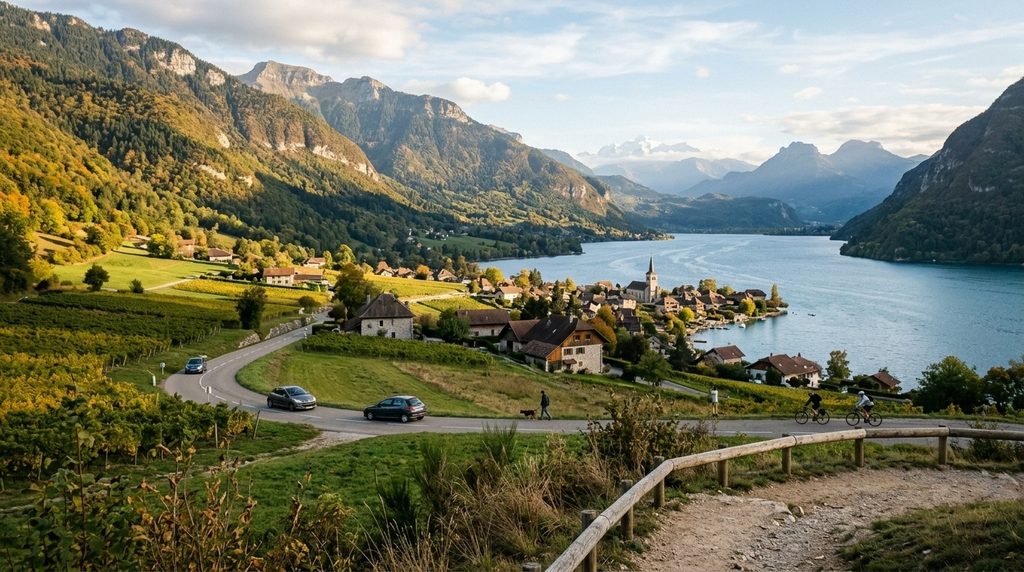
The best time depends on what you want to do.
Winter is the natural choice for skiing, snowboarding, and other snow activities. Ski resorts can become busy during school holidays, so accommodation and transport should be planned ahead during peak periods.
Late spring and summer are excellent for hiking, cycling, sightseeing, lake activities, and exploring villages. The higher mountain areas may still have snow early in the warmer season, so conditions can vary depending on altitude.
Early autumn can be appealing for travelers who prefer cooler weather and a quieter atmosphere. However, some mountain businesses and seasonal facilities may have shorter opening periods outside the main summer and winter seasons.
If you want the widest choice of outdoor activities, summer is usually the easiest season. If skiing is your priority, winter is the obvious choice.
What to Pack for Savoie
Packing for Savoie depends strongly on the season and altitude.
During summer, comfortable walking shoes are essential if you plan to explore trails or villages. Lightweight clothing, a waterproof layer, sun protection, and a small day bag are also useful.
Mountain weather can change quickly, even during warm months, so a light jacket is worth carrying when heading into higher areas.
For winter trips, warm layers, waterproof footwear, gloves, and suitable outerwear are important. Skiers will need their normal equipment or should arrange rental equipment in advance during busy periods.
Travelers should also pack according to their planned activities rather than simply the general weather forecast for Savoie. Conditions in a lakeside town can be very different from those higher in the mountains.
Responsible Travel in Savoie
The natural beauty of Savoie is one of its biggest attractions, which makes responsible travel particularly important.
When hiking, stay on marked paths where required and avoid disturbing wildlife. Carry waste with you and be careful around fragile alpine environments.
If you are visiting a village, remember that many buildings are homes rather than tourist attractions. Keep noise levels reasonable, especially in the evening.
Supporting local businesses can also make a difference. Eating at local restaurants, shopping at village markets, and staying at independent accommodation where practical can help keep tourism connected to local communities.
During busy winter periods, travelers can also reduce pressure on popular resorts by considering less crowded dates or staying in nearby communities rather than focusing only on the most famous names.
Is Savoie Suitable for Families?
Savoie can work very well for family travel because activities can be adapted to different ages and interests.
Lakes provide opportunities for relaxed days, while towns such as Chambéry offer easy sightseeing without demanding long hikes.
Families interested in the mountains can choose shorter walking routes rather than attempting difficult trails. In winter, ski schools and beginner areas can make the first experience more manageable for children and adults who are new to skiing.
Accommodation is another important consideration. Families may find apartments or self-catering properties useful because they provide more space and flexibility around meals.
The best family itinerary is usually one that avoids moving accommodation every night. Staying several nights in one place gives children time to settle in and gives adults more time to enjoy the destination.
Savoie for Couples and Slow Travelers
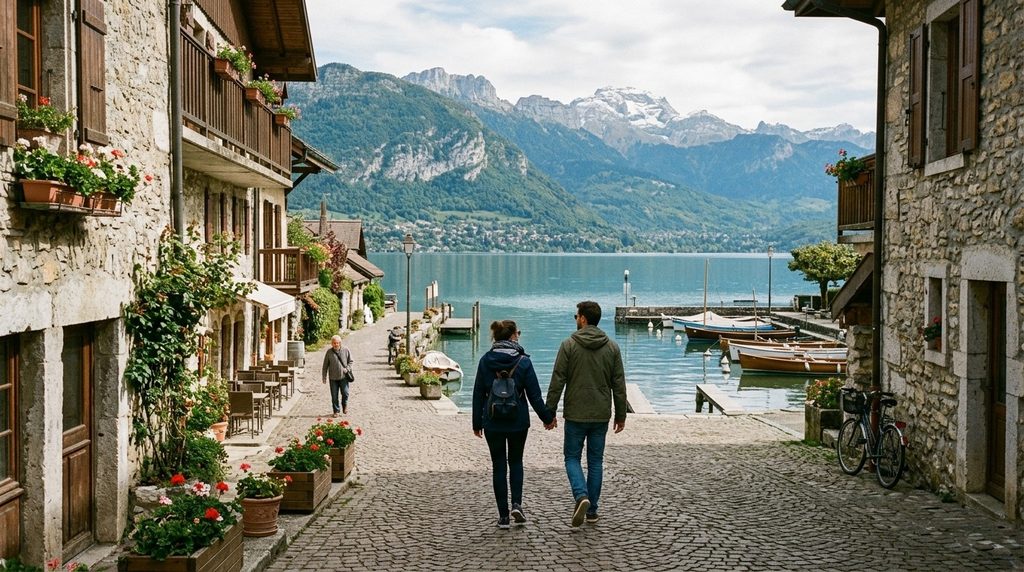
Savoie is not only an adventure destination. It can also be a good choice for couples and travelers who prefer a slower pace.
Aix-les-Bains and the area around Lac du Bourget are particularly suitable for relaxing breaks. A day can include a lakeside walk, a long lunch, a spa experience, and an evening in a local restaurant without requiring a demanding schedule.
Mountain villages can offer another kind of quiet escape. Outside peak winter and summer periods, some areas become noticeably calmer.
Couples planning a longer trip can combine several styles of travel: a few nights in a historic town, time beside the lake, and then several nights in the mountains.
This type of itinerary allows you to experience the variety of Savoie without constantly packing and unpacking.
Tips for Planning a Better Savoie Trip
A little preparation can make a major difference.
First, choose your main reason for visiting. If skiing is the priority, select the resort before booking accommodation. If hiking is your focus, choose a base close to the trails you want to explore.
Second, check seasonal opening times. Mountain lifts, restaurants, attractions, and transport services may operate different schedules depending on the time of year.
Third, do not rely entirely on driving times shown online. Mountain roads can be slower than expected, and weather can affect journeys.
Fourth, leave room for flexibility. If rain changes your hiking plans, you can spend the day exploring a town, visiting a museum, enjoying a meal, or relaxing by the lake.
Finally, give yourself enough time. Savoie rewards travelers who explore slowly. You do not need to see every famous place to have a memorable trip.
FAQs
Is Savoie France a good place to visit?
Yes. Savoie is a strong choice for travelers interested in mountains, lakes, historic towns, outdoor activities, traditional food, and Alpine scenery.
What is Savoie France famous for?
Savoie is particularly known for the French Alps, ski resorts, Vanoise National Park, Lac du Bourget, mountain villages, and traditional dishes such as raclette, fondue, and tartiflette.
How many days are enough for Savoie?
Around four to seven days is a comfortable amount of time for a first visit. A shorter trip can focus on one area, while a longer stay allows you to combine towns, lakes, and mountains.
What is the best month to visit Savoie France?
There is no single best month for everyone. Winter is ideal for skiing, while summer is better for hiking, cycling, lakes, and general mountain sightseeing.
Is Savoie France suitable for families?
Yes. Families can enjoy lakeside activities, easy walks, sightseeing, scenic villages, mountain attractions, and winter activities. The best options depend on the children’s ages and the season.
Conclusion:
Savoie France is a destination where the mountains are only part of the story. Historic towns, peaceful lakes, traditional food, welcoming villages, and protected natural areas give the region a varied character that can suit both active travelers and people who simply want to enjoy beautiful surroundings at a relaxed pace.
Whether you visit for a winter ski holiday, a summer hiking trip, or a scenic journey through the French Alps, Savoie France offers plenty to discover. Rather than rushing between attractions, choose a few places that match your interests and give yourself time to enjoy the landscapes, food, and local atmosphere along the way.
Read more:Gramado Brazil: A Charming Mountain Escape in Southern Brazil