

Spain is one of the world’s greatest food destinations. Every city, village, and region offers unique recipes that have been perfected over generations. Whether you’re wandering through Barcelona’s lively streets, relaxing on Valencia’s beaches, or exploring the historic neighborhoods of Seville, amazing food is always nearby.
For travelers, eating in Spain is more than simply enjoying delicious meals. It’s about experiencing local culture, family traditions, seasonal ingredients, and centuries of culinary history. From sizzling seafood to comforting rice dishes and irresistible desserts, every meal tells a story.
This guide to Spain for foodies. 10 dishes you must try while in Spain highlights the country’s most famous dishes while sharing practical dining tips, regional specialties, and expert advice to help you enjoy authentic Spanish cuisine like a local.
Quick Answer
| Rank | Dish | Region | Best For |
| 1 | Paella Valenciana | Valencia | Lunch |
| 2 | Jamón Ibérico | Andalusia & Extremadura | Tapas |
| 3 | Tortilla Española | Nationwide | Breakfast & Snack |
| 4 | Patatas Bravas | Madrid | Tapas |
| 5 | Gazpacho | Andalusia | Summer |
| 6 | Pulpo a la Gallega | Galicia | Seafood Lovers |
| 7 | Croquetas | Nationwide | Appetizer |
| 8 | Gambas al Ajillo | Madrid | Seafood |
| 9 | Churros con Chocolate | Madrid | Dessert |
| 10 | Crema Catalana | Catalonia | Sweet Ending |
These dishes showcase Spain’s incredible regional diversity, fresh ingredients, and centuries-old culinary traditions.
Spain for Foodies Checklist
Before your Spanish food adventure, make sure you:
- ✅ Try authentic regional specialties instead of tourist versions.
- ✅ Visit local markets.
- ✅ Eat lunch between 2–4 PM.
- ✅ Experience a traditional tapas crawl.
- ✅ Taste Iberian ham from reputable shops.
- ✅ Pair meals with local Spanish wine.
- ✅ Save room for dessert.
- ✅ Explore family-owned restaurants.
- ✅ Ask locals for recommendations.
- ✅ Try something you’ve never heard of.
Why Spain Is a Paradise for Food Lovers
Spain consistently ranks among the world’s top culinary destinations because of its incredible variety. The country’s diverse geography creates completely different food traditions from north to south.
The Mediterranean coast specializes in seafood and rice dishes. Northern Spain is famous for rich stews and fresh fish. Central Spain offers hearty meat recipes, while Andalusia brings refreshing cold soups and flavorful tapas.
Spanish cooking focuses on simple ingredients prepared exceptionally well. Olive oil, garlic, tomatoes, seafood, cured meats, saffron, paprika, and fresh vegetables create unforgettable flavors without overly complicated recipes.
Many travelers discover that their favorite Spanish meal isn’t found in a luxury restaurant but in a small neighborhood café where recipes have remained unchanged for decades.
Why Every Region Tastes Different
| Region | Famous Foods |
| Valencia | Paella |
| Catalonia | Crema Catalana |
| Galicia | Pulpo a la Gallega |
| Andalusia | Gazpacho, Jamón |
| Madrid | Bocadillo, Patatas Bravas |
| Basque Country | Pintxos |
| Asturias | Fabada |
| Castilla-La Mancha | Manchego Cheese |
One of the best parts of exploring Spain for foodies. 10 dishes you must try while in Spain is discovering how dramatically local cuisine changes from one region to another.
Paella Valenciana – Spain’s Most Famous Rice Dish
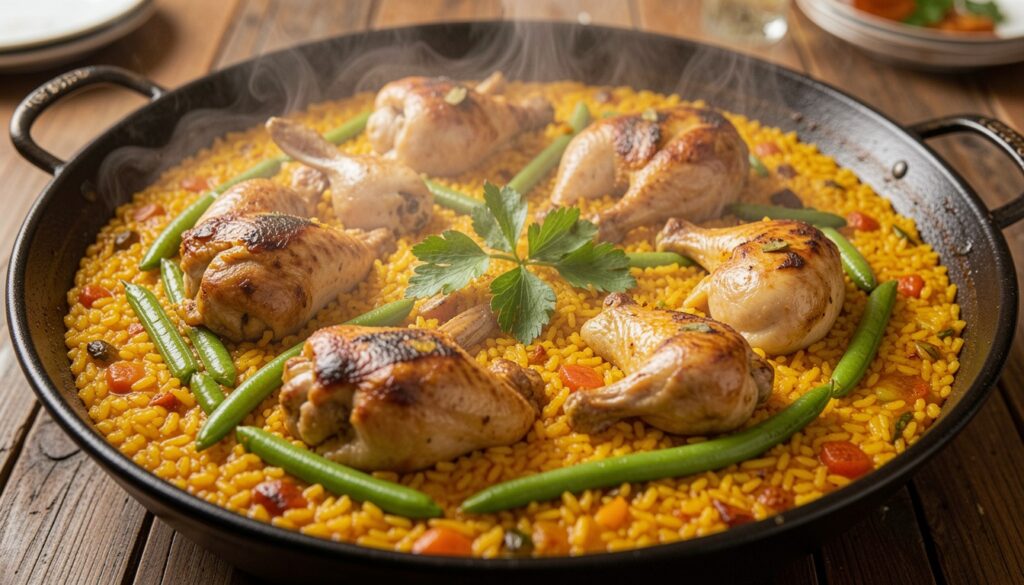
What Is Paella Valenciana?
Paella Valenciana is Spain’s most famous dish and originated in the Valencia region. Unlike many versions served internationally, authentic Valencian paella traditionally contains chicken, rabbit, green beans, white beans, tomatoes, olive oil, saffron, and rice.
The dish is cooked slowly in a wide, shallow pan over an open flame, allowing the rice to absorb every flavor while forming a crispy bottom layer called socarrat, considered the best part by many locals.
Why Foodies Love It
- Authentic regional recipe
- Beautiful saffron aroma
- Crispy rice at the bottom
- Rich yet balanced flavors
- Great for sharing with friends and family
Best Places to Try It
- Traditional restaurants in Valencia
- Family-owned countryside eateries
- Local rice farms offering cooking experiences
- Beachfront restaurants using authentic recipes
Travel Tip
Many restaurants prepare paella only for lunch because it takes time to cook properly. Ordering it for dinner often means receiving a reheated version instead of a freshly prepared meal.
Jamón Ibérico – Spain’s World-Famous Cured Ham
Why Is Jamón Ibérico So Special?
Jamón Ibérico is considered one of the finest cured meats in the world. It comes from Iberian pigs that are often raised on a natural diet including acorns, creating rich, nutty flavors that develop during years of careful curing.
Every slice melts in your mouth, offering a unique combination of sweetness, saltiness, and delicate texture that many travelers describe as unforgettable.
Types of Jamón
| Type | Quality |
| Jamón Serrano | Everyday favorite |
| Jamón Ibérico | Premium |
| Jamón Ibérico de Bellota | Highest quality |
How Locals Enjoy It
- With Manchego cheese
- Alongside fresh bread
- With olives
- Paired with Spanish red wine
- Served as tapas
Expert Tip
Avoid buying the cheapest ham marketed to tourists. Visit specialty delicatessens where staff slice the ham fresh to order for the best experience.
Tortilla Española – Spain’s Favorite Comfort Food
Simple Ingredients, Incredible Flavor
Tortilla Española, also known as the Spanish omelet, is made using only a few ingredients: eggs, potatoes, olive oil, and, depending on regional preference, onions.
Despite its simplicity, achieving the perfect texture requires skill. The inside should remain soft and creamy, while the outside develops a lightly golden finish.
Why Everyone Loves It
- Affordable
- Filling
- Available everywhere
- Great for breakfast, lunch, or dinner
- Vegetarian-friendly
Where You’ll Find It
You’ll see Tortilla Española in cafés, tapas bars, bakeries, train stations, and family kitchens across the country. It’s one of the easiest dishes to sample no matter where your Spanish adventure takes you.
Traveler’s Tip
Order a slice with fresh bread and coffee for a traditional Spanish breakfast that’s both satisfying and budget-friendly.
Patatas Bravas – The King of Spanish Tapas
What Makes Patatas Bravas So Popular?
Patatas Bravas is one of Spain’s most beloved tapas dishes. Crispy fried potato cubes are topped with spicy brava sauce, often accompanied by creamy garlic aioli.
Although the ingredients are simple, every restaurant has its own secret recipe, making each serving slightly different.
Regional Variations
Some regions serve only spicy tomato sauce, while others add aioli or smoky paprika. Exploring these local differences is part of the fun for anyone interested in Spain for foodies. 10 dishes you must try while in Spain.
Best Pairings
- Spanish beer
- Sangria
- Vermouth
- Local red wine
- Mixed tapas platter
Why You Shouldn’t Skip It
Patatas Bravas is one of the easiest ways to experience Spain’s famous tapas culture. Sharing small plates with friends while exploring lively neighborhoods is a memorable part of any Spanish trip.
Gazpacho – Spain’s Refreshing Cold Soup
What Is Gazpacho?
Gazpacho is a famous cold soup that originated in Andalusia, southern Spain. It’s made with ripe tomatoes, cucumbers, green peppers, garlic, olive oil, vinegar, and stale bread blended into a smooth, refreshing dish.
Unlike traditional hot soups, Gazpacho is served cold, making it the perfect meal during Spain’s hot summer months.
Why Food Lovers Enjoy It
- Fresh and healthy
- Rich in vitamins
- Naturally refreshing
- Made with seasonal vegetables
- Perfect for warm weather
Where to Try Authentic Gazpacho
The best Gazpacho is found in family-run restaurants and local cafés throughout Andalusia, especially in Seville, Córdoba, and Málaga.
Traveler Tip
Order Gazpacho as a starter before enjoying seafood or grilled meat. It refreshes your palate and prepares you for the rest of the meal.
Pulpo a la Gallega – Galicia’s Famous Octopus Dish
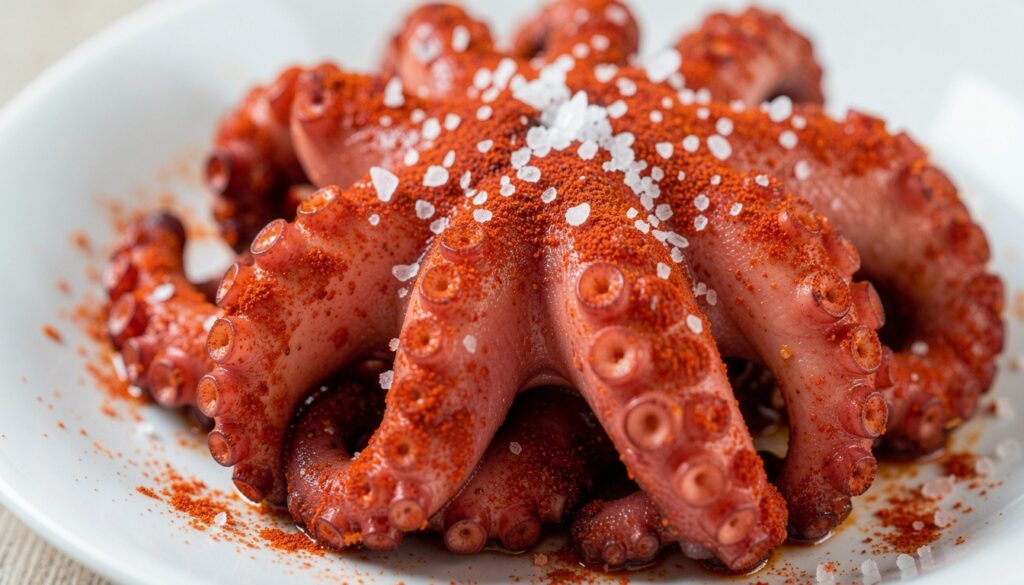
A Seafood Classic from Northern Spain
Pulpo a la Gallega, also called Pulpo á Feira, is one of Spain’s most famous seafood dishes. Fresh octopus is slowly cooked until tender, sliced into bite-sized pieces, and served with olive oil, smoked paprika, and coarse sea salt.
The result is surprisingly tender and full of delicate ocean flavor.
Why You Should Try It
- Authentic Galician specialty
- Soft, tender texture
- Minimal ingredients
- Rich seafood flavor
- Perfect tapas dish
Best Places to Eat It
- Galicia seafood restaurants
- Local festivals
- Traditional taverns
- Coastal fishing villages
Did You Know?
Galicia is responsible for much of Spain’s seafood production, making it one of Europe’s best destinations for fresh fish and shellfish.
Croquetas – Spain’s Crispy Comfort Snack
Why Croquetas Are Everywhere
Croquetas are one of Spain’s most popular tapas. These crispy, golden bites have a creamy filling made with béchamel sauce mixed with ingredients like:
- Jamón Ibérico
- Chicken
- Cod
- Mushrooms
- Spinach
- Cheese
Each family and restaurant has its own recipe.
Why Travelers Love Them
- Crispy outside
- Creamy inside
- Easy to share
- Affordable
- Available almost everywhere
Perfect With
- Local beer
- Vermouth
- Sangria
- White wine
Expert Recommendation
Order a mixed croqueta platter to sample several flavors during one meal.
Gambas al Ajillo – Garlic Shrimp Perfection
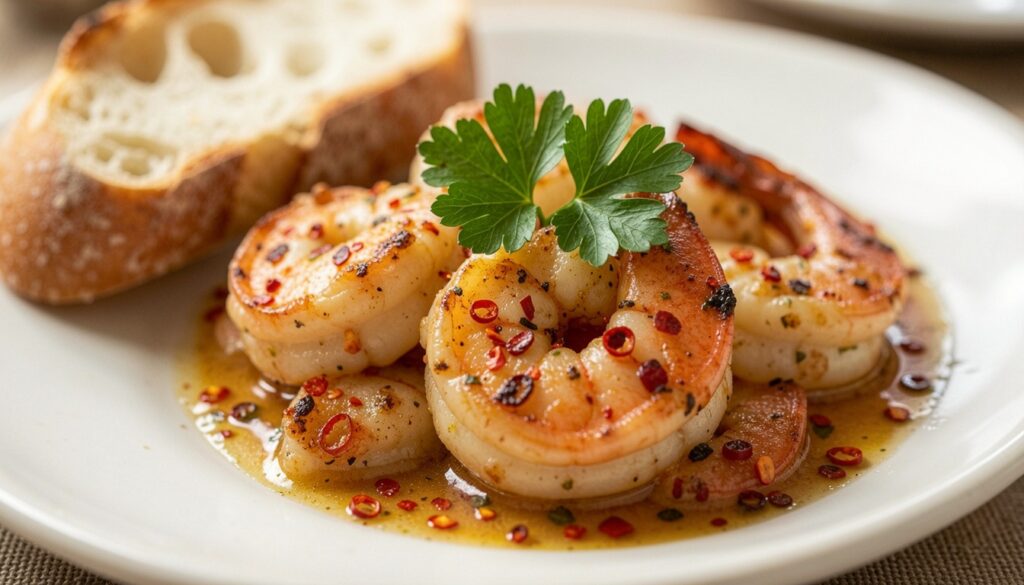
Simple Ingredients, Incredible Flavor
Gambas al Ajillo is one of Spain’s most iconic seafood tapas. Fresh shrimp are cooked in hot olive oil with garlic, parsley, and chili peppers until sizzling.
The aroma alone is enough to attract diners throughout the restaurant.
Why It’s So Popular
- Quick to prepare
- Packed with flavor
- Fresh seafood
- Excellent tapas
- Great for sharing
Don’t Forget the Bread
The garlic-infused olive oil left in the dish is considered one of the best parts. Locals always use fresh bread to soak up every drop.
Comparison Table: Which Spanish Dish Should You Try?
| Dish | Best For | Vegetarian | Seafood | Spice Level |
| Paella Valenciana | Main Meal | ❌ | Optional | Mild |
| Jamón Ibérico | Tapas | ❌ | ❌ | None |
| Tortilla Española | Breakfast | ✅ | ❌ | None |
| Patatas Bravas | Snack | ✅ | ❌ | Medium |
| Gazpacho | Summer | ✅ | ❌ | Mild |
| Pulpo a la Gallega | Seafood Lovers | ❌ | ✅ | Mild |
| Croquetas | Appetizer | Some Versions | Optional | Mild |
| Gambas al Ajillo | Seafood | ❌ | ✅ | Medium |
Expert Tips for Foodies Visiting Spain
Making the most of Spain for foodies. 10 dishes you must try while in Spain is about more than choosing the right dishes. Follow these local tips to enjoy authentic flavors and memorable dining experiences.
Eat on the Spanish Schedule
Lunch is typically served between 2:00 PM and 4:00 PM, while dinner often starts after 8:30 PM. Many kitchens close between lunch and dinner, so plan accordingly.
Choose Family-Owned Restaurants
Smaller, locally owned restaurants often serve recipes passed down through generations. These places usually offer a more authentic experience than tourist-focused eateries.
Explore Local Food Markets
Markets like those in Madrid, Barcelona, Valencia, and Seville are excellent places to sample regional cheeses, olives, seafood, fresh fruit, pastries, and cured meats.
Try Regional Specialties
Each region has signature dishes. Don’t order Paella everywhere—try it in Valencia, Gazpacho in Andalusia, and Pulpo a la Gallega in Galicia for the most authentic experience.
Share Tapas
Tapas are meant to be shared. Ordering several small plates lets you taste a wider variety of Spanish cuisine.
Ask Locals for Recommendations
Hotel staff, market vendors, and residents often know the best neighborhood restaurants that aren’t listed in guidebooks.
Common Mistakes Travelers Make
Avoid these common mistakes to enjoy Spain’s food culture like a local.
| Mistake | Better Choice |
| Eating only near tourist attractions | Walk a few streets away for better quality and value |
| Ordering paella for dinner | Enjoy fresh paella at lunch |
| Skipping local markets | Visit markets for authentic flavors |
| Eating too early | Follow local meal times |
| Ordering too much | Share tapas and try more dishes |
| Ignoring regional cuisine | Taste specialties unique to each destination |
| Choosing restaurants with photo menus only | Look for places filled with locals |
Pros and Cons of Exploring Spain Through Food
| Pros | Cons |
| Incredible regional diversity | Popular restaurants can have long waits |
| Fresh, seasonal ingredients | Some menus may only be available in Spanish |
| Excellent value for money | Dinner starts later than many visitors expect |
| World-famous seafood and cured meats | Reservations are needed at top restaurants |
| Rich culinary traditions | Some authentic dishes sell out by midday |
| Great variety for every budget | Regional specialties may not be available nationwide |
Food Safety & Dining Etiquette Tips
- Wash your hands before meals, especially after visiting busy markets.
- Carry a reusable water bottle while sightseeing.
- Tipping is appreciated but generally modest compared to the United States.
- Reservations are recommended for well-known restaurants, especially on weekends.
- Be patient during meals—Spanish dining is relaxed and meant to be enjoyed.
- Learn a few basic Spanish phrases such as “Gracias” (Thank you) and “La cuenta, por favor” (The bill, please).
Churros con Chocolate – Spain’s Most Famous Sweet Treat
A Classic Spanish Breakfast and Dessert
Few foods are as comforting as Churros con Chocolate. Freshly fried strips of dough are lightly coated with sugar and served with a cup of thick, rich hot chocolate for dipping.
Although visitors often think of churros as a dessert, many Spaniards enjoy them for breakfast or as an afternoon snack with coffee.
Why You Should Try It
- Crispy outside and soft inside
- Perfect balance of sweetness
- Great for breakfast or dessert
- Loved by both kids and adults
- Available throughout Spain
Best Places to Enjoy Churros
Look for traditional cafés or churrerías, where churros are made fresh throughout the day. Madrid is especially famous for its long-standing churro shops that have been serving locals for generations.
Traveler Tip
Visit early in the morning to enjoy freshly prepared churros with a café con leche before exploring the city.
Crema Catalana – Catalonia’s Signature Dessert
Spain’s Creamy Dessert Favorite
Crema Catalana is one of Spain’s oldest desserts and is especially popular in Catalonia. It features a smooth custard flavored with citrus and cinnamon, topped with a crisp layer of caramelized sugar that cracks beautifully with the first spoonful.
Although it is often compared to French crème brûlée, Crema Catalana has its own unique flavor and history.
Why Foodies Love It
- Silky smooth custard
- Crisp caramel topping
- Light citrus flavor
- Traditional Catalan recipe
- Perfect ending to any meal
Best Places to Try It
- Barcelona restaurants
- Traditional Catalan bakeries
- Family-owned dessert cafés
- Local festivals and celebrations
What to Drink with Spanish Food
Pairing your meal with the right drink enhances the flavors and gives you a more authentic dining experience.
| Dish | Recommended Drink |
| Paella Valenciana | Spanish white wine |
| Jamón Ibérico | Rioja red wine |
| Tortilla Española | Coffee or fresh juice |
| Patatas Bravas | Beer or vermouth |
| Gazpacho | Sparkling water or white wine |
| Pulpo a la Gallega | Albariño wine |
| Croquetas | Beer or cava |
| Gambas al Ajillo | Dry white wine |
| Churros con Chocolate | Hot chocolate or coffee |
| Crema Catalana | Dessert wine or espresso |
Planning the Perfect Food Trip in Spain
If your goal is to experience the best of Spain for foodies. 10 dishes you must try while in Spain, plan your itinerary around regional cuisine instead of trying to eat everything in one city.
Suggested Culinary Route
| Destination | Must-Try Food |
| Valencia | Paella Valenciana |
| Madrid | Patatas Bravas, Churros |
| Barcelona | Crema Catalana |
| Seville | Gazpacho |
| Galicia | Pulpo a la Gallega |
| Basque Country | Pintxos |
| Andalusia | Jamón Ibérico |
This approach lets you experience authentic recipes where they originated.
Conclusion
Spain is a dream destination for anyone who loves great food. From the golden saffron rice of Paella Valenciana to the creamy sweetness of Crema Catalana, every region offers flavors shaped by history, culture, and local ingredients. Whether you’re sharing tapas in Madrid, enjoying fresh seafood in Galicia, or sipping wine with Jamón Ibérico in Andalusia, each meal becomes part of your travel story.
This guide to Spain for foodies. 10 dishes you must try while in Spain is your starting point for exploring one of the world’s greatest culinary destinations. Take time to visit local markets, dine at family-run restaurants, and sample regional specialties where they originated. You’ll not only enjoy incredible meals but also gain a deeper appreciation for Spain’s rich food traditions.
Ready to plan your Spanish food adventure? Save this guide, create your culinary bucket list, and let every bite lead you to a new destination.
FAQs
What is the most famous food in Spain?
Paella Valenciana is widely considered Spain’s most iconic dish and is a must-try when visiting Valencia.
What food should first-time visitors try in Spain?
Start with Paella, Jamón Ibérico, Tortilla Española, Patatas Bravas, Churros con Chocolate, and Gazpacho for a well-rounded introduction to Spanish cuisine.
Is Spanish food spicy?
Most traditional Spanish dishes are mild. Some recipes, such as Patatas Bravas or Gambas al Ajillo, may include a little heat, but they are generally not very spicy.
What time do people eat in Spain?
Lunch is usually served between 2 PM and 4 PM, while dinner commonly begins after 8:30 PM.
Is Spain good for vegetarian travelers?
Yes. Dishes like Tortilla Española, Gazpacho, Patatas Bravas, grilled vegetables, and many tapas are excellent vegetarian options.
Which city is best for food lovers in Spain?
Valencia, Barcelona, Madrid, Seville, and San Sebastián are among the best destinations for unforgettable culinary experiences.
Are tapas free in Spain?
In some regions, especially parts of Andalusia, tapas may be complimentary with a drink. In many other cities, they are ordered and paid for separately.
Can I find authentic Spanish food outside major cities?
Absolutely. Small towns and villages often serve some of the country’s most authentic and traditional recipes.
What’s the best dessert to try in Spain?
Crema Catalana and Churros con Chocolate are two of Spain’s most beloved desserts.
How can I avoid tourist-trap restaurants?
Choose restaurants filled with locals, read recent reviews, avoid menus with aggressive street promoters, and ask hotel staff or residents for recommendations.
Read More :Oktoberfest Music: 25 Best Traditional & Modern Songs That Bring the Festival to Life (2026 Guide)