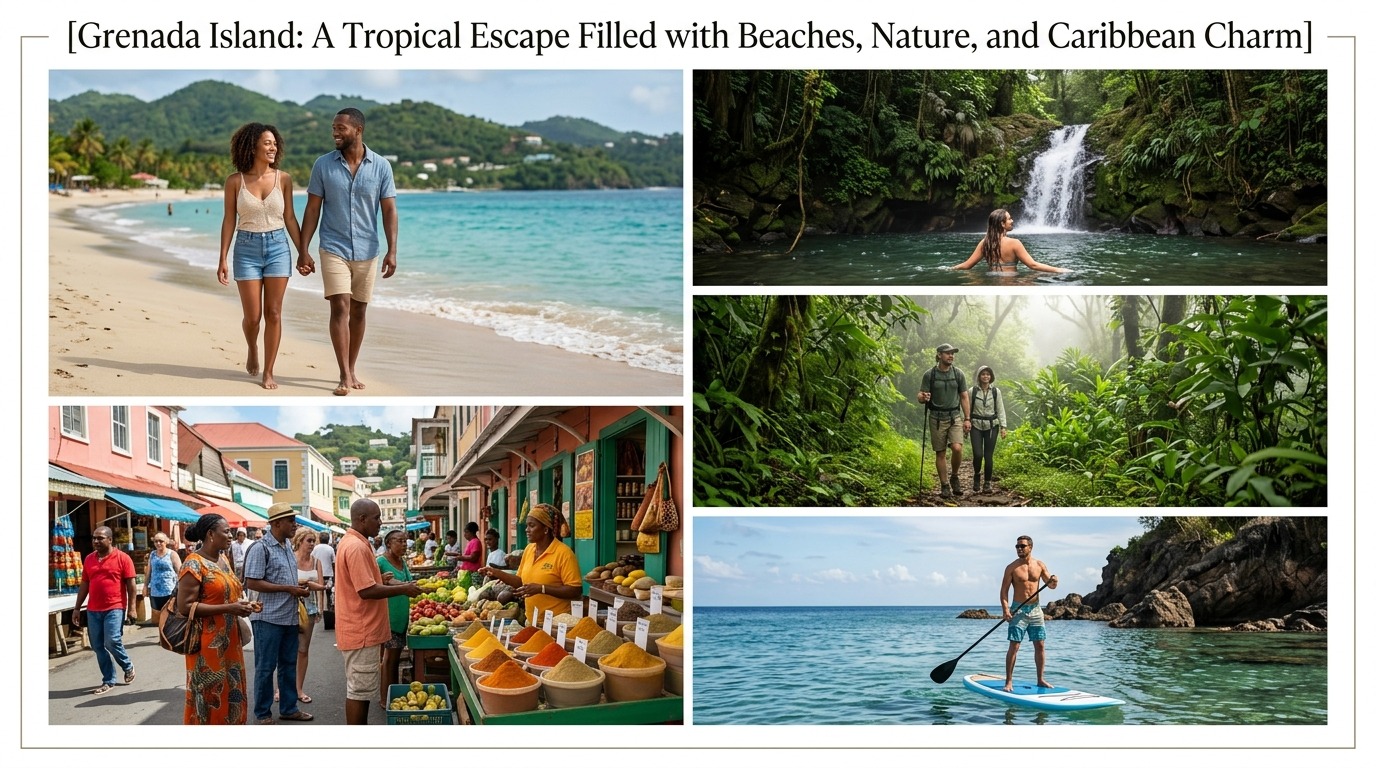
Grenada Island is a beautiful Caribbean destination known for its peaceful beaches, lush rainforests, colorful coastal villages, and warm island culture. Often called the “Spice Island,” Grenada is famous for its nutmeg, cocoa, cinnamon, and other fragrant spices that influence everything from local food to traditional markets. Unlike some busier Caribbean destinations, Grenada offers a relaxed atmosphere where travelers can enjoy nature, history, and coastal beauty at a comfortable pace.
From the lively streets of St. George’s to the calm waters of Grand Anse Beach, Grenada Island offers something for different types of travelers. Visitors can explore waterfalls, hike through tropical forests, discover underwater sculptures, enjoy fresh seafood, or simply spend a quiet afternoon beside the sea. Whether you are planning a romantic getaway, a family holiday, or an adventurous Caribbean vacation, Grenada combines scenic landscapes with genuine local character.
Where Is Grenada Island and What Makes It Special?
Grenada Island is located in the southeastern Caribbean Sea, north of Trinidad and Tobago and southwest of Saint Vincent and the Grenadines. It is the largest island in the country of Grenada, which also includes several smaller islands such as Carriacou and Petite Martinique.
The island is relatively compact, making it possible to experience beaches, mountain landscapes, historic sites, and cultural attractions during one trip. Its interior is covered with green hills, rainforest, rivers, and waterfalls, while the coastline features sandy beaches, quiet bays, and fishing communities.
Grenada stands out because it offers a balanced Caribbean experience. Travelers can enjoy beautiful scenery without spending their entire vacation in a large resort area. The island has a slower rhythm, a strong connection to agriculture and maritime traditions, and a welcoming culture shaped by African, European, Caribbean, and other influences.
Its nickname, the “Spice Island,” is closely connected to its agricultural heritage. Nutmeg and mace are especially important symbols of Grenada, and visitors will often notice spices being sold in markets, shops, and roadside stalls.
Best Places to Visit in Grenada Island
Although Grenada Island is not very large, it contains a wide variety of attractions. Some places are ideal for relaxing, while others are better suited to sightseeing, hiking, swimming, or learning about local history.
St. George’s
St. George’s is the capital of Grenada and one of the most attractive towns in the Caribbean. Its horseshoe-shaped harbor, colorful buildings, narrow streets, and hillside setting create a memorable atmosphere.
Visitors can walk around the waterfront, explore local shops, visit historic forts, and enjoy views across the harbor. The town is also a useful base for discovering Grenadian food, culture, and everyday life.
Grand Anse
Grand Anse is one of Grenada’s most famous beaches and a popular area for accommodation, restaurants, and water activities. Its long stretch of pale sand and clear water makes it suitable for swimming, sunbathing, and relaxed beach days.
Grenville
Grenville is an important town on the island’s eastern coast. It has a more local and traditional atmosphere than the main resort areas. Travelers interested in markets, fishing communities, and everyday island life may enjoy exploring the town.
Gouyave
Gouyave is known for its fishing heritage and community atmosphere. It is also associated with Grenada’s seafood traditions and the popular Friday night fish gatherings, where visitors can enjoy freshly prepared local dishes when events are operating.
Sauteurs
Located in the northern part of the island, Sauteurs offers coastal scenery, historical associations, and access to quieter areas. It can be a worthwhile stop for travelers who want to explore beyond the main tourist routes.
Beaches and Coastal Experiences
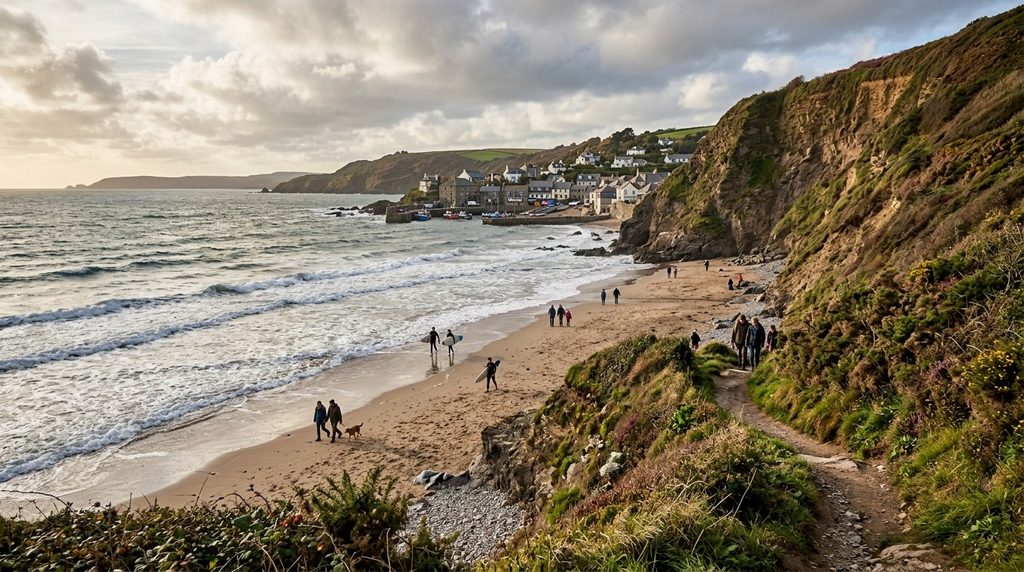
Grenada Island has beaches for different moods, from lively stretches with restaurants and facilities to secluded coves surrounded by greenery. The southwestern coast is especially popular with visitors because of its attractive beaches and convenient access to accommodation.
Grand Anse Beach is often the first choice for travelers who want a classic Caribbean beach experience. The water is generally inviting, and the wide shoreline provides plenty of space for walking or relaxing. Early mornings and late afternoons are particularly pleasant for enjoying the scenery.
Morne Rouge Beach, sometimes called BBC Beach, is another appealing option. It is located near Grand Anse but usually feels quieter and more sheltered. Its calm setting can be suitable for travelers who prefer a peaceful day near the water.
Magazine Beach offers a different atmosphere, with a more natural and less developed feel in some areas. It may appeal to visitors looking for coastal scenery away from the busiest beach zones.
Other beaches and bays worth exploring include:
- La Sagesse Beach, known for its quiet natural surroundings
- Bathway Beach, located on the northeastern coast
- Levera Beach, appreciated for its undeveloped coastal landscape
- Anse La Roche, a smaller beach reached by boat or a more challenging route
- Prickly Bay, popular for waterfront views and sailing-related activities
Beach conditions can change depending on wind, waves, weather, and seasonal conditions. Travelers should follow local advice, especially when swimming at less-developed beaches.
Rainforests, Waterfalls, and Outdoor Adventures
One of the most rewarding parts of visiting Grenada Island is discovering its green interior. The island’s rainforest areas contain hiking trails, streams, tropical plants, and waterfalls that offer a refreshing contrast to the beaches.
Grand Etang National Park and Forest Reserve
Grand Etang is one of Grenada’s best-known natural areas. Located in the island’s mountainous interior, it features rainforest scenery, walking trails, and the beautiful Grand Etang Lake.
The area is popular with travelers who enjoy birdwatching, photography, nature walks, and cooler mountain air. Trails vary in difficulty, so visitors should choose routes according to their fitness, weather conditions, and available time.
Annandale Falls
Annandale Falls is a well-known waterfall surrounded by tropical vegetation. The site is relatively accessible and is often included in island sightseeing tours.
The waterfall provides an opportunity to enjoy Grenada’s natural beauty without committing to a long hike. Visitors may be able to swim in the pool when conditions are considered safe, although water levels and local guidance should always be respected.
Seven Sisters Waterfalls
The Seven Sisters Waterfalls area is a popular choice for travelers who want a more active rainforest experience. Reaching the falls involves walking through lush surroundings, and the route may be uneven or slippery after rain.
The journey is part of the experience, with opportunities to see tropical plants, streams, and forest scenery along the way. Comfortable shoes, insect protection, drinking water, and a guide can be useful.
Mount Qua Qua
Mount Qua Qua is one of Grenada’s notable hiking areas. The trails offer forest views and a chance to experience the island’s mountainous landscape more closely. Hiking conditions can be demanding in wet weather, so preparation is important.
The table below highlights several natural attractions and what travelers can expect from each.
| Natural Attraction | Main Experience | Best For |
| Grand Etang National Park | Rainforest, lake, walking trails | Nature lovers and photographers |
| Annandale Falls | Accessible waterfall and tropical scenery | Short outings and sightseeing |
| Seven Sisters Waterfalls | Forest hike and waterfall exploration | Active travelers |
| Mount Qua Qua | Mountain hiking and panoramic scenery | Experienced hikers |
| Levera National Park | Coastal landscapes and natural surroundings | Quiet exploration and nature trips |
History, Forts, and Cultural Attractions
Grenada’s history can be seen in its forts, churches, public buildings, markets, and traditional communities. Exploring these places helps visitors understand the island beyond its beaches.
Fort George
Fort George stands above St. George’s and provides impressive views of the harbor and surrounding town. Built during the colonial period, the fort reflects Grenada’s strategic importance in the Caribbean.
The site is historically significant and also offers excellent opportunities for photography. Some areas may have uneven surfaces, so visitors should take care while walking.
Fort Frederick
Fort Frederick is another important historic site. Located on Richmond Hill, it overlooks St. George’s and the surrounding coastline. The fort is known for its views and its role in Grenada’s military history.
Grenada National Museum
The Grenada National Museum is a useful stop for travelers interested in archaeology, colonial history, local culture, and the island’s development. It provides context for the buildings, traditions, and historical sites seen around Grenada.
Markets and Local Craft
Grenada’s markets are ideal places to discover spices, fresh produce, handmade items, and locally produced goods. The central market in St. George’s is particularly useful for visitors who want to see the island’s commercial life up close.
When shopping for spices, travelers can look for nutmeg, cinnamon, cloves, turmeric, cocoa products, and locally blended seasonings. Buying from small vendors can also support local businesses.
Food, Spices, and Grenadian Cuisine
Food is an important part of the Grenada Island experience. Local cooking combines Caribbean ingredients with African, European, and regional influences. Fresh seafood, root vegetables, herbs, coconut, and spices appear in many traditional dishes.
Oil Down
Oil down is widely recognized as Grenada’s national dish. It is a hearty one-pot meal often prepared with breadfruit, coconut milk, turmeric, vegetables, salted meat, chicken, or seafood. Recipes vary between households and communities.
The dish is especially meaningful because it reflects Grenadian home cooking and community traditions. Visitors may find it at local restaurants, food gatherings, and cultural events.
Fresh Seafood
Fish, lobster, crab, and other seafood are common along the coast. In fishing communities, seafood may be prepared grilled, stewed, fried, or seasoned with local herbs and spices.
Cocoa and Chocolate
Grenada has a strong cocoa-growing tradition. Travelers can find locally made chocolate and cocoa products in shops, markets, and specialty businesses. Some tours also introduce visitors to cocoa cultivation and chocolate production.
Spices to Try
Popular Grenadian spices and ingredients include:
- Nutmeg
- Mace
- Cinnamon
- Cloves
- Turmeric
- Ginger
- Cocoa
- Local pepper sauces
Food prices vary depending on whether you eat at a casual local establishment, a hotel restaurant, or an upscale dining venue. Travelers who want an authentic experience should consider trying both local food stalls and established restaurants.
Diving, Snorkeling, and Water Activities
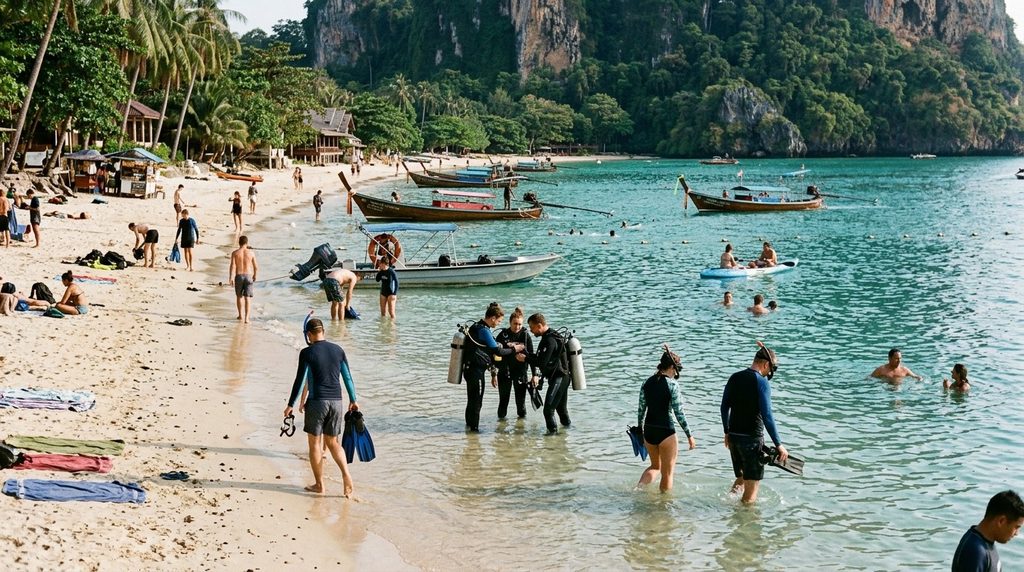
Grenada Island is an appealing destination for travelers who enjoy exploring the sea. Its coastal waters offer opportunities for snorkeling, scuba diving, sailing, kayaking, paddleboarding, and boat excursions.
Molinere Underwater Sculpture Park
The Molinere Underwater Sculpture Park is one of Grenada’s most distinctive attractions. Located beneath the sea, it features sculptures that have become part of the marine environment.
Visitors can explore the site through snorkeling or scuba diving, depending on conditions and tour arrangements. The sculptures are not only artistic attractions but also form part of an underwater environment where marine life can be observed.
Snorkeling
Snorkeling is available at several beaches and coastal areas. Calm bays may be suitable for beginners, while boat trips can take visitors to reefs and underwater sites farther from shore.
Travelers should use reef-conscious practices, including avoiding contact with coral and not feeding marine animals.
Sailing and Boat Tours
Boat excursions provide another way to appreciate Grenada’s coastline. Trips may include swimming stops, snorkeling, sunset views, or visits to nearby islands.
Kayaking and Paddleboarding
These activities can be enjoyable in sheltered waters, especially when the sea is calm. Beginners should choose reputable operators and pay attention to weather and safety instructions.
Where to Stay in Grenada Island
Accommodation in Grenada Island ranges from large resorts and boutique hotels to guesthouses, apartments, villas, and small locally operated properties. The best area depends on the type of holiday you want.
Grand Anse and Morne Rouge
These areas are suitable for travelers who want easy access to beaches, restaurants, shops, and organized tours. They are convenient for first-time visitors and those who prefer having services nearby.
St. George’s
St. George’s is a good option for travelers interested in history, harbor views, local restaurants, and town life. Staying here can make it easier to explore the capital on foot.
Lance aux Épines
Lance aux Épines offers a quieter residential and coastal atmosphere. It may appeal to visitors looking for villas, peaceful surroundings, and access to waterfront areas.
Eastern and Northern Grenada
Travelers seeking a more secluded experience may consider accommodation outside the main southwestern tourism zone. These areas can offer a stronger connection to rural landscapes and local communities, though transportation and dining options may be more limited.
| Area | Atmosphere | Suitable For |
| Grand Anse | Beach-focused and convenient | First-time visitors and families |
| Morne Rouge | Quieter coastal setting | Couples and relaxed beach holidays |
| St. George’s | Historic, lively, and central | Culture lovers and short stays |
| Lance aux Épines | Peaceful and residential | Villas and longer vacations |
| Northern Grenada | Rural and less developed | Travelers seeking quiet surroundings |
| Eastern Grenada | Scenic and locally oriented | Nature lovers and independent explorers |
Getting Around and Planning Your Trip
Grenada Island is manageable to explore, but transportation planning can make a significant difference. Roads may be narrow, winding, or steep, particularly in mountainous areas. Driving times can also be longer than expected because of road conditions and terrain.
Rental Cars
Renting a car offers flexibility for travelers who want to visit beaches, waterfalls, villages, and viewpoints independently. Drivers should be comfortable with local road conditions and confirm the requirements for driving legally in Grenada.
Taxis
Taxis are commonly used by visitors, especially for airport transfers, resort transportation, and organized sightseeing. It is wise to confirm fares before beginning a journey.
Buses
Local buses can be an affordable way to travel between populated areas. However, routes and schedules may not always suit travelers with tight sightseeing plans.
Guided Tours
Guided tours can be useful for visitors who prefer not to drive. A knowledgeable local guide may also provide cultural context and help arrange visits to waterfalls, spice estates, historic sites, and coastal attractions.
Practical Planning Tips
- Carry comfortable shoes for uneven paths and rainforest trails.
- Bring reef-safe sunscreen, insect repellent, and a reusable water bottle.
- Keep light rain protection available because tropical showers can arrive quickly.
- Carry some local currency for small vendors and transport.
- Confirm opening hours and tour schedules before visiting attractions.
- Allow extra travel time for mountain roads.
- Respect local customs, private property, and environmental guidelines.
- Keep valuables secure, especially at busy markets and beaches.
Best Time to Visit Grenada Island
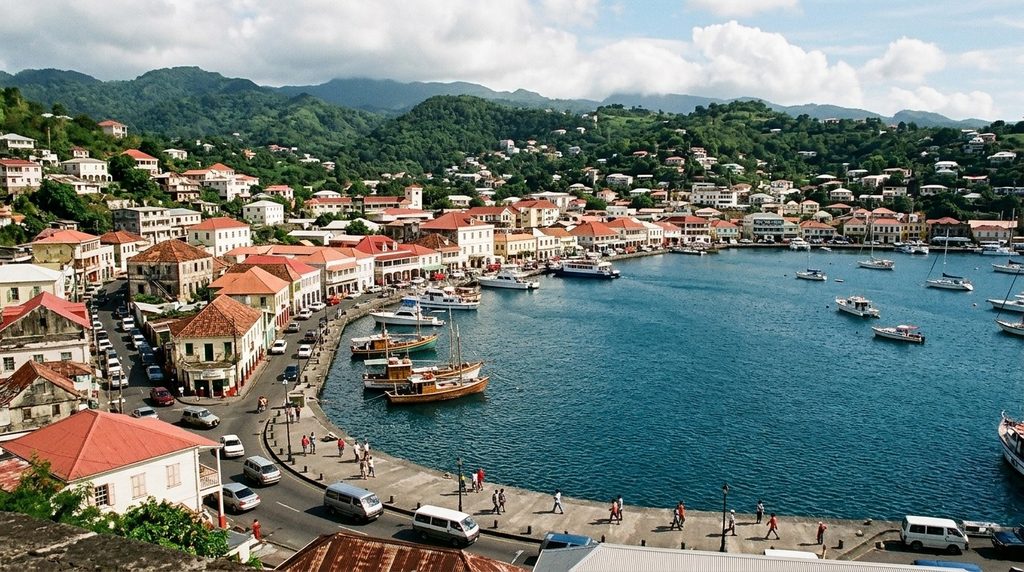
Grenada Island has a tropical climate throughout the year, with warm temperatures and seasonal variations in rainfall and weather conditions. The best time to visit depends on your priorities, budget, and tolerance for rain or busier travel periods.
The drier season is often preferred by travelers seeking beach days, hiking, sightseeing, and outdoor activities. This period can also attract more visitors, so accommodation prices and availability may vary.
The wetter season can bring more frequent rain, but it may also offer greener landscapes and fewer crowds. Rain showers are not always continuous, and many travelers still enjoy visiting during this time.
Hurricane season in the wider Caribbean is generally considered a period when weather planning deserves extra attention. Travelers should monitor forecasts, review flexible booking policies, and consider travel insurance that covers relevant disruptions.
Seasonal Planning Guide
- Dry-season travel: Often suitable for beach holidays, hiking, and sightseeing.
- Green-season travel: Appealing for rainforest scenery and potentially quieter conditions.
- Festival periods: Useful for visitors interested in music, culture, and local celebrations.
- Holiday periods: May be busier, so early accommodation planning is recommended.
Grenada’s annual cultural events, including carnival celebrations, can add energy and color to a visit. Dates may change from year to year, so travelers should check official event information before making plans.
FAQs
Is Grenada Island good for a vacation?
Yes, Grenada Island is suitable for beach holidays, nature trips, romantic escapes, family vacations, and cultural travel. It combines beaches, rainforests, waterfalls, historic sites, and local food in one destination.
What is Grenada Island famous for?
Grenada Island is famous for its spices, especially nutmeg and mace, as well as Grand Anse Beach, tropical landscapes, St. George’s harbor, and the Molinere Underwater Sculpture Park.
How many days are enough for Grenada Island?
A stay of five to seven days allows many travelers to enjoy the main beaches, explore St. George’s, visit waterfalls, try local food, and take part in at least one outdoor or water activity.
Is Grenada Island expensive to visit?
Grenada can be visited on different budgets. Accommodation, transportation, dining, and tours vary in price. Travelers can manage costs by choosing local restaurants, booking accommodation early, and combining free outdoor attractions with paid activities.
What should travelers not miss in Grenada?
Important experiences include visiting Grand Anse Beach, exploring St. George’s, seeing a rainforest waterfall, tasting oil down, discovering local spices, and visiting the underwater sculpture park if conditions and interests allow.
Conclusion:
Grenada Island offers a refreshing Caribbean experience shaped by beautiful beaches, green mountains, historic towns, and a strong spice-growing heritage. From the colorful streets of St. George’s to the peaceful shores of Grand Anse and the island’s rainforest waterfalls, every part of the destination offers a different way to enjoy its natural and cultural character.
For travelers seeking more than a typical beach holiday, Grenada Island provides opportunities for adventure, relaxation, food discovery, and meaningful cultural experiences. With thoughtful planning and time to explore beyond the main resort areas, a trip to Grenada can become a memorable Caribbean escape filled with scenery, warmth, and island charm.
Read more:Bermuda Islands: A Beautiful Escape to Pink Beaches, Clear Waters, and Island Charm