
America is home to some of the world’s most remarkable ancient landmarks, yet many travelers only think of famous ruins in Europe, Egypt, or South America. Long before modern cities existed, Indigenous civilizations across North America built impressive cliff dwellings, ceremonial earthworks, massive pueblos, and sacred rock art that continue to amaze visitors today.
If you’re fascinated by archaeology, history, or unique road trips, exploring My 9 Favorite Ancient Sites In America That Rival Others Around The World | TravelAwaits offers an unforgettable journey through thousands of years of human history. These destinations showcase extraordinary engineering, cultural traditions, and breathtaking landscapes that rival many of the world’s most famous ancient sites.
Whether you’re planning a Southwest adventure, visiting national parks, or simply love learning about America’s rich heritage, this guide highlights nine incredible places that deserve a spot on every travel bucket list.
Quick Answer
What are the best ancient sites in America?
The best ancient sites in America include:
- Hopewell Ceremonial Earthworks (Ohio)
- Chaco Culture National Historical Park (New Mexico)
- Mesa Verde National Park (Colorado)
- Aztec Ruins National Monument (New Mexico)
- Gila Cliff Dwellings (New Mexico)
- Palo Duro Canyon State Park (Texas)
- Tonto National Monument (Arizona)
- Petrified Forest National Park (Arizona)
- Newspaper Rock (Utah)
Each destination preserves thousands of years of Native American history, archaeological treasures, and cultural significance that rival famous ancient landmarks around the globe.
Why These Ancient American Sites Deserve Worldwide Recognition
Many travelers spend thousands of dollars visiting Machu Picchu, Stonehenge, or the Egyptian pyramids without realizing that the United States is filled with equally fascinating archaeological treasures.
The destinations featured in My 9 Favorite Ancient Sites In America That Rival Others Around The World | TravelAwaits reveal more than beautiful scenery—they tell the story of Native American civilizations that flourished for centuries before European settlement.
From mysterious ceremonial earthworks aligned with the moon to towering cliff dwellings carved into canyon walls, these historic places demonstrate remarkable architectural skill, spiritual traditions, and environmental knowledge.
These sites are ideal for:
- History enthusiasts
- National park travelers
- Road trip lovers
- Families
- Archaeology fans
- Photography enthusiasts
- Outdoor adventurers
Comparison Table of America’s Ancient Sites
| Ancient Site | State | Estimated Age | Famous For | Best Time to Visit |
| Hopewell Ceremonial Earthworks | Ohio | 2,000+ years | Massive earthworks | Spring & Fall |
| Chaco Culture National Historical Park | New Mexico | 1,000+ years | Ancient Pueblo complex | Spring |
| Mesa Verde National Park | Colorado | 700–800 years | Cliff Palace | May–September |
| Aztec Ruins National Monument | New Mexico | 900 years | Great Kiva | Spring & Autumn |
| Gila Cliff Dwellings | New Mexico | 700 years | Cliff homes | Spring |
| Palo Duro Canyon State Park | Texas | 12,000+ years of human history | Ancient artifacts | Fall |
| Tonto National Monument | Arizona | 700 years | Salado cliff dwellings | Winter |
| Petrified Forest National Park | Arizona | 13,000+ years of human history | Petrified wood & archaeology | Spring |
| Newspaper Rock | Utah | 2,000 years | Petroglyphs | Spring & Fall |
Hopewell Ceremonial Earthworks (Ohio)
A Remarkable Ancient Engineering Achievement
Among the oldest archaeological landmarks in North America, Hopewell Ceremonial Earthworks demonstrates the incredible engineering abilities of Indigenous cultures that lived more than 2,000 years ago.
Rather than building stone temples, the Hopewell people carefully shaped enormous geometric earthworks by hand. These ceremonial landscapes continue to puzzle archaeologists because of their astronomical precision and cultural significance.
The famous Octagon Earthworks align with the movements of the moon, showing an impressive understanding of astronomy long before modern scientific tools existed.
Why Visit?
- Massive geometric earthworks
- Rich Native American history
- UNESCO World Heritage significance
- Excellent visitor centers
- Peaceful walking trails
Travel Tips
✔ Visit during spring or autumn for comfortable weather.
✔ Join a guided tour to better understand the site’s fascinating history.
✔ Allow two to three hours to explore the surrounding earthworks.
Chaco Culture National Historical Park (New Mexico)
America’s Ancient City in the Desert
Deep within the deserts of northwestern New Mexico lies one of the most extraordinary archaeological sites in North America.
Chaco Culture National Historical Park served as a major cultural, trading, and ceremonial center for the Ancestral Puebloan people between AD 850 and 1250. Massive stone buildings, ceremonial kivas, and sophisticated road systems reveal an advanced society that once connected communities across the Southwest.
One of the park’s most famous structures is Pueblo Bonito, a multi-story complex with hundreds of interconnected rooms that continues to impress historians and visitors alike.
Highlights
- Pueblo Bonito
- Ancient ceremonial kivas
- UNESCO World Heritage Site
- Incredible night sky for stargazing
- Scenic desert landscapes
Visitor Tips
✔ Bring plenty of water because shade is extremely limited.
✔ Roads leading into the park can be rough after rain, so check weather conditions before your visit.
✔ Stay after sunset for one of America’s best Dark Sky experiences.
Best of North America on Travellerspoint: 25 Incredible Destinations & Ultimate Travel Guide (2026)
Mesa Verde National Park (Colorado)
Discover America’s Most Famous Cliff Dwellings
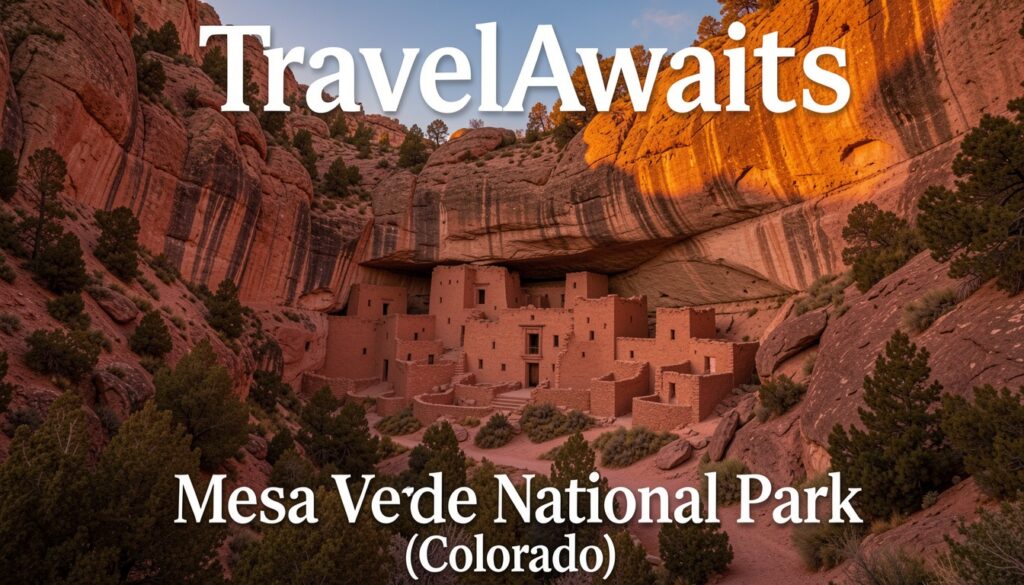
No list of My 9 Favorite Ancient Sites In America That Rival Others Around The World | TravelAwaits would be complete without Mesa Verde National Park. This UNESCO World Heritage Site protects one of the largest collections of ancestral Puebloan archaeological sites in North America.
Founded over 700 years ago, Mesa Verde was home to thousands of people who built remarkable stone villages into the cliffs. These homes provided shelter, security, and a close connection to the surrounding landscape. Today, visitors can explore ancient dwellings, museums, scenic overlooks, and hiking trails that reveal the ingenuity of the people who once lived here.
The park contains more than 5,000 archaeological sites, including nearly 600 cliff dwellings, making it one of America’s greatest cultural treasures.
Why Mesa Verde Is So Special
- UNESCO World Heritage Site
- Over 5,000 archaeological sites
- Famous Cliff Palace
- Ancient kivas and ceremonial rooms
- Incredible canyon viewpoints
- Ranger-guided tours available
Must-See Attractions
Cliff Palace
The park’s most iconic attraction, Cliff Palace, contains around 150 rooms and dozens of kivas built directly into a massive sandstone alcove.
Balcony House
This adventurous tour includes climbing ladders and crawling through narrow tunnels, offering visitors a unique look into ancient Pueblo life.
Spruce Tree House
Although access may vary due to preservation efforts, it remains one of the park’s best-preserved cliff dwellings.
Travel Tips
✔ Book ranger-guided tours in advance during summer.
✔ Plan a full day because attractions are spread across the park.
✔ Wear sturdy walking shoes.
✔ Bring water and sun protection.
Quick Facts
| Feature | Details |
| State | Colorado |
| UNESCO Site | Yes |
| Estimated Age | AD 600–1300 |
| Famous For | Cliff Palace & cliff dwellings |
| Recommended Visit | Full Day |
Aztec Ruins National Monument (New Mexico)
An Ancient Pueblo Worth Exploring
Despite its name, Aztec Ruins National Monument was actually built by the Ancestral Puebloan people rather than the Aztecs of Mexico. The name was given by early settlers who mistakenly believed the structures belonged to the Aztec civilization.
Today, the monument protects beautifully preserved masonry buildings, ceremonial kivas, and a fascinating museum that introduces visitors to the region’s ancient history.
Walking through these stone corridors feels like stepping back nearly a thousand years into a thriving Native American community.
Top Attractions
- Great Kiva reconstruction
- Multi-story stone rooms
- Self-guided walking trail
- Visitor museum
- Ancient architecture
Why You Should Visit
The site is less crowded than many famous national parks, allowing visitors to enjoy a peaceful archaeological experience while learning about Puebloan culture.
Its restored Great Kiva offers one of the best opportunities to understand ceremonial life in the ancient Southwest.
Visitor Tips
✔ Visit during spring or fall for cooler temperatures.
✔ Combine your trip with nearby archaeological sites.
✔ Allow at least two hours for exploring.
Ancient Site Comparison
| Attraction | Difficulty | Family Friendly | Photography |
| Mesa Verde | Moderate | ⭐⭐⭐⭐⭐ | ⭐⭐⭐⭐⭐ |
| Aztec Ruins | Easy | ⭐⭐⭐⭐⭐ | ⭐⭐⭐⭐ |
Gila Cliff Dwellings (New Mexico)
Hidden Ancient Homes in a Remote Wilderness
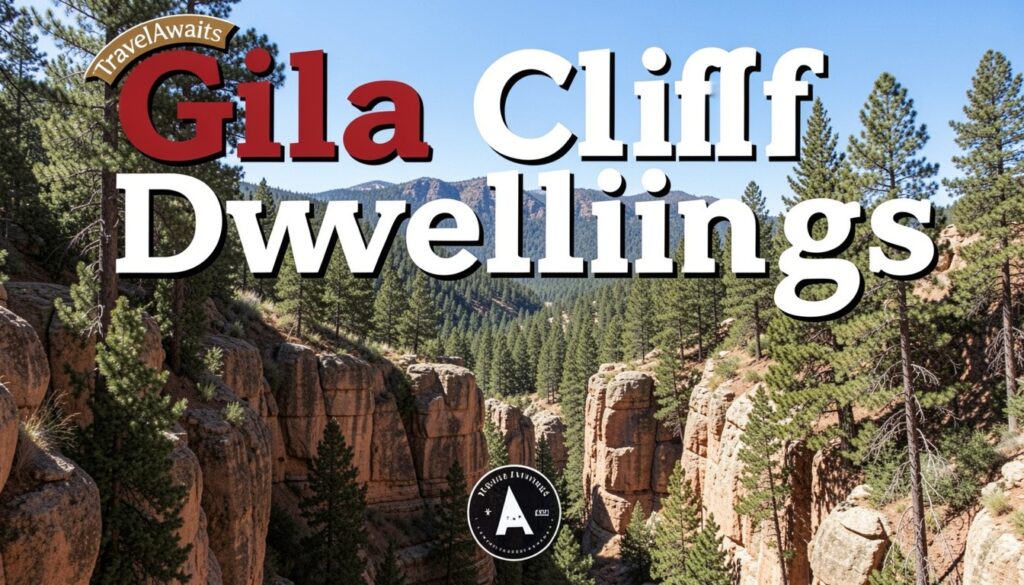
Among all destinations featured in My 9 Favorite Ancient Sites In America That Rival Others Around The World | TravelAwaits, Gila Cliff Dwellings feels like one of America’s best-kept secrets.
Located deep inside the Gila Wilderness, these remarkably preserved homes were built by the Mogollon people during the late 1200s. Protected by natural caves high above the valley floor, the dwellings remain one of the Southwest’s most impressive archaeological discoveries.
Unlike many reconstructed archaeological sites, visitors can still observe original rooms, smoke-blackened ceilings, storage spaces, and architectural details that tell the story of daily life centuries ago.
The surrounding forest, mountains, and rivers create an unforgettable combination of history and natural beauty.
Why Travelers Love Gila Cliff Dwellings
- Less crowded than other national parks
- Beautiful mountain scenery
- Authentic archaeological experience
- Excellent ranger programs
- Scenic hiking opportunities
Highlights
Ancient Living Rooms
Visitors can walk through several preserved rooms that once housed entire families.
Scenic Hiking Trail
A short but rewarding trail leads through canyons before reaching the cliff dwellings.
Wildlife Watching
The surrounding Gila National Forest is home to elk, deer, birds, and many native plant species.
Visitor Tips
✔ Drive carefully on winding mountain roads.
✔ Visit early in the morning for cooler temperatures.
✔ Carry water and comfortable hiking shoes.
✔ Check weather conditions before traveling.
Comparison Table
| Site | Best For | Crowds | Walking Difficulty |
| Mesa Verde | Historic architecture | High | Moderate |
| Aztec Ruins | Easy exploration | Low | Easy |
| Gila Cliff Dwellings | Adventure & scenery | Very Low | Moderate |
Why These Three Sites Should Be on Every Traveler’s Bucket List
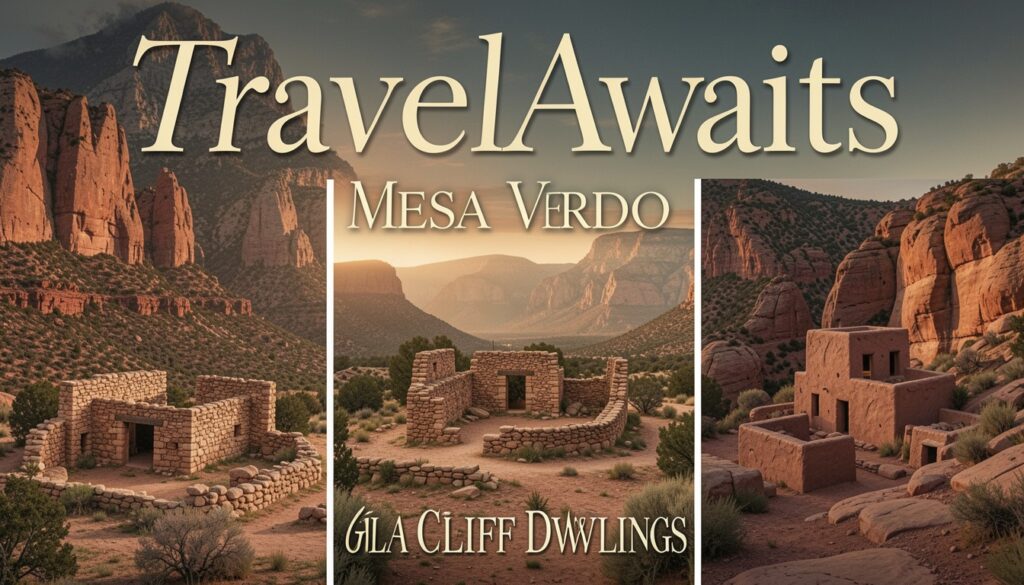
These remarkable destinations demonstrate the incredible diversity of ancient America. From the towering cliff homes of Mesa Verde to the ceremonial architecture of Aztec Ruins and the secluded beauty of Gila Cliff Dwellings, each location offers a unique window into the lives, culture, and achievements of Indigenous peoples.
Visiting these sites isn’t just about sightseeing—it’s an opportunity to connect with thousands of years of history, appreciate remarkable craftsmanship, and gain a deeper understanding of the civilizations that shaped the American Southwest.
Palo Duro Canyon State Park (Texas)
A Canyon Where Ancient History Meets Natural Beauty
While many travelers visit Palo Duro Canyon for its breathtaking landscapes, few realize it is also one of the oldest continuously inhabited regions in North America. Archaeological evidence shows that humans have lived here for more than 12,000 years, making it a remarkable stop in My 9 Favorite Ancient Sites In America That Rival Others Around The World | TravelAwaits.
Known as the “Grand Canyon of Texas,” Palo Duro Canyon stretches approximately 120 miles long and reaches depths of over 800 feet. Ancient Indigenous tribes used the canyon for hunting, trading, gathering plants, and seasonal shelter long before European explorers arrived.
Today, visitors can explore hiking trails, scenic drives, historical exhibits, and an interpretive center that tells the story of the canyon’s earliest inhabitants.
Why Visit Palo Duro Canyon?
- Second-largest canyon in the United States
- Over 12,000 years of human history
- Excellent hiking and camping
- Beautiful sunrise and sunset photography
- Rich Native American heritage
Top Experiences
Explore the Visitor Center
Learn about ancient artifacts, fossils, and the cultures that once called the canyon home.
Hike Historic Trails
Many modern hiking routes follow paths originally traveled by Native American communities.
Camp Beneath the Canyon Walls
Camping inside the canyon offers unforgettable stargazing and sunrise views.
Travel Tips
✔ Visit during spring or autumn for pleasant temperatures.
✔ Carry plenty of drinking water.
✔ Wear sturdy hiking shoes.
✔ Arrive early to avoid afternoon heat.
Quick Facts
| Feature | Details |
| State | Texas |
| Estimated Human History | 12,000+ years |
| Best Activity | Hiking & Scenic Drives |
| Difficulty | Easy to Moderate |
| Recommended Stay | Full Day |
Map Your Trip Itinerary Travellerspoint: 15 Expert Planning Tips for a Perfect Journey (2026)
Tonto National Monument (Arizona)
Ancient Cliff Homes Above the Desert
Perched high above Roosevelt Lake, Tonto National Monument preserves two remarkably well-preserved cliff dwellings built by the Salado people around the late 1200s.
Unlike larger archaeological parks, Tonto offers a quieter and more intimate experience. Visitors can hike to the Lower Cliff Dwelling and admire beautifully preserved stone rooms overlooking the desert valley.
The surrounding Sonoran Desert landscape adds to the site’s beauty, making it one of Arizona’s hidden historical gems.
Highlights
- Ancient Salado cliff dwellings
- Scenic desert mountain views
- Educational visitor center
- Beautiful hiking trail
- Roosevelt Lake overlooks
Why It’s Worth Visiting
Tonto National Monument combines archaeology with spectacular scenery. The hike is relatively short, making it suitable for most visitors while still offering rewarding panoramic views.
Visitor Tips
✔ Visit between November and April.
✔ Bring water even during winter.
✔ Wear sun protection.
✔ Reserve guided tours when available.
Comparison Table
| Attraction | Walking | Family Friendly | Scenic Views |
| Palo Duro Canyon | Moderate | ⭐⭐⭐⭐⭐ | ⭐⭐⭐⭐⭐ |
| Tonto National Monument | Easy | ⭐⭐⭐⭐ | ⭐⭐⭐⭐⭐ |
Petrified Forest National Park (Arizona)
Where Ancient Trees and Ancient Cultures Meet
Petrified Forest National Park is unlike any other destination in America. While famous for its colorful fossilized trees dating back millions of years, the park also preserves thousands of years of human history.
Evidence shows that people have lived in this region for over 13,000 years, leaving behind petroglyphs, pottery fragments, ancient villages, and archaeological sites that provide valuable insights into early Native American cultures.
Walking through this landscape feels like traveling through both geological and human history at the same time.
Top Attractions
- Petrified wood deposits
- Painted Desert
- Agate House
- Petroglyph Plaza
- Ancient Pueblo sites
Why Travelers Love It
The park offers an incredible combination of natural wonders and archaeological discoveries, making it ideal for families, photographers, and history enthusiasts.
Travel Tips
✔ Visit early morning for photography.
✔ Never remove petrified wood.
✔ Carry plenty of water.
✔ Stop at multiple overlooks.
Quick Facts
| Feature | Details |
| State | Arizona |
| Human History | 13,000+ years |
| Famous For | Petrified Wood & Archaeology |
| UNESCO Site | No |
| Recommended Visit | One Full Day |
Newspaper Rock (Utah)
A 2,000-Year-Old Story Carved in Stone
The final destination in My 9 Favorite Ancient Sites In America That Rival Others Around The World | TravelAwaits is one of America’s most fascinating examples of ancient rock art.
Located near Canyonlands National Park, Newspaper Rock features more than 650 petroglyphs carved into a massive sandstone wall over approximately 2,000 years.
The carvings include animals, hunting scenes, human figures, footprints, symbols, and mysterious designs whose meanings remain debated today.
Because multiple generations added carvings over centuries, Newspaper Rock serves as an extraordinary visual record of ancient cultures.
Why Visit Newspaper Rock?
- Over 650 ancient petroglyphs
- Easy roadside access
- Incredible photography opportunities
- Rich Native American history
- Excellent stop during a Utah road trip
Best Time to Visit
Morning and late afternoon provide the best lighting for viewing the detailed carvings.
Visitor Tips
✔ Never touch the petroglyphs.
✔ Stay on designated viewing areas.
✔ Bring binoculars for detailed viewing.
✔ Pair your visit with Canyonlands National Park.
Final Comparison Table
| Ancient Site | State | Best For | Recommended Visit |
| Palo Duro Canyon | Texas | Hiking & History | Full Day |
| Tonto National Monument | Arizona | Cliff Dwellings | Half Day |
| Petrified Forest National Park | Arizona | Archaeology & Nature | Full Day |
| Newspaper Rock | Utah | Petroglyphs | 1–2 Hours |
Why These Final Four Sites Complete the Journey
The last four destinations in My 9 Favorite Ancient Sites In America That Rival Others Around The World | TravelAwaits showcase the incredible diversity of America’s ancient heritage. From the vast landscapes of Palo Duro Canyon to the cliff homes of Tonto National Monument, the fossil-rich wonders of Petrified Forest National Park, and the timeless petroglyphs of Newspaper Rock, each site tells a unique story of Indigenous history, resilience, and innovation.
Together with the first five locations, these nine ancient sites reveal that the United States is home to archaeological treasures that truly rival many of the world’s most celebrated historic landmarks.
Ancient Site Travel Planning Checklist
Use this checklist before setting off to explore My 9 Favorite Ancient Sites In America That Rival Others Around The World | TravelAwaits. A little preparation will help you enjoy these historic destinations safely while respecting their cultural importance.
✔ Before You Go
| Task | Completed |
| Research park hours and seasonal closures | ☐ |
| Reserve ranger-guided tours if required | ☐ |
| Check road and weather conditions | ☐ |
| Download offline maps | ☐ |
| Book nearby accommodations | ☐ |
| Pack hiking shoes | ☐ |
| Carry reusable water bottles | ☐ |
| Bring sunscreen and a hat | ☐ |
| Charge cameras and power banks | ☐ |
| Learn basic cultural etiquette | ☐ |
Pros and Cons of Visiting Ancient Sites in America
| Pros | Cons |
| Incredible Native American history | Some locations are remote |
| Amazing photography opportunities | Limited mobile signal in many parks |
| Family-friendly educational experiences | Desert heat can be intense |
| Scenic hiking and outdoor adventures | Guided tours may require reservations |
| Less crowded than many international landmarks | Some roads are unpaved |
| Affordable compared to overseas travel | Facilities are limited in remote areas |
| Rich cultural heritage | Walking may be required |
Top Favorite U.S. States: 15 Most Loved States to Visit and Live in 2026
Common Mistakes to Avoid
Even experienced travelers can make mistakes when visiting archaeological sites. Avoid these common errors to help protect these remarkable places for future generations.
Visiting During the Hottest Part of the Day
Many ancient sites are located in desert environments where afternoon temperatures can become dangerous, especially during summer.
Better Choice: Start your visit early in the morning.
Underestimating Walking Distances
Although some ruins appear close together, many parks require considerable walking over uneven terrain.
Better Choice: Wear comfortable hiking shoes and carry enough water.
Ignoring Weather Forecasts
Heavy rain can make dirt roads difficult or impossible to drive, especially at Chaco Culture National Historical Park and Gila Cliff Dwellings.
Better Choice: Always check weather updates before departing.
Touching Ancient Structures
Ancient walls, petroglyphs, and artifacts are extremely fragile.
Better Choice: Observe from designated viewing areas and never climb on ruins
Removing Rocks or Artifacts
Taking pottery pieces, petrified wood, or historic objects is illegal in national parks and damages archaeological research.
Better Choice: Leave everything exactly where you found it.
Forgetting Sun Protection
Many archaeological parks offer little natural shade.
Bring:
- Wide-brim hat
- Sunglasses
- Sunscreen
- Lightweight clothing
Rushing Through the Visit
Many travelers spend only an hour at major sites.
Instead:
- Visit museums.
- Join ranger talks.
- Read interpretive signs.
- Explore nearby trails.
You’ll leave with a much richer understanding of America’s ancient cultures.
Expert Travel Tips
As a travel blogger and history enthusiast, these tips can help you make the most of your journey through My 9 Favorite Ancient Sites In America That Rival Others Around The World | TravelAwaits.
Plan Around the Seasons
The Southwest is most enjoyable during:
- March–May
- September–November
These months usually offer pleasant temperatures and ideal hiking conditions.
Arrive Early
Morning visits provide:
- Cooler temperatures
- Better lighting for photography
- Smaller crowds
- Improved wildlife viewing
Join Ranger Programs
National Park Service rangers share fascinating stories that aren’t available on signs alone. Guided walks often reveal historical details, cultural traditions, and archaeological discoveries that greatly enrich your visit.
Respect Indigenous Heritage
Remember that many of these locations remain sacred to Native American tribes today.
Always:
- Stay on marked trails.
- Follow park rules.
- Avoid disturbing cultural features.
- Practice Leave No Trace principles.
Bring Binoculars
Many cliff dwellings and rock art panels are easier to appreciate with binoculars, allowing you to see architectural details without approaching fragile structures.
Combine Nearby Destinations
Maximize your road trip by visiting several attractions in one region.
| Region | Suggested Stops |
| New Mexico | Chaco Culture, Aztec Ruins, Gila Cliff Dwellings |
| Arizona | Tonto National Monument, Petrified Forest National Park |
| Colorado | Mesa Verde National Park |
| Utah | Newspaper Rock, Canyonlands National Park |
| Texas | Palo Duro Canyon State Park |
Suggested Internal Linking Opportunities
To strengthen SEO and improve user experience on your travel website, consider linking this article to related content such as:
- Best National Parks in the USA
- Ultimate Southwest USA Road Trip Guide
- Best UNESCO World Heritage Sites in America
- Famous Native American Historic Sites
- Best Scenic Drives in Arizona
- Top Things to Do in New Mexico
- Complete Guide to Mesa Verde National Park
- Best Hiking Trails in Colorado
- Family-Friendly Historical Attractions in the USA
- Best Hidden Travel Destinations in America
Suggested External Authority Sources
For research, trip planning, and accurate historical information, refer to these trusted organizations (do not insert links within the article):
- National Park Service (NPS)
- UNESCO World Heritage Centre
- U.S. Forest Service
- Bureau of Land Management (BLM)
- Smithsonian Institution
- Archaeological Institute of America
- National Geographic
- Library of Congress
- U.S. Geological Survey (USGS)
- State Historic Preservation Offices
FAQs
What are the oldest ancient sites in America?
Some of the oldest ancient sites in America include Hopewell Ceremonial Earthworks, Petrified Forest National Park, and Palo Duro Canyon, where archaeological evidence shows humans lived thousands of years ago. These destinations preserve remarkable Native American history and archaeological discoveries.
Which ancient site is best for first-time visitors?
Mesa Verde National Park is often considered the best choice for first-time visitors because it features well-preserved cliff dwellings, excellent visitor facilities, ranger-led tours, and scenic viewpoints.
Are these ancient sites family-friendly?
Yes. Most of the locations featured in My 9 Favorite Ancient Sites In America That Rival Others Around The World | TravelAwaits are suitable for families. Many parks offer educational exhibits, short hiking trails, museums, and guided tours designed for visitors of all ages.
What is the best time of year to visit these sites?
Spring (March–May) and fall (September–November) are generally the best seasons. Cooler temperatures make hiking and sightseeing more comfortable, especially in the Southwest.
Are guided tours available?
Yes. Several destinations, including Mesa Verde National Park, Chaco Culture National Historical Park, and Tonto National Monument, offer ranger-guided tours that provide deeper insight into the history and culture of each site.
Can I photograph the ancient ruins?
Photography is allowed in most areas for personal use. However, visitors should always follow park regulations and avoid touching or climbing on protected archaeological structures.
How much time should I plan for visiting these ancient sites?
The time varies by location:
| Site | Recommended Visit |
| Hopewell Ceremonial Earthworks | 2–3 Hours |
| Chaco Culture National Historical Park | Full Day |
| Mesa Verde National Park | Full Day |
| Aztec Ruins National Monument | 2 Hours |
| Gila Cliff Dwellings | Half Day |
| Palo Duro Canyon State Park | Full Day |
| Tonto National Monument | Half Day |
| Petrified Forest National Park | Full Day |
| Newspaper Rock | 1–2 Hours |
Are these sites protected by the National Park Service?
Many of them are managed by the National Park Service, while others are protected by state or federal agencies to preserve their cultural and historical significance.
Why are these ancient sites important?
These archaeological sites help preserve the history, traditions, architecture, and achievements of Indigenous peoples who lived across North America long before European settlement.
Can I visit multiple sites on one road trip?
Absolutely. Many of these destinations are located in the American Southwest, making it easy to combine several parks into one unforgettable road trip itinerary.
Conclusion
Exploring My 9 Favorite Ancient Sites In America That Rival Others Around The World | TravelAwaits is more than a sightseeing adventure—it’s a journey into America’s rich and diverse past. From the remarkable earthworks of Ohio and the towering cliff dwellings of Colorado to the mysterious petroglyphs of Utah and the breathtaking canyons of Texas, each destination tells a unique story of innovation, resilience, and cultural heritage.
Whether you’re passionate about archaeology, history, photography, or outdoor travel, these ancient landmarks offer unforgettable experiences that rival some of the world’s most celebrated historic sites. They remind us that the United States is home to extraordinary civilizations whose achievements continue to inspire visitors today.
As you plan your next road trip, consider adding one—or all—of these remarkable locations to your travel bucket list. By exploring responsibly and respecting these protected sites, you’ll help preserve their legacy for future generations while creating memories that last a lifetime.
Call to Action
Have you visited any of these incredible ancient sites, or is one of them on your travel bucket list? Share your favorite destination and travel experiences in the comments below. If you found this guide helpful, explore more of our USA travel articles for inspiration on national parks, historic landmarks, scenic road trips, and hidden gems across America