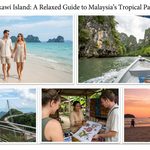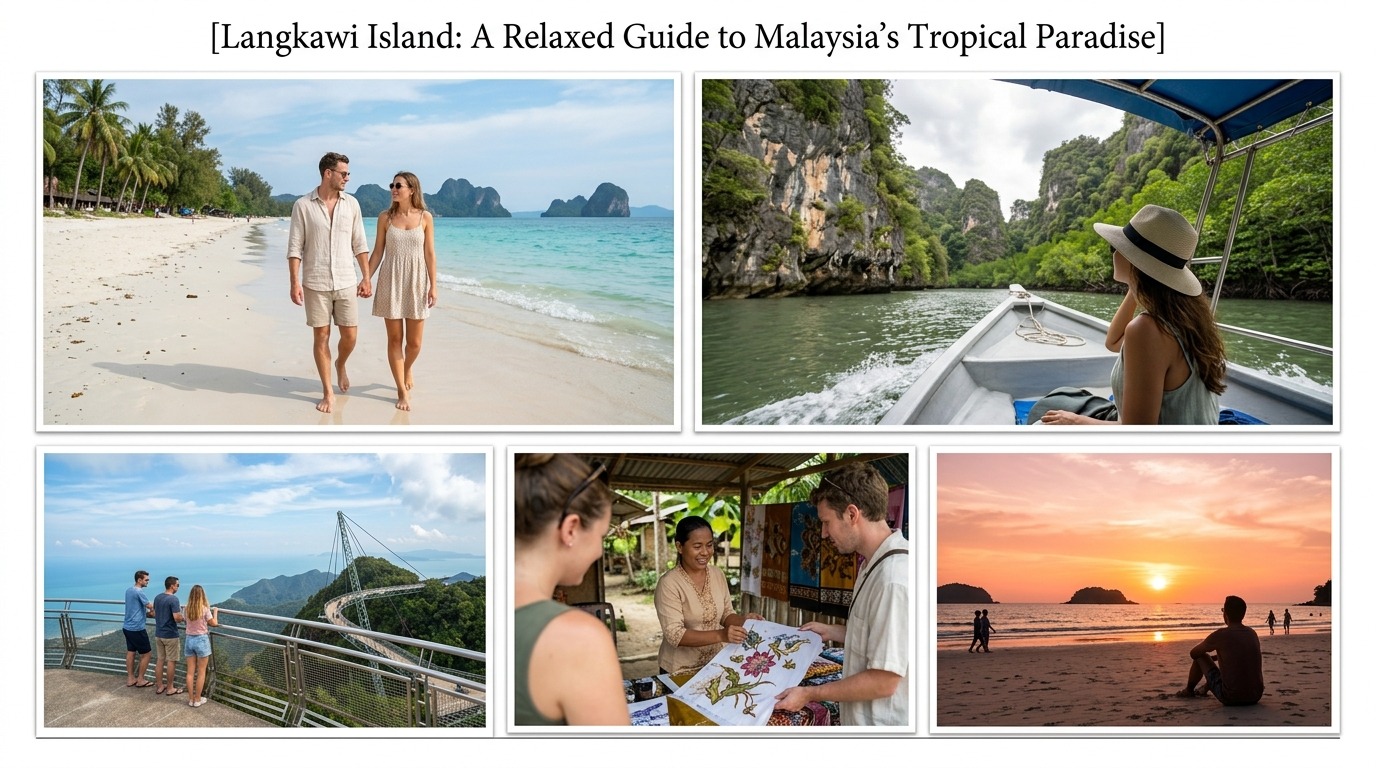
Langkawi Island is one of Malaysia’s most appealing tropical destinations, known for its beaches, green hills, mangrove forests, waterfalls, and calm island atmosphere. Located in the Andaman Sea off the coast of northwestern Malaysia, it offers a comfortable mix of nature, adventure, local culture, and seaside relaxation. You can spend a morning riding a cable car into the mountains, an afternoon swimming at the beach, and an evening enjoying fresh seafood by the water.
What makes Langkawi special is how easy it is to combine different experiences in one trip. The island has enough attractions for adventurous travelers, but it also works beautifully for families, couples, and anyone who simply wants a few quiet days near the sea. From the famous Sky Bridge and Kilim Karst Geoforest Park to Pantai Cenang and traditional villages, Langkawi Island gives you plenty to explore without making your holiday feel rushed.
Where Is Langkawi Island?
Langkawi Island is part of the Langkawi archipelago in Kedah, Malaysia. The main island sits in the Andaman Sea, close to Thailand’s southern coastline.
Although people often refer to the destination simply as Langkawi, the archipelago consists of numerous islands and islets. The main island is where most visitors stay because it has the largest selection of hotels, restaurants, attractions, transportation, and tourist services.
Langkawi is also a UNESCO Global Geopark, recognized for its distinctive geological landscapes, forests, mangroves, caves, and coastal environments. This makes the island more than a conventional beach destination.
Its geography is one of its biggest strengths. Beaches are spread around the coastline, while forested hills and mountains rise inland. As a result, visitors can move between coastal and nature-based experiences relatively easily.
Why Visit Langkawi Island?
Langkawi Island is a good choice if you want a tropical holiday without giving up access to sightseeing and outdoor activities.
The island has beaches for relaxing, viewpoints for enjoying wide sea views, waterfalls for nature trips, and mangrove areas for wildlife and boat excursions. There are also cultural attractions, local markets, restaurants, and villages that provide a glimpse beyond the main tourist areas.
Another advantage is flexibility. A traveler who wants an active itinerary can spend several days exploring the island, while someone looking for relaxation can spend most of the trip around a beach resort.
Langkawi also suits different types of travelers. Couples can enjoy sunsets and quiet coastal areas, families can choose attractions and beaches with convenient facilities, and nature lovers can explore the island’s forests and geopark landscapes.
The island’s size makes it possible to see several major attractions without constantly changing hotels. That makes it particularly convenient for travelers who prefer having one comfortable base.
Best Places to Visit on Langkawi Island
Langkawi has several areas worth including in your itinerary, and each has a slightly different character.
Pantai Cenang
Pantai Cenang is one of the island’s busiest tourist areas and a practical choice for first-time visitors. The long beach is surrounded by restaurants, cafés, shops, hotels, and activities.
It is especially convenient if you like having plenty of dining options within walking distance. The area can become lively during the evening, so travelers seeking complete quiet may prefer accommodation farther away.
Pantai Tengah
Just south of Pantai Cenang, Pantai Tengah offers a more relaxed beach setting. It is a useful alternative for travelers who want access to restaurants and tourist facilities without staying directly in the busiest part of Cenang.
Kuah Town
Kuah is Langkawi’s main commercial center. It is not primarily known as a beach destination, but it can be useful for shopping, restaurants, local services, and ferry connections.
Travelers interested in seeing a more everyday side of the island may enjoy spending some time here rather than remaining entirely around the resort areas.
Tanjung Rhu
Tanjung Rhu is known for its beautiful coastline and quieter surroundings. It is a good area for travelers who want a more peaceful beach experience and scenic views.
Kilim
Kilim is the gateway to the island’s famous mangrove and karst landscapes. Boat tours through the Kilim area are among the most popular nature experiences on Langkawi.
Places and Experiences Worth Adding to Your Trip
| Place or experience | Main attraction | Best for |
| Pantai Cenang | Beach, restaurants and activities | First-time visitors |
| Pantai Tengah | Relaxed beach atmosphere | Couples and families |
| Tanjung Rhu | Scenic coastline and quieter surroundings | Peaceful beach days |
| Kuah Town | Shopping and local services | Culture and convenience |
| Kilim Karst area | Mangroves, caves and limestone scenery | Nature lovers |
| Langkawi Sky Bridge | Mountain and sea views | Sightseeing |
| Telaga Tujuh Waterfalls | Forest and waterfall scenery | Outdoor travelers |
You do not need to visit every attraction to have a good holiday. A balanced itinerary usually works better when you leave enough time for the beach and for simply enjoying the island.
Langkawi Beaches and Island Life
Beaches are naturally one of the main reasons people visit Langkawi.
Pantai Cenang is the best-known beach area and offers easy access to restaurants, shops, water activities, and accommodation. It is convenient rather than secluded, making it a practical option for travelers who like having everything nearby.
Pantai Tengah provides another popular coastal area with a somewhat calmer feel. Tanjung Rhu is worth considering if you prefer a more scenic and peaceful setting.
The experience can vary depending on weather, tides, and the time of year. Water conditions are not identical every day, so travelers planning swimming or boat activities should pay attention to local conditions.
Beach days in Langkawi do not have to be complicated. You can swim, walk along the shore, read under the shade, have lunch nearby, and return to the water later in the afternoon.
For families, beaches with easy access to restaurants and facilities can make the day more comfortable. Couples and independent travelers may prefer exploring less developed coastal areas.
Langkawi SkyCab and Sky Bridge
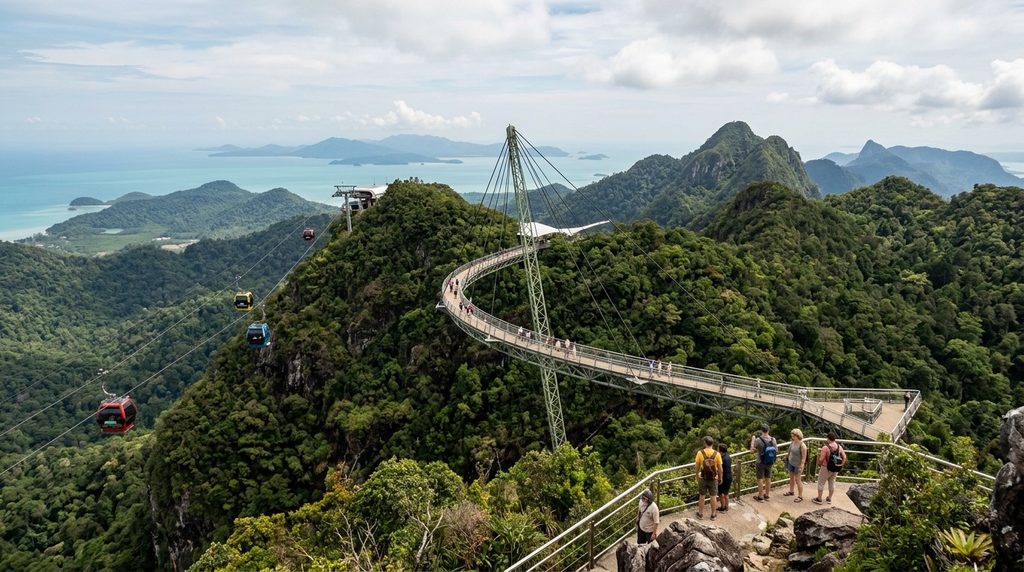
The Langkawi SkyCab is one of the island’s most recognizable attractions and provides access to elevated viewpoints over the surrounding landscape.
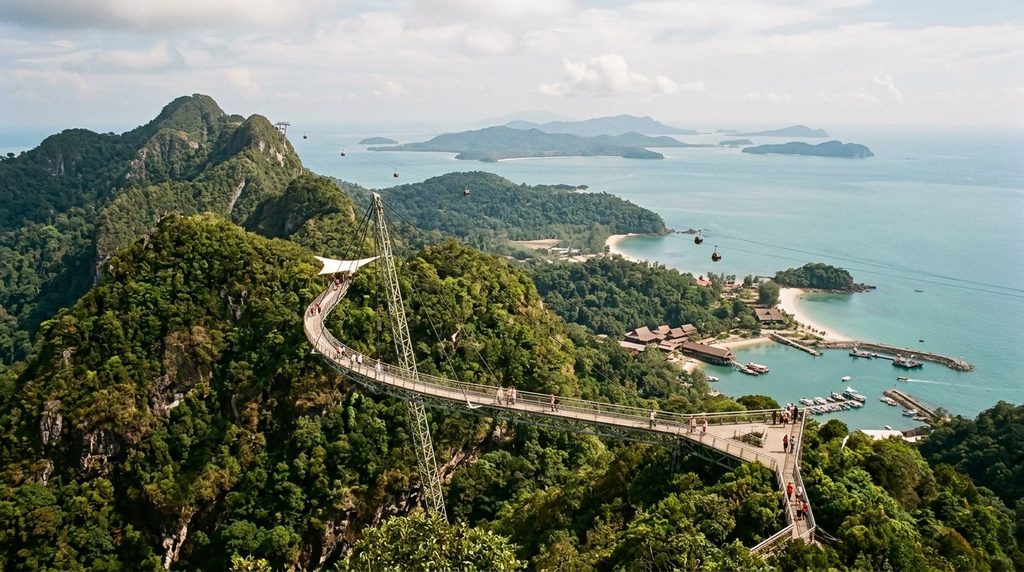
The cable car travels toward the top of Gunung Mat Cincang, giving visitors views across forested mountains, coastline, and nearby islands. At the upper area, the Langkawi Sky Bridge extends across the mountain landscape and offers a dramatic perspective over the surrounding terrain.
The experience is as much about the scenery as the structures themselves. On clear days, the views can stretch across a large area of the island and sea.
Weather matters here. Clouds, rain, or poor visibility can significantly change the experience, so it is sensible to check operating conditions before making the trip.
Because the attraction can be popular, visiting earlier in the day may help you avoid some of the busiest periods. However, opening times and access conditions can change, so check official information close to your travel date.
Kilim Karst Geoforest Park
Kilim Karst Geoforest Park is one of the most distinctive natural attractions on Langkawi Island.
The area is characterized by limestone formations, mangrove forests, waterways, caves, and coastal landscapes. Boat tours are the usual way to explore the area, allowing visitors to travel through narrow waterways and see the scenery from the water.
The mangroves are also an important ecological environment. Depending on the route and conditions, visitors may see birds, fish, monkeys, and other wildlife.
A good tour should be more than a quick ride between attractions. Look for an operator that explains the environment and follows responsible wildlife-viewing practices.
Avoid feeding wild animals or encouraging guides to get unusually close to them. Responsible tourism helps protect the ecosystem that makes the area worth visiting.
For photographers, the combination of limestone cliffs, mangrove roots, open water, and changing light makes this one of the most visually interesting parts of Langkawi.
Waterfalls and Nature Attractions
Langkawi’s interior is greener and more mountainous than the beach areas suggest.
Telaga Tujuh Waterfalls
Telaga Tujuh, often called the Seven Wells Waterfall, is one of the island’s best-known natural attractions. The site is associated with a series of pools and cascades on the slopes of Gunung Mat Cincang.
The area involves walking and steps, so comfortable footwear is advisable. Conditions can also become slippery after rain.
Temurun Waterfall
Temurun Waterfall is another natural attraction in the northern part of the island. It is surrounded by forest and can be included in a wider day exploring the northern coastline.
Water levels vary depending on recent rainfall, so the appearance of waterfalls can change considerably between seasons.
Gunung Raya
Gunung Raya is the highest mountain on Langkawi. The forested mountain provides a different perspective from the island’s coastal attractions and is associated with wildlife and scenic viewpoints.
You do not have to climb every mountain to appreciate Langkawi’s natural landscape. Even driving through the island’s greener interior reveals a side of the destination that many beach-focused visitors miss.
Things to Do in Langkawi Island
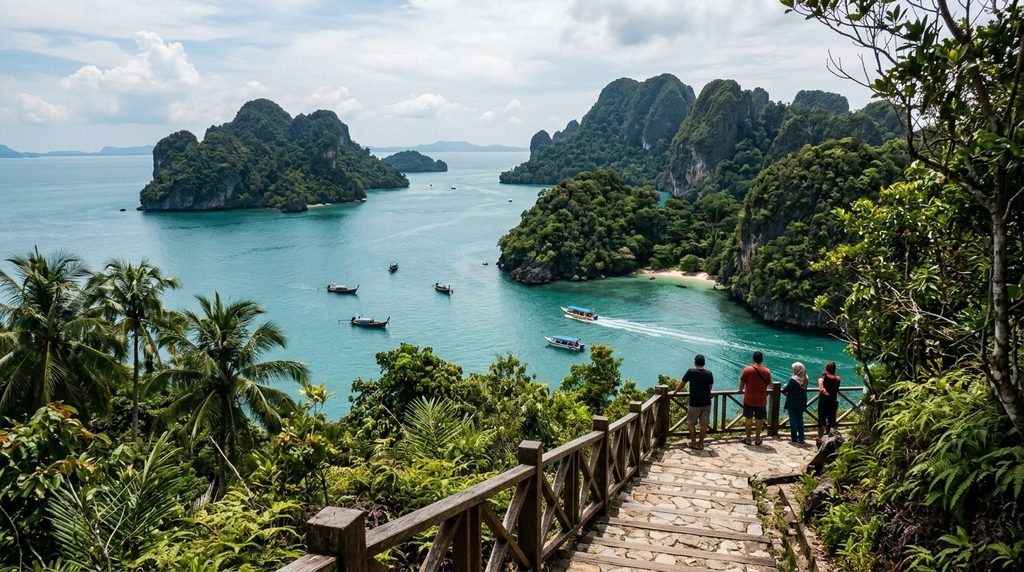
There is enough variety on Langkawi to keep most visitors occupied for several days.
Boat trips are one of the most popular choices, particularly around the mangroves and nearby islands. Depending on the excursion, tours can include sightseeing, swimming, snorkeling, or sunset experiences.
Water sports are also available around the more developed beaches. Options vary by season and operator, so check current safety conditions before participating.
For a slower experience, explore local villages and markets. These areas provide a chance to see everyday island life and discover regional foods and products.
You can also spend an afternoon exploring Kuah Town, particularly if you want to shop or take a break from outdoor activities.
Night markets are another interesting experience. Markets operate in different locations on different days, and schedules can change, so check local information during your stay.
A rental car or scooter can make independent exploration easier, although travelers should only ride if they are comfortable with local traffic and road conditions.
Food to Try in Langkawi
Langkawi’s food scene reflects the broader culinary traditions of Malaysia, with Malay, Chinese, Indian, and regional influences appearing across the island.
Seafood is naturally popular in a coastal destination. Restaurants may offer grilled fish, prawns, squid, and other seafood dishes alongside rice, vegetables, sauces, and local accompaniments.
Travelers should also look for classic Malaysian dishes such as nasi lemak, char kway teow, laksa, satay, and roti canai.
Local night markets can be particularly useful for trying different foods without committing to a full restaurant meal. You may find grilled items, noodles, rice dishes, snacks, desserts, and drinks.
If you are staying near Pantai Cenang, you will have a wide range of dining choices, from casual cafés to restaurants serving international cuisine.
For a more local experience, explore restaurants and food stalls outside the main tourist strip. As always, choose busy food stalls with good turnover and follow normal food-safety precautions.
Where to Stay on Langkawi Island
Where you stay can shape the feel of your holiday.
Pantai Cenang is convenient for first-time visitors who want restaurants, shops, beach access, and plenty of tourist services nearby.
Pantai Tengah is useful for travelers who want a beach location but prefer a somewhat quieter environment.
Tanjung Rhu is better suited to travelers looking for a peaceful coastal escape and scenic surroundings.
Kuah can work well for visitors who prioritize shopping, local services, and ferry connections rather than staying directly on a beach.
| Area | Atmosphere | Best suited to |
| Pantai Cenang | Lively and convenient | First-time visitors |
| Pantai Tengah | Relaxed and coastal | Couples and families |
| Tanjung Rhu | Quiet and scenic | Peaceful getaways |
| Kuah | Commercial and local | Shopping and practical stays |
| Northern Langkawi | Green and less developed | Nature-focused travelers |
| Rural interior | Quiet and surrounded by greenery | Longer stays and road trips |
Luxury resorts are available in several parts of the island, but you can also find mid-range hotels, guesthouses, villas, apartments, and budget accommodation.
During popular travel periods, booking ahead is sensible, especially if you have a specific beach or hotel area in mind.
Getting Around Langkawi
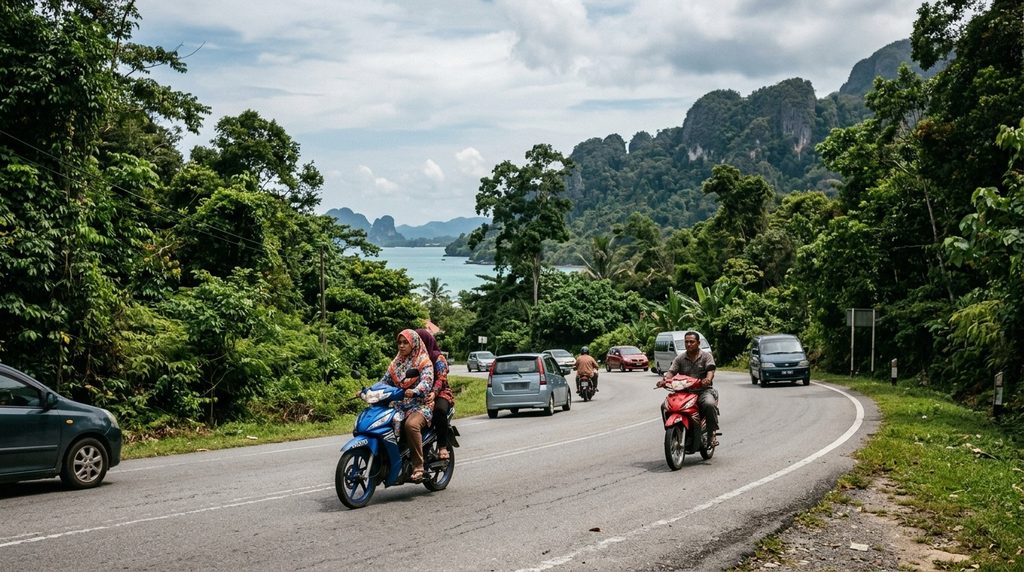
Getting around Langkawi is relatively straightforward, but the best option depends on your travel style.
A rental car gives you the most flexibility. It allows you to visit beaches, waterfalls, villages, viewpoints, and restaurants without relying on fixed schedules.
Motorbikes and scooters are another option for experienced riders. However, visitors should be comfortable with local road conditions and always use appropriate safety equipment.
Taxis and ride-hailing services may be useful for shorter trips, although availability can vary depending on location and time.
For organized excursions such as mangrove tours, transportation may be included depending on the operator.
If you are staying in Pantai Cenang and mainly want to relax at the beach, you may not need transportation every day. If you want to explore the whole island, having your own transport can save time.
Driving also allows you to stop at roadside viewpoints, local restaurants, and small villages that may not appear in standard tourist itineraries.
Best Time to Visit Langkawi Island
Langkawi has a tropical climate, so weather patterns are an important part of trip planning.
The period generally associated with the drier season is popular with beach travelers, although rainfall can still occur. The wetter months can bring heavier rain, but the island remains green and tropical throughout the year.
For travelers mainly interested in beaches, boat trips, and outdoor sightseeing, checking the forecast close to your travel dates is more useful than relying only on broad seasonal expectations.
December through March is generally a popular period for visiting Langkawi because of relatively favorable conditions for many outdoor activities. The island can also be busy during holidays and peak travel periods.
The wetter part of the year may bring more unpredictable weather. Boat excursions and other outdoor activities can be affected by sea conditions, so flexibility is helpful.
| Travel period | General conditions | Good for |
| December–March | Generally drier and popular | Beaches and outdoor activities |
| April–May | Warmer with changing rainfall | Sightseeing and beaches |
| June–August | More humid with rainfall possible | Flexible travelers |
| September–November | Wetter conditions more likely | Quiet trips and greenery |
These are broad seasonal patterns rather than guarantees. Tropical weather can change quickly, so check current forecasts before planning boat trips or outdoor excursions.
A Simple Langkawi Island Itinerary
You can experience the island’s main highlights without creating an exhausting schedule.
Three Days
On the first day, settle into your accommodation and spend time around your nearest beach. Pantai Cenang is convenient for this, but other areas work just as well.
Use the second day for the SkyCab and Sky Bridge, followed by nearby nature attractions if time and weather allow.
On the third day, take a mangrove boat tour around Kilim or spend the day exploring another part of the coastline.
Five Days
With five days, you can slow things down.
Spend one day at the beach, one exploring the SkyCab and mountain area, one visiting Kilim, and another exploring northern beaches and waterfalls.
Keep the final day flexible. You may want to return to a favorite beach, explore Kuah, visit a market, or simply relax at your hotel.
A flexible itinerary works particularly well on a tropical island because weather can influence outdoor plans.
Langkawi for Families
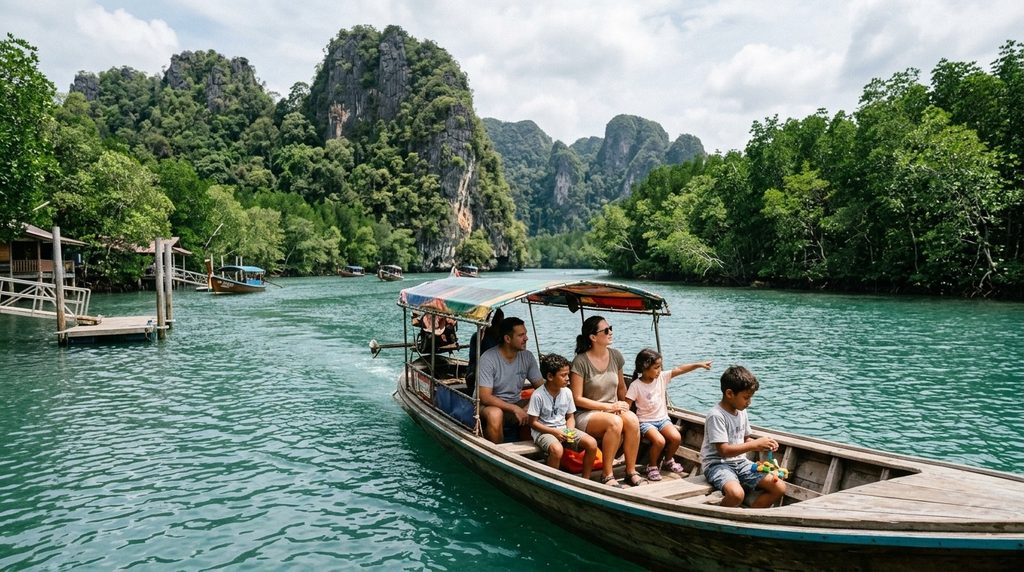
Langkawi Island can be a comfortable destination for families because there is a good range of activities beyond nightlife and beach lounging.
Families can choose beaches with nearby facilities, take suitable boat trips, explore waterfalls, and visit attractions such as the cable car.
Travel times should still be considered when traveling with younger children. A full day of driving between distant beaches and attractions may become tiring.
Accommodation with a pool can also be useful, particularly if children need a break from sightseeing.
For boat trips, check age restrictions, safety equipment, weather conditions, and the length of the excursion before booking.
A family itinerary does not need to include a major attraction every day. Combining one sightseeing activity with plenty of free beach time can make the holiday more enjoyable.
Langkawi for Couples
Couples often appreciate Langkawi for its combination of beaches, scenic landscapes, restaurants, and quieter coastal areas.
A day can be as simple as breakfast near the sea, a morning exploring the island, an afternoon swimming, and dinner at a waterfront restaurant.
Tanjung Rhu and other quieter coastal areas can be appealing if you prefer a slower atmosphere, while Pantai Cenang offers more choice when it comes to restaurants and evening activities.
Sunset is also a natural time to enjoy the coast. Rather than planning a complicated evening, choose a comfortable place with a good view and allow yourself time to enjoy the surroundings.
For couples staying several days, combining a beach-focused day with a nature excursion can provide a nice balance.
Responsible Travel in Langkawi
Langkawi’s natural attractions are a major part of its identity, so protecting them should be part of every visit.
Avoid leaving rubbish on beaches, trails, or boat routes. Reduce single-use plastic where possible and carry reusable water bottles when practical.
When visiting mangrove areas, do not feed wildlife or encourage guides to disturb animals for photographs. Wildlife should be observed from an appropriate distance.
Coral reefs and marine environments also need care. If you snorkel or swim around sensitive marine areas, avoid touching coral and follow local guidance.
Responsible travel also means respecting local communities. Dress appropriately when visiting cultural or religious places, ask before photographing people, and avoid treating residential neighborhoods as tourist attractions.
Supporting local restaurants, markets, guides, and independent businesses can also help ensure tourism benefits the island’s communities.
Practical Tips for Your Langkawi Trip
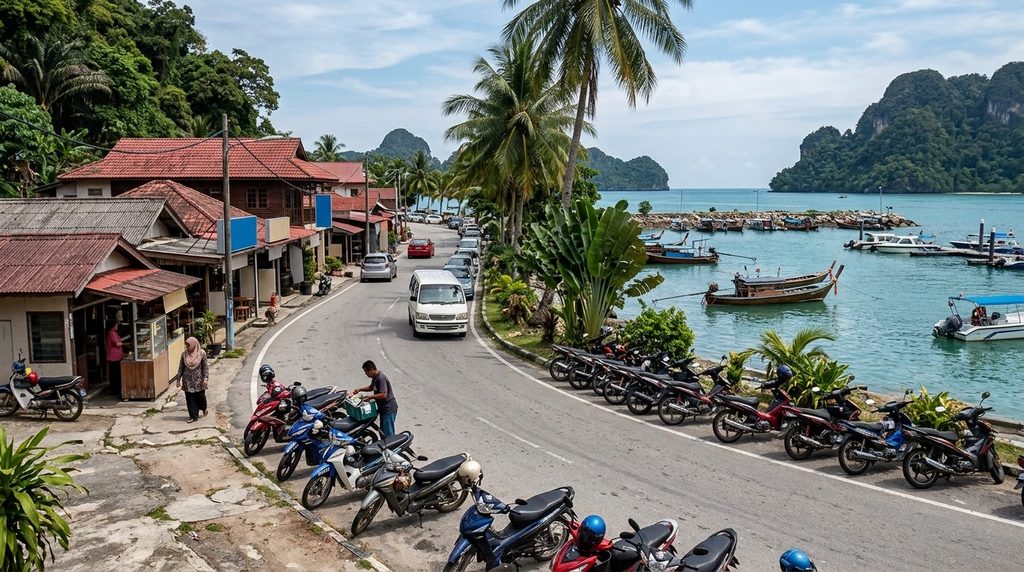
A few simple preparations can make your holiday easier.
Bring lightweight clothing and comfortable footwear because you will likely spend plenty of time outdoors. Sun protection is important in a tropical climate, particularly during boat trips and beach days.
Carry mosquito protection if you plan to spend time around forests, mangroves, or other areas where insects may be more common.
Keep a waterproof bag or protective case for phones and other electronics during boat trips. Even calm excursions can involve splashes.
If you plan to rent a vehicle, check the rental terms carefully and make sure you understand local driving requirements.
For popular attractions, check official opening times and ticket arrangements before traveling. Weather can also affect outdoor attractions, so having a backup plan is useful.
Most importantly, do not try to fit every attraction into one trip. Langkawi is at its best when you leave room for spontaneous stops, long lunches, quiet beach time, and changes in plan.
FAQs
Is Langkawi Island worth visiting?
Yes. Langkawi Island offers beaches, mangroves, waterfalls, mountain views, wildlife experiences, local food, and cultural attractions, making it suitable for many kinds of travelers.
How many days are enough for Langkawi Island?
Three to five days is enough to experience several major attractions while still leaving time for the beach. A longer stay works well if you prefer a slower holiday.
What is the best time to visit Langkawi Island?
December to March is generally a popular period because conditions are often more favorable for outdoor activities. Weather can vary, so checking the forecast before traveling is recommended.
What is Langkawi Island famous for?
Langkawi is known for its beaches, UNESCO Global Geopark landscapes, mangrove forests, limestone formations, Sky Bridge, cable car, waterfalls, and relaxed island atmosphere.
Is Langkawi Island good for families?
Yes. Families can enjoy beaches, boat trips, nature attractions, sightseeing, and family-friendly accommodation. Choosing a convenient base can make getting around easier with children.
Conclusion:
Langkawi Island is a destination where the mountains are only part of the story. Historic towns, peaceful lakes, traditional food, welcoming villages, and protected natural areas give the region a varied character that can suit both active travelers and people who simply want to enjoy beautiful surroundings at a relaxed pace.
Whether you visit for a winter ski holiday, a summer hiking trip, or a scenic journey through the French Alps, Langkawi Island offers plenty to discover. Rather than rushing between attractions, choose a few places that match your interests and give yourself time to enjoy the landscapes, food, and local atmosphere along the way.
Read more:Komodo Island: A Complete Guide to Dragons, Beaches, and Adventure