Brazil is much more than stunning beaches and the Amazon Rainforest. It is a country filled with traditions that have been passed down through generations. Every celebration, family gathering, and local festival tells a story about the people who call Brazil home.
Whether you’re planning your first trip to Brazil or simply love learning about different cultures, understanding these customs helps you appreciate the country’s welcoming spirit. Many visitors quickly discover that everyday life in Brazil feels warm, lively, and deeply connected to community.
In this guide, you’ll discover 11 Traditions And Customs Only Brazilians Can Understand, why they matter, and how you can respectfully experience them during your travels.
Quick Answer
Brazil is famous for its colorful traditions, warm hospitality, exciting festivals, and strong family values. The 11 traditions and customs only Brazilians can understand include Carnival celebrations, Festa Junina festivals, greeting everyone with hugs or kisses, gathering for family barbecues, enjoying football together, celebrating New Year’s on the beach, and many other unique cultural practices. These traditions reflect Brazil’s rich mix of Indigenous, African, European, and immigrant influences, making the country one of the world’s most vibrant cultural destinations.
What Makes Brazilian Traditions Unique?
Brazilian culture is one of the most diverse in the world. Over centuries, Indigenous communities, Portuguese settlers, African cultures, and immigrants from Italy, Germany, Japan, Lebanon, and many other countries shaped today’s Brazil.
This cultural mix has created traditions that are colorful, joyful, and full of meaning. Music, dance, food, religion, and family play important roles in everyday life. Many celebrations bring entire neighborhoods together, creating unforgettable experiences for both locals and visitors.
Unlike many countries where customs vary only slightly, Brazil’s traditions can change dramatically from one region to another. Northern Brazil celebrates different cultural events than southern Brazil, making every part of the country unique.
11 Traditions And Customs Only Brazilians Can Understand
Carnival Is More Than Just a Festival
Carnival is the first tradition that comes to mind when people think of Brazil. However, Brazilians see Carnival as much more than colorful costumes and street parties.
For many families, Carnival is a yearly celebration of music, creativity, and community. Months before the event begins, samba schools work tirelessly to prepare incredible floats, costumes, and dance performances.
In cities like Rio de Janeiro, Salvador, and Recife, Carnival transforms entire neighborhoods into giant celebrations. Street parades known as blocos attract thousands of people singing and dancing together.
For visitors, Carnival is exciting entertainment. For Brazilians, it represents national pride and cultural identity.
Why It Matters
- Celebrates Brazilian creativity
- Brings communities together
- Supports local artists
- Preserves samba traditions
- Welcomes people from every background
Festa Junina Brings the Countryside to Life
While Carnival is internationally famous, Festa Junina is one of Brazil’s most beloved traditions. Celebrated throughout June, this festival honors several Catholic saints while also celebrating rural life.
People decorate towns with colorful flags, wear country-style clothing, and dance the traditional quadrilha, a lively group dance inspired by European folk traditions.
Food is a huge part of Festa Junina. Families enjoy roasted corn, sweet corn cakes, peanuts, cassava dishes, and many delicious homemade desserts.
Bonfires light up village squares, creating a cozy atmosphere where neighbors gather to sing, dance, and celebrate together.
Popular Festa Junina Foods
| Food | Description |
| Pamonha | Sweet corn wrapped in corn husks |
| Canjica | Creamy sweet corn pudding |
| Pé de Moleque | Peanut brittle dessert |
| Milho Assado | Roasted corn |
| Quentão | Warm spiced drink |
Greetings Are Warm, Friendly, and Personal
One of the first things visitors notice is how warmly Brazilians greet one another.
Instead of a quick handshake, friends often exchange hugs or light cheek kisses. The number of kisses can vary depending on the region. In some cities, one kiss is common, while others greet with two or even three.
Even first-time visitors often experience this friendly atmosphere. Brazilians enjoy making people feel comfortable and included in conversations.
Smiling, maintaining eye contact, and showing genuine interest are considered signs of respect.
Greeting Etiquette in Brazil
| Situation | Typical Greeting |
| Friends | Hug or cheek kiss |
| Family | Warm hug and kisses |
| Business Meeting | Handshake, sometimes followed by a hug if familiar |
| Close Friends | Hug with casual conversation |
Travel Tip
Don’t be surprised if someone stands closer than you’re used to during a conversation. Personal space in Brazil is generally smaller than in the United States, and friendly physical gestures are considered normal.
Key Takeaways So Far
| Tradition | Why It’s Special |
| Carnival | Celebrates music, creativity, and community |
| Festa Junina | Honors rural traditions and local food |
| Warm Greetings | Reflect Brazil’s welcoming culture |
Sunday Family Barbecues (Churrasco) Are a Weekly Tradition
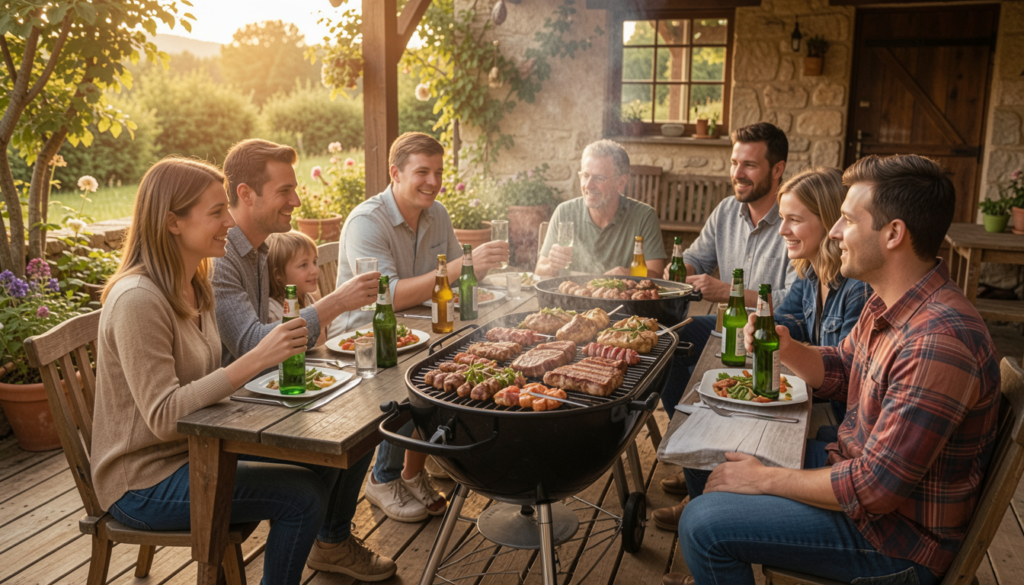
If there is one meal that brings Brazilians together, it is churrasco, the traditional Brazilian barbecue. In many homes, especially on Sundays, families and close friends gather around the grill to enjoy good food and even better company.
Unlike a quick backyard cookout, a Brazilian churrasco is often an all-day event. People talk, laugh, play music, and enjoy each other’s company while different cuts of meat are grilled slowly over charcoal. Chicken, sausage, cheese, vegetables, and grilled pineapple are also popular.
The meal is just as much about spending time together as it is about eating. Guests are encouraged to relax, stay for hours, and enjoy the welcoming atmosphere.
What You’ll Find at a Traditional Churrasco
| Food | Description |
| Picanha | Brazil’s favorite beef cut with a rich flavor |
| Linguiça | Grilled Brazilian sausage |
| Frango | Seasoned grilled chicken |
| Queijo Coalho | Grilled cheese on skewers |
| Farofa | Toasted cassava flour side dish |
| Vinagrete | Fresh tomato and onion salsa |
| Grilled Pineapple | Sweet dessert served with cinnamon |
Why Brazilians Love Churrasco
- Strengthens family relationships
- Celebrates birthdays and holidays
- Welcomes neighbors and friends
- Encourages long conversations
- Highlights Brazil’s famous barbecue culture
Travel Tip
If you’re invited to a Brazilian barbecue, accept the invitation if possible. Bringing a small dessert or drink is considered a thoughtful gesture and shows appreciation for your host.
Football Is More Than a Sport—It’s a National Passion
Football, known as futebol in Brazil, is woven into everyday life. While many countries enjoy soccer, few embrace it with the same excitement as Brazilians.
Children often begin playing at a very young age using anything they can kick, from an official ball to a rolled-up pair of socks. Neighborhood streets, beaches, parks, and schools all become football fields.
During major tournaments like the FIFA World Cup, entire cities decorate homes, businesses, and streets with green and yellow flags. Families gather around televisions, restaurants fill with cheering fans, and celebrations continue long after the final whistle.
For many Brazilians, football creates memories that connect generations.
Football in Everyday Brazilian Life
| Occasion | How Brazilians Celebrate |
| Local League Matches | Watching with family and friends |
| FIFA World Cup | Street decorations and public viewing parties |
| Children’s Games | Informal matches in parks and neighborhoods |
| Victory Celebrations | Music, dancing, and fireworks |
Why Football Matters
Football represents:
- National pride
- Community spirit
- Friendly competition
- Family traditions
- Dreams for young athletes
Even visitors who are not sports fans often enjoy the lively atmosphere during match days.
Wearing White on New Year’s Eve Brings Hope and Good Luck

One of the most fascinating traditions and customs only Brazilians can understand is the New Year’s Eve celebration known as Réveillon.
Millions of people head to beaches across Brazil, especially the famous shores of Rio de Janeiro, dressed almost entirely in white. Wearing white symbolizes peace, renewal, and hope for the coming year.
Many people also choose colorful accessories based on the blessings they hope to receive.
Meaning of Popular Colors
| Color | Symbolizes |
| White | Peace |
| Yellow | Wealth and prosperity |
| Red | Love and romance |
| Green | Health |
| Blue | Calm and harmony |
| Pink | Friendship and affection |
Another popular custom is jumping over seven ocean waves at midnight while making seven wishes for the new year. Many people also throw white flowers into the sea as an offering to Yemanjá, the Afro-Brazilian goddess of the ocean.
Travel Tip
If you’re visiting Brazil for New Year’s Eve, wearing white helps you join the celebration respectfully and feel part of the local tradition.
Coffee Is Part of Everyday Life
Brazil is one of the world’s largest coffee producers, so it’s no surprise that coffee plays a central role in daily life.
Instead of ordering oversized coffee drinks, many Brazilians enjoy a small, strong cup called cafezinho. This sweet black coffee is offered throughout the day and is a symbol of hospitality.
Visitors may receive a cup of coffee:
- After arriving at someone’s home
- During business meetings
- At local shops
- Following meals
- While chatting with neighbors
Refusing coffee is perfectly acceptable, but accepting a cup often opens the door to friendly conversation.
Cafezinho vs. Typical American Coffee
| Cafezinho | Typical U.S. Coffee |
| Small serving | Large cup |
| Strong flavor | Milder flavor |
| Usually sweetened | Sugar added separately |
| Served throughout the day | Often enjoyed mainly in the morning |
| Symbol of hospitality | Personal beverage choice |
Fun Fact
Many Brazilian homes always have fresh coffee ready for unexpected guests. Offering coffee is considered a warm welcome rather than simply serving a drink.
Comparison Table: Brazilian Traditions at a Glance
| Tradition | Purpose | Best Time to Experience |
| Churrasco | Family gatherings | Weekends and holidays |
| Football | National pride and entertainment | Year-round |
| Réveillon | Celebrate the New Year | December 31 |
| Cafezinho | Hospitality and social connection | Every day |
Practical Tips for Experiencing Brazilian Customs
✔ Accept invitations to family gatherings whenever appropriate.
✔ Learn a few basic Portuguese greetings before your trip.
✔ Respect local traditions, even if they are different from those at home.
✔ Dress comfortably for festivals and outdoor celebrations.
✔ Try traditional foods with an open mind.
✔ Watch a football match with locals for an unforgettable cultural experience.
✔ Wear white if celebrating New Year’s Eve in Brazil.
✔ Accept a cup of cafezinho if you’d like to experience authentic Brazilian hospitality.
Quick Checklist for Travelers
Before visiting Brazil, make sure you:
- Learn simple Portuguese phrases like “Olá” and “Obrigado/Obrigada.”
- Pack light clothing suitable for warm weather.
- Read about local etiquette before attending festivals.
- Taste authentic churrasco.
- Try a traditional cafezinho.
- Watch at least one football match.
- Experience a local neighborhood celebration if possible.
- Respect religious and cultural customs.
- Bring comfortable walking shoes for festivals.
- Keep an open mind and enjoy Brazil’s welcoming culture.
Samba Is More Than Music—It’s a Way of Life
When people think about Brazil, they often picture energetic samba dancers wearing colorful costumes. While samba is closely connected to Carnival, it is much more than a festival performance. It is an important part of Brazil’s cultural identity.
Samba began in Afro-Brazilian communities and has grown into one of the country’s most recognized musical styles. Today, you can hear samba in neighborhood gatherings, local bars, family celebrations, and cultural festivals throughout the year.
In many cities, people learn samba from a young age. Dance schools and community groups help preserve the tradition, passing it from one generation to the next.
Why Samba Matters
- Preserves Afro-Brazilian heritage
- Brings communities together
- Encourages creativity and self-expression
- Supports local musicians and dancers
- Celebrates Brazil’s cultural diversity
Where Travelers Can Experience Samba
| Place | Experience |
| Rio de Janeiro | Samba schools and Carnival rehearsals |
| Salvador | Afro-Brazilian music and dance performances |
| São Paulo | Live samba clubs and cultural events |
| Local neighborhoods | Community dance gatherings and festivals |
Travel Tip
Even if you’ve never danced before, don’t be afraid to join in. Brazilians appreciate visitors who participate respectfully and enjoy the experience.
Every Region Has Its Own Unique Traditions
One reason 11 Traditions And Customs Only Brazilians Can Understand is such a fascinating topic is that Brazil is incredibly diverse. Customs can vary greatly depending on where you travel.
The northern Amazon region reflects strong Indigenous traditions, while the northeast is famous for Afro-Brazilian culture, music, and colorful festivals. Southern Brazil has noticeable German and Italian influences, especially in architecture, food, and seasonal celebrations.
This regional diversity means no two trips to Brazil are exactly the same.
Regional Traditions Across Brazil
| Region | Famous Traditions |
| North | Indigenous celebrations, Amazon culture |
| Northeast | Capoeira, Afro-Brazilian festivals, Carnival in Salvador |
| Central-West | Rural festivals and cattle traditions |
| Southeast | Samba, Carnival, football culture |
| South | German festivals, wine culture, traditional dances |
Example
A traveler visiting Rio de Janeiro and another exploring Manaus will experience two very different versions of Brazilian culture, yet both are authentically Brazilian.
Travel Tip
Don’t assume one city represents the entire country. Exploring different regions gives you a much richer understanding of Brazil’s traditions and customs.
Religious Festivals Blend Faith and Culture
Religion plays an important role in the lives of many Brazilians, but what makes Brazil unique is how different beliefs often blend together.
Catholic traditions exist alongside Afro-Brazilian religions such as Candomblé and Umbanda, creating colorful festivals that reflect centuries of cultural exchange.
Throughout the year, cities and towns host religious processions, music performances, community meals, and celebrations honoring patron saints.
One of the country’s largest religious events is the Festival of Our Lady of Aparecida, Brazil’s patron saint.
Popular Religious Celebrations
| Festival | What It Celebrates |
| Our Lady of Aparecida | Brazil’s patron saint |
| Holy Week | Christian traditions before Easter |
| Festa Junina | Catholic saints and rural heritage |
| Yemanjá Festival | Afro-Brazilian celebration honoring the sea |
Visitor Etiquette
If you attend a religious festival:
- Dress respectfully.
- Ask before taking close-up photos of worshippers.
- Follow local customs during ceremonies.
- Remain quiet during prayers and processions.
- Respect both religious and cultural traditions.
Brazilian Hospitality Makes Everyone Feel Welcome
Perhaps the most meaningful tradition of all is Brazilian hospitality.
Visitors often say that what they remember most about Brazil isn’t just the beaches or festivals—it’s the kindness of the people.
Brazilians enjoy welcoming guests into their homes, introducing visitors to local foods, and helping travelers feel comfortable. Whether you’re asking for directions or joining a family celebration, genuine friendliness is a common part of daily life.
Conversations are often relaxed and personal. It’s normal for people to ask about your family, your travels, or your first impressions of Brazil.
Ways Brazilians Show Hospitality
- Inviting guests to family meals
- Offering coffee or refreshments
- Helping tourists with directions
- Introducing visitors to local traditions
- Sharing homemade food during celebrations
Travel Tip
A simple smile, polite manners, and showing interest in Brazilian culture can quickly lead to memorable conversations and lasting friendships.
Practical Examples of Brazilian Customs
Example 1: Visiting a Local Home
You’re invited to a Brazilian family’s house for lunch. Instead of arriving exactly on time, you arrive about 10–15 minutes later, greet everyone warmly, compliment the meal, and stay to chat after eating. This relaxed approach matches local social customs.
Example 2: Watching Football Together
Instead of watching a match alone in your hotel room, you join locals at a neighborhood café. You cheer with the crowd, celebrate goals, and enjoy snacks while learning more about Brazilian football culture.
Example 3: Celebrating New Year’s Eve
You wear white clothing, head to the beach with locals, watch fireworks over the ocean, jump seven waves at midnight, and enjoy one of Brazil’s most unforgettable traditions.
Pros and Cons of Experiencing Brazilian Traditions
| Pros | Cons |
| Warm and welcoming people | Festivals can be crowded |
| Rich cultural diversity | Language barriers in smaller towns |
| Incredible music and dance | Popular events may require advance planning |
| Delicious traditional food | Hot weather during some celebrations |
| Family-friendly festivals | Accommodation prices rise during Carnival |
| Unique local experiences | Tourist areas can become very busy |
Respectful Ways to Enjoy Brazilian Traditions
| Do | Don’t |
| Learn a few Portuguese phrases | Assume everyone speaks English |
| Respect local customs | Compare every tradition to your own culture |
| Try traditional foods | Refuse invitations without appreciation |
| Dress appropriately at religious events | Interrupt ceremonies for photos |
| Participate with an open mind | Treat festivals only as tourist attractions |
Did You Know?
- Brazil is home to more than 210 million people, making it the largest country in South America.
- Portuguese is the official language of Brazil.
- Brazil celebrates hundreds of regional festivals every year.
- The country has influences from Indigenous, African, European, and Asian cultures.
- Many traditions vary depending on the state and local community.
Why These Traditions Matter
The 11 Traditions And Customs Only Brazilians Can Understand are much more than interesting cultural facts. They reveal the values that shape everyday life in Brazil:
- Strong family connections
- Community celebrations
- Respect for cultural diversity
- Love of music and dance
- Warm hospitality
- Pride in local traditions
For travelers, understanding these customs creates deeper, more meaningful experiences beyond sightseeing.
Common Mistakes Travelers Make When Experiencing Brazilian Traditions
Learning about local customs before your trip can help you avoid awkward situations and show respect for Brazilian culture. Here are some of the most common mistakes visitors make.
Assuming Brazil Speaks Spanish
Many first-time visitors mistakenly greet locals in Spanish. While some Brazilians understand a little Spanish, Portuguese is Brazil’s official language.
Better Approach
Learn a few simple Portuguese phrases such as:
| English | Portuguese |
| Hello | Olá |
| Thank you (male) | Obrigado |
| Thank you (female) | Obrigada |
| Please | Por favor |
| Good morning | Bom dia |
| Good afternoon | Boa tarde |
| Good evening | Boa noite |
Treating Carnival Like the Only Brazilian Tradition
Carnival is amazing, but it’s only one piece of Brazil’s cultural identity.
Many travelers miss incredible experiences like:
- Festa Junina
- Regional harvest festivals
- Religious celebrations
- Local food markets
- Community music events
- Family gatherings
Expert Advice
Visit Brazil outside Carnival season if you want a more authentic and less crowded cultural experience.
Ignoring Regional Differences
Brazil is larger than the continental United States, so customs naturally change from region to region.
For example:
| Region | Cultural Highlight |
| Rio de Janeiro | Samba and Carnival |
| Salvador | Afro-Brazilian culture |
| Amazon | Indigenous traditions |
| Southern Brazil | European heritage festivals |
Don’t expect every city to celebrate in exactly the same way.
Being Too Reserved
Brazilians are generally warm and expressive.
Visitors sometimes appear distant because they avoid conversation or decline friendly invitations.
Being polite, smiling, and showing curiosity usually creates positive interactions.
Forgetting Basic Etiquette
Simple manners make a big difference.
Remember to:
- Greet people before asking questions.
- Thank your hosts.
- Respect local customs.
- Dress appropriately at religious sites.
- Ask permission before photographing people.
Expert Tips for Enjoying Brazilian Culture Like a Local
These practical tips can help you experience the 11 Traditions And Customs Only Brazilians Can Understand in a more meaningful way.
Learn Basic Portuguese
Even knowing a few words shows respect and often leads to friendlier conversations.
Try Regional Foods
Don’t limit yourself to famous dishes.
Sample specialties from different regions, including:
- Açaí (North)
- Moqueca seafood stew (Northeast)
- Pão de queijo (Southeast)
- Churrasco (South)
- Traditional Amazonian fish dishes
Attend Local Festivals
Large festivals are exciting, but smaller community celebrations often provide a more authentic cultural experience.
These events allow visitors to interact with residents and learn about local traditions firsthand.
Support Local Businesses
Choose:
- Family-owned restaurants
- Local craft markets
- Community tour guides
- Regional musicians
- Small cultural museums
Supporting local businesses helps preserve Brazilian traditions.
Respect Nature and Culture
Brazil is home to incredible natural landscapes and diverse communities.
Help protect them by:
- Following park rules
- Avoiding littering
- Respecting wildlife
- Supporting sustainable tourism
- Respecting sacred and historic sites
People Also Ask (PAA)
What are Brazil’s most popular traditions?
Brazil’s most popular traditions include Carnival, Festa Junina, samba, football, churrasco, New Year’s Eve celebrations, and strong family gatherings.
Why is Brazilian culture unique?
Brazilian culture combines Indigenous, African, Portuguese, and immigrant influences, creating colorful festivals, diverse cuisine, music, dance, and welcoming social customs.
What should tourists know before visiting Brazil?
Visitors should learn a few Portuguese phrases, respect local traditions, stay aware of regional differences, and participate respectfully in festivals and community events.
Is Brazil a family-oriented country?
Yes. Family plays a central role in Brazilian life. Weekend gatherings, shared meals, celebrations, and holidays are important traditions across the country.
Voice Search Optimization
Question:
What traditions should I experience in Brazil?
Answer:
If you’re visiting Brazil, don’t miss Carnival, Festa Junina, churrasco, samba performances, football matches, New Year’s Eve beach celebrations, and local family traditions.
Question:
What is the biggest cultural tradition in Brazil?
Answer:
Carnival is Brazil’s most famous cultural tradition, but many Brazilians also value family gatherings, football, Festa Junina, coffee culture, and regional festivals.
Question:
Why do Brazilians wear white on New Year’s Eve?
Answer:
Wearing white symbolizes peace, hope, and a fresh start for the coming year. It’s one of Brazil’s best-known New Year’s traditions.
Internal Linking Opportunities (Travel Website)
Add internal links to related travel content such as:
External Authority Sources (Do Not Insert Links in the Article)
Use these trusted resources for fact-checking and additional research:
- Brazil’s Official Tourism Board (Embratur)
- Brazilian Institute of Geography and Statistics (IBGE)
- UNESCO World Heritage Centre
- National Geographic Travel
- Lonely Planet
- U.S. Department of State Travel Advisory
- World Tourism Organization (UN Tourism)
- Smithsonian Magazine
- BBC Travel
- Cultural Survival
Conclusion
Brazil’s traditions are far more than colorful celebrations—they are a reflection of the country’s history, diversity, and strong sense of community. From the excitement of Carnival and the charm of Festa Junina to the warmth of a family churrasco and the simple gesture of sharing a cafezinho, every custom tells a story about what makes Brazil unique.
Understanding these 11 Traditions And Customs Only Brazilians Can Understand allows travelers to experience the country beyond its famous landmarks. Instead of simply visiting Brazil, you’ll gain a deeper appreciation for its people, values, and everyday way of life. Whether you’re cheering during a football match, dancing to samba rhythms, or joining locals for New Year’s Eve celebrations, these moments create memories that last a lifetime.
As you plan your journey, remember that the best travel experiences come from respecting local customs, supporting local communities, and keeping an open mind. Brazil rewards curious travelers with unforgettable cultural experiences, genuine hospitality, and traditions that continue to inspire visitors from around the world.
Ready to explore Brazil? Add these incredible traditions to your travel itinerary and discover why Brazilian culture is celebrated across the globe. Your next adventure could be your most memorable one yet.
FAQs
What are the most famous traditions in Brazil?
The most famous traditions in Brazil include Carnival, Festa Junina, Sunday churrasco barbecues, football culture, samba dancing, cafezinho coffee, New Year’s Eve beach celebrations, religious festivals, and warm family gatherings. These customs showcase Brazil’s rich cultural heritage and welcoming spirit.
Why is Carnival so important to Brazilians?
Carnival is much more than a colorful party. It celebrates Brazil’s history, music, dance, creativity, and community. Months of preparation go into the parades, making Carnival one of the country’s most meaningful cultural events.
What language do people speak in Brazil?
Portuguese is the official language of Brazil. Although some people speak English or Spanish in tourist areas, learning a few basic Portuguese phrases can make your trip more enjoyable.
What should I wear during Brazilian festivals?
Lightweight, comfortable clothing is ideal because much of Brazil has a warm climate. If you’re celebrating New Year’s Eve, wearing white is a popular tradition that symbolizes peace and good luck.
Is Brazil a family-oriented country?
Yes. Family is at the heart of Brazilian culture. Weekly meals, celebrations, holidays, and family gatherings are important traditions that help strengthen relationships across generations.
What foods should I try to experience Brazilian culture?
Don’t miss these traditional Brazilian favorites:
- Churrasco (Brazilian barbecue)
- Pão de queijo (cheese bread)
- Feijoada (black bean and meat stew)
- Moqueca (seafood stew)
- Brigadeiro (chocolate dessert)
- Açaí
- Pamonha
- Cafezinho
These dishes offer a delicious introduction to Brazil’s diverse regional cuisines.
Is Brazil a good destination for cultural travelers?
Absolutely. Brazil offers world-famous festivals, historic cities, diverse traditions, incredible music, regional cuisine, Indigenous heritage, Afro-Brazilian culture, and unforgettable local experiences that make it one of South America’s top cultural destinations.
What is the best time to experience Brazilian traditions?
The best time depends on what you want to experience.
| Season | Cultural Highlights |
| February–March | Carnival |
| June | Festa Junina |
| December | Christmas and Réveillon (New Year’s Eve) |
| Year-round | Samba, football, churrasco, cafezinho, local traditions |
How can tourists respectfully experience Brazilian customs?
Show respect by learning a few Portuguese phrases, greeting people politely, asking permission before photographing individuals, dressing appropriately at religious events, supporting local businesses, and participating in traditions with an open mind.
Why are Brazilian people known for their hospitality?
Brazilians are often recognized for their warmth, friendliness, and generosity. Inviting guests for coffee, sharing meals, and making visitors feel welcome are everyday customs that reflect the country’s strong sense of community.
Read More:Best Food Tours in Spain: 15 Unforgettable Culinary Experiences You Must Try