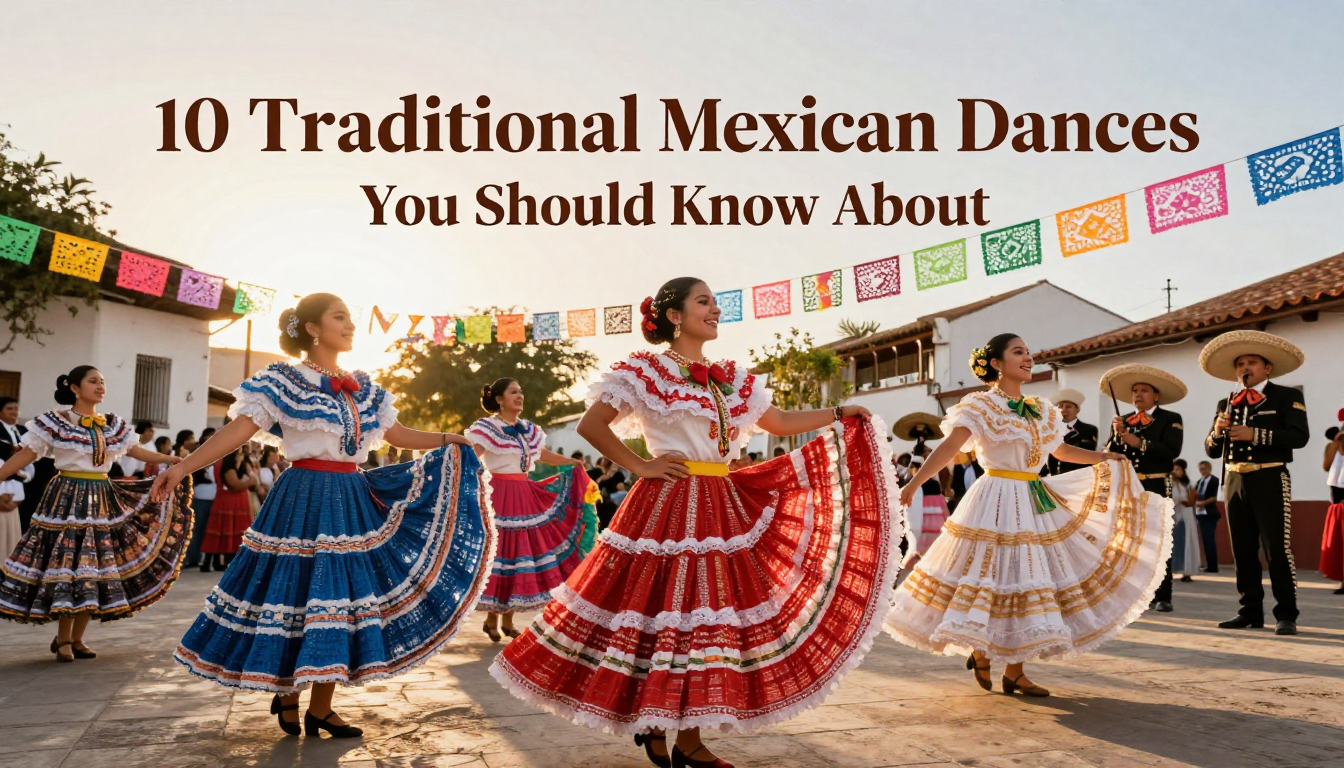
Mexico is famous for its colorful festivals, delicious food, and warm hospitality. Another important part of the country’s identity is its traditional dances. Every region has unique performances that tell stories about history, religion, nature, and local customs. These dances have been passed down through generations and continue to bring communities together during celebrations.
Whether you’re planning a trip to Mexico or simply want to learn more about its rich culture, discovering 10 traditional Mexican dances you should know about is a wonderful way to understand the country’s heritage. From graceful folk performances to energetic Indigenous rituals, every dance has a fascinating story behind it.
Many of these dances are performed during national holidays, religious festivals, cultural events, and local fairs. Their colorful costumes, lively music, and symbolic movements make them unforgettable experiences for travelers.
Quick Answer
The 10 traditional Mexican dances you should know about include Jarabe Tapatío (Mexican Hat Dance), Danza del Venado (Deer Dance), Danza de los Viejitos (Dance of the Old Men), Danza de los Voladores, Son Jarocho, Danza de los Parachicos, La Bamba, Matachines Dance, Danza de los Concheros, and Flor de Piña. These dances celebrate Mexico’s diverse history, Indigenous roots, Spanish influence, music, festivals, and regional traditions.
What Makes Mexican Traditional Dances Unique?
Mexican traditional dances reflect centuries of cultural exchange. They combine Indigenous beliefs, Spanish colonial influences, African rhythms, and local customs into expressive performances that continue to thrive today.
Unlike modern dance styles, these performances often tell stories. Some honor nature and animals, while others celebrate religious events, historical victories, or community traditions. Every costume, musical instrument, and dance step carries cultural meaning.
Here are a few reasons these dances stand out:
| Feature | Why It Matters |
| Indigenous Heritage | Preserves ancient traditions and beliefs |
| Colorful Costumes | Represent regional identity and history |
| Live Music | Often includes mariachi, violins, drums, and guitars |
| Community Celebrations | Brings families and communities together |
| Storytelling | Every dance shares a meaningful cultural message |
Jarabe Tapatío (Mexican Hat Dance)
Overview
Known around the world as the Mexican Hat Dance, Jarabe Tapatío is Mexico’s national dance and one of the country’s most recognizable cultural symbols. It originated in the state of Jalisco during the 19th century and combines several regional dance styles into one lively performance.
Today, visitors often see this dance at festivals, cultural performances, and national celebrations throughout Mexico.
History
Jarabe Tapatío developed after Mexico gained independence. It became a symbol of national pride and unity by blending different regional music and dance traditions into one performance.
Over time, it evolved into an expression of romance and courtship, making it one of Mexico’s most beloved folk dances.
Traditional Costumes
One of the highlights of Jarabe Tapatío is its stunning clothing.
Women wear:
- Brightly colored China Poblana dresses
- Wide embroidered skirts
- Decorative ribbons
- Elegant shawls
Men wear:
- Traditional charro suits
- Silver buttons
- Large sombreros
- Leather boots
These costumes add excitement and elegance to every performance.
Music
The dance is performed with lively mariachi music featuring:
- Violins
- Trumpets
- Guitars
- Vihuela
- Guitarrón
The upbeat rhythm encourages energetic footwork and graceful movements.
Interesting Facts
- Considered Mexico’s national folk dance.
- Popular during Independence Day celebrations.
- Symbolizes romance and respect.
- Frequently performed by Ballet Folklórico groups worldwide.
Travel Tip
If you’re visiting Guadalajara or other parts of Jalisco, don’t miss a live Jarabe Tapatío performance. Many cultural festivals feature professional dancers wearing authentic traditional costumes.
Danza del Venado (Deer Dance)

Overview
The Danza del Venado, or Deer Dance, is one of Mexico’s oldest Indigenous dances. It comes from the Yaqui and Mayo peoples of northern Mexico, particularly the states of Sonora and Sinaloa.
Unlike many folk dances, this ceremonial performance represents the relationship between humans, wildlife, and nature. It remains an important spiritual tradition that has been preserved for centuries.
History
The Deer Dance dates back long before Spanish colonization. It was originally performed during ceremonies honoring the deer, an animal considered sacred because it provided food and represented harmony with nature.
The performance tells the story of a graceful deer moving through the forest while hunters carefully track it. Every movement reflects respect for the natural world rather than simple entertainment.
Costumes and Symbolism
The dancer portraying the deer wears:
- A real or handcrafted deer head as a headdress
- White clothing
- Ankle rattles made from butterfly cocoons or bells
- Beaded accessories
Musicians accompany the dance using:
- Drums
- Flutes
- Water gourds
- Traditional rattles
The dancer’s slow, alert movements imitate the behavior of a wild deer, making the performance both artistic and deeply meaningful.
Cultural Importance
The Deer Dance remains a living tradition among Indigenous communities and is often performed during religious celebrations and cultural festivals. It highlights the importance of respecting nature, preserving ancestral customs, and honoring Indigenous identity.
For travelers interested in authentic cultural experiences, watching a traditional Deer Dance offers a deeper understanding of Mexico’s diverse heritage beyond its famous beaches and cities.
Did You Know?
- It is one of the oldest surviving Indigenous dances in North America.
- UNESCO recognizes many Indigenous cultural traditions like this as vital parts of humanity’s heritage.
- Every movement in the dance has symbolic meaning rooted in Yaqui beliefs.
Travel Tip
Visit Sonora during local cultural festivals to experience an authentic Deer Dance performed by Indigenous communities. Watching the ceremony with a knowledgeable guide can help you appreciate its spiritual and historical significance.
Danza de los Viejitos (Dance of the Old Men)
Overview
The Danza de los Viejitos, or Dance of the Old Men, is one of the most entertaining and symbolic traditional dances in Mexico. It comes from the state of Michoacán and was created by the Indigenous Purépecha people. At first glance, the dancers appear to be elderly men struggling to walk, but the performance quickly transforms into an energetic display of fast footwork and lively music.
Today, it is a favorite at cultural festivals because it combines humor, storytelling, and tradition in a way that captivates audiences of all ages.
History
Originally, the Purépecha people performed this dance as part of ceremonies honoring their ancient gods. After Spanish colonization, the dance evolved while keeping many of its Indigenous traditions.
The exaggerated movements remind viewers that age should never stop people from enjoying life. It also celebrates wisdom, resilience, and the joy of growing older.
Traditional Costumes
Dancers wear distinctive outfits that make the performance instantly recognizable.
Typical costume includes:
- Hand-carved wooden masks with smiling faces
- White pants and shirts
- Brightly colored ponchos (sarapes)
- Straw hats decorated with ribbons
- Wooden sandals for rhythmic footwork
The carved masks feature rosy cheeks, white eyebrows, and cheerful expressions that add a playful element to the dance.
Music and Performance
The performance begins with dancers pretending to use walking sticks and moving slowly like elderly men. Suddenly, the tempo changes, and they perform quick jumps, spins, and impressive synchronized footwork.
Traditional instruments include:
- Violins
- Guitars
- Small drums
- Harps in some regions
Why It’s Important
This dance reminds people to value experience, respect elders, and celebrate life regardless of age. It also preserves the artistic traditions of the Purépecha community.
Travel Tip
Visit Pátzcuaro or Morelia during cultural festivals to see authentic performances. The Day of the Dead celebrations in Michoacán often feature traditional folk dances, including the Dance of the Old Men.
Son Jarocho
Overview
Son Jarocho is both a music style and a traditional dance that originated in the Gulf Coast state of Veracruz. It is famous for its lively rhythms, elegant footwork, and joyful atmosphere. The world-famous song “La Bamba” is one of the best-known examples of Son Jarocho music.
Unlike many stage performances, Son Jarocho often encourages audience participation, making it a fun and interactive cultural experience.
History
Son Jarocho developed more than 300 years ago by blending three cultural influences:
- Indigenous Mexican traditions
- Spanish musical styles
- African rhythms brought during the colonial period
This unique combination created one of Mexico’s richest folk traditions.
The Zapateado Footwork
One of the dance’s most exciting features is zapateado, a rhythmic tapping performed on a raised wooden platform called a tarima.
The dancers’ feet become part of the music, creating percussion that blends perfectly with the instruments.
Traditional Clothing
Women wear:
- Flowing white dresses
- Lace shawls
- Fresh flowers in their hair
- Gold jewelry
Men wear:
- White shirts
- White trousers
- Red neck scarves
- Straw hats
The elegant white clothing reflects Veracruz’s warm coastal climate and gives performances a timeless appearance.
Musical Instruments
Son Jarocho performances feature several traditional instruments, including:
- Jarana Jarocha
- Requinto Jarocho
- Harp
- Guitar
- Percussion created by dancers’ footwork
Why Travelers Love It
Visitors often describe Son Jarocho performances as lively, welcoming, and full of community spirit. Unlike formal stage shows, many local events invite everyone to clap, sing, or even dance.
Travel Tip
Head to Veracruz City or Tlacotalpan during cultural festivals to experience authentic Son Jarocho performances performed by local musicians and dancers.
Danza de los Voladores (Dance of the Flyers)
Overview
The Danza de los Voladores, also known as the Dance of the Flyers, is one of Mexico’s most breathtaking ceremonial traditions. It originated among the Totonac people in the state of Veracruz and is recognized worldwide for its spiritual significance and dramatic aerial performance.
Rather than dancing on the ground, performers climb a towering wooden pole before descending while spinning through the air.
History
According to tradition, this ceremony began centuries ago during a severe drought. Community leaders prayed for rain and a successful harvest by offering this sacred ritual to the gods.
Although it is now performed during festivals and cultural events, it continues to hold deep spiritual meaning for many Indigenous communities.
How the Ceremony Works
The ritual usually involves five performers.
| Performer | Role |
| Musician | Stands at the top of the pole playing a flute and small drum while offering prayers. |
| Four Flyers | Tie ropes around their waists and slowly descend while spinning gracefully around the pole. |
Each flyer circles the pole 13 times, creating a total of 52 rotations, which traditionally represents the 52-year cycle of the Mesoamerican calendar.
Traditional Clothing
The performers wear bright red outfits decorated with colorful embroidery, ribbons, mirrors, and feathered headdresses.
The colors symbolize:
- Nature
- Birds
- The sun
- Fertility
- Spiritual harmony
UNESCO Recognition
The Danza de los Voladores was inscribed on UNESCO’s Representative List of the Intangible Cultural Heritage of Humanity because of its outstanding cultural value and efforts to preserve this ancient tradition.
Safety and Skill
Although it looks effortless, becoming a Volador requires years of training, physical strength, courage, and respect for cultural traditions.
The ceremony is carefully organized, and every movement follows centuries-old customs.
Travel Tip
Visit Papantla, Veracruz, where the Dance of the Flyers remains one of the region’s most celebrated traditions. Watching the ceremony in its historic setting offers an unforgettable cultural experience.
Comparison Table: The First Five Traditional Mexican Dances
| Dance | Region | Main Purpose | Best Known For | Best Time to Experience |
| Jarabe Tapatío | Jalisco | National celebration and courtship | Mexico’s national dance | Independence Day, cultural festivals |
| Danza del Venado | Sonora & Sinaloa | Spiritual ceremony | Indigenous deer symbolism | Indigenous festivals |
| Danza de los Viejitos | Michoacán | Celebration of wisdom and life | Humorous masks and fast footwork | Day of the Dead, local festivals |
| Son Jarocho | Veracruz | Community celebration | Zapateado footwork and La Bamba | Music festivals year-round |
| Danza de los Voladores | Veracruz | Sacred ritual | Aerial spinning performance | Cultural festivals in Papantla |
Why These Dances Matter Today
These first five entries in 10 Traditional Mexican Dances You Should Know About showcase the incredible diversity of Mexican culture. Some celebrate love and national identity, while others honor nature, ancestors, and spiritual beliefs. Together, they preserve traditions that have been passed down for centuries.
For travelers, experiencing these performances is more than entertainment—it’s an opportunity to connect with local communities, appreciate regional history, and gain a deeper understanding of Mexico’s cultural heritage.
Danza de los Parachicos
Overview
The Danza de los Parachicos is one of the most recognizable cultural traditions in southern Mexico. It takes place every January in the town of Chiapa de Corzo, located in the state of Chiapas. The dance is famous for its carved wooden masks, colorful clothing, and lively processions through the streets.
Unlike many stage performances, the Parachicos dance among the community, filling the town with music, celebration, and centuries-old traditions.
History
According to local legend, a wealthy woman once brought her sick son to Chiapa de Corzo in search of healing. To entertain the child, local people dressed in unusual costumes and danced “for the boy,” or para el chico, which eventually became the name Parachicos.
Over time, the celebration grew into one of Mexico’s most important religious and cultural festivals, blending Indigenous customs with Catholic traditions.
Traditional Costumes
Parachicos are instantly recognizable because of their unique appearance.
Their costume includes:
- Hand-carved wooden masks with smiling European-style faces
- Blonde fiber wigs
- Bright embroidered shawls
- Colorful ribbons
- Traditional sarapes
- Small rattles called chinchines
As they dance through the streets, the rattles create rhythmic sounds that accompany the music.
Music and Celebration
The dance is performed alongside:
- Drums
- Flutes
- Brass bands
- Traditional songs
Thousands of dancers participate in long parades while honoring local patron saints.
UNESCO Recognition
The Fiesta Grande de Chiapa de Corzo, which includes the Dance of the Parachicos, has been recognized by UNESCO as an Intangible Cultural Heritage of Humanity for preserving one of Mexico’s most vibrant living traditions.
Travel Tip
Visit Chiapa de Corzo between January 8 and January 23 to witness the Fiesta Grande. Arrive early because hotels often sell out months in advance due to the festival’s popularity.
Matachines Dance
Overview
The Matachines Dance is performed throughout northern and central Mexico, especially during religious celebrations honoring the Virgin Mary and various patron saints. While regional styles vary, the dance remains an important expression of faith, community, and cultural identity.
Today, it is also performed in parts of the southwestern United States, reflecting the strong cultural ties between Mexico and Mexican-American communities.
History
The Matachines tradition originated during the Spanish colonial period. It combines European religious influences with Indigenous ceremonial dances, creating a unique cultural expression that has lasted for centuries.
Each community adds its own customs, costumes, and music while preserving the dance’s spiritual purpose.
Traditional Clothing
Matachines dancers wear striking costumes that often include:
- Colorful embroidered clothing
- Decorative capes
- Feathered headdresses
- Ankle bells
- Beaded accessories
- Hand-held rattles or bows
The bright colors symbolize celebration, devotion, and joy.
Performance Style
The dance features:
- Coordinated group formations
- Rhythmic stepping
- Symbolic movements
- Traditional prayers
- Live music from violins and drums
Some performances even include dramatic reenactments of historical or religious stories.
Cultural Importance
The Matachines Dance brings generations together. Families often participate year after year, passing traditions from parents to children.
For many communities, performing the dance is considered both a cultural honor and a spiritual commitment.
Travel Tip
If you’re visiting northern Mexico during Christmas, Easter, or patron saint festivals, there’s a good chance you’ll experience an authentic Matachines performance in local plazas or churches.
Danza de los Concheros
Overview
The Danza de los Concheros is one of Mexico’s most spiritual traditional dances. It blends ancient Aztec ceremonial practices with Christian traditions introduced during the colonial era.
Today, it is commonly performed in historic cities such as Mexico City, Querétaro, and Guanajuato, especially during religious festivals and important cultural celebrations.
History
Following the Spanish conquest, many Indigenous communities preserved their sacred dances by incorporating Christian symbols into existing ceremonies.
The result was the Concheros tradition—a beautiful example of cultural adaptation while protecting Indigenous identity.
The name Concheros comes from a traditional stringed instrument made with an armadillo shell, known as a concha.
Traditional Costumes
The costumes are among the most spectacular in Mexico.
They often feature:
- Large feathered headdresses
- Shell jewelry
- Beaded necklaces
- Embroidered tunics
- Leather sandals
- Colorful ankle rattles
Every feather, color, and accessory carries symbolic meaning connected to nature, spirituality, and ancestral beliefs.
Music
Traditional instruments include:
- Concha guitar
- Huehuetl drums
- Flutes
- Hand rattles
- Singing and chanting
The rhythmic music creates a deeply spiritual atmosphere that encourages meditation as well as celebration.
Symbolism
Each dance movement represents harmony between:
- Earth
- Sky
- Sun
- Moon
- Human life
- Nature
Rather than simply entertaining spectators, the dance serves as a living prayer honoring ancestors and preserving Indigenous wisdom.
Travel Tip
Visit Mexico City’s Zócalo or the Basilica of Our Lady of Guadalupe during major religious holidays to witness impressive Concheros performances surrounded by historic landmarks.
Pros and Cons of Watching Traditional Mexican Dances
| Pros | Cons |
| Learn about authentic Mexican culture | Some ceremonies occur only on specific dates |
| Experience centuries-old traditions | Popular festivals can be crowded |
| Excellent opportunities for photography | Weather may affect outdoor performances |
| Support local artists and communities | Language barriers may exist without guides |
| Family-friendly entertainment | Some sacred ceremonies discourage interruptions |
| Great addition to cultural travel itineraries | Remote festivals may require extra travel planning |
Traveler’s Checklist for Cultural Dance Festivals
Use this checklist before attending a traditional dance performance in Mexico:
- ✔ Learn about the dance’s history before attending.
- ✔ Wear comfortable shoes if you’ll be walking through festivals.
- ✔ Carry cash for local food and artisan markets.
- ✔ Ask permission before taking close-up photos of performers.
- ✔ Respect religious ceremonies and sacred traditions.
- ✔ Arrive early for the best viewing spots.
- ✔ Stay hydrated during outdoor festivals.
- ✔ Support local artisans by purchasing handmade crafts.
Why These Dances Are Worth Experiencing
The next three entries in 10 Traditional Mexican Dances You Should Know About demonstrate how Mexico’s traditions continue to thrive in modern times. Whether honoring saints, celebrating Indigenous heritage, or bringing communities together through music and movement, these dances are an unforgettable part of the country’s cultural identity.
For travelers, attending one of these performances offers more than a photo opportunity—it provides a meaningful connection to the people, history, and traditions that make Mexico such a fascinating destination.
Flor de Piña (Pineapple Flower Dance)
Overview
The Flor de Piña is one of the most colorful performances featured in 10 Traditional Mexican Dances You Should Know About. Originating in the state of Oaxaca, this joyful dance celebrates the region’s agricultural traditions and the importance of pineapple farming.
Unlike many ceremonial dances, Flor de Piña focuses on community, harvest, and regional pride. Its bright costumes and synchronized choreography make it one of the highlights of Mexico’s famous cultural festivals.
History
The Flor de Piña dance was created in the 1950s specifically for the Guelaguetza Festival, Oaxaca’s largest annual cultural celebration.
Although relatively modern compared to many Indigenous dances, it reflects centuries of local traditions and honors the women of the Papaloapan Basin, a region known for its rich agricultural heritage.
Today, it has become a symbol of Oaxaca’s identity and hospitality.
Traditional Costumes
The costumes are among the most vibrant in Mexico.
Female dancers typically wear:
- Bright embroidered huipil dresses
- Colorful ribbons woven into their hair
- Floral accessories
- Traditional jewelry
- Bare feet or simple sandals
Each dancer carries a fresh pineapple on her shoulder throughout the performance, symbolizing prosperity, abundance, and gratitude for a successful harvest.
Music and Performance
Flor de Piña features upbeat regional music with graceful group choreography. Dancers move in coordinated patterns while balancing pineapples, creating a visually stunning performance that reflects teamwork and celebration.
Unlike dramatic ceremonial dances, this performance emphasizes happiness, hospitality, and cultural pride.
Cultural Importance
The dance showcases the traditions of Indigenous communities in Oaxaca while promoting regional unity. It has become one of the most photographed performances at the Guelaguetza Festival and attracts visitors from around the world.
Travel Tip
If you’re planning a trip to Oaxaca, visit during July for the annual Guelaguetza Festival. It’s one of the best opportunities to experience Flor de Piña alongside many other traditional dances from across the state.
La Bamba
Overview
While many people recognize La Bamba as a famous song, it is also one of Mexico’s best-known traditional dances. Originating in Veracruz, La Bamba is performed as part of the Son Jarocho tradition and has become an international symbol of Mexican culture.
Its lively music, elegant footwork, and playful choreography make it a favorite at weddings, festivals, and folkloric performances.
History
La Bamba dates back to the 17th century, blending Spanish, Indigenous, and African cultural influences.
Originally performed during local celebrations, it gained worldwide popularity through music while remaining an important part of Veracruz’s cultural identity.
Traditional Wedding Dance
One of the most memorable parts of La Bamba is the ribbon ceremony.
As the couple dances, they use only their feet to tie a ribbon into a bow without using their hands. This impressive display symbolizes:
- Unity
- Trust
- Teamwork
- Love
- Partnership
The audience often cheers as the dancers complete this challenging tradition.
Traditional Clothing
Women wear:
- Elegant white lace dresses
- Embroidered aprons
- Lace veils
- Gold jewelry
- Fresh flowers in their hair
Men wear:
- White shirts
- White trousers
- Red scarves
- Black shoes
- Straw hats
The matching white outfits create a sophisticated and timeless appearance.
Why It’s Famous
La Bamba is popular because it combines:
- Easy-to-recognize music
- Fast yet graceful dancing
- Rich cultural symbolism
- Audience participation
- Romantic storytelling
Even travelers who have never visited Mexico often recognize the melody before learning its cultural roots.
Travel Tip
Visit Veracruz during local festivals to watch authentic La Bamba performances accompanied by live Son Jarocho musicians.
Comparison Table: All 10 Traditional Mexican Dances
| Dance | Region | Main Theme | Best Time to Experience |
| Jarabe Tapatío | Jalisco | Romance & National Pride | Independence Day |
| Danza del Venado | Sonora & Sinaloa | Nature & Spirituality | Indigenous festivals |
| Danza de los Viejitos | Michoacán | Wisdom & Humor | Day of the Dead |
| Son Jarocho | Veracruz | Community Celebration | Year-round festivals |
| Danza de los Voladores | Veracruz | Sacred Ceremony | Papantla festivals |
| Danza de los Parachicos | Chiapas | Religious Celebration | January Fiesta Grande |
| Matachines Dance | Northern Mexico | Faith & Devotion | Christmas & Patron Saint Festivals |
| Danza de los Concheros | Central Mexico | Indigenous Spirituality | Religious holidays |
| Flor de Piña | Oaxaca | Harvest Celebration | Guelaguetza Festival |
| La Bamba | Veracruz | Love & Tradition | Weddings & Cultural Festivals |
Common Mistakes Travelers Make
Learning about Mexican traditions before your trip helps you enjoy these performances respectfully. Avoid these common mistakes:
| Mistake | Better Approach |
| Assuming every dance is only for entertainment | Remember that many dances have religious or spiritual significance. |
| Wearing inappropriate clothing to ceremonies | Dress modestly when attending performances at churches or sacred sites. |
| Taking photos without permission | Ask performers or event organizers before photographing close-ups. |
| Interrupting ceremonies | Wait until performances finish before approaching dancers. |
| Confusing regional dances | Learn which dance belongs to which Mexican state. |
| Visiting outside festival dates | Check local event calendars before planning your trip. |
| Ignoring local customs | Observe how local attendees behave and follow their example. |
Expert Tips for Experiencing Traditional Mexican Dances
Make the most of your cultural adventure with these practical travel tips:
Visit During Major Festivals
The best performances take place during annual festivals, where dancers wear authentic costumes and perform complete traditional routines.
Arrive Early
Popular festivals attract large crowds. Arriving early gives you better viewing spots and more opportunities to interact with local artisans.
Hire a Local Guide
A knowledgeable guide can explain the symbolism, history, and regional importance of each dance, making the experience more meaningful.
Explore Beyond Tourist Areas
Smaller towns often host authentic performances that are less commercial and more deeply connected to local traditions.
Support Local Communities
Purchase handmade crafts, enjoy regional cuisine, and attend community events to help preserve Mexico’s cultural heritage.
Learn Basic Spanish Phrases
Even a few simple greetings can help you connect with performers, guides, and local residents.
Respect Sacred Traditions
Some dances are acts of worship rather than entertainment. Watch quietly, avoid distractions, and follow event guidelines.
Internal Linking Opportunities (Travel Website)
To strengthen your travel website’s SEO and improve user experience, consider linking this article to related content such as:
- Best Places to Visit in Mexico
- Ultimate Mexico Travel Guide for First-Time Visitors
- Famous Mexican Festivals You Should Experience
- Traditional Mexican Foods Every Traveler Should Try
- UNESCO World Heritage Sites in Mexico
- Day of the Dead Festival Guide
- Oaxaca Travel Itinerary
- Veracruz Travel Guide
- Things to Do in Guadalajara
- Cultural Etiquette Tips for Visiting Mexico
Suggested External Authority Sources (Do Not Insert Links in the Article)
Use these trusted organizations as references when researching or fact-checking your content:
- UNESCO Intangible Cultural Heritage
- Mexico Tourism Board
- National Institute of Anthropology and History (INAH)
- Secretaría de Cultura (Mexico)
- Smithsonian Center for Folklife and Cultural Heritage
- National Geographic Travel
- Britannica
- Library of Congress
- UNESCO World Heritage Centre
- Official tourism websites for Oaxaca, Veracruz, Chiapas, Jalisco, and Michoacán
Conclusion
Mexico’s traditional dances are much more than colorful performances—they are living expressions of history, identity, and community. From the romantic elegance of Jarabe Tapatío to the spiritual symbolism of the Danza del Venado and the breathtaking spectacle of the Danza de los Voladores, each dance tells a unique story that has been passed down through generations.
Exploring these 10 Traditional Mexican Dances You Should Know About allows travelers to connect with the country’s diverse cultures, Indigenous roots, and regional traditions in a meaningful way. Whether you’re visiting a lively festival in Veracruz, witnessing the Guelaguetza celebrations in Oaxaca, or enjoying a folklórico performance in Guadalajara, these dances offer unforgettable memories and a deeper appreciation of Mexico’s rich heritage.
If Mexico is on your travel bucket list, make time to experience one of these incredible performances. You’ll gain more than great photos—you’ll discover the heart and soul of a nation that proudly celebrates its traditions through music, movement, and storytelling.
FAQs
What is the most famous traditional dance in Mexico?
The Jarabe Tapatío, also known as the Mexican Hat Dance, is the most famous traditional dance in Mexico. It is recognized as the country’s national folk dance and symbolizes courtship, unity, and national pride.
Which Mexican dance is recognized by UNESCO?
Several Mexican dance traditions have received UNESCO recognition as part of Mexico’s Intangible Cultural Heritage, including the Danza de los Voladores and the Parachicos Festival in Chiapa de Corzo.
Where can I watch traditional Mexican dances?
You can enjoy authentic performances during festivals, cultural events, and local celebrations across Mexico. Popular destinations include Guadalajara, Oaxaca, Veracruz, Chiapas, Michoacán, Sonora, and Mexico City.
Are traditional Mexican dances still performed today?
Yes. Traditional Mexican dances remain an important part of Mexican culture. They are regularly performed during religious festivals, national holidays, weddings, school events, and cultural celebrations.
What do traditional Mexican dances represent?
These dances celebrate many aspects of Mexican life, including Indigenous heritage, religious faith, historical events, agriculture, love, community, and respect for nature.
What should I wear when attending a traditional dance festival?
Wear lightweight, comfortable clothing, supportive walking shoes, sunscreen, and a hat if attending an outdoor event. Dress modestly when visiting churches or religious ceremonies.
Can tourists participate in traditional Mexican dances?
Yes, in many community festivals and cultural events, visitors are welcome to join simple dances. However, sacred or ceremonial performances should be observed respectfully rather than joined unless invited.
Which Mexican state has the most traditional dances?
Many states have rich dance traditions, but Oaxaca, Veracruz, Jalisco, Michoacán, Chiapas, and Sonora are especially well known for their diverse and historic folk dances.
What music is used in traditional Mexican dances?
Traditional dances are accompanied by instruments such as violins, guitars, trumpets, harps, flutes, drums, marimbas, vihuelas, guitarróns, and rattles. The music varies depending on the region and dance style.
Why should travelers experience traditional Mexican dances?
Watching these performances gives travelers a deeper understanding of Mexico’s history, regional traditions, Indigenous cultures, and vibrant festivals. It’s one of the best ways to experience the country’s living heritage beyond its famous beaches and landmarks.
Read More:Ein herzliches Willkommen auf dem Oktoberfest 2026 – Oktoberfest.de