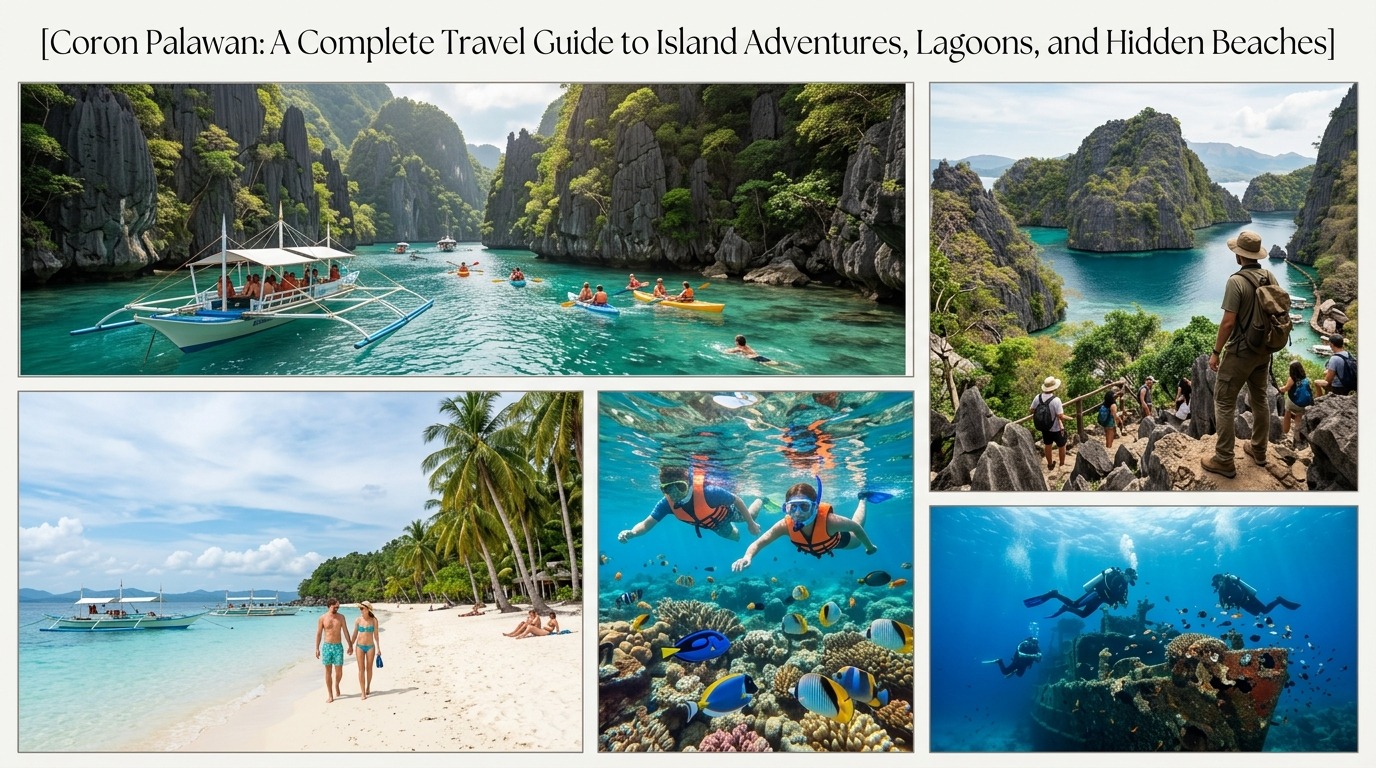
Coron Palawan is one of the Philippines’ most memorable island destinations, known for clear turquoise water, dramatic limestone cliffs, quiet beaches, and beautiful lagoons. Located in northern Palawan, Coron offers a mix of relaxed island scenery and outdoor adventure, making it appealing to travelers who want more than a typical beach holiday. From swimming in hidden lagoons to exploring coral reefs and historic shipwrecks, there is plenty to discover both above and below the water.
A trip to Coron Palawan can be as active or as relaxed as you want. You can spend a morning kayaking through calm water, take an island-hopping boat in the afternoon, and finish the day watching the sunset from a scenic viewpoint. With the right timing and a little planning, Coron is easy to explore while still leaving room for slow mornings, local food, and peaceful moments by the sea.
Where Is Coron Palawan and How Do You Get There?
Coron is a municipality in northern Palawan, Philippines, and the main tourist hub is Coron Town on Busuanga Island. Although people often use “Coron” to describe the entire island destination, many of the famous lagoons, beaches, and snorkeling locations are actually on nearby islands around the Calamian archipelago.
The most convenient way to reach Coron for many international and domestic travelers is by flying into Francisco B. Reyes Airport, also known as Busuanga Airport. The airport is on Busuanga Island, and Coron Town can be reached by road from there.
Travelers can also reach the area by sea, with ferry services connecting Coron with other destinations in Palawan and nearby islands. Travel times and schedules can change, especially because of weather and seasonal conditions, so checking current schedules before departure is important.
Once you arrive in Coron Town, most island excursions are arranged through local tour operators. Boats are the main way to reach the famous lagoons, beaches, snorkeling areas, and dive sites scattered around the surrounding islands.
Best Time to Visit Coron Palawan
Coron has a tropical climate, so warm weather is possible throughout the year. However, rainfall, sea conditions, and boat-trip availability can vary by season.
The generally drier months are often preferred by travelers planning island-hopping and outdoor activities. These months can bring better conditions for boat tours, swimming, snorkeling, diving, and sightseeing. The trade-off is that popular attractions can feel busier during periods of stronger tourist demand.
The wetter season can bring more unpredictable weather, but it may also offer quieter conditions. Rain does not necessarily last all day, although storms and rough seas can affect boat trips. If your schedule is flexible, allowing an extra day or two can be useful in case weather causes a tour to be postponed.
| Travel period | What to expect | Best for |
| Drier months | Generally better conditions for outdoor activities | Island-hopping, beaches, diving |
| Wetter months | Higher chance of rain and changing sea conditions | Flexible travelers and quieter trips |
| Shoulder periods | Conditions can vary from week to week | Travelers seeking a balance |
| Peak holiday periods | Greater demand for accommodation and tours | Travelers who book ahead |
Rather than choosing dates based only on temperature, consider what you want to do. If your main goal is island-hopping, diving, and spending long days on the water, sea conditions should be one of your biggest considerations.
Best Things to Do in Coron Palawan
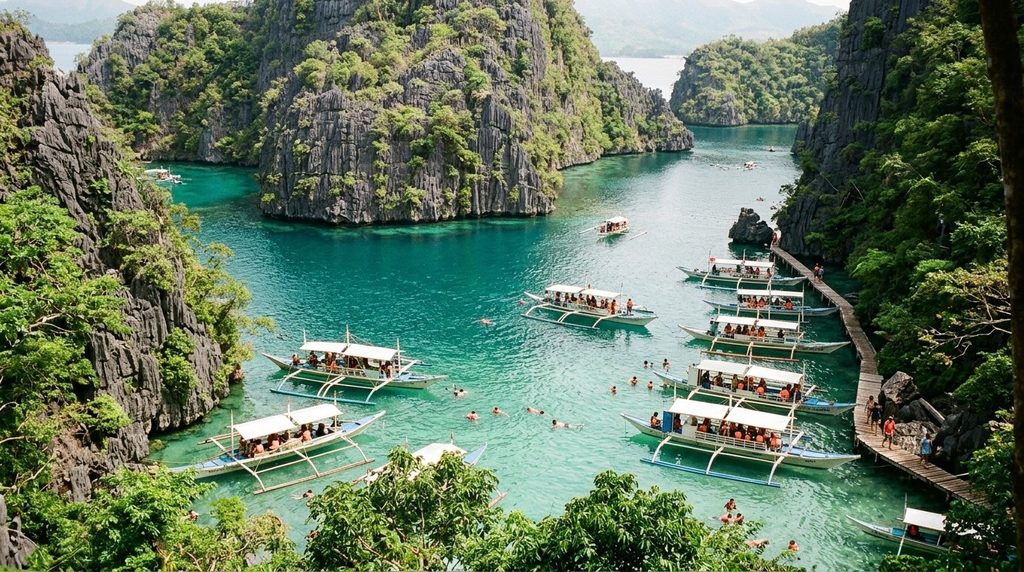
The biggest attraction of Coron is its variety. You can spend one day moving between dramatic lagoons and another exploring underwater wrecks or relaxing on a quiet beach.
Visit Kayangan Lake
Kayangan Lake is among Coron’s best-known attractions. The approach involves a climb over a viewpoint area before reaching the lake, but the combination of limestone scenery and clear water makes the effort worthwhile.
Swimming is a major reason people visit, although visitors should follow local rules and guidance because the area is environmentally sensitive.
Explore Twin Lagoon
Twin Lagoon is another signature Coron experience. Two bodies of water are connected by a narrow passage surrounded by steep limestone cliffs. Depending on conditions and tide, visitors may notice changes in water temperature as different water layers meet.
It is a striking place for swimming and photography, but the area can become busy during popular tour periods.
See Barracuda Lake
Barracuda Lake is known for its unusual underwater environment and dramatic limestone surroundings. Divers often visit because of the distinctive changes in water temperature and depth.
For non-divers, the surrounding scenery and swimming experience still make it an interesting stop.
Visit Coron’s Beaches
Coron is not only about lagoons. Island-hopping tours often include beaches where visitors can swim, relax, have lunch, or simply enjoy the scenery.
Banana Island and nearby beach destinations are commonly included in excursion itineraries, although exact stops depend on the tour and current conditions.
Island-Hopping, Beaches, and Snorkeling Adventures
Island-hopping is one of the easiest ways to experience Coron Palawan because many of its most famous attractions are spread across different islands.
A typical boat excursion may combine lagoons, snorkeling areas, and beaches into one day. Private tours offer more flexibility, while shared tours can be a practical choice for travelers who want to control costs.
Snorkeling is another major attraction. The waters around Coron contain coral gardens, colorful marine life, and clear areas suitable for exploring with a mask and snorkel. Conditions vary by location and weather, so visibility is not guaranteed on every outing.
Choose Your Boat Trip Carefully
Before booking, check what the package includes. Some tours include lunch, drinking water, entrance fees, and snorkeling equipment, while others may charge certain costs separately.
It is also worth asking about the itinerary and approximate departure time. Popular sites can be much busier later in the day, so an early departure may help you enjoy certain locations with fewer visitors.
| Activity | Typical experience | What to consider |
| Island-hopping | Lagoons, beaches, and scenic stops | Shared or private boat |
| Snorkeling | Coral reefs and marine life | Visibility and sea conditions |
| Kayaking | Calm-water exploration | Weather and physical comfort |
| Beach visits | Swimming and relaxing | Sun protection and water |
| Diving | Wrecks, reefs, and underwater scenery | Certification and dive conditions |
Respecting marine areas is particularly important. Avoid touching coral, do not collect shells or marine life, and use reef-safe practices where appropriate. Small choices can make a meaningful difference in protecting the environment that attracts visitors to Coron in the first place.
Diving and Coron’s Historic Shipwrecks
Coron is internationally known among divers for its World War II-era Japanese shipwrecks. Several wrecks lie beneath the waters around the Calamian Islands, creating a distinctive underwater attraction that sets Coron apart from many other Philippine beach destinations.
The wrecks range from sites suitable for experienced divers to locations that can be approached by divers with different levels of experience, depending on the specific site and conditions. A reputable dive center can help match sites with your certification, experience, and comfort level.
Underwater visibility can change with weather and seasonal conditions. Divers should also allow enough time between diving and flying, following recognized dive-safety guidance.
Even travelers who do not dive can enjoy Coron’s marine environment through snorkeling and boat excursions. However, scuba diving requires additional planning, especially if you want to explore deeper wreck sites.
Kayaking, Hiking, and Other Outdoor Adventures
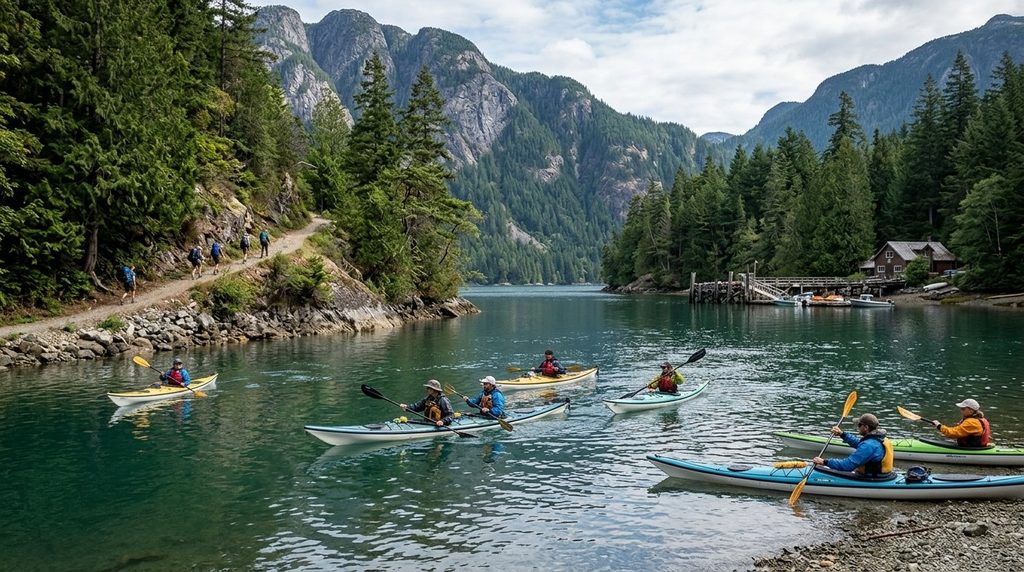
Although Coron is famous for water activities, the destination also offers opportunities to explore on land and by kayak.
Kayaking can be a peaceful way to experience the coastline and lagoons at a slower pace. Paddling through calm water surrounded by limestone cliffs offers a different perspective from sitting on a larger tour boat.
Hiking is another option. Mount Tapyas is the most recognizable viewpoint near Coron Town, and reaching the top requires climbing a long staircase. The elevated view across Coron and the surrounding landscape makes it a popular activity, particularly around sunrise or sunset when conditions are comfortable.
For travelers who enjoy a mix of activities, a balanced itinerary might combine an island-hopping day with a hiking morning, a diving trip, and a slower afternoon in town.
Where to Stay in Coron Palawan
Accommodation in Coron ranges from simple guesthouses and budget rooms to comfortable hotels and resorts. Coron Town is the practical base for many travelers because restaurants, shops, tour operators, transportation, and everyday services are nearby.
Staying in town is particularly convenient if you plan to join shared island-hopping tours. It also makes it easier to arrange transfers, rent transportation, or walk to local restaurants.
Resorts outside the town center can offer a quieter atmosphere and more scenic surroundings. They may be better suited to travelers who want privacy and relaxation, although transportation can be less convenient.
Choosing the Right Area
If you are visiting Coron mainly for tours, consider how easily you can reach the tour departure point. If your priority is relaxation, a more secluded property may make more sense.
When comparing accommodation, look beyond the room itself. Check whether breakfast, transfers, Wi-Fi, air conditioning, and other services are included, and confirm the property’s location before booking.
Food, Local Culture, and Life in Coron Town
Coron Town is a useful place to slow down between boat trips. The town has a relaxed atmosphere, with restaurants and small eateries serving Filipino dishes alongside international options.
Travelers can try familiar Filipino favorites such as grilled seafood, rice dishes, noodle meals, and regional-style preparations. Fresh seafood is naturally popular in an island destination, although restaurant menus and availability vary.
Beyond food, spending time in town provides a chance to experience a different side of Coron. Local shops, markets, small businesses, and everyday streets show a more ordinary rhythm than the postcard views found on island tours.
Visitors should also remember that Coron is a living community rather than simply a holiday backdrop. Respect local customs, avoid unnecessary litter, and support locally operated businesses when possible.
Getting Around and Planning Your Coron Itinerary
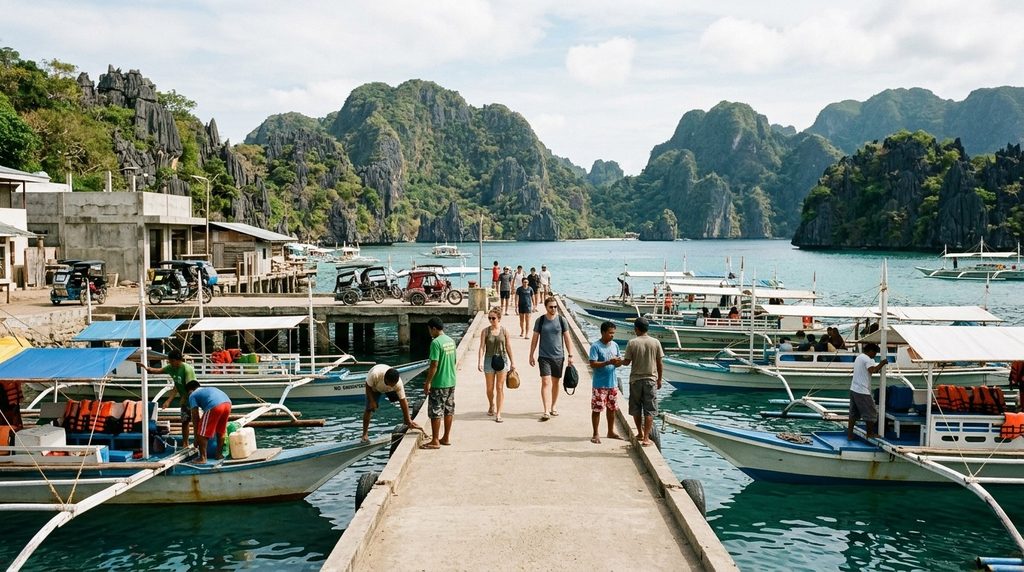
Coron is relatively straightforward to explore once you understand how the destination is organized. Coron Town works as the main base, while boats provide access to many attractions outside the town.
Tricycles are commonly used for local transportation, while motorbike rentals may suit travelers who are comfortable riding and have the appropriate license and experience. For airport transfers, pre-arranged transportation can make arrival and departure easier.
A first-time visitor could consider an itinerary that leaves enough flexibility for weather and boat conditions.
A Simple Travel Plan
Day 1: Arrive, settle into your accommodation, explore Coron Town, and visit Mount Tapyas if conditions are suitable.
Day 2: Take an island-hopping trip focused on major lagoons and swimming areas.
Day 3: Explore snorkeling sites, beaches, or another island-hopping route.
Day 4: Go diving or enjoy a slower day with kayaking and local sightseeing.
Day 5: Keep the day flexible for another excursion, weather backup, or a relaxed departure.
The exact number of days you need depends on your interests. Divers may want longer stays, while travelers focused mainly on the classic lagoons and beaches can experience many highlights in a shorter visit.
Practical Travel Tips for a Comfortable Trip
Good preparation can make a significant difference in Coron, especially because many of the best experiences depend on weather and sea conditions.
Bring sun protection, comfortable footwear, swimwear, a reusable water bottle, and a dry bag for electronics. A waterproof phone pouch can also be useful during boat trips, although it should not replace sensible care around water.
Keep some flexibility in your schedule. Boat tours can be affected by strong winds, heavy rain, or rough seas, and an itinerary that leaves no room for changes can become stressful.
It is also wise to carry enough cash for smaller purchases and local transportation, while checking in advance whether your accommodation or preferred restaurants accept cards.
Most importantly, treat the marine environment carefully. Do not stand on coral, avoid touching marine animals, take your rubbish with you, and follow instructions from local guides.
Travel insurance can also be worth considering, particularly for travelers planning diving, water activities, or longer multi-stop trips.
FAQs
How many days are enough for Coron Palawan?
Four to five days can give first-time visitors enough time for major island-hopping experiences, snorkeling, sightseeing, and some relaxation. Divers may prefer a longer stay.
Is Coron Palawan expensive to visit?
Coron can suit different budgets. Accommodation, transportation, tours, and dining vary widely, so travelers can choose between budget guesthouses, mid-range stays, and higher-end resorts.
What is Coron Palawan famous for?
Coron is especially famous for its limestone lagoons, clear coastal waters, beaches, snorkeling, and historic Japanese shipwreck dive sites.
Is Coron suitable for families?
Yes, many travelers visit Coron with families. Families should choose activities according to children’s swimming ability, comfort with boats, weather conditions, and the physical demands of each excursion.
Can you visit Coron without diving?
Absolutely. Diving is only one part of the destination. Island-hopping, swimming, snorkeling, kayaking, hiking, beaches, and sightseeing provide plenty of alternatives.
Conclusion:
Coron Palawan brings together many of the experiences travelers associate with a tropical Philippine escape, from turquoise lagoons and limestone cliffs to quiet beaches and rich underwater scenery. Its famous attractions can be busy, but careful planning and a little flexibility can help you enjoy the destination at a more comfortable pace.
Whether you come for island-hopping, diving, snorkeling, hiking, or simply time beside the sea, Coron Palawan offers plenty of ways to build a memorable trip. Give yourself enough time to explore beyond the most photographed places, respect the local environment, and leave room for the weather to shape your plans.
Read more:El Nido: A Complete Travel Guide to Palawan’s Island Paradise