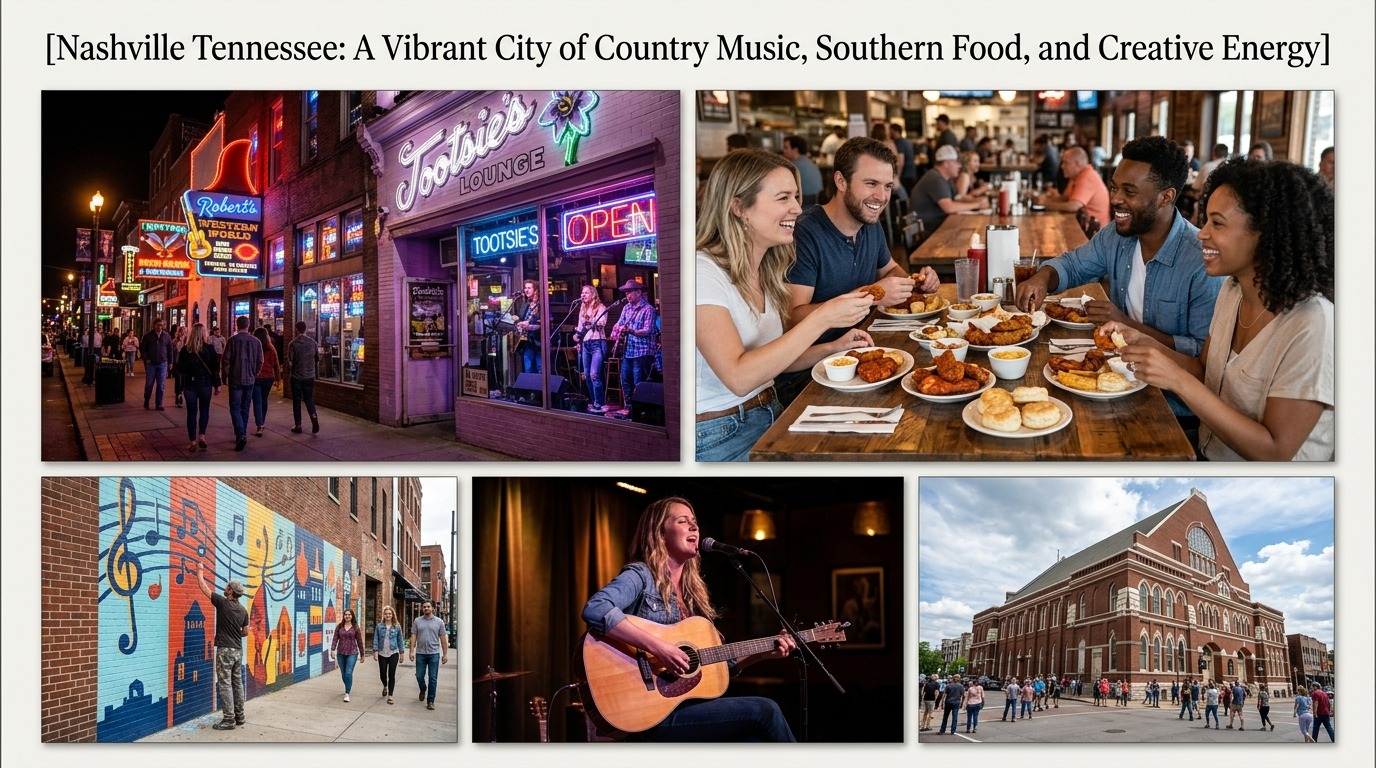
Nashville Tennessee is a lively Southern city known for country music, historic neighborhoods, welcoming restaurants, creative venues, and a strong sense of local identity. Often called “Music City,” Nashville attracts visitors with its legendary recording history, live performances, colorful streets, and energetic nightlife. Yet the city offers much more than music, with museums, parks, cultural attractions, sporting events, and a growing food scene that makes it appealing to many kinds of travelers.
From the honky-tonks of Lower Broadway to the peaceful paths of Centennial Park, Nashville Tennessee blends urban excitement with Southern charm. Visitors can explore music history, taste regional dishes, discover independent shops, attend concerts, or spend a relaxed afternoon in one of the city’s leafy neighborhoods. Whether you are planning a weekend getaway, a family vacation, or a longer cultural trip, Nashville offers plenty of memorable experiences.
Where Is Nashville Tennessee and What Is It Famous For?
Nashville is the capital of Tennessee and sits along the Cumberland River in the central part of the state. It is one of the most recognized cities in the American South and serves as an important center for music, education, healthcare, business, and tourism.
The city is best known for its influence on country music. Many famous performers have recorded, performed, or built their careers in Nashville, and the city remains home to recording studios, music publishers, performance venues, and live entertainment spaces.
Nashville is also associated with:
- Country music and songwriting
- Historic recording studios
- Southern comfort food
- Civil rights history
- Professional sports
- Universities and cultural institutions
- Distinctive neighborhoods
- Live music throughout the week
Although downtown Nashville is energetic and visitor-focused, other parts of the city reveal a quieter side through local cafés, historic homes, parks, galleries, and neighborhood restaurants.
Best Things to Do in Downtown Nashville
Downtown is often the first area visitors explore because many major attractions are located within a relatively walkable section of the city. It can be busy, especially on evenings and weekends, but it offers a lively introduction to Nashville’s character.
Lower Broadway
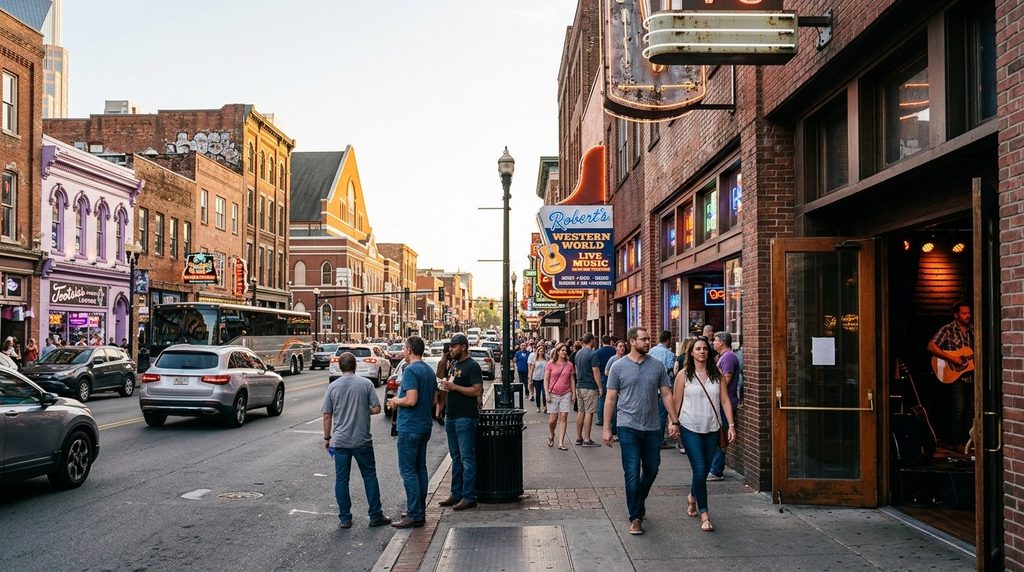
Lower Broadway is Nashville’s most famous entertainment district. The street is lined with honky-tonks, restaurants, souvenir shops, rooftop bars, and live music venues.
Many venues feature musicians throughout the day, and visitors can often hear different styles of country, rock, blues, and Southern music while walking between locations.
The atmosphere is energetic, particularly after sunset. Travelers should expect crowds, loud music, and busy sidewalks, especially during weekends and major events.
Ryman Auditorium
Ryman Auditorium is one of Nashville’s most respected historic music venues. Known for its outstanding acoustics and long performance history, it has hosted many influential artists across different musical genres.
Visitors may explore the building through tours, exhibits, or scheduled performances. Checking the official calendar before visiting is useful because events and access arrangements vary.
Country Music Hall of Fame and Museum
The Country Music Hall of Fame and Museum explores the development of country music through recordings, instruments, costumes, photographs, and historical displays.
It is a valuable attraction for both devoted music fans and visitors who want a broader understanding of Nashville’s cultural influence.
Bridgestone Arena
Bridgestone Arena hosts concerts, sporting events, and large-scale entertainment. It is located near downtown’s main attractions and can be a convenient option for travelers attending a scheduled event.
Riverfront Park
Riverfront Park sits beside the Cumberland River and offers open space near downtown. It is a pleasant place for a short walk, views of the river, and occasional public events.
Nashville’s Music History and Live Entertainment
Music is central to Nashville Tennessee, but the city’s musical identity extends beyond one genre. Visitors can discover country, bluegrass, gospel, rock, Americana, jazz, and independent songwriting scenes.
Grand Ole Opry
The Grand Ole Opry is one of the most famous institutions in country music. Its performances bring together established artists and emerging talent in a long-running live music tradition.
Attending a show can be a highlight for visitors interested in Nashville’s musical heritage. The experience is different from visiting a busy downtown bar because it focuses more directly on stage performances and the traditions of country music.
Music Row
Music Row is a historic area associated with recording studios, music publishers, record labels, and the business side of Nashville’s music industry.
The neighborhood is worth exploring for travelers interested in songwriting and recording history. Some attractions require advance reservations, while others are best appreciated through a guided tour or self-directed walk.
National Museum of African American Music
The National Museum of African American Music explores the contributions of African American artists and musical traditions across genres. Exhibits connect music with social history, creativity, and cultural change.
The museum provides valuable context for understanding how gospel, blues, jazz, R&B, hip-hop, and other forms have influenced American music.
Bluebird Cafe
The Bluebird Cafe is known for intimate songwriter performances. Its small setting has helped make it an important part of Nashville’s songwriting culture.
Reservations and ticket arrangements can be important because seating is limited and popular performances may sell quickly.
Live Music Beyond Broadway
Travelers who want a more local atmosphere can explore venues outside Lower Broadway. Neighborhood bars, listening rooms, coffeehouses, and independent stages often feature talented musicians in less crowded settings.
A good Nashville music itinerary may include both a major historic venue and a smaller local performance space.
Historic Neighborhoods and Cultural Attractions
Nashville has several neighborhoods where architecture, local businesses, history, and culture come together. Exploring these areas can make a trip feel more personal and less centered on major tourist attractions.
Germantown
Germantown is one of Nashville’s historic neighborhoods and is known for restored homes, independent restaurants, cafés, and attractive streets.
It is a good area for relaxed walking, dining, and discovering local businesses. The neighborhood also offers access to Bicentennial Capitol Mall State Park.
The Gulch
The Gulch is a modern, walkable district filled with restaurants, boutiques, hotels, murals, and apartments. It is popular with visitors who enjoy contemporary urban spaces and convenient dining options.
East Nashville
East Nashville has a creative, neighborhood-focused atmosphere. Visitors can find independent coffee shops, casual restaurants, vintage stores, music venues, and locally owned businesses.
The area is especially appealing to travelers who want to experience Nashville beyond the downtown entertainment district.
12 South
The 12 South neighborhood is known for cafés, boutiques, murals, restaurants, and tree-lined streets. It is a popular place for shopping, photography, and a slower afternoon.
Belle Meade
Belle Meade offers historic homes, established neighborhoods, and a more residential atmosphere. The area is associated with the Belle Meade Plantation historic site, which provides insight into the region’s complicated history.
Bicentennial Capitol Mall State Park
This urban park near the Tennessee State Capitol includes walking paths, monuments, water features, and views toward downtown. It is a useful place to learn about Tennessee’s history while enjoying open space.
| Neighborhood or Area | Atmosphere | Best For |
| Downtown and Lower Broadway | Lively, crowded, and entertainment-focused | Live music and nightlife |
| Germantown | Historic and relaxed | Restaurants and architecture |
| The Gulch | Modern and walkable | Shopping, hotels, and dining |
| East Nashville | Creative and local | Independent businesses and music |
| 12 South | Trendy and neighborhood-oriented | Cafés, boutiques, and murals |
| Belle Meade | Residential and historic | Heritage and peaceful sightseeing |
Museums and Family-Friendly Attractions
Nashville Tennessee offers several attractions that work well for families, curious travelers, and visitors who want a break from nightlife.
Adventure Science Center
Adventure Science Center features interactive exhibits related to science, space, technology, and the natural world. Hands-on displays make it a useful option for families traveling with children.
Nashville Zoo
Nashville Zoo provides opportunities to learn about animals and conservation. It includes exhibits and outdoor spaces designed for visitors of different ages.
Travelers should check current animal presentations, seasonal hours, and special programs before visiting.
Tennessee State Museum
The Tennessee State Museum explores the state’s history through exhibits covering Indigenous cultures, settlement, political developments, military history, art, and everyday life.
It is a worthwhile attraction for visitors who want to understand Tennessee beyond Nashville’s music identity.
Frist Art Museum
The Frist Art Museum presents changing exhibitions covering different periods, artists, and styles. Its location near downtown makes it convenient to include in a city sightseeing itinerary.
Cheekwood Estate and Gardens
Cheekwood combines historic architecture, gardens, art, and seasonal displays. The grounds are particularly appealing during spring blooms and autumn color, although the experience changes throughout the year.
Tennessee State Capitol
The Tennessee State Capitol is an important architectural and political landmark. Visitors can learn about the building’s history and Tennessee’s government through available tours and public information.
Parks, Outdoor Activities, and Scenic Places
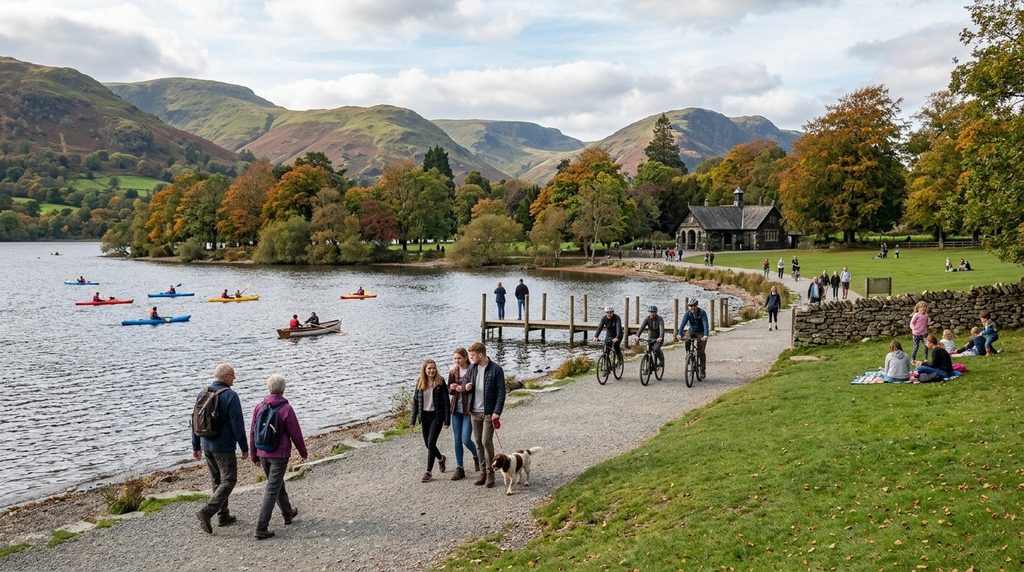
Nashville is an urban destination, but it also offers parks, greenways, lakes, and outdoor spaces for travelers who enjoy fresh air and slower activities.
Centennial Park
Centennial Park is one of Nashville’s most popular urban parks. It is known for its full-scale replica of the Parthenon, walking paths, open lawns, and cultural events.
The Parthenon was built as part of Tennessee’s centennial celebration and now serves as an art museum and architectural landmark.
Percy Warner Park
Percy Warner Park offers wooded trails, open landscapes, picnic areas, and opportunities for hiking and horseback riding. It is a good choice for travelers who want to escape the city center for a few hours.
Radnor Lake State Park
Radnor Lake is a protected natural area known for wildlife observation, walking trails, and peaceful scenery. It is especially popular with birdwatchers and nature lovers.
Visitors should follow park rules, remain on designated trails, and avoid disturbing wildlife.
Shelby Bottoms Greenway
Shelby Bottoms Greenway provides walking and cycling routes through natural areas near the Cumberland River. It is suitable for travelers looking for an easy outdoor activity close to the city.
Cumberland River
The Cumberland River shapes Nashville’s landscape and offers scenic views from parks, bridges, and waterfront areas. Depending on conditions and available operators, visitors may also find opportunities for kayaking, boating, or guided river experiences.
Outdoor Activities in Nashville
Popular outdoor options include:
- Walking through Centennial Park
- Hiking at Radnor Lake
- Cycling along greenways
- Exploring wooded trails
- Enjoying public gardens
- Attending outdoor concerts
- Photographing city and river views
Nashville Food and Southern Dining Experiences
Nashville’s food scene has grown far beyond traditional Southern cooking. Visitors can enjoy classic regional dishes alongside modern restaurants, international cuisine, coffee shops, bakeries, and creative food halls.
Nashville Hot Chicken
Nashville hot chicken is one of the city’s signature dishes. It typically features fried chicken coated with a spicy seasoning and served with sides such as white bread, pickles, fries, or Southern vegetables.
Spice levels vary considerably, so travelers who are sensitive to heat should ask about the restaurant’s options before ordering.
Barbecue
Tennessee is well known for barbecue, and Nashville offers several styles and interpretations. Menus may include smoked pork, ribs, brisket, chicken, and traditional Southern sides.
Biscuits and Gravy
Biscuits and gravy are a familiar Southern breakfast choice. Soft biscuits are served with a savory gravy, often made with sausage or other seasonings.
Meat-and-Three
A meat-and-three meal typically includes one main protein and three side dishes. Common sides may include mashed potatoes, greens, macaroni and cheese, beans, or cornbread.
This style of dining is useful for travelers who want a filling and traditional Southern meal.
Farmers Markets
Nashville farmers markets offer fresh produce, baked goods, prepared foods, and locally made products. The Nashville Farmers’ Market near downtown is a convenient option for visitors interested in regional ingredients and casual meals.
Coffee Shops and Modern Restaurants
Neighborhoods such as East Nashville, 12 South, Germantown, and The Gulch have a wide range of cafés and contemporary restaurants. These areas are useful for travelers who want brunch, specialty coffee, vegetarian dishes, or international flavors.
Travelers should make reservations for popular restaurants during weekends and busy event periods.
Shopping, Nightlife, and Entertainment
Nashville offers shopping and nightlife experiences ranging from lively downtown venues to independent neighborhood businesses.
Broadway Honky-Tonks
The honky-tonks along Broadway are central to Nashville’s nightlife. Many offer live music, drinks, food, and rooftop seating.
Visitors should be aware that some venues have age restrictions at certain times, cover charges, or minimum spending requirements.
Local Boutiques
The Gulch, 12 South, Hillsboro Village, and East Nashville are good areas for independent boutiques, clothing stores, home décor, records, gifts, and locally designed products.
Record Stores
Music lovers may enjoy browsing Nashville’s record shops for country, blues, rock, Americana, and independent releases.
Printers Alley
Printers Alley has a long entertainment history and includes bars and performance venues. It offers a different nightlife atmosphere from Broadway and may appeal to travelers interested in historic entertainment districts.
Live Events
Nashville hosts concerts, festivals, sports events, theater productions, and cultural programs throughout the year. Event calendars can influence hotel prices and traffic, so visitors should check schedules before booking.
Where to Stay in Nashville Tennessee
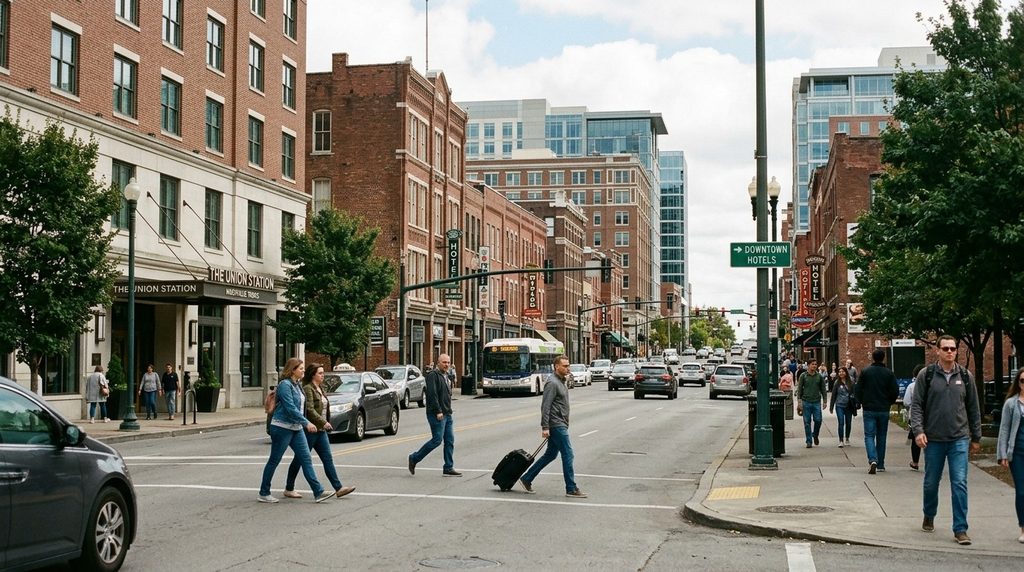
Nashville has accommodation for different budgets and travel styles, including luxury hotels, boutique properties, vacation rentals, budget-friendly hotels, and historic inns.
Downtown
Downtown is convenient for visitors who want easy access to Broadway, museums, restaurants, and major entertainment venues. It can be lively and expensive, particularly during weekends and major events.
The Gulch
The Gulch offers modern hotels, restaurants, shopping, and a walkable atmosphere. It is suitable for travelers who want to remain close to downtown while staying in a contemporary neighborhood.
Midtown and Music Row
Midtown and Music Row are practical for visitors interested in music history, universities, restaurants, and access to several central areas.
East Nashville
East Nashville may appeal to travelers seeking independent cafés, local restaurants, music venues, and a neighborhood feel. Transportation planning is useful if you intend to visit downtown frequently.
Opryland Area
The Opryland area is convenient for travelers attending events at the Grand Ole Opry or visiting nearby attractions. It is farther from downtown, so visitors should consider transportation time.
Budget Considerations
Nashville accommodation prices can rise during weekends, festivals, major concerts, sports events, and holiday periods. Booking early and comparing neighborhoods may help travelers find better value.
Getting Around Nashville and Practical Travel Tips
Nashville is spread across a broad metropolitan area, so transportation choices depend on where you stay and which attractions you plan to visit.
Rental Cars
A rental car can be useful for visiting attractions outside downtown, such as Radnor Lake, Cheekwood, Belle Meade, and Percy Warner Park.
However, parking costs and downtown traffic should be considered before renting.
Walking
Downtown, The Gulch, parts of Germantown, and sections of 12 South are relatively suitable for walking. Distances between neighborhoods can be greater than they first appear.
Rideshare and Taxis
Rideshare services are widely used by visitors, especially for evenings out, airport transfers, and travel between neighborhoods.
Public Transportation
Nashville’s public transportation network can serve some major routes, but it may not be the fastest option for visitors with a packed sightseeing schedule. Check current routes and service times before relying on buses.
B-Cycle and Cycling
Bike-share and greenway cycling may be available in selected areas. Visitors should check current rental locations and follow road-safety guidelines.
Practical Tips
- Reserve accommodation early during major events.
- Wear comfortable shoes for downtown walking.
- Carry a light jacket because temperatures can change by season.
- Make restaurant reservations for popular dining spots.
- Check concert and sports schedules before planning your trip.
- Keep valuables secure in crowded entertainment areas.
- Allow extra time for traffic during concerts and sporting events.
- Use caution when walking late at night in unfamiliar areas.
- Check attraction hours before visiting museums and historic sites.
- Plan transportation in advance if staying outside central neighborhoods.
Best Time to Visit Nashville Tennessee
Nashville can be visited throughout the year, but each season offers a different experience.
Spring
Spring brings mild weather, blooming gardens, outdoor events, and attractive conditions for walking through parks and neighborhoods. It is a popular time for sightseeing and music-related travel.
Summer
Summer is warm and often humid. Outdoor concerts, festivals, and events are common, but visitors should plan breaks from the heat and carry water during long walks.
Fall
Autumn offers comfortable temperatures, seasonal scenery, and a busy calendar of concerts and sporting events. It can be an enjoyable season for exploring parks and taking scenic drives.
Winter
Winter is generally quieter than the peak travel seasons, although holiday events and major concerts can still attract visitors. Some outdoor activities may be less comfortable on colder or rainy days.
| Season | Typical Travel Experience | Planning Considerations |
| Spring | Mild weather, gardens, outdoor sightseeing | Popular weekends may require early booking |
| Summer | Festivals, concerts, and long daylight hours | Heat, humidity, and event crowds |
| Fall | Comfortable weather and seasonal scenery | Busy concert and sports calendar |
| Winter | Quieter attractions and holiday events | Cooler weather and occasional rain |
The best time to visit Nashville Tennessee depends on your interests. Music fans may plan around a specific concert, while outdoor travelers may prefer spring or fall. Anyone attending a major event should book hotels and transportation well ahead of time.
FAQs
What is Nashville Tennessee best known for?
Nashville Tennessee is best known for country music, live performances, historic recording studios, the Grand Ole Opry, Lower Broadway, and its strong songwriting culture.
How many days do you need in Nashville?
A two- to three-day trip is enough to explore major downtown attractions, visit a music museum, enjoy live music, and try local food. A longer stay allows time for parks, neighborhoods, and attractions outside the city center.
Is Nashville Tennessee good for families?
Yes, Nashville offers family-friendly attractions such as Adventure Science Center, Nashville Zoo, Centennial Park, the Parthenon, museums, and outdoor parks.
What food should visitors try in Nashville?
Visitors should consider trying Nashville hot chicken, barbecue, meat-and-three meals, biscuits and gravy, Southern desserts, and locally prepared seasonal dishes.
Do you need a car in Nashville?
A car is not always necessary if you stay downtown and focus on nearby attractions. However, a rental car or rideshare service can be useful for visiting distant neighborhoods, parks, historic estates, and attractions outside the central area.
Conclusion:
Nashville Tennessee offers a lively blend of music history, Southern food, cultural attractions, outdoor spaces, and welcoming neighborhoods. From the live performances of Lower Broadway and the historic Ryman Auditorium to the peaceful trails of Radnor Lake and the creative energy of East Nashville, the city provides experiences for travelers with many different interests.
Whether you visit for a weekend of country music, a family holiday, a food-focused getaway, or a deeper exploration of Southern culture, Nashville Tennessee rewards visitors who take time to explore beyond its most famous streets. With thoughtful planning, comfortable walking shoes, and a flexible itinerary, you can enjoy both the excitement and the quieter charm of Music City.
Read more:Antigua Island: A Caribbean Paradise of Beautiful Beaches, History, and Island Charm