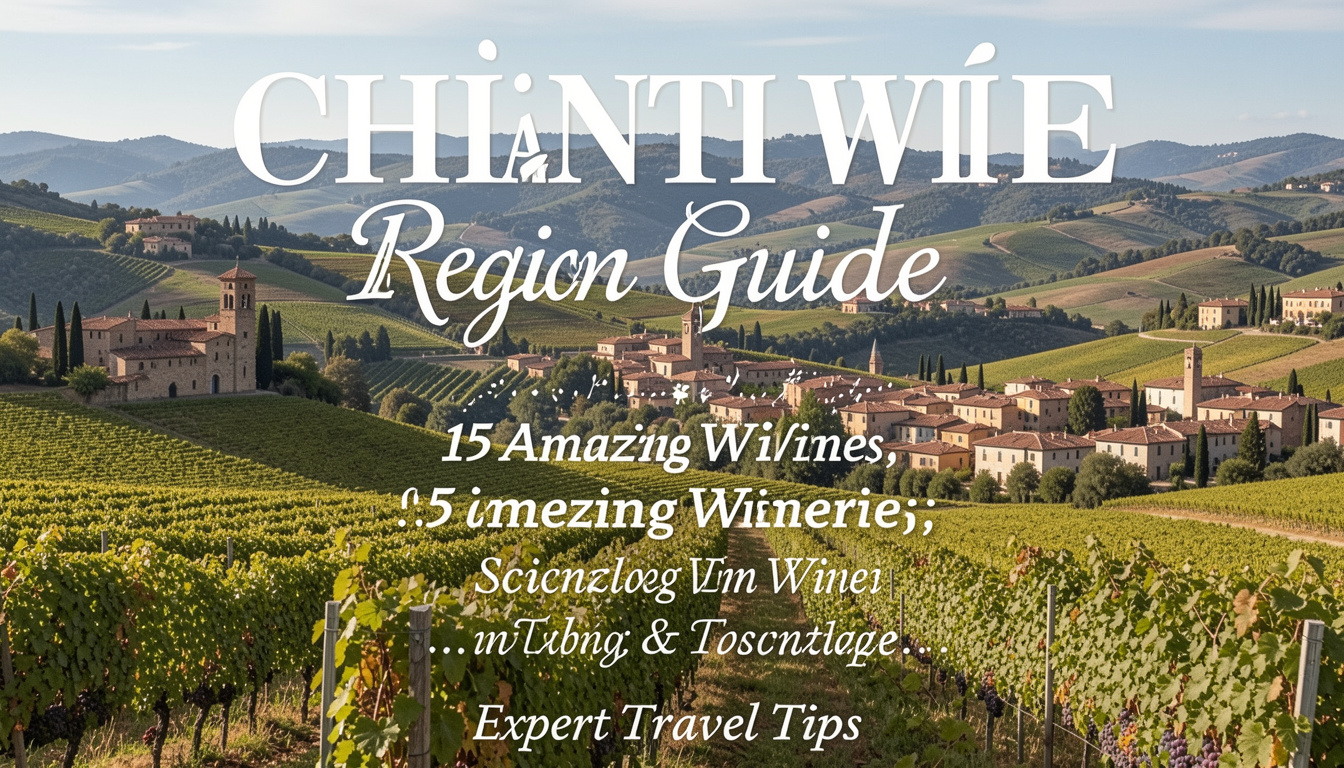
Dreaming of endless vineyards, charming stone villages, and unforgettable glasses of world-famous Italian wine? The Chianti Wine Region delivers all of this and much more. Located in the heart of Tuscany, this breathtaking destination combines stunning landscapes with centuries of winemaking tradition, making it one of Europe’s most rewarding travel experiences.
Whether you’re planning your first trip to Italy or returning to explore Tuscany more deeply, the Chianti Wine Region offers something for every traveler. From family-owned wineries and luxury wine estates to scenic countryside drives and authentic Tuscan cuisine, every stop tells a story. This guide covers everything you need to know so you can plan the perfect wine adventure with confidence.
What Is the Chianti Wine Region?
The Chianti Wine Region is a historic wine-producing area in Tuscany, Italy, celebrated for producing some of the world’s finest red wines. Stretching between Florence and Siena, this region is known for rolling green hills, vineyards, olive groves, medieval castles, and charming villages.
Chianti wines are primarily made from the Sangiovese grape, which gives the wine its bright cherry flavors, balanced acidity, and smooth tannins. Strict Italian wine regulations ensure that bottles labeled Chianti Classico DOCG meet high-quality standards, making them a trusted choice for wine lovers around the world.
Today, the region welcomes millions of visitors every year who come not only to taste exceptional wines but also to experience authentic Tuscan culture, farm-to-table dining, cooking classes, cycling routes, and luxury countryside stays.
What Makes the Chianti Wine Region Special?
Unlike many wine destinations, Chianti offers a complete cultural experience. Visitors can enjoy:
- Hundreds of historic wineries
- Family-owned vineyards
- Medieval hilltop villages
- Scenic drives through Tuscany
- Olive oil tastings
- Traditional Tuscan restaurants
- Luxury villas and agriturismos
- Seasonal wine festivals
- Beautiful hiking and cycling routes
This combination of wine, food, history, and breathtaking scenery makes the Chianti Wine Region one of Italy’s top travel destinations.
Douro Valley Wine Tour: 15 Amazing Experiences for the Perfect Portugal Wine Adventure
Where Is the Chianti Wine Region?
The Chianti Wine Region sits in central Tuscany, roughly halfway between Florence and Siena. It stretches across thousands of acres of vineyards, forests, olive groves, and picturesque countryside.
| Location | Distance |
| Florence to Chianti | 30–45 minutes |
| Siena to Chianti | 30–40 minutes |
| Pisa to Chianti | About 1 hour 45 minutes |
| Rome to Chianti | Around 3 hours |
Because of its central location, many travelers visit the region as a day trip from Florence. However, staying for two or three nights allows you to enjoy wine tastings, scenic villages, and countryside accommodations at a relaxed pace.
Why the Location Matters

The hills of Chianti provide ideal growing conditions for grapes. Warm sunny days, cool nights, limestone-rich soils, and gentle slopes create wines with excellent balance, freshness, and aging potential.
The landscape is equally impressive. Winding roads lined with cypress trees, vineyards stretching across rolling hills, and centuries-old stone villages make every drive feel like a postcard.
Why Is the Chianti Wine Region Famous?
The Chianti Wine Region has earned worldwide recognition thanks to its exceptional wines, rich heritage, and breathtaking scenery. It has been producing wine for centuries and remains one of Italy’s most celebrated wine destinations.
Here are the biggest reasons travelers fall in love with Chianti:
World-Class Wines
Chianti is best known for elegant red wines made primarily from the Sangiovese grape. These wines are celebrated for their bright fruit flavors, food-friendly acidity, and ability to age beautifully.
Historic Winemaking Tradition
Winemaking has shaped life in Chianti for hundreds of years. Many estates continue to use traditional methods while combining them with modern techniques to produce high-quality wines.
Stunning Tuscan Landscapes
Rolling vineyards, olive groves, cypress-lined roads, and golden hills create one of Italy’s most photographed landscapes.
Authentic Italian Villages
The region is filled with medieval towns where visitors can wander cobblestone streets, browse artisan shops, and enjoy meals in family-run restaurants.
Food and Wine Pairing
Fresh pasta, grilled meats, truffle dishes, pecorino cheese, and extra virgin olive oil pair perfectly with local Chianti wines, creating unforgettable dining experiences.
History of Chianti Wine
The story of the Chianti Wine Region stretches back more than 700 years. While grapes have been grown in Tuscany since Roman times, the Chianti area gained recognition during the Middle Ages as local farmers refined their winemaking traditions.
In the 13th century, villages such as Greve, Radda, and Castellina became important centers of wine production. As demand grew, merchants began exporting Chianti wines throughout Italy and eventually across Europe.
A major milestone came in 1716, when Grand Duke Cosimo III de’ Medici officially defined the original Chianti production area. This was one of the earliest examples of a legally protected wine region anywhere in the world.
Over the centuries, winemakers improved vineyard practices and quality standards. The creation of the Chianti Classico DOCG designation further strengthened the region’s global reputation by ensuring strict production rules and consistent quality.
Today, the Chianti Wine Region blends centuries-old traditions with modern innovation, producing wines that are enjoyed by enthusiasts across the globe while preserving the area’s cultural heritage.
Chianti vs. Chianti Classico
Many travelers assume these terms mean the same thing, but there are important differences.
| Feature | Chianti | Chianti Classico |
| Production Area | Larger wine-growing zone across Tuscany | Historic heart of Chianti between Florence and Siena |
| Quality Standards | High | Stricter DOCG regulations |
| Symbol | Standard label | Black Rooster (Gallo Nero) seal |
| Flavor Profile | Fruity and approachable | More complex, structured, and age-worthy |
| Best For | Everyday drinking | Premium wine tasting and collecting |
Travel Tip: If you’re visiting wineries, look for bottles with the Black Rooster (Gallo Nero) symbol. It indicates authentic Chianti Classico, produced in the region’s historic core under stricter quality standards.
Best Towns to Visit in the Chianti Wine Region
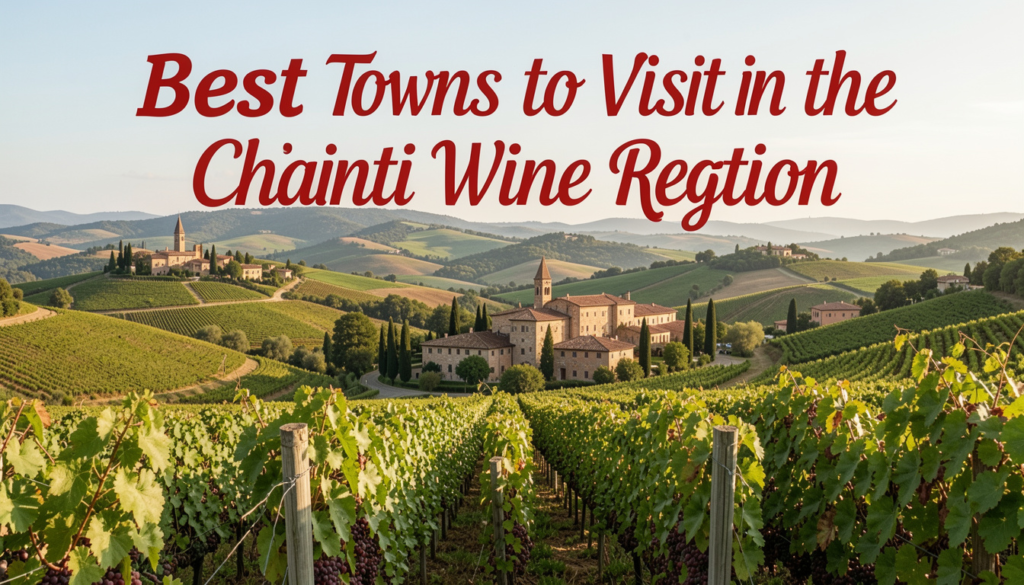
The Chianti Wine Region is more than vineyards and wine tastings. It is home to charming medieval towns, scenic countryside roads, and welcoming local communities. Each town has its own personality, making it worth exploring beyond the wineries.
Greve in Chianti
Greve in Chianti is often called the gateway to the Chianti Wine Region. The town is famous for its beautiful triangular main square, lively cafés, artisan shops, and weekly markets.
Visitors can enjoy wine bars, gourmet restaurants, olive oil tastings, and nearby vineyards. It’s an excellent starting point for first-time visitors because everything is within walking distance.
Highlights
- Historic Piazza Matteotti
- Wine museums
- Local butcher shops
- Boutique wineries
- Weekend markets
Perfect For
- First-time visitors
- Food lovers
- Couples
- Day trips from Florence
Radda in Chianti
Surrounded by vineyards and ancient stone walls, Radda is one of Tuscany’s most picturesque hill towns. Narrow cobblestone streets and peaceful squares make it feel like stepping back in time.
Many award-winning wineries are located just outside the village, making Radda an ideal stop for premium wine tastings.
Highlights
- Medieval streets
- Scenic viewpoints
- Boutique wine cellars
- Historic churches
- Quiet atmosphere
Castellina in Chianti
Castellina combines history with spectacular countryside views. Its ancient fortress, charming old town, and panoramic terraces attract visitors throughout the year.
Wine lovers appreciate the variety of family-owned vineyards surrounding the town.
Don’t Miss
- Rocca Fortress
- Via delle Volte
- Local wine shops
- Tuscan restaurants
- Scenic photography spots
Gaiole in Chianti
Gaiole is known for luxury vineyards, elegant countryside estates, and peaceful surroundings.
This area is home to several prestigious wineries producing premium Chianti Classico wines.
Activities include:
- Wine tasting
- Cycling
- Castle visits
- Olive oil tours
- Cooking classes
Panzano in Chianti
Panzano sits on a hill overlooking endless vineyards. It has become famous for its food scene, friendly atmosphere, and incredible panoramic views.
Visitors often combine wine tasting with long Tuscan lunches featuring locally sourced ingredients.
Guinness Storehouse Tickets: 2026 Ultimate Guide to Prices, Tours & Money-Saving Tips
Comparison of the Best Chianti Towns
| Town | Best For | Time Needed | Family Friendly | Wine Tasting |
| Greve | First-time visitors | Half day | ⭐⭐⭐⭐⭐ | ⭐⭐⭐⭐⭐ |
| Radda | Premium wineries | Half day | ⭐⭐⭐⭐ | ⭐⭐⭐⭐⭐ |
| Castellina | History & views | Half day | ⭐⭐⭐⭐ | ⭐⭐⭐⭐ |
| Gaiole | Luxury experiences | Full day | ⭐⭐⭐⭐ | ⭐⭐⭐⭐⭐ |
| Panzano | Food lovers | Half day | ⭐⭐⭐⭐ | ⭐⭐⭐⭐ |
Best Wineries in the Chianti Wine Region
One of the biggest reasons travelers visit the Chianti Wine Region is to experience authentic Tuscan wineries. From centuries-old estates to modern vineyards, every winery offers something unique.
Here are some of the most respected wineries worth adding to your itinerary.
Castello di Ama
Known for combining exceptional wines with contemporary art installations, Castello di Ama offers guided vineyard walks, cellar tours, and premium tastings.
Best For
- Luxury travelers
- Wine collectors
- Photography enthusiasts
Castello di Brolio
This historic castle has played a major role in the development of modern Chianti wine.
Visitors can enjoy:
- Castle tours
- Wine tastings
- Museum exhibits
- Panoramic countryside views
Badia a Coltibuono
Originally founded as a monastery, this estate offers one of the most authentic experiences in Tuscany.
Popular activities include:
- Organic wine tastings
- Olive oil sampling
- Cooking classes
- Garden tours
Castello di Verrazzano
One of the region’s best-known wineries, this estate is famous for informative guided tours and delicious food pairings.
Guests can explore underground wine cellars before enjoying lunch overlooking the vineyards.
Felsina Winery
Wine enthusiasts appreciate Felsina for producing elegant Chianti Classico wines with excellent aging potential.
The peaceful location also makes it ideal for visitors looking to escape busy tourist areas.
Winery Comparison Table
| Winery | Tours | Restaurant | Vineyard Walk | Premium Tastings |
| Castello di Ama | ✅ | ✅ | ✅ | ⭐⭐⭐⭐⭐ |
| Castello di Brolio | ✅ | Limited | ✅ | ⭐⭐⭐⭐ |
| Badia a Coltibuono | ✅ | ✅ | ✅ | ⭐⭐⭐⭐ |
| Castello di Verrazzano | ✅ | ✅ | ✅ | ⭐⭐⭐⭐⭐ |
| Felsina | ✅ | No | Limited | ⭐⭐⭐⭐⭐ |
How Wine Tastings Work in the Chianti Wine Region
A wine tasting is much more than sipping wine. It is an opportunity to understand the land, the grapes, and the traditions that make the Chianti Wine Region so special.
Most guided tastings include:
- Vineyard tour
- Cellar visit
- Explanation of wine production
- Three to six wines
- Olive oil tasting
- Cheese or cured meat pairing
Premium experiences may also include lunch, cooking classes, or private vineyard tours.
Typical Wine Tasting Prices
| Experience | Average Cost |
| Basic tasting | €20–€35 |
| Guided winery tour | €35–€60 |
| Lunch with tasting | €60–€120 |
| Private wine experience | €150+ |
Booking ahead is highly recommended during spring, summer, and harvest season.
Best Time to Visit the Chianti Wine Region
The Chianti Wine Region is beautiful throughout the year, but each season offers a different experience.
| Season | Weather | Best For |
| Spring (March–May) | Mild | Flowers, hiking, sightseeing |
| Summer (June–August) | Warm | Festivals, outdoor dining |
| Autumn (September–October) | Pleasant | Grape harvest, wine tasting |
| Winter (November–February) | Cool | Quiet villages, lower prices |
Spring
Spring transforms the vineyards into vibrant shades of green. Temperatures are comfortable, making it ideal for hiking, cycling, and winery visits without large crowds.
Summer
Long sunny days are perfect for outdoor wine tastings and scenic drives. Since this is peak tourist season, book accommodations and winery tours well in advance.
Autumn
Many travelers consider autumn the best time to visit the Chianti Wine Region. The grape harvest creates a lively atmosphere, and vineyards display stunning shades of gold, orange, and red.
Winter
Winter offers peaceful landscapes and cozy winery experiences. While some smaller vineyards may reduce their opening hours, visitors enjoy quieter roads and attractive hotel rates.
How to Get Around the Chianti Wine Region
Transportation plays an important role when planning your trip because many vineyards are located in the countryside.
Renting a Car
A rental car offers the greatest flexibility. You can explore hidden villages, scenic viewpoints, and family-owned wineries at your own pace.
Pros
- Freedom to explore
- Scenic drives
- Easy access to rural wineries
Cons
- Parking in villages
- Avoid driving after wine tastings
Guided Wine Tours
Guided tours are perfect if you want to enjoy wine responsibly without worrying about transportation.
Many tours include:
- Transportation
- Winery reservations
- Lunch
- Multiple tastings
- Local guides
Private Drivers
Private drivers are ideal for couples, families, or small groups looking for a personalized experience. While more expensive, they allow you to customize your itinerary and visit multiple wineries comfortably.
Cycling Through Chianti
Experienced cyclists love the rolling hills and scenic country roads of the Chianti Wine Region. E-bike rentals have also become popular, making the hills easier to navigate.
Practical Travel Tips
✔ Reserve winery visits several weeks ahead during peak season.
✔ Carry cash for small village shops.
✔ Stay overnight instead of rushing through on a day trip.
✔ Wear comfortable walking shoes for cobblestone streets.
✔ Bring a reusable water bottle during summer.
✔ Purchase wine directly from wineries for unique selections.
✔ Leave extra luggage space if you plan to bring wine home.
✔ Start wine tastings earlier in the day for a more relaxed experience.
Best Things to Do in the Chianti Wine Region
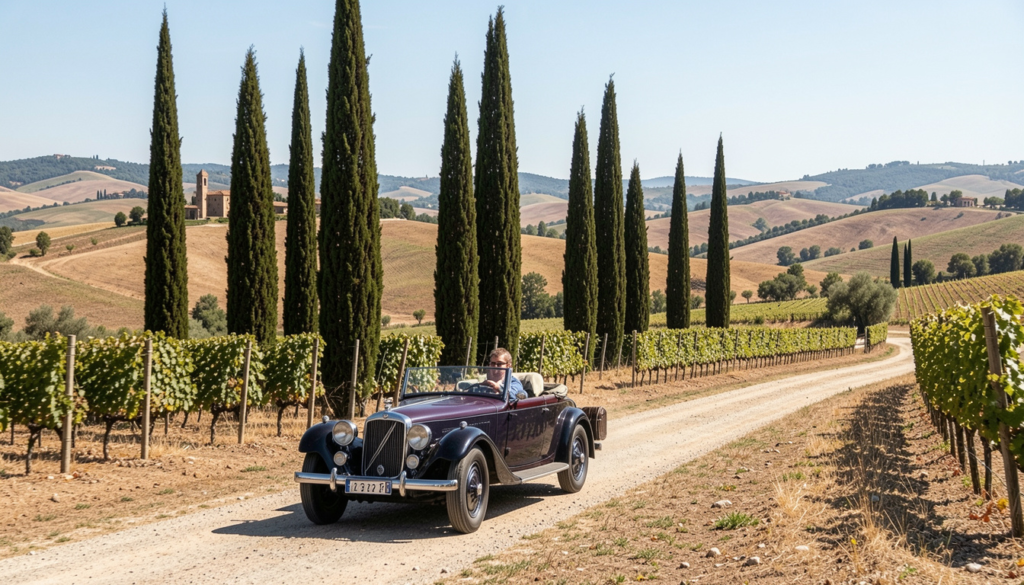
The Chianti Wine Region offers much more than exceptional wine. While vineyard visits are the main attraction, you’ll also find medieval castles, scenic drives, outdoor adventures, local markets, and authentic Tuscan culture. Spending a few days here allows you to experience the region at a relaxed pace.
Enjoy Wine Tastings at Local Vineyards
No trip to the Chianti Wine Region is complete without visiting several wineries. Every estate has its own history, vineyard, and winemaking style. Many guided tours include walks through the vineyards, cellar visits, and tastings paired with local cheeses, cured meats, or olive oil.
What to Expect
- Guided winery tours
- Barrel cellar visits
- Premium wine tastings
- Food pairings
- Opportunities to purchase wine directly from producers
Drive the Scenic Chiantigiana Road (SR222)
Often considered one of Italy’s most beautiful roads, the Chiantigiana Highway connects Florence and Siena through the heart of Chianti. The route passes vineyards, olive groves, stone farmhouses, and charming villages.
Along the way, you’ll find numerous viewpoints perfect for photography and relaxing stops.
Highlights
- Rolling Tuscan hills
- Cypress-lined roads
- Vineyards
- Medieval villages
- Local restaurants
Visit Historic Castles
The Chianti Wine Region is dotted with castles that once protected Tuscany from invading armies. Today, many of these castles are working wineries offering guided tours and tastings.
Popular castle experiences include:
- Historic wine cellars
- Castle museums
- Wine tastings
- Beautiful gardens
- Panoramic terraces
Taste Authentic Tuscan Cuisine
Food is an essential part of every Chianti experience. Traditional recipes use fresh local ingredients and pair beautifully with regional wines.
Popular dishes include:
- Bistecca alla Fiorentina
- Fresh handmade pasta
- Wild boar ragu
- Pecorino cheese
- Truffle dishes
- Bruschetta with olive oil
- Ribollita soup
Dining at countryside restaurants overlooking vineyards is often one of the highlights of visiting the Chianti Wine Region.
Join an Olive Oil Tasting
Many wineries also produce award-winning extra virgin olive oil. Guided tastings teach visitors how to identify high-quality olive oil and understand the production process.
You’ll learn to recognize:
- Fruity aromas
- Peppery finish
- Fresh flavors
- Regional varieties
Explore Weekly Local Markets
Village markets are ideal places to discover authentic Tuscan products.
You’ll often find:
- Local cheeses
- Fresh vegetables
- Handmade pasta
- Artisan crafts
- Olive oil
- Honey
- Wine accessories
Go Hiking Through Vineyards
Walking trails connect vineyards, forests, and villages throughout the Chianti Wine Region.
Many hiking routes feature:
- Gentle hills
- Vineyard views
- Historic churches
- Picnic spots
- Wildlife
- Olive groves
Take a Tuscan Cooking Class
Cooking classes provide a memorable way to experience local culture. Many vineyard estates offer hands-on lessons where guests prepare fresh pasta, sauces, and classic Tuscan desserts before enjoying their meal with locally produced wines.
Best Foods to Pair with Chianti Wine
Chianti wines are known for their bright acidity and balanced flavors, making them excellent partners for many traditional Italian dishes.
| Food | Why It Pairs Well |
| Bistecca alla Fiorentina | Rich beef balances the wine’s acidity |
| Lasagna | Tomato sauce complements Sangiovese grapes |
| Wild Boar Ragu | Earthy flavors match structured reds |
| Pecorino Cheese | Salty cheese enhances fruit notes |
| Mushroom Risotto | Creaminess balances tannins |
| Pizza Margherita | Tomato and herbs pair naturally |
| Grilled Lamb | Bold flavors complement aged Chianti |
| Truffle Pasta | Earthy aromas match complex wines |
Tip: Don’t be afraid to ask winery staff for pairing recommendations. They know their wines best and often suggest local specialties you might otherwise miss.
Sample Chianti Wine Region Itineraries
Choosing the right itinerary depends on how much time you have. Here are a few ideas to help you make the most of your visit.
One-Day Itinerary
Morning
- Drive from Florence
- Visit Greve in Chianti
- Explore the town square
- Coffee break
Afternoon
- Guided winery tour
- Wine tasting
- Lunch at a vineyard
Evening
- Scenic drive back to Florence
Two-Day Itinerary
Day 1
- Greve in Chianti
- Wine tasting
- Olive oil experience
- Overnight in countryside accommodation
Day 2
- Castellina in Chianti
- Castle visit
- Winery lunch
- Scenic drive to Siena
Three-Day Itinerary
Day 1
- Arrival
- Village exploration
- Sunset wine tasting
Day 2
- Two winery tours
- Cooking class
- Local dinner
Day 3
- Hiking
- Olive oil tasting
- Shopping
- Return journey
Staying overnight allows you to enjoy the peaceful atmosphere after day-trippers leave and gives you more time to experience the Chianti Wine Region without rushing.
Chianti Wine Region Travel Checklist
Use this checklist before your trip to stay organized.
| ✔ | Checklist |
| ☐ | Reserve winery tours in advance |
| ☐ | Book accommodations early during harvest season |
| ☐ | Rent a car or arrange transportation |
| ☐ | Bring comfortable walking shoes |
| ☐ | Pack a light jacket for cool evenings |
| ☐ | Carry a reusable water bottle |
| ☐ | Leave luggage space for wine purchases |
| ☐ | Download offline maps |
| ☐ | Bring a camera for scenic viewpoints |
| ☐ | Confirm winery opening hours |
Expert Tips for Visiting the Chianti Wine Region
Planning ahead can turn a good trip into an unforgettable one. Keep these expert tips in mind:
- Visit smaller family-owned wineries for more personal experiences.
- Schedule tastings earlier in the day to avoid feeling rushed.
- Spend at least two nights in the countryside instead of making only a day trip.
- Purchase wine directly from wineries for access to exclusive labels.
- Visit during weekdays if possible to avoid weekend crowds.
- Pair every wine tasting with food to enhance flavors.
- Dress in layers, as temperatures can vary throughout the day.
- Bring a notebook or use your phone to record your favorite wines and wineries.
- If you’re driving, designate a driver or book a guided tour to enjoy tastings responsibly.
Common Mistakes to Avoid
Many first-time visitors make simple mistakes that can affect their experience in the Chianti Wine Region. Avoid these common pitfalls:
Booking Wineries at the Last Minute
Popular wineries often fill up weeks or even months in advance, especially during spring and harvest season.
Trying to Visit Too Many Wineries
Limit yourself to two or three wineries per day. This gives you enough time to enjoy each visit without feeling rushed.
Skipping Reservations for Restaurants
Well-known countryside restaurants can become fully booked during peak travel months.
Only Visiting Famous Wineries
Some of the most memorable experiences happen at smaller family-run vineyards where you’ll enjoy more personal tours and unique wines.
Underestimating Driving Times
Although distances may seem short, winding country roads can make travel take longer than expected.
Forgetting About Shipping Options
Many wineries can ship wine internationally. Ask about shipping if you find bottles you can’t fit in your luggage.
Pros and Cons of Visiting the Chianti Wine Region
| Pros | Cons |
| Beautiful countryside scenery | Limited public transportation |
| World-famous wines | Popular during peak season |
| Excellent food | Some wineries require reservations |
| Charming medieval villages | Driving is often necessary |
| Friendly local hospitality | Summer temperatures can be hot |
| Outstanding photography opportunities | Luxury accommodations can be expensive |
| Authentic Tuscan experiences | Some attractions close during winter |
The advantages far outweigh the challenges, especially if you plan ahead. Whether you’re a wine enthusiast, foodie, or nature lover, the Chianti Wine Region offers a memorable blend of culture, history, and breathtaking landscapes.
Conclusion
The Chianti Wine Region is one of Italy’s most rewarding destinations, offering a perfect mix of exceptional wines, breathtaking landscapes, medieval villages, and authentic Tuscan hospitality. Whether you’re sipping a glass of Chianti Classico at a historic winery, driving along scenic vineyard roads, or enjoying a traditional meal with local specialties, every moment creates lasting memories.
From first-time visitors to experienced wine enthusiasts, the Chianti Wine Region has something for everyone. Plan your itinerary in advance, reserve your favorite winery experiences, and take time to explore beyond the famous vineyards. The combination of history, culture, food, and world-class wines makes this Tuscan gem a destination you’ll want to visit again and again.
FAQs
Where is the Chianti Wine Region located?
The Chianti Wine Region is located in the heart of Tuscany, Italy, between the historic cities of Florence and Siena. It is famous for its rolling vineyards, medieval villages, olive groves, and world-renowned wineries.
What is Chianti wine made from?
Most Chianti wines are made primarily from the Sangiovese grape. Italian wine laws require a minimum percentage of Sangiovese, while some blends may include small amounts of other approved grape varieties.
What is the difference between Chianti and Chianti Classico?
Chianti refers to a larger wine-producing area in Tuscany, while Chianti Classico comes from the original historic zone between Florence and Siena. Bottles labeled Chianti Classico also feature the famous Black Rooster (Gallo Nero) symbol and follow stricter production standards.
How many days should I spend in the Chianti Wine Region?
A stay of 2–3 days is ideal. This gives you enough time to visit multiple wineries, explore medieval towns, enjoy local cuisine, and experience the Tuscan countryside without rushing.
What is the best time to visit the Chianti Wine Region?
The best months are May through October. September and October are especially popular because they coincide with the grape harvest, pleasant weather, and vibrant vineyard scenery.
Do I need a car to explore the Chianti Wine Region?
While guided wine tours are available, renting a car is the easiest way to explore the Chianti Wine Region. Many vineyards and small villages are located in rural areas that are not well served by public transportation.
Are winery reservations required?
Yes. Most wineries recommend or require advance reservations, particularly during weekends and the busy spring and autumn travel seasons.
Is the Chianti Wine Region family-friendly?
Absolutely. Although wine is the main attraction, families can enjoy scenic drives, castle visits, hiking trails, cooking classes, local markets, and beautiful countryside accommodations.
Can beginners enjoy wine tasting in Chianti?
Yes. Winery staff are experienced at welcoming visitors of all knowledge levels. Tastings are educational, relaxed, and designed to help guests appreciate different styles of Chianti wine.
What should I buy as a souvenir?
Popular souvenirs include:
- Chianti Classico wine
- Extra virgin olive oil
- Pecorino cheese
- Handmade ceramics
- Tuscan cookbooks
- Local honey
- Artisan leather goods
- Traditional wine accessories
Read More: Porto Wine Cellars Guide: 15 Best Wine Cellars, Tours & Tasting Tips for an Unforgettable Visit