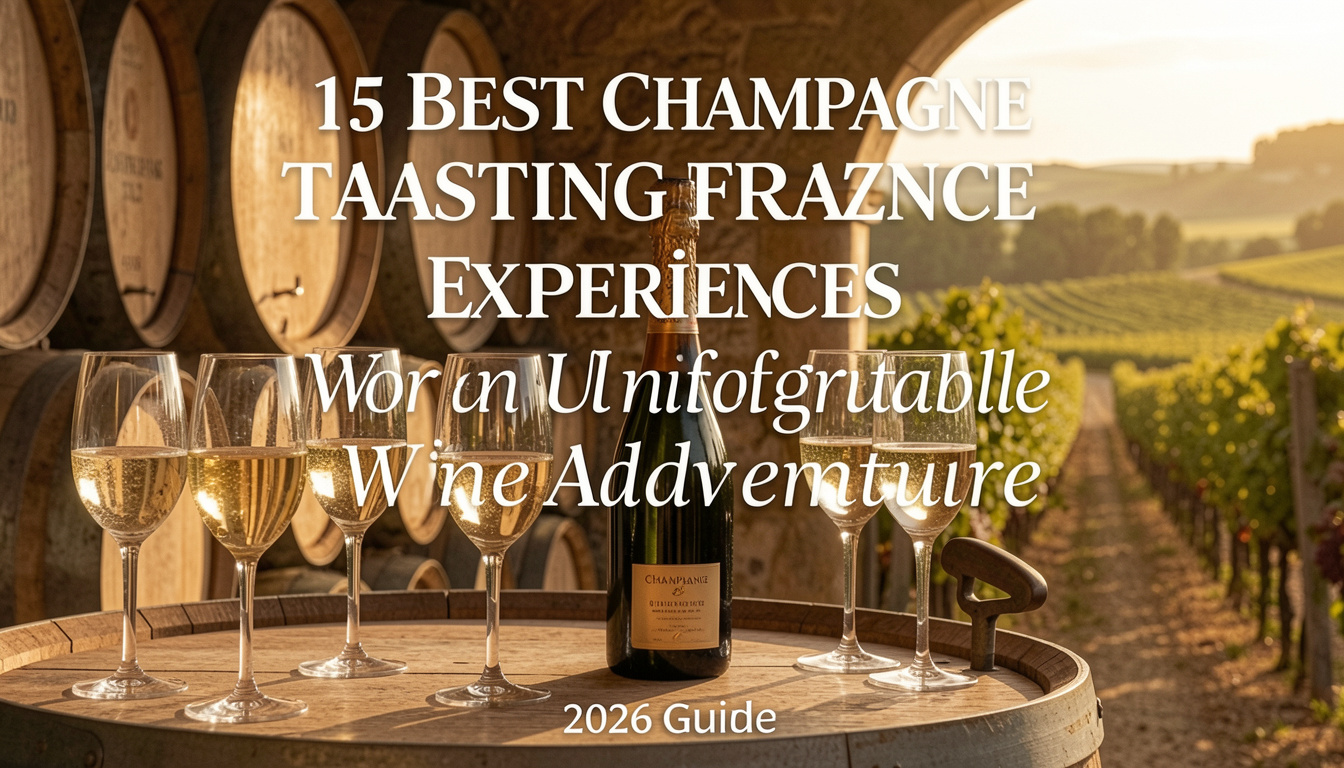
If you’ve ever dreamed of sipping sparkling wine where it was first created, Champagne Tasting France should be at the top of your travel bucket list. The Champagne region offers breathtaking vineyards, centuries-old wine cellars, charming villages, and unforgettable tasting experiences. Whether you’re a wine enthusiast or simply looking for a unique vacation, this region delivers history, culture, and world-class hospitality.
From famous champagne houses to family-owned vineyards, Champagne Tasting France offers something for every traveler. You can learn how authentic champagne is produced, discover the difference between various styles, and enjoy scenic countryside views that make every visit special. This guide covers everything you need to plan the perfect champagne adventure, including the best regions, travel tips, tasting etiquette, and expert recommendations.
Why Champagne Tasting France Is a Bucket List Experience
Few travel experiences combine history, luxury, and culture as perfectly as Champagne Tasting France. The Champagne region is the only place in the world where authentic Champagne can legally be produced under strict French regulations. Every bottle reflects generations of craftsmanship and tradition.
Unlike ordinary wine tours, champagne tastings often include underground chalk cellars, vineyard walks, production demonstrations, and guided tastings led by experienced experts. Visitors gain a deeper appreciation for the artistry behind every sparkling bottle.
What Makes It Special?
- Home of authentic Champagne
- UNESCO-listed vineyards and historic hillsides
- Hundreds of family-owned wineries
- Legendary champagne houses
- Beautiful countryside landscapes
- Gourmet French cuisine
- Historic underground chalk caves
- Easy day trips from Paris
Benefits of Visiting the Champagne Region
| Benefit | Why It Matters |
| Authentic Experience | Taste champagne where it is produced |
| Rich History | Discover centuries-old winemaking traditions |
| Scenic Views | Rolling vineyards and picturesque villages |
| Educational Tours | Learn every step of champagne production |
| Local Cuisine | Pair champagne with regional specialties |
| Luxury Experiences | Enjoy premium tastings and cellar tours |
Best Champagne Regions in France
Choosing the right destination is one of the most important parts of planning Champagne Tasting France. While the Champagne region isn’t huge, each area offers a unique atmosphere, different vineyard landscapes, and distinctive champagne styles.
Below are the top regions every traveler should consider.
Reims – The Historic Champagne Capital
Reims is often the first stop for visitors arriving from Paris. The city blends rich history with some of the world’s most famous champagne producers. Many renowned houses have impressive underground chalk cellars stretching for miles beneath the streets.
Highlights include:
- Historic champagne cellars
- Luxury tasting experiences
- Easy train access from Paris
- Beautiful Gothic architecture
- Excellent restaurants
- Museums and cultural attractions
Reims is ideal for first-time visitors who want a mix of sightseeing and premium champagne experiences.
Épernay – The Heart of Champagne
Épernay is famous for its elegant boulevard lined with prestigious champagne houses. Often called the capital of Champagne production, the town offers an excellent balance of luxury experiences and charming local culture.
Visitors love Épernay because of its:
- Famous Avenue de Champagne
- Underground wine cellars
- Boutique tasting rooms
- Walkable town center
- Scenic vineyards
- Fine dining
This destination is perfect for travelers looking to experience iconic champagne estates while enjoying a relaxed atmosphere.
Côte des Blancs
Known for producing exceptional Chardonnay grapes, Côte des Blancs is a favorite among wine lovers seeking elegant and refined champagnes.
Reasons to visit include:
- Beautiful vineyard landscapes
- Smaller family-owned producers
- Quiet countryside atmosphere
- Premium Blanc de Blancs champagne
- Authentic local experiences
This area is ideal for travelers who prefer intimate winery visits instead of large tourist attractions.
Vallée de la Marne
This picturesque valley follows the Marne River and is famous for Pinot Meunier grapes. It offers charming villages, peaceful vineyards, and welcoming family-run wineries.
Visitors enjoy:
- Scenic river views
- Friendly local producers
- Less crowded tastings
- Affordable experiences
- Traditional French villages
The Vallée de la Marne provides a slower pace, making it perfect for couples and travelers seeking authentic experiences.
Montagne de Reims
Situated between Reims and Épernay, this region is celebrated for producing outstanding Pinot Noir grapes.
Highlights include:
- Rolling forested hills
- Premium champagne vineyards
- Beautiful cycling routes
- Scenic driving tours
- Historic wine villages
Wine enthusiasts often visit this area to discover more complex champagne styles while enjoying breathtaking countryside scenery.
Champagne Regions Comparison
| Region | Best For | Famous Grapes | Atmosphere |
| Reims | First-time visitors | Pinot Noir | Historic & lively |
| Épernay | Luxury tastings | Mixed varieties | Elegant |
| Côte des Blancs | Chardonnay lovers | Chardonnay | Quiet & scenic |
| Vallée de la Marne | Family wineries | Pinot Meunier | Relaxed |
| Montagne de Reims | Pinot Noir fans | Pinot Noir | Picturesque |
Why Region Choice Matters
Every region contributes something unique to the Champagne Tasting France experience. Some travelers enjoy grand champagne houses with centuries of history, while others prefer boutique vineyards where they can meet winemakers personally. Planning your itinerary around your interests will make your trip even more rewarding.
Best Champagne Houses to Visit in France
One of the highlights of Champagne Tasting France is visiting the legendary champagne houses that have perfected their craft over generations. From globally recognized brands to small family-owned wineries, every visit offers a unique story, tasting style, and behind-the-scenes look at champagne production.
Some wineries focus on luxury experiences with grand cellars and premium tastings, while others provide intimate tours where visitors can meet the winemakers themselves. Mixing both types of experiences will give you a deeper appreciation of the Champagne region.
Moët & Chandon
Located in Épernay, Moët & Chandon is one of the world’s most famous champagne producers. The estate features kilometers of underground chalk cellars where millions of bottles age under ideal conditions.
Why Visit
- Historic underground cellars
- Premium guided tours
- Luxury tasting rooms
- Beautiful gardens
- Wide selection of champagne styles
Best For: First-time visitors and luxury travelers
Veuve Clicquot
Known for innovation and exceptional quality, Veuve Clicquot offers fascinating tours that explain the history of Madame Clicquot and her revolutionary winemaking techniques.
Highlights
- Historic wine caves
- Interactive exhibits
- Premium tasting experiences
- Rich family history
- Elegant visitor center
Best For: History lovers and premium tastings
Taittinger
Taittinger is famous for its elegant Chardonnay-based champagnes. The underground Roman chalk caves are among the oldest in the region.
What You’ll Enjoy
- Ancient Roman cellars
- Expert-guided tastings
- Small group experiences
- Beautiful architecture
- Premium Blanc de Blancs
Best For: Wine enthusiasts
Pommery
Pommery combines champagne with contemporary art, creating one of the most unique winery experiences in France.
Visitor Highlights
- Art installations
- Massive underground caves
- Modern visitor experience
- Premium tastings
- Family-friendly atmosphere
Ruinart
As the oldest established champagne house, Ruinart is known for elegance, sustainability, and exceptional hospitality.
Why It’s Popular
- Historic reputation
- Beautiful tasting salons
- Luxury experience
- Eco-conscious production
- Small-group tours
Bollinger
Bollinger is renowned for producing rich, full-bodied champagnes that are favorites among collectors and connoisseurs.
Best Features
- Traditional production methods
- Historic vineyards
- Premium tasting options
- Limited visitor numbers
- Exclusive atmosphere
Family-Owned Champagne Producers
While famous brands attract many visitors, smaller wineries often provide the most authentic Champagne Tasting France experience.
Advantages include:
- Meet the owners
- Personalized tours
- Lower prices
- Smaller groups
- Exclusive champagnes
- Local hospitality
These hidden gems are scattered throughout villages around Reims, Épernay, and the surrounding countryside.
Comparison of Popular Champagne Houses
| Champagne House | Best For | Tour Length | Luxury Level | Family Friendly |
| Moët & Chandon | First visit | 1.5–2 hrs | ⭐⭐⭐⭐⭐ | Yes |
| Veuve Clicquot | History | 90 mins | ⭐⭐⭐⭐⭐ | Yes |
| Taittinger | Wine lovers | 1.5 hrs | ⭐⭐⭐⭐ | Yes |
| Pommery | Art lovers | 2 hrs | ⭐⭐⭐⭐ | Yes |
| Ruinart | Luxury | 2 hrs | ⭐⭐⭐⭐⭐ | Limited |
| Bollinger | Premium tastings | 2 hrs | ⭐⭐⭐⭐⭐ | Adults preferred |
| Family Producers | Authentic experience | 1–2 hrs | ⭐⭐⭐ | Yes |
Guided vs. Self-Guided Champagne Tours
Many travelers wonder whether they should book a guided tour or explore independently. The best option depends on your budget, travel style, and how much planning you want to do.
Guided Champagne Tours
Guided tours are ideal for first-time visitors. Transportation, reservations, and winery schedules are handled for you, allowing you to relax and enjoy the experience.
Advantages
- No driving required
- Expert local guides
- Priority reservations
- Multiple winery visits
- Educational commentary
- Hotel pickup available
Disadvantages
- Less flexibility
- Fixed schedule
- Higher cost
- Limited free time
Self-Guided Tours
A self-guided trip gives you complete freedom to choose where and when to visit. It’s an excellent option for travelers who enjoy exploring at their own pace.
Advantages
- Flexible itinerary
- Lower overall cost
- More time at favorite wineries
- Opportunity to discover hidden gems
- Great for photographers
Disadvantages
- Advance reservations needed
- Must arrange transportation
- Limited local knowledge
- Driving restrictions after tasting
Guided vs. Self-Guided Comparison
| Feature | Guided Tour | Self-Guided |
| Convenience | ⭐⭐⭐⭐⭐ | ⭐⭐⭐ |
| Flexibility | ⭐⭐ | ⭐⭐⭐⭐⭐ |
| Local Knowledge | ⭐⭐⭐⭐⭐ | ⭐⭐ |
| Cost | Higher | Lower |
| Planning Required | Very Low | High |
| Transportation Included | Yes | No |
| Best for Beginners | Yes | Sometimes |
Pros and Cons of Champagne Tasting France
| Pros | Cons |
| Authentic champagne experience | Premium tastings can be expensive |
| Beautiful vineyard scenery | Reservations often required |
| Rich French history | Popular wineries sell out quickly |
| World-famous champagne houses | Limited public transportation in rural areas |
| Excellent food pairings | Some tours operate only seasonally |
| Educational winery tours | Driving after tastings is not recommended |
| Friendly local wineries | Peak season can be crowded |
Champagne Tasting France Travel Checklist
Use this checklist before your trip to make your experience smooth and enjoyable.
Before You Leave
- ✔️ Book winery tours in advance
- ✔️ Reserve accommodations early
- ✔️ Purchase travel insurance
- ✔️ Check winery opening days
- ✔️ Download offline maps
- ✔️ Learn basic French greetings
- ✔️ Pack comfortable walking shoes
- ✔️ Carry a reusable water bottle
- ✔️ Bring a camera or smartphone
- ✔️ Confirm train or rental car reservations
During Your Visit
- ✔️ Arrive on time for tastings
- ✔️ Stay hydrated
- ✔️ Eat before wine tastings
- ✔️ Take notes on favorite champagnes
- ✔️ Purchase bottles directly from wineries when possible
- ✔️ Respect vineyard rules
- ✔️ Pace yourself between tastings
Tips for Choosing the Right Champagne House
Not every winery offers the same experience. Before booking, consider:
- Your budget
- Preferred champagne style
- Group size
- Tour duration
- Accessibility
- Family-friendly options
- Language availability
- Food pairing experiences
- Private vs. public tours
Choosing a mix of internationally famous houses and small family-owned vineyards creates the most rewarding Champagne Tasting France itinerary.
Planning Your Champagne Tasting France Trip
A successful Champagne Tasting France experience starts with good planning. Choosing the right season, budgeting wisely, arranging transportation, and knowing what to expect can make your trip much more enjoyable. Whether you’re visiting for a day from Paris or staying for a long weekend, this guide will help you plan with confidence.
Best Time for Champagne Tasting France
The Champagne region welcomes visitors year-round, but each season offers a different experience. Your ideal travel time depends on whether you prefer pleasant weather, vineyard scenery, harvest activities, or fewer crowds.
Spring (March–May)
Spring is one of the best seasons to visit. The vineyards begin turning green, temperatures are mild, and tourist crowds are still manageable.
Why Visit in Spring?
- Comfortable weather
- Beautiful blooming landscapes
- Easier winery reservations
- Great photography opportunities
- Pleasant walking conditions
Average Temperature: 50–68°F (10–20°C)
Summer (June–August)
Summer is the busiest travel season for Champagne Tasting France. Vineyards are lush, outdoor terraces are open, and many wineries host special events.
Pros
- Long daylight hours
- Vibrant vineyards
- Outdoor dining
- Festivals and events
- Excellent weather
Cons
- Higher hotel prices
- Larger crowds
- Tours book quickly
Average Temperature: 68–82°F (20–28°C)
Autumn (September–October)
Many wine lovers consider autumn the best time to visit because it is harvest season. Vineyards become colorful, and visitors may witness grape picking and other winemaking activities.
Why Autumn Is Special
- Grape harvest
- Stunning fall colors
- Fresh local cuisine
- Seasonal wine events
- Cooler weather
Winter (November–February)
Winter provides a quieter and more intimate experience. Holiday decorations, cozy tasting rooms, and fewer tourists create a relaxed atmosphere.
Winter Benefits
- Lower accommodation costs
- Smaller tour groups
- Holiday markets nearby
- Peaceful wineries
Best Time Comparison
| Season | Crowds | Weather | Prices | Vineyard Views | Overall Rating |
| Spring | Low | Excellent | Moderate | Beautiful | ⭐⭐⭐⭐⭐ |
| Summer | High | Warm | High | Excellent | ⭐⭐⭐⭐ |
| Autumn | Medium | Excellent | Moderate | Spectacular | ⭐⭐⭐⭐⭐ |
| Winter | Low | Cold | Lowest | Limited | ⭐⭐⭐⭐ |
How Much Does Champagne Tasting France Cost?
Your budget depends on your travel style. Luxury travelers can enjoy exclusive tastings and premium hotels, while budget-conscious visitors can still experience excellent wineries without overspending.
Estimated Daily Budget
| Expense | Budget | Mid-Range | Luxury |
| Hotel | $90–150 | $180–300 | $350+ |
| Meals | $30–50 | $60–100 | $150+ |
| Champagne Tours | $25–50 | $60–120 | $150–400 |
| Transportation | $20–40 | $50–90 | $150+ |
| Shopping | Optional | Optional | Premium |
Average Daily Total
- Budget: $170–250
- Mid-range: $350–550
- Luxury: $700+
Getting to the Champagne Region
One reason Champagne Tasting France is so popular is its easy accessibility from Paris.
By Train
High-speed trains connect Paris with Reims in under an hour, making it an excellent option for day trips.
Advantages
- Fast
- Comfortable
- No parking concerns
- Environmentally friendly
By Car
Renting a car allows you to visit smaller villages and family-owned wineries that may not be accessible by public transportation.
Best For
- Couples
- Road trips
- Flexible itineraries
- Photography lovers
Important: Avoid driving after wine tastings. Consider using a designated driver or private transport.
Guided Transportation
Many tour companies include transportation, winery reservations, and a local guide. This is often the easiest choice for first-time visitors.
Where to Stay
Choosing the right base makes your Champagne Tasting France adventure much easier.
Reims
Perfect for:
- First-time visitors
- Luxury hotels
- Historic attractions
- Easy transportation
- Restaurant lovers
Épernay
Best for:
- Wine enthusiasts
- Boutique hotels
- Walkable streets
- Champagne houses
- Romantic vacations
Vineyard Villages
Ideal if you want:
- Peace and quiet
- Authentic countryside
- Family-owned wineries
- Scenic landscapes
- Relaxing atmosphere
Where to Stay Comparison
| Location | Best For | Nightlife | Winery Access | Budget |
| Reims | First visit | Excellent | Very Good | Moderate |
| Épernay | Wine lovers | Good | Excellent | Moderate |
| Small Villages | Relaxation | Limited | Excellent | Budget to Luxury |
Champagne Tasting Etiquette
Knowing proper etiquette helps you enjoy your visit while respecting local traditions.
Do
- Arrive on time.
- Listen to your guide.
- Hold the glass by the stem.
- Ask questions politely.
- Sip slowly.
- Appreciate the aromas before tasting.
- Purchase a bottle if you enjoyed a small winery visit.
Don’t
- Wear strong perfume.
- Rush through tastings.
- Drink too quickly.
- Touch vineyard equipment without permission.
- Be loud during cellar tours.
- Arrive late without notice.
Sample One-Day Champagne Tasting France Itinerary
Morning
- Breakfast in Reims
- Visit a famous champagne house
- Guided cellar tour
- First tasting session
Afternoon
- Lunch at a French bistro
- Explore vineyards
- Visit a family-owned winery
- Scenic countryside drive
Evening
- Dinner with champagne pairing
- Walk through the town center
- Overnight stay in Reims or Épernay
Sample Two-Day Itinerary
Day 1
- Explore Reims
- Visit two champagne houses
- Historic attractions
- Gourmet dinner
Day 2
- Drive through vineyard villages
- Family-owned winery
- Vineyard picnic
- Shopping for champagne souvenirs
Budget-Saving Tips
You don’t need a luxury budget to enjoy Champagne Tasting France.
Save Money By
- Visiting during spring or winter
- Booking early
- Traveling by train
- Choosing boutique wineries
- Staying outside city centers
- Combining tastings into one tour
- Traveling midweek
Planning Checklist
Before leaving home, make sure you have:
- ✔️ Passport
- ✔️ Travel insurance
- ✔️ Winery reservations
- ✔️ Hotel booking
- ✔️ Train or rental car confirmation
- ✔️ Comfortable walking shoes
- ✔️ Power adapter (if needed)
- ✔️ Credit card and some cash
- ✔️ Camera
- ✔️ Weather-appropriate clothing
Best Food Pairings for Champagne Tasting France
One of the greatest pleasures of Champagne Tasting France is pairing sparkling wine with delicious French cuisine. Champagne is incredibly versatile and complements everything from seafood to desserts. Trying local dishes alongside regional champagne creates a richer and more memorable experience.
Whether you’re dining at a Michelin-starred restaurant or a cozy countryside bistro, the right pairing can elevate every sip.
Seafood and Champagne
Champagne’s crisp acidity makes it an excellent match for fresh seafood.
Best Pairings
- Fresh oysters
- Lobster
- Shrimp cocktail
- Grilled scallops
- Smoked salmon
- Sushi and sashimi
Recommended Champagne Style: Brut or Blanc de Blancs
Cheese and Champagne
France is famous for its cheeses, and many pair beautifully with champagne.
| Cheese | Recommended Champagne |
| Brie | Brut |
| Camembert | Vintage Champagne |
| Comté | Blanc de Blancs |
| Goat Cheese | Extra Brut |
| Parmesan | Rosé Champagne |
Meat Pairings
Many people assume champagne is only for seafood, but it also complements several meat dishes.
Great options include:
- Roast chicken
- Duck breast
- Turkey
- Pork tenderloin
- Veal
- Charcuterie boards
Desserts
Finish your Champagne Tasting France experience with classic French desserts.
Perfect choices include:
- Fruit tart
- Lemon tart
- Macarons
- Strawberry desserts
- Vanilla pastries
Avoid: Very sweet chocolate desserts with dry champagne, as they can overpower the wine.
Porto Wine Cellars Guide: 15 Best Wine Cellars, Tours & Tasting Tips for an Unforgettable Visit
Hidden Gems Worth Visiting
Beyond the famous champagne houses are charming villages and boutique wineries that offer authentic experiences with fewer crowds.
Small Vineyard Villages
Consider exploring:
- Hautvillers
- Aÿ
- Mareuil-sur-Aÿ
- Ambonnay
- Bouzy
These destinations feature family-run producers, quiet streets, scenic vineyard walks, and personalized tastings.
Why Visit Boutique Wineries?
- Smaller tour groups
- Direct conversations with winemakers
- Exclusive champagnes not sold internationally
- Better value for money
- Relaxed atmosphere
Souvenirs to Bring Home
A trip to the Champagne region isn’t complete without taking home meaningful souvenirs.
Best Souvenir Ideas
- Champagne bottles
- Limited-edition vintages
- Champagne flutes
- Wine accessories
- Gourmet chocolates
- Local honey
- French cheeses (where permitted)
- Vineyard postcards
- Artisan jams
- Champagne stoppers
Chianti Wine Region Guide: 15 Amazing Wineries, Scenic Towns & Expert Travel Tips
Common Mistakes to Avoid
Even experienced travelers can make simple mistakes during Champagne Tasting France. Avoiding these errors will help you enjoy a smoother and more rewarding trip.
| Mistake | Better Choice |
| Booking too late | Reserve wineries weeks in advance |
| Visiting too many wineries in one day | Limit to 2–4 visits |
| Skipping lunch | Eat before tastings |
| Driving after tastings | Use trains, taxis, or guided tours |
| Wearing uncomfortable shoes | Choose walking shoes |
| Ignoring small producers | Visit boutique wineries too |
| Buying everywhere | Compare prices before purchasing |
| Forgetting water | Stay hydrated throughout the day |
Expert Tips for Champagne Tasting France
These practical tips can make your journey even more enjoyable.
Before Your Trip
- Book popular wineries early.
- Visit during weekdays if possible.
- Learn a few basic French phrases.
- Download offline maps.
- Carry a portable phone charger.
During Wine Tastings
- Smell the champagne before sipping.
- Take small notes about each wine.
- Drink water between tastings.
- Don’t rush the experience.
- Ask guides about grape varieties and aging methods.
Photography Tips
The Champagne region offers stunning landscapes that are perfect for photography.
Capture
- Sunrise over vineyards
- Underground chalk cellars
- Historic winery entrances
- Champagne pouring shots
- Vineyard rows
- French village streets
- Wine barrels
- Sunset landscapes
Responsible Wine Tourism
Enjoy Champagne Tasting France while respecting the local environment and community.
Sustainable Travel Tips
- Support family-owned wineries.
- Recycle bottles responsibly.
- Stay on marked vineyard paths.
- Reduce plastic waste by carrying a reusable water bottle.
- Shop from local businesses.
- Respect private property.
- Choose eco-friendly accommodations when available.
Safety Tips
Wine tours are generally safe, but following a few precautions ensures a stress-free experience.
Stay Safe By
- Drinking responsibly.
- Never drinking and driving.
- Keeping valuables secure.
- Wearing weather-appropriate clothing.
- Staying hydrated.
- Following winery safety instructions.
- Using licensed transportation services.
Suggested 3-Day Champagne Tasting France Itinerary
Day 1 – Reims
- Explore the historic city
- Visit a famous champagne house
- Tour underground cellars
- Dinner with champagne pairing
Day 2 – Épernay
- Walk Avenue de Champagne
- Visit boutique wineries
- Vineyard lunch
- Evening tasting experience
Day 3 – Vineyard Villages
- Scenic countryside drive
- Family-owned champagne producer
- Local market visit
- Picnic among the vineyards
- Return to Paris
Champagne Tasting France at a Glance
| Category | Recommendation |
| Best Season | Spring & Autumn |
| Ideal Trip Length | 2–3 Days |
| Best Base | Reims or Épernay |
| Winery Visits Per Day | 2–4 |
| Transportation | Train + Guided Tour |
| Best For | Couples, Wine Lovers, Friends |
| Budget | Moderate to Luxury |
Suggested External Authority Sources (Do Not Insert Links in the Article)
- France Tourism Board
- Champagne Committee (Comité Champagne)
- UNESCO World Heritage Centre
- SNCF (French National Railway)
- Atout France
- French Ministry of Culture
- Michelin Guide
- Local Tourism Offices of Reims and Épernay
Conclusion
Champagne Tasting France is much more than a wine tour—it’s an unforgettable journey through one of the world’s most celebrated wine regions. From the historic cellars of Reims and the elegant avenues of Épernay to charming family-owned vineyards tucked away in the countryside, every stop offers a unique blend of tradition, craftsmanship, and French hospitality. Whether you’re a first-time visitor or an experienced wine enthusiast, you’ll leave with a deeper appreciation for authentic Champagne and the people who create it.
By planning your trip carefully, booking tastings in advance, and exploring a mix of famous champagne houses and boutique wineries, you can enjoy the very best of Champagne Tasting France. Use the tips, itineraries, and recommendations in this guide to create lasting memories, discover exceptional sparkling wines, and experience the beauty of the Champagne region. Start planning your adventure today and raise a glass to an unforgettable French getaway!
FAQs
What is the best time for Champagne Tasting France?
The best time for Champagne Tasting France is from May to October. Spring offers pleasant weather and fewer crowds, while autumn brings the exciting grape harvest season. If you prefer a quieter experience and lower prices, winter is also a great option.
Can I visit the Champagne region as a day trip from Paris?
Yes. Many travelers visit the Champagne region on a day trip from Paris. High-speed trains reach Reims in about 45–60 minutes, making it easy to explore a few champagne houses before returning in the evening. However, staying overnight allows you to enjoy more wineries at a relaxed pace.
Do I need to book champagne tastings in advance?
Yes. Most popular champagne houses require advance reservations, especially during spring, summer, weekends, and harvest season. Booking several weeks ahead helps secure your preferred tour times.
How much does Champagne Tasting France cost?
Prices vary depending on the winery and tour type.
Typical costs include:
- Basic tasting: $25–$50
- Premium tour: $60–$150
- Luxury experience: $150–$400+
Accommodation, transportation, and meals should also be included in your travel budget.
Is Champagne Tasting France suitable for beginners?
Absolutely. Most wineries welcome visitors with little or no wine
Which Champagne houses are best for first-time visitors?
For first-time visitors, popular champagne houses like Moët & Chandon, Veuve Clicquot, Taittinger, and Pommery offer excellent guided tours, historic cellars, and beginner-friendly tasting experiences. You can also include a visit to a family-owned winery for a more authentic experience.
What should I wear for a Champagne tasting in France?
Wear smart casual clothing and comfortable walking shoes, as many winery tours include walking through vineyards and underground cellars. Depending on the season, bring a light jacket because the cellars stay cool throughout the year.
Can I buy Champagne directly from wineries?
Yes. Most wineries sell bottles directly to visitors, including limited-edition and estate-exclusive champagnes that may not be available in other countries. Buying directly from the producer is also a great way to support local businesses.
Is Champagne Tasting France worth it for couples?
Yes. Champagne Tasting France is one of the most romantic travel experiences in Europe. Couples can enjoy scenic vineyard views, private tastings, gourmet dining, boutique hotels, and peaceful countryside villages, making it an ideal destination for anniversaries, honeymoons, or weekend getaways.
How many wineries should I visit in one day?
Most travel experts recommend visiting 2 to 4 wineries per day. This allows enough time to enjoy each tour, learn about the winemaking process, and appreciate the tastings without feeling rushed. It also helps you travel safely and comfortably between locations.
Read More: Lindt Chocolate Factory Tour: 15 Sweet Tips for an Unforgettable Swiss Chocolate Experience