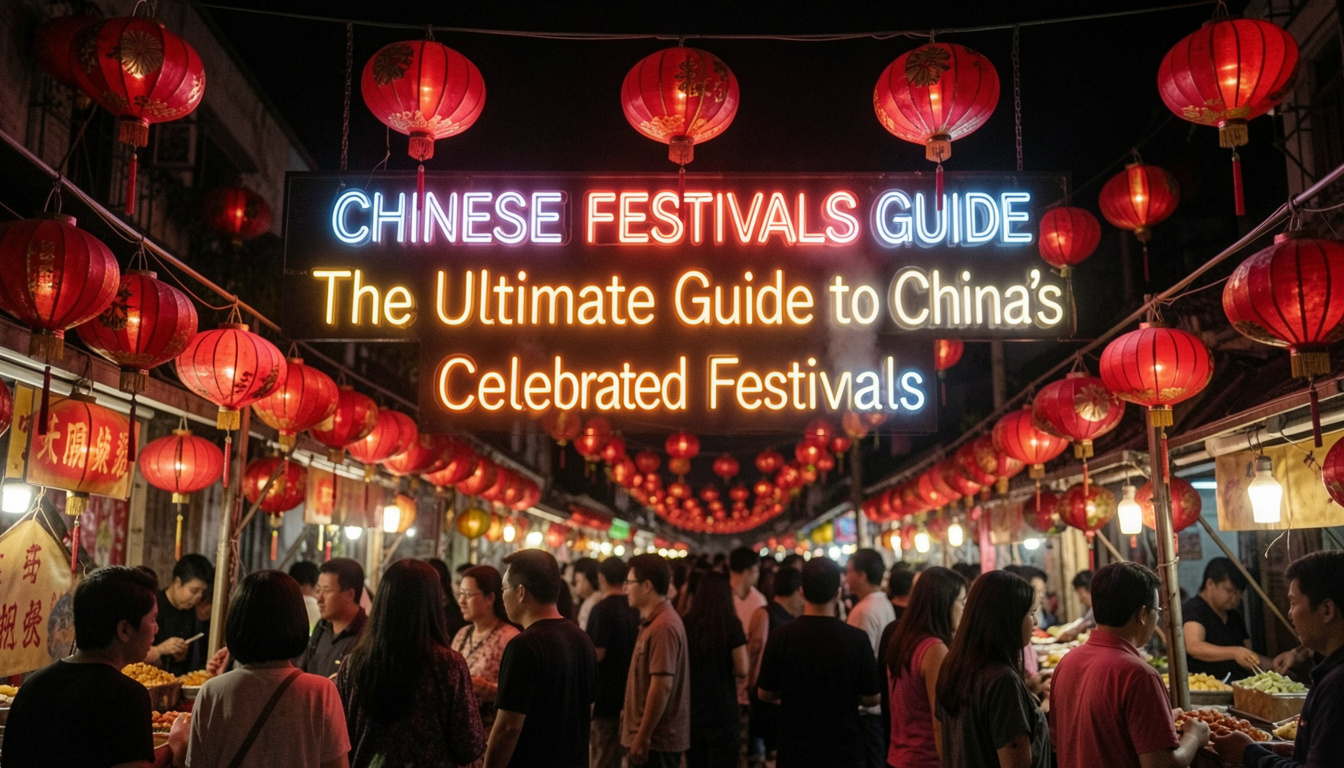
China is a country with one of the world’s oldest civilizations, and its rich cultural heritage is reflected through its vibrant festivals and celebrations. This comprehensive Chinese Festivals Guide explores the traditions, customs, history, and significance of the most important Chinese festivals celebrated throughout the year. These festivals are deeply rooted in Chinese culture and continue to unite families, communities, and generations.
Whether you are planning a trip to China, studying Chinese culture, or simply curious about traditional celebrations, this Chinese Festivals Guide will help you understand the meaning behind China’s most beloved festivals. From colorful lantern displays to dragon boat races and mooncake traditions, each festival offers a unique glimpse into the heart of Chinese society.
Why Chinese Festivals Are Important
Chinese festivals are more than just holidays. They represent family unity, respect for ancestors, seasonal changes, historical events, and ancient beliefs. Many festivals have been celebrated for thousands of years and remain essential parts of Chinese culture today.
Key reasons Chinese festivals are important include:
- Preserving cultural traditions
- Strengthening family bonds
- Honoring ancestors and deities
- Celebrating harvests and seasonal transitions
- Promoting community gatherings
- Passing traditions to future generations
Overview of the Chinese Festival Calendar
China follows both the Gregorian calendar and the traditional Chinese lunar calendar. Many major festivals are based on lunar dates, meaning their dates change each year.
Some of the most important festivals include:
- Chinese New Year (Spring Festival)
- Lantern Festival
- Qingming Festival
- Dragon Boat Festival
- Qixi Festival
- Mid-Autumn Festival
- Double Ninth Festival
- Winter Solstice Festival
Let’s explore each festival in detail.
Chinese New Year (Spring Festival)
Chinese New Year is the most important traditional holiday in China and marks the beginning of the lunar new year.
History
The festival dates back over 4,000 years and is associated with the legendary monster Nian, which was believed to fear loud noises, bright lights, and the color red.
Traditions
Family Reunions
Millions of people travel across China to reunite with their families.
Reunion Dinner
Families gather for a special dinner on New Year’s Eve featuring traditional dishes such as:
- Dumplings
- Fish
- Spring rolls
- Sticky rice cakes
Red Envelopes
Children receive red envelopes containing money, known as “Hongbao.”
Fireworks and Firecrackers
These are used to ward off evil spirits and welcome good fortune.
Decorations
Common decorations include:
- Red lanterns
- Couplets
- Paper cuttings
- Zodiac symbols
Duration
The celebration traditionally lasts 15 days.
Lantern Festival
Lantern Festival marks the end of Chinese New Year celebrations.
Origins
The festival originated during the Han Dynasty and has been celebrated for over 2,000 years.
Major Activities
Lantern Displays
Cities and towns display thousands of colorful lanterns.
Lantern Riddles
People solve riddles written on lanterns.
Lion and Dragon Dances
Traditional performances attract large crowds.
Eating Tangyuan
Tangyuan are sweet glutinous rice balls symbolizing family unity.
Cultural Importance
The Lantern Festival symbolizes hope, happiness, and family togetherness.
Qingming Festival (Tomb Sweeping Day)
Qingming Festival is dedicated to honoring ancestors.
Read More: Beijing Travel Guide: The Ultimate Travel Handbook for Exploring China’s Capital
Historical Background
The festival has been observed for more than 2,500 years and reflects the Chinese value of filial piety.
Main Traditions
Tomb Cleaning
Families clean ancestral graves.
Offering Food and Flowers
People leave offerings at gravesites.
Burning Incense
Incense is burned as a sign of respect.
Family Outings
Many families enjoy spring outings and picnics.
Significance
Qingming Festival emphasizes remembering family history and honoring loved ones.
Dragon Boat Festival
Dragon Boat Festival is one of China’s most exciting cultural celebrations.
History
The festival commemorates the patriotic poet Qu Yuan, who lived during the Warring States Period.
Famous Traditions
Dragon Boat Racing
Teams race beautifully decorated dragon boats.
Eating Zongzi
Zongzi are sticky rice dumplings wrapped in bamboo leaves.
Wearing Protective Charms
Traditional herbs and charms are believed to protect against illness.
Modern Celebrations
Dragon boat races are now held around the world, making this festival internationally recognized.
Qixi Festival (Chinese Valentine’s Day)
Qixi Festival celebrates love and romance.
Legend
The festival is based on the famous story of the Cowherd and Weaver Girl, who are allowed to meet once a year across the Milky Way.
Traditions
Romantic Gifts
Couples exchange gifts and flowers.
Prayers for Happiness
Young women traditionally prayed for wisdom and skill.
Cultural Performances
Many cities host romantic-themed events and performances.
Modern Significance
Today, Qixi is China’s equivalent of Valentine’s Day.
Mid-Autumn Festival
Mid-Autumn Festival is one of China’s most cherished family celebrations.
History
The festival dates back more than 3,000 years and is associated with moon worship.
The Legend of Chang’e
The famous story tells of Chang’e, who lives on the moon.
Major Traditions
Mooncakes
Mooncakes are the signature food of the festival.
Moon Watching
Families gather to admire the full moon.
Lantern Displays
Colorful lanterns decorate homes and public spaces.
Symbolism
The full moon represents reunion, harmony, and completeness.
Double Ninth Festival
Double Ninth Festival honors older generations and promotes health.
Traditions
Mountain Climbing
People climb hills and mountains for good luck.
Chrysanthemum Appreciation
Chrysanthemums are closely associated with the festival.
Respecting Elders
Families spend time with older relatives.
Cultural Meaning
The festival promotes longevity, respect, and family values.
Winter Solstice Festival
Dongzhi Festival celebrates the shortest day and longest night of the year.
Historical Significance
Ancient Chinese believed the winter solstice marked the return of positive energy.
Traditional Foods
Northern China:
- Dumplings
Southern China:
- Tangyuan
Family Gatherings
Families gather for meals and celebrate the coming of longer days.
Regional Chinese Festivals
China’s vast size means different regions celebrate unique local festivals.
Harbin Ice and Snow Festival
Harbin International Ice and Snow Festival features spectacular ice sculptures and winter activities.
Water Splashing Festival
Celebrated primarily by the Dai ethnic minority, this festival symbolizes purification and good fortune.
Naadam-Inspired Grassland Festivals
Inner Mongolia hosts cultural festivals featuring:
- Horse racing
- Wrestling
- Traditional music
- Folk dances
Chinese Zodiac and Festivals
The Chinese zodiac plays an important role in many celebrations.
The zodiac includes 12 animals:
- Rat
- Ox
- Tiger
- Rabbit
- Dragon
- Snake
- Horse
- Goat
- Monkey
- Rooster
- Dog
- Pig
Each year is associated with one zodiac sign and influences decorations, gifts, and celebrations.
Festival Foods in Chinese Culture
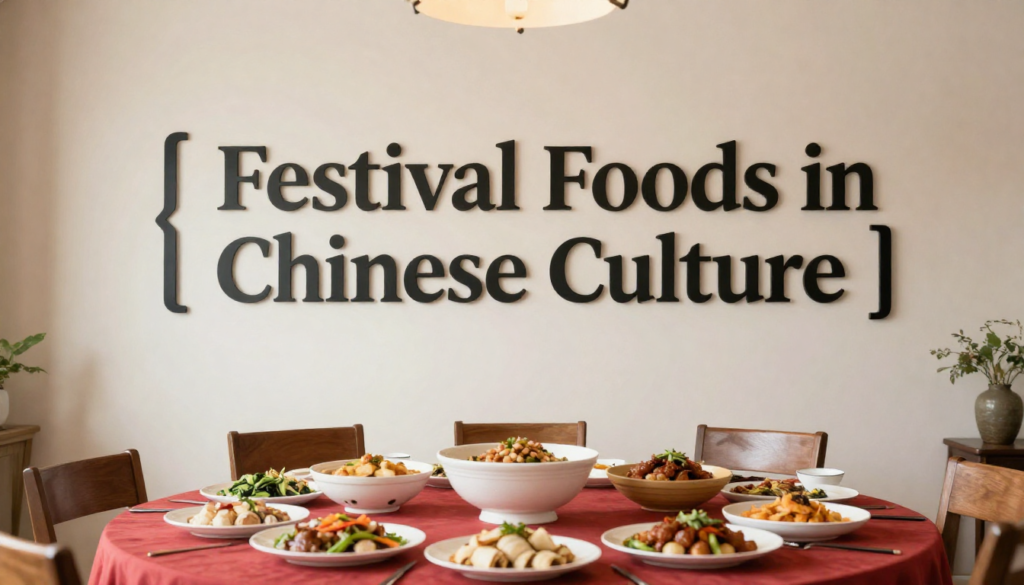
Food is central to Chinese celebrations.
Popular Festival Dishes
Dumplings
Represent wealth and prosperity.
Fish
Symbolize abundance.
Mooncakes
Represent family unity.
Zongzi
Honor historical traditions.
Tangyuan
Represent togetherness and harmony.
Longevity Noodles
Symbolize a long life.
Traditional Festival Decorations
Chinese festivals feature vibrant decorations.
Common decorations include:
- Red lanterns
- Paper cuttings
- Dragon motifs
- Couplets
- Zodiac images
- Decorative knots
These decorations symbolize prosperity, happiness, and protection.
Modern Chinese Festival Celebrations
While traditional customs remain important, modern celebrations have evolved.
Today, people celebrate through:
- Social media greetings
- Online red envelopes
- Digital gift exchanges
- Large public events
- Tourism activities
- International cultural festivals
This blend of tradition and modernity keeps Chinese culture vibrant and relevant.
Best Festivals for Travelers
Visitors to China often enjoy these festivals the most:
| Festival | Best Experience |
| Chinese New Year | Traditional celebrations |
| Lantern Festival | Spectacular lantern displays |
| Dragon Boat Festival | Exciting boat races |
| Mid-Autumn Festival | Mooncake culture |
| Harbin Ice Festival | Winter attractions |
| Qingming Festival | Cultural traditions |
Travel Tips for Festival Seasons
If you plan to visit China during festival periods:
- Book accommodations early.
- Expect crowded transportation.
- Learn basic festival customs.
- Participate respectfully.
- Try traditional foods.
- Attend local cultural events.
Festival periods provide some of the most memorable travel experiences in China.
FAQs
What is the most important festival in China?
The most important festival is the Chinese New Year (Spring Festival), celebrated by millions of people through family reunions, special meals, and cultural traditions.
Which Chinese festival is famous for mooncakes?
The Mid-Autumn Festival is famous for mooncakes and family gatherings under the full moon.
What is the significance of the Dragon Boat Festival?
The Dragon Boat Festival commemorates the poet Qu Yuan and is celebrated with dragon boat races and traditional zongzi rice dumplings.
Conclusion
This comprehensive Chinese Festivals Guide highlights the incredible diversity and cultural richness of China’s most celebrated traditions. From the joyful reunions of Chinese New Year to the moonlit gatherings of the Mid-Autumn Festival and the thrilling races of the Dragon Boat Festival, each celebration reflects centuries of history, values, and cultural identity.
For travelers, students, and culture enthusiasts, understanding these festivals provides a deeper appreciation of Chinese society. Whether you witness lanterns illuminating the night sky, enjoy a freshly made mooncake, or cheer on a dragon boat team, Chinese festivals offer unforgettable experiences that showcase the beauty of one of the world’s oldest civilizations
Read More: GuideShanghai Travel: The Ultimate Handbook for Exploring China’s Most Modern City