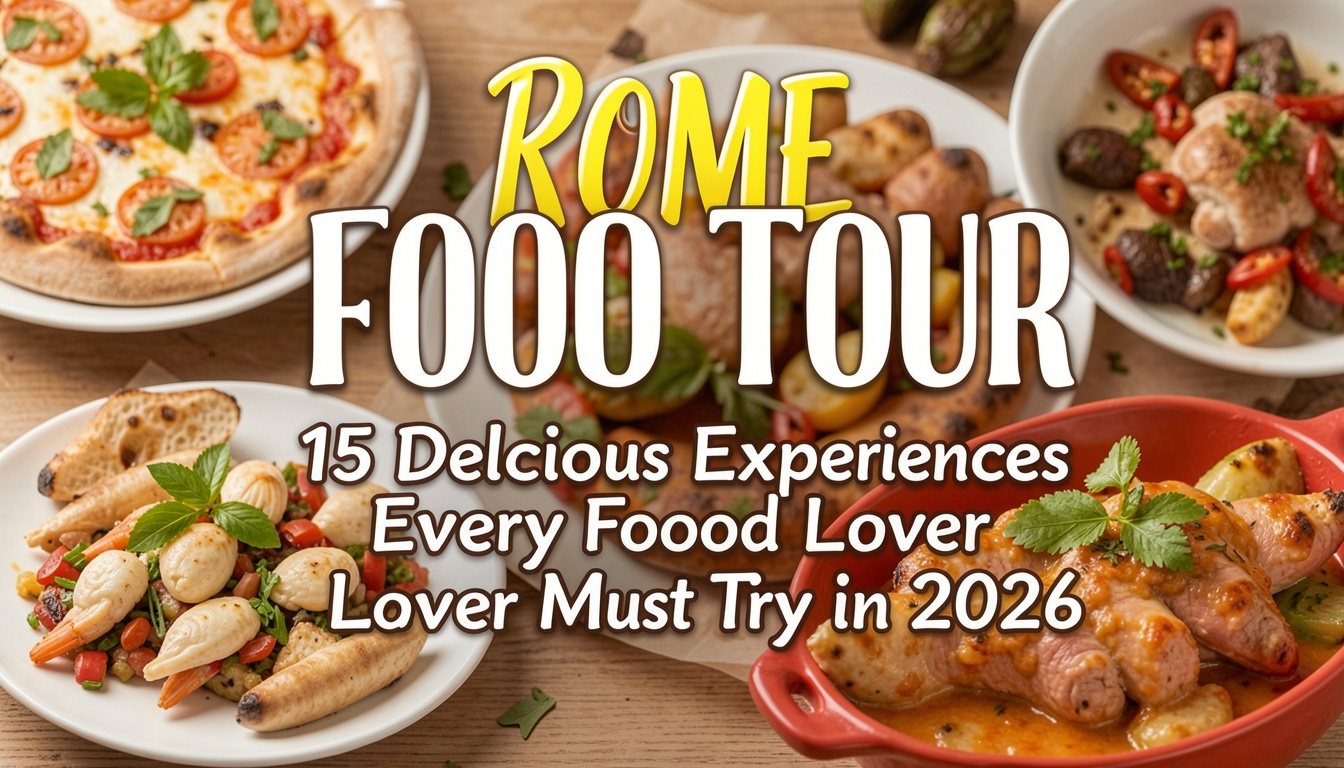
Rome is more than ancient ruins and famous landmarks. It is also one of the world’s greatest food destinations, where every street, bakery, and family-owned restaurant tells a story through its recipes. Joining a Rome Food Tour lets you taste authentic Roman dishes while learning about the city’s rich culture and traditions from local experts.
Whether you’re visiting Italy for the first time or returning for another adventure, a guided food tour helps you discover hidden eateries that many tourists never find. From handmade pasta and crispy Roman pizza to creamy gelato and local wines, every stop offers a new flavor worth remembering. This guide covers everything you need to know before booking the perfect Rome Food Tour, including neighborhoods, local specialties, pricing, insider tips, and how to choose the right experience for your travel style.
Why Choose a Rome Food Tour?
A Rome Food Tour offers much more than simply tasting delicious food. It combines history, culture, and local traditions into one unforgettable experience. Instead of eating at tourist-focused restaurants, you’ll visit family-run businesses, neighborhood bakeries, local markets, and hidden trattorias where Romans enjoy their meals.
Many tours include stories about the origins of classic recipes, giving you a deeper appreciation for Italian cooking. As you walk through charming streets, you’ll also discover historic buildings, lively squares, and local traditions that make Rome one of Europe’s most exciting culinary destinations.
Some of the biggest benefits include:
- Taste authentic local dishes
- Visit hidden restaurants
- Learn Roman food traditions
- Meet local chefs and guides
- Enjoy small-group experiences
- Discover neighborhoods beyond famous attractions
- Save time finding quality restaurants
- Experience authentic Italian hospitality
What Makes Roman Cuisine Unique?
Roman food is famous for its simple ingredients and bold flavors. Instead of complicated recipes, traditional Roman cooking focuses on fresh produce, handmade pasta, local cheeses, cured meats, olive oil, and seasonal vegetables.
Many classic dishes have remained unchanged for generations because families continue to prepare them using traditional methods. A quality Rome Food Tour introduces travelers to these authentic recipes while explaining the history behind each meal.
Famous Roman Foods
| Dish | Description | Best Time to Try |
| Carbonara | Pasta with eggs, Pecorino Romano, black pepper, and guanciale | Lunch or Dinner |
| Cacio e Pepe | Pasta with Pecorino Romano cheese and black pepper | Lunch |
| Amatriciana | Tomato sauce with guanciale and Pecorino cheese | Dinner |
| Supplì | Fried rice ball filled with mozzarella | Snack |
| Roman Pizza | Thin, crispy pizza served by the slice | Anytime |
| Artichokes | Fried or Roman-style seasonal specialty | Spring |
| Gelato | Authentic Italian ice cream | Afternoon |
| Tiramisù | Popular Italian dessert | Dessert |
| Cannoli | Sweet pastry filled with creamy ricotta | Dessert |
| Espresso | Traditional Italian coffee | Morning or After Meals |
Best Neighborhoods for a Rome Food Tour
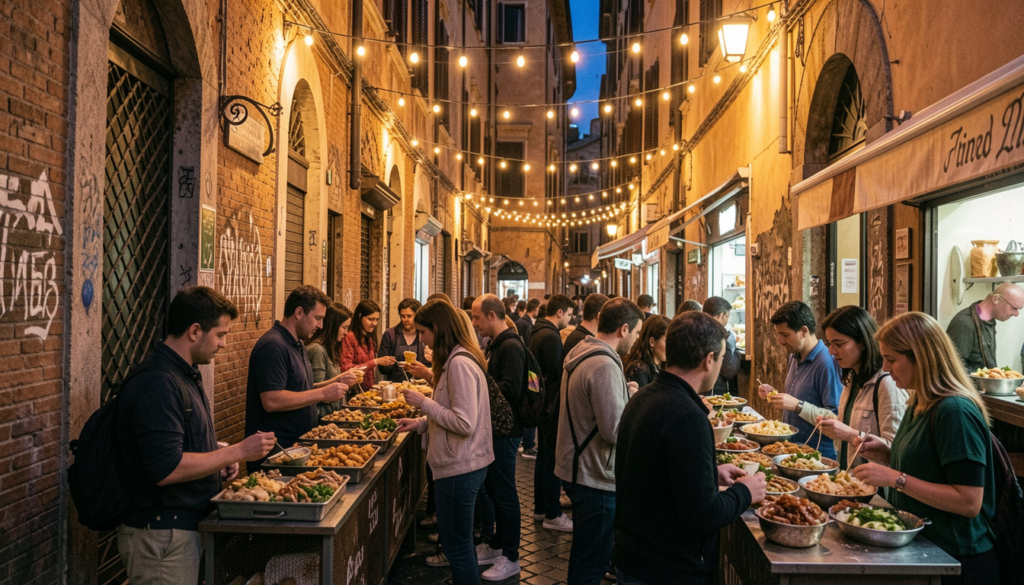
Choosing the right neighborhood can completely change your food experience. Each district has its own specialties, atmosphere, and local traditions.
Trastevere
Trastevere is often considered the heart of Rome’s food scene. Its narrow cobblestone streets are lined with family-owned restaurants, bakeries, wine bars, and lively piazzas. Evening food tours here are especially popular because the neighborhood comes alive after sunset.
Highlights
- Authentic trattorias
- Handmade pasta
- Traditional Roman pizza
- Local wine bars
- Artisan gelato
- Charming nightlife
Testaccio
Known as Rome’s original food district, Testaccio is loved by locals for its traditional recipes and bustling market. It offers a more authentic experience away from the busiest tourist areas.
Visitors can sample classic Roman comfort food, fresh cheeses, cured meats, and local street food while learning about the neighborhood’s rich culinary heritage.
Best Foods
- Fresh pasta
- Roman sandwiches
- Local cheeses
- Traditional pastries
- Fresh produce
- Street food favorites
Campo de’ Fiori
Campo de’ Fiori is famous for its colorful open-air market filled with fresh fruits, vegetables, spices, olive oils, cheeses, and regional specialties. Morning tours are ideal for exploring the vibrant market and tasting seasonal ingredients.
The surrounding streets are also home to excellent bakeries, cafés, and family-owned restaurants where visitors can enjoy authentic Roman flavors.
Types of Rome Food Tours
Not every Rome Food Tour is the same. Some focus on classic Roman dishes, while others highlight wine, street food, cooking classes, or local markets. Choosing the right tour depends on your interests, budget, and travel style.
Walking Food Tours
Walking food tours are the most popular option because they combine sightseeing with delicious food stops. You’ll explore historic neighborhoods while visiting family-run restaurants, bakeries, delicatessens, and cafés.
Most walking tours last between 3 and 4 hours and include 8–15 tastings.
Best For
- First-time visitors
- Couples
- Solo travelers
- Families
- Small groups
Usually Includes
- Pasta tasting
- Pizza by the slice
- Local cheeses
- Cured meats
- Gelato
- Espresso
- Wine tasting
- Local guide
Street Food Tours
Street food tours focus on affordable local favorites that Romans eat every day. These tours are fast-paced, fun, and perfect for travelers who enjoy trying many different foods.
Popular tastings often include:
- Supplì
- Pizza al taglio
- Trapizzino
- Fried vegetables
- Porchetta sandwiches
- Italian pastries
- Fresh espresso
Street food tours usually cost less than gourmet experiences, making them an excellent choice for budget-conscious travelers.
Wine and Food Tours
If you enjoy pairing great meals with Italian wines, a wine-focused Rome Food Tour is an excellent option.
You’ll visit wine bars, historic cellars, or family-owned restaurants where experts explain how different wines complement traditional Roman dishes.
Common wine pairings include:
| Food | Recommended Italian Wine |
| Carbonara | Frascati |
| Cacio e Pepe | Verdicchio |
| Amatriciana | Montepulciano |
| Pecorino Cheese | Lazio White Wine |
| Salami & Prosciutto | Chianti |
| Tiramisù | Sweet Dessert Wine |
Market Food Tours
Rome’s local markets are full of fresh produce, handmade cheeses, cured meats, seafood, olive oils, herbs, and baked goods.
A market tour lets visitors meet local vendors, sample seasonal ingredients, and learn how Romans shop for daily meals.
Many tours also include:
- Olive oil tasting
- Cheese sampling
- Fresh fruit
- Artisan bread
- Homemade pasta
- Local sweets
Cooking Class Food Tours
Some visitors want more than tasting—they want to cook authentic Italian food themselves.
These experiences usually begin with shopping at a local market before preparing classic dishes alongside an experienced chef.
Popular recipes include:
- Fresh pasta
- Ravioli
- Gnocchi
- Pizza
- Tiramisù
- Bruschetta
Many classes finish with a shared meal and local wine.
How Much Does a Rome Food Tour Cost?
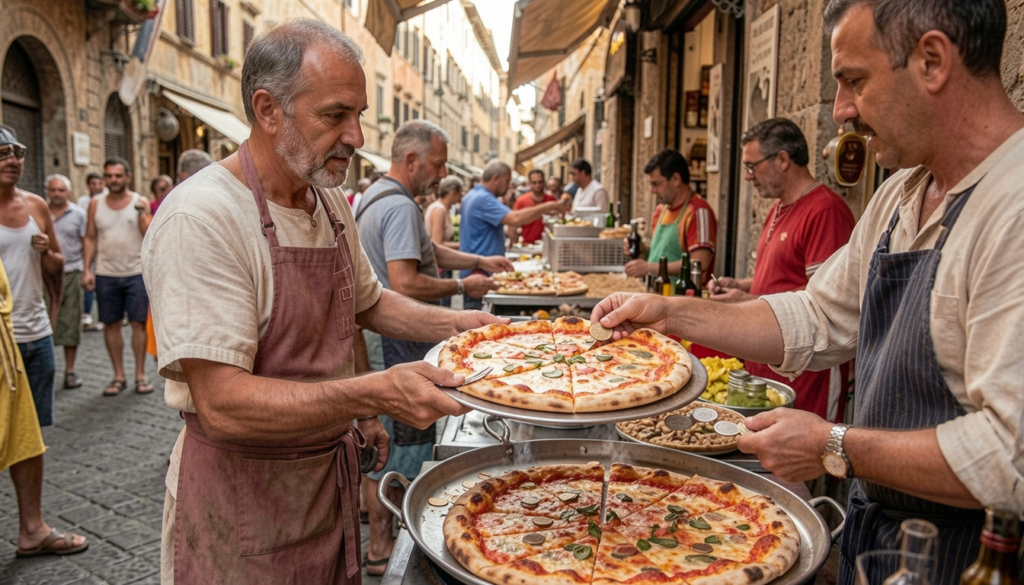
Prices vary depending on the neighborhood, group size, guide, and number of tastings.
Average Prices
| Tour Type | Average Price (USD) | Duration |
| Street Food Tour | $60–$90 | 2.5–3 Hours |
| Walking Food Tour | $75–$120 | 3–4 Hours |
| Evening Food Tour | $90–$140 | 4 Hours |
| Wine & Food Tour | $100–$170 | 3–5 Hours |
| Cooking Experience | $120–$220 | 4–6 Hours |
| Private Food Tour | $180–$450 | Flexible |
What Is Usually Included?
Most quality tours include:
- Professional local guide
- Multiple food tastings
- Dessert
- Local wine
- Bottled water
- Historical commentary
- Small group experience
Some premium tours also include:
- Market visits
- Transportation
- Cooking demonstrations
- Exclusive restaurant access
Morning vs Evening Rome Food Tours
Choosing the right time can make a big difference in your overall experience.
| Feature | Morning Tour | Evening Tour |
| Markets | Excellent | Limited |
| Temperature | Cooler | Comfortable |
| Crowds | Moderate | Busy |
| Street Atmosphere | Relaxed | Vibrant |
| Wine Tastings | Fewer | More |
| Nightlife | None | Excellent |
| Photography | Great daylight | Beautiful city lights |
Morning Tours
Morning tours are ideal for visitors who want to experience Rome’s famous markets while avoiding the hottest part of the day. You’ll enjoy fresh pastries, espresso, cheeses, fruits, and local produce.
These tours are also great if you plan to visit museums or historic sites in the afternoon.
Evening Tours
Evening is when Rome truly comes alive. Restaurants fill with locals, piazzas become lively, and the city’s illuminated streets create a memorable setting.
An evening Rome Food Tour often includes:
- Full dinner tastings
- Local wines
- Traditional desserts
- Nighttime sightseeing
- Vibrant neighborhood atmosphere
Self-Guided vs Guided Rome Food Tour
Some travelers enjoy exploring independently, while others prefer the expertise of a local guide.
| Feature | Guided Tour | Self-Guided |
| Local Knowledge | ⭐⭐⭐⭐⭐ | ⭐⭐ |
| Hidden Restaurants | ⭐⭐⭐⭐⭐ | ⭐⭐ |
| Historical Stories | ⭐⭐⭐⭐⭐ | ⭐ |
| Convenience | ⭐⭐⭐⭐⭐ | ⭐⭐⭐ |
| Flexibility | ⭐⭐⭐ | ⭐⭐⭐⭐⭐ |
| Cost | Higher | Lower |
Guided Tours
A guided Rome Food Tour offers a richer experience by introducing you to hidden restaurants, authentic recipes, and fascinating stories behind Roman cuisine. Guides often know the best family-run eateries that are easy to miss on your own.
Best For
- First-time visitors
- Food enthusiasts
- Families
- Solo travelers
- Travelers with limited time
Self-Guided Tours
If you enjoy exploring at your own pace, a self-guided tour can be rewarding. Research neighborhoods beforehand, create a food itinerary, and visit local markets, bakeries, and cafés throughout the day.
To make the most of it:
- Avoid restaurants with aggressive tourist advertising.
- Look for menus in Italian with seasonal specialties.
- Follow local dining hours for the freshest food.
- Carry cash, as some smaller shops may not accept cards.
How to Choose the Best Rome Food Tour
With so many options available, selecting the right experience can feel overwhelming. Before booking, consider the following factors:
Tour Duration
- 2–3 hours for a quick overview
- 4–5 hours for a complete culinary experience
Group Size
Smaller groups usually provide:
- More interaction with the guide
- Faster service
- Better access to local venues
- A more personalized experience
Food Preferences
Check whether the tour accommodates:
- Vegetarian diets
- Vegan diets
- Gluten-free needs
- Food allergies
- Non-alcoholic options
Neighborhood
Choose based on your interests:
- Trastevere – Lively nightlife and traditional trattorias
- Testaccio – Authentic local cuisine
- Campo de’ Fiori – Fresh market tastings
- Jewish Ghetto – Historic recipes and unique Roman-Jewish dishes
A little research before booking can help ensure your Rome Food Tour matches your travel goals and leaves you with unforgettable memories.
Best Foods You Must Try on a Rome Food Tour
One of the biggest reasons travelers book a Rome Food Tour is to taste dishes that have been part of Roman culture for generations. While Italy is famous for its regional cuisine, Rome has its own specialties that every visitor should experience at least once.
Carbonara
Carbonara is one of Rome’s signature pasta dishes. Authentic carbonara is made with eggs, Pecorino Romano cheese, black pepper, and guanciale (cured pork cheek). Traditional recipes do not use cream.
Its rich, creamy texture comes from the eggs and cheese, making it a favorite among locals and visitors alike.
Cacio e Pepe
Simple yet unforgettable, Cacio e Pepe combines pasta with Pecorino Romano cheese and freshly cracked black pepper. The sauce is created by mixing cheese with hot pasta water, producing a smooth and flavorful dish.
This classic recipe proves that just a few quality ingredients can create something extraordinary.
Amatriciana
Another Roman favorite, Amatriciana features a tomato-based sauce with guanciale, Pecorino Romano cheese, and chili pepper. It offers a perfect balance of savory, tangy, and slightly spicy flavors.
Supplì
Supplì is a popular Roman street food made from fried rice balls stuffed with mozzarella cheese. Crispy on the outside and gooey on the inside, it’s a must-try snack during any Rome Food Tour.
Roman Pizza
Roman pizza is different from Neapolitan pizza. It has a thin, crispy crust and is often sold by weight from bakeries and pizza shops.
Popular toppings include:
- Fresh mozzarella
- Mushrooms
- Prosciutto
- Artichokes
- Zucchini flowers
- Potatoes
- Seasonal vegetables
Gelato
No trip to Rome is complete without authentic Italian gelato. Made with fresh ingredients and less air than regular ice cream, gelato has a smoother texture and richer flavor.
Popular flavors include:
- Pistachio
- Hazelnut
- Lemon
- Chocolate
- Stracciatella
- Mango
- Coffee
Traditional Roman Desserts
Besides gelato, Rome offers plenty of delicious sweets.
Favorites include:
- Tiramisù
- Cannoli
- Maritozzo
- Biscotti
- Fruit tarts
- Ricotta pastries
Sample Rome Food Tour Itinerary
Here’s what a typical half-day Rome Food Tour might look like:
| Time | Activity |
| 9:00 AM | Meet your local guide |
| 9:15 AM | Fresh espresso and Italian pastry |
| 9:45 AM | Explore a local market |
| 10:30 AM | Cheese and cured meat tasting |
| 11:00 AM | Fresh handmade pasta |
| 11:45 AM | Roman pizza tasting |
| 12:15 PM | Local wine tasting |
| 12:45 PM | Gelato stop |
| 1:00 PM | Tour ends |
Evening tours follow a similar schedule but often include dinner-sized portions, wine pairings, and dessert in a lively neighborhood.
Pros and Cons of a Rome Food Tour
| Pros | Cons |
| Taste authentic Roman cuisine | Can be expensive for some budgets |
| Visit hidden local restaurants | Popular tours sell out quickly |
| Learn from experienced guides | Walking may not suit everyone |
| Skip tourist-trap eateries | Weather can affect outdoor tours |
| Meet fellow travelers | Dietary restrictions may limit options |
| Explore historic neighborhoods | Premium tours cost more |
| Enjoy curated food tastings | Busy seasons can be crowded |
Expert Tips for the Best Rome Food Tour
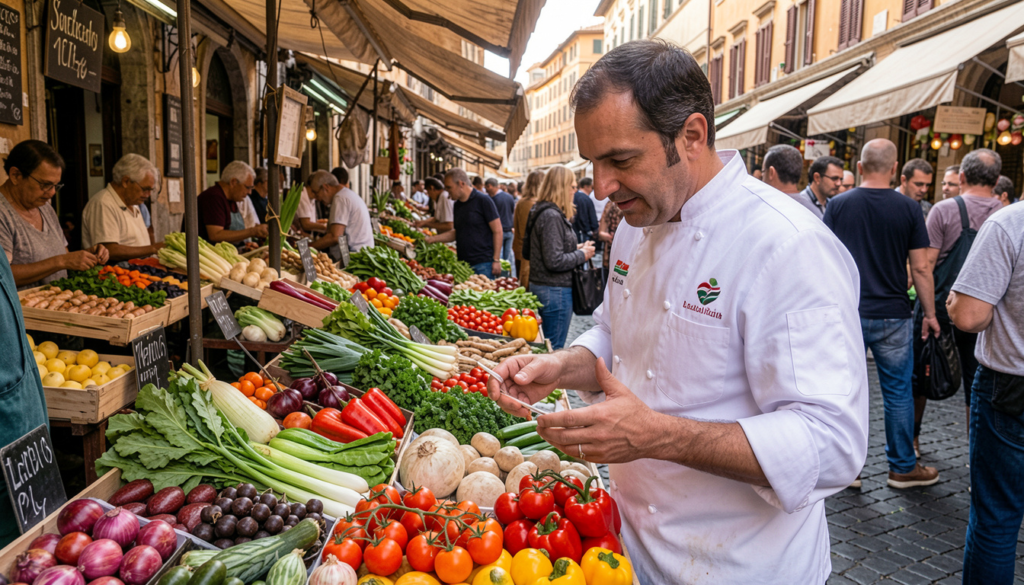
Want to make the most of your culinary adventure? Keep these expert recommendations in mind before you go.
Book Early
The best food tours often sell out weeks in advance, especially during spring, summer, and holiday seasons. Booking early gives you the widest choice of dates and times.
Arrive Hungry
Most tours include multiple tastings that together can equal a full meal. Avoid eating a large breakfast or lunch beforehand so you can fully enjoy every stop.
Wear Comfortable Shoes
Many tours involve walking through cobblestone streets and historic neighborhoods. Comfortable walking shoes will make the experience much more enjoyable.
Bring a Water Bottle
Although many tours provide water, carrying your own reusable bottle is always a good idea, particularly during warmer months.
Ask Questions
Local guides are passionate about Roman food culture. Don’t hesitate to ask about ingredients, cooking techniques, restaurant recommendations, or local traditions.
Try Something New
A Rome Food Tour is the perfect opportunity to step outside your comfort zone. Taste regional specialties you may not have considered before—you might discover a new favorite dish.
Respect Local Dining Culture
Romans often enjoy meals at a relaxed pace. Take your time, savor each bite, and appreciate the experience rather than rushing from one stop to the next.
Common Mistakes to Avoid
Even experienced travelers can make simple mistakes that reduce the enjoyment of a Rome Food Tour. Avoid these common pitfalls:
| Mistake | Better Choice |
| Eating a large meal before the tour | Come with a healthy appetite |
| Booking at the last minute | Reserve several weeks ahead |
| Choosing only the cheapest tour | Compare reviews and inclusions |
| Wearing uncomfortable footwear | Wear supportive walking shoes |
| Ignoring dietary requirements | Inform the tour company in advance |
| Focusing only on famous restaurants | Visit family-owned local eateries |
| Skipping local specialties | Try authentic Roman dishes |
| Not carrying cash | Keep some euros for small purchases or tips |
Rome Food Tour Checklist
Use this checklist before your tour to ensure a smooth and enjoyable experience.
Before You Go
- ✔ Book your tour in advance
- ✔ Check the meeting location
- ✔ Confirm the start time
- ✔ Inform the operator about dietary restrictions
- ✔ Charge your phone or camera
- ✔ Carry a reusable water bottle
- ✔ Bring comfortable walking shoes
- ✔ Pack sunscreen during summer
- ✔ Carry a light jacket in cooler months
- ✔ Keep some cash for tips or small purchases
During the Tour
- ✔ Listen to your guide’s recommendations
- ✔ Take photos respectfully
- ✔ Taste every specialty if possible
- ✔ Stay hydrated
- ✔ Ask questions about the food and history
- ✔ Support local businesses by purchasing authentic products if you wish
By planning ahead and avoiding common mistakes, your Rome Food Tour can become one of the most memorable highlights of your trip to Italy.
Best Rome Food Tours for Every Type of Traveler
Every traveler has different interests and budgets. Fortunately, there is a Rome Food Tour for everyone, whether you’re traveling solo, with family, or celebrating a special occasion.
Best for First-Time Visitors
If it’s your first trip to Rome, choose a classic walking food tour that combines sightseeing with authentic tastings. These tours usually visit famous neighborhoods like Trastevere or Campo de’ Fiori while introducing visitors to traditional Roman cuisine.
Recommended Experience
- Small group tour
- 3–4 hours
- 10–12 food tastings
- Local wine
- Historical walking tour
Best for Couples
Couples often enjoy evening food tours that include candlelit restaurants, wine pairings, and romantic walks through Rome’s historic streets.
Highlights
- Sunset atmosphere
- Wine tasting
- Gourmet dinner
- Traditional desserts
- Scenic piazzas
Best for Families
Family-friendly food tours focus on fun, interactive experiences that appeal to both adults and children.
Children usually love:
- Pizza making
- Gelato tasting
- Fresh pastries
- Italian desserts
- Local markets
Many operators also offer shorter walking distances and flexible pacing for families with younger children.
Best for Solo Travelers
A Rome Food Tour is one of the easiest ways to meet other travelers. Small-group experiences encourage conversation while sharing meals and discovering hidden restaurants together.
Benefits include:
- Safe environment
- Friendly local guide
- Easy social interaction
- Local recommendations
- Great value
Best for Luxury Travelers
Luxury culinary experiences often include:
- Private guides
- Premium wine pairings
- Michelin-inspired dining
- Chauffeur service
- Exclusive restaurant reservations
- Personalized itineraries
These tours provide a more intimate and customized way to explore Rome’s world-famous food scene.
When Is the Best Time to Take a Rome Food Tour?
Rome offers fantastic food throughout the year, but each season brings unique flavors and experiences.
| Season | Why Visit | Local Highlights |
| Spring | Mild weather and fresh produce | Artichokes, asparagus, outdoor dining |
| Summer | Long evenings and lively streets | Gelato, pizza, evening tours |
| Fall | Harvest season | Truffles, mushrooms, wine festivals |
| Winter | Cozy restaurants and holiday treats | Pasta, roasted dishes, festive desserts |
Spring (March–May)
Spring is considered one of the best seasons for a Rome Food Tour. Pleasant temperatures make walking enjoyable, while seasonal vegetables like Roman artichokes appear on many restaurant menus.
Summer (June–August)
Summer evenings are perfect for exploring Trastevere and enjoying outdoor dining. Although daytime temperatures can be high, evening food tours offer a cooler and more relaxed experience.
Fall (September–November)
Autumn is a favorite among food lovers because markets are filled with fresh mushrooms, grapes, olives, and seasonal specialties. Wine tastings are especially popular during this time.
Winter (December–February)
Winter brings fewer crowds and a cozy atmosphere. Visitors can enjoy hearty Roman dishes, warm cafés, and festive desserts during the holiday season.
Budgeting for a Rome Food Tour
Planning your expenses ahead of time helps you enjoy your culinary adventure without surprises.
Estimated Daily Food Budget
| Traveler Type | Daily Budget |
| Budget Traveler | $40–$70 |
| Mid-Range Traveler | $80–$150 |
| Luxury Traveler | $180–$350+ |
Additional Costs to Consider
- Tips for guides
- Extra drinks
- Souvenirs
- Specialty food purchases
- Transportation
- Travel insurance
Safety Tips for Food Tours in Rome
Rome is generally a safe destination, but it’s always wise to stay alert while exploring busy neighborhoods and markets.
Stay Aware of Your Belongings
Tourist areas can attract pickpockets. Keep your wallet, phone, and passport secure, especially in crowded markets and public transportation.
Follow Food Safety Practices
Choose reputable tour operators that partner with trusted restaurants and food vendors. Fresh, high-quality ingredients are a hallmark of authentic Roman cuisine.
Dress Comfortably
Wear lightweight clothing in summer and bring a light jacket during cooler months. Comfortable shoes are essential for walking on Rome’s historic cobblestone streets.
Internal Linking Opportunities (Travel Website)
To strengthen your travel website’s SEO and improve user navigation, consider linking this article to related content such as:
- Complete Rome Travel Guide
- Best Things to Do in Rome
- How to Spend 3 Days in Rome
- Top Attractions Near the Colosseum
- Vatican City Travel Guide
- Best Hotels in Rome
- Rome Packing List
- Italy Travel Tips for First-Time Visitors
- Best Day Trips from Rome
- Italian Food Guide for Travelers
- Best Gelato Shops in Italy
- Europe Bucket List Destinations
Recommended External Authority Sources
Reference these trusted organizations and official resources when updating or verifying your content (do not insert links directly into the article):
- Rome Tourism Board
- Italian National Tourist Board (ENIT)
- Lazio Regional Tourism
- UNESCO World Heritage Centre
- Italy Ministry of Culture
- Slow Food International
- Rick Steves Europe
- Lonely Planet
- Michelin Guide
- National Geographic Travel
Conclusion
A Rome Food Tour is much more than a chance to enjoy delicious Italian food—it’s an opportunity to experience the heart of Rome through its neighborhoods, traditions, and people. From creamy Carbonara and crispy Roman pizza to artisan gelato and locally produced wines, every stop introduces you to flavors that have been loved for generations. Whether you choose a lively street food adventure in Trastevere, a market tour in Campo de’ Fiori, or a gourmet wine experience, you’ll leave with unforgettable memories and a deeper appreciation for Roman culture.
If you’re planning a trip to Italy, make a Rome Food Tour one of your top priorities. Book your tour early, arrive with an appetite, and don’t be afraid to try something new. The best meals are often found in family-run restaurants and hidden local spots that most visitors overlook. With the tips and recommendations in this guide, you’re ready to enjoy one of the most rewarding culinary experiences in Europe.
FAQs
Is a Rome Food Tour worth it?
Yes. A Rome Food Tour is worth it because it combines authentic Italian cuisine, local culture, history, and sightseeing in one experience. You’ll also discover hidden restaurants and family-owned eateries that many tourists miss.
How much does a Rome Food Tour cost?
Most tours cost between $60 and $150 per person, depending on the duration, number of tastings, and whether wine or cooking experiences are included. Private and luxury tours may cost more.
What foods are included on a Rome Food Tour?
Most tours include a variety of Roman specialties such as:
- Carbonara
- Cacio e Pepe
- Amatriciana
- Supplì
- Roman pizza
- Artisan gelato
- Italian pastries
- Local cheeses
- Cured meats
- Italian wine
How long does a typical Rome Food Tour last?
Most guided tours last 3 to 4 hours, while cooking classes and premium culinary experiences may take 4 to 6 hours.
Are Rome Food Tours suitable for vegetarians?
Yes. Many tour operators offer vegetarian options, and some can also accommodate vegan, gluten-free, or allergy-friendly diets if notified in advance.
Which neighborhood is best for a Rome Food Tour?
Trastevere is the most popular neighborhood thanks to its traditional trattorias, lively atmosphere, and authentic Roman cuisine. Testaccio is another excellent choice for a more local food experience.
Should I book my Rome Food Tour in advance?
Yes. Booking several weeks in advance is recommended, especially during spring, summer, and holiday seasons when the best tours often sell out.
What should I wear on a Rome Food Tour?
Wear comfortable walking shoes and weather-appropriate clothing. Many tours involve walking on cobblestone streets, so supportive footwear is highly recommended.
Can children join a Rome Food Tour?
Absolutely. Many tours are family-friendly and include child-friendly foods like pizza, gelato, pastries, and interactive market visits.
What is the best time of day for a Rome Food Tour?
Morning tours are ideal for visiting local markets and bakeries, while evening tours offer a lively atmosphere with dinner tastings, wine pairings, and beautifully lit historic streets.
Read More : Maison Cailler Tour: 15 Sweet Reasons to Visit Switzerland’s Famous Chocolate Factory